Breed Guide6 min read

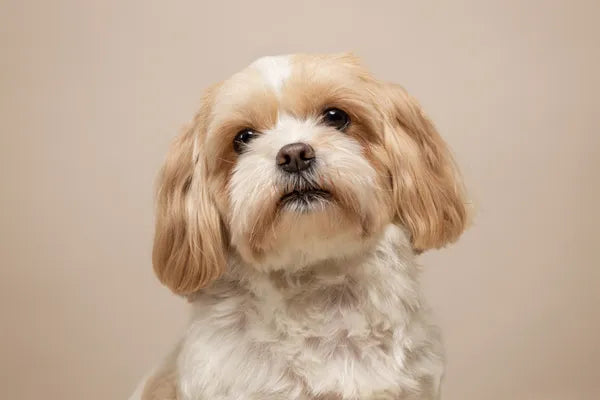
Maltese x Shih Tzu

Malshi · Malt-Tzu · Malti-Zu · Shih-Tese · Maltese Shih Tzu

  • Suitable for first-time owners
  • Apartment-friendly
  • Calm temperament
  • Good with children
  • Easy to train
  • Low-shedding
  • Good with other pets
  • Low exercise needs
Maltese x Shih Tzu Breed Guide
Temperament

Gentle, affectionate and devotedly people-oriented. Combines the Maltese's playful elegance with the Shih Tzu's calm, confident sociability. Adaptable across household types and energy levels. Generally good with children who handle gently. Can be mildly stubborn. Friendly with other pets when well socialised. Prone to separation anxiety.

Lifespan
12–14 years; some individuals reach 15+ years with excellent care
Adult Size
4–7 kg; 23–30 cm tall at the shoulder
Care Level
Low
Coat Type

Soft, silky, slightly wavy to straight coat. Minimal to low shedder — considered hypoallergenic-friendly though not allergen-free. Coat grows continuously and mats readily without regular care. Many owners maintain a short puppy or teddy bear cut.

Energy Level

Low. Two short daily walks and indoor play are sufficient.

is this the right breed for you?

Owner Suitability

Excellent for first-time owners, apartment dwellers, families with gentle older children, retirees and those seeking a devoted small companion. The breed's small size makes it vulnerable with very young children. Prone to separation anxiety — does not suit households where it will be left alone for extended periods.

Where the breed comes from

Origin & History

The Maltese x Shih Tzu (also known as the Malshi or Malt-Tzu) is a designer crossbreed between a Maltese and a Shih Tzu, first deliberately bred in the 1990s in Australia and the United States. The goal was to create a small, low-shedding companion that combined the Maltese's refined elegance and the Shih Tzu's sturdy, robust build and confident personality, while reducing the health challenges associated with purebred Shih Tzus. The cross has become one of Australia's most consistently popular small designer dogs. It is not recognised by the ANKC or major international kennel clubs. Also known as Malshi, Malt-Tzu, Malti-Zu and Shih-Tese. As a The Maltese x Shih Tzu (also known as the Malshi or Malt-Tzu) is a crossbreed between a Maltese and a Shih Tzu, first deliberately bred in the 1990s in Australia and the United States. The goal was to create a small, low-shedding companion that combined the Maltese's refined elegance and the Shih Tzu's sturdy, robust build and confident personality, while reducing the health challenges associated with purebred Shih Tzus. The cross has become one of Australia's most consistently popular small dogs. It is not recognised by the ANKC or major international kennel clubs. Also known as Malshi, Malt-Tzu, Malti-Zu and Shih-Tese. As a crossbreed rather than a recognised purebred, individual dogs may vary in appearance and temperament depending on which parent breed they take after more strongly.

Get it right early

Tips for First-Time Owners

  1. 1 Commit to daily tooth brushing from the first day home — dental disease is the most common and consequential long-term health concern in this cross, and daily brushing from puppyhood is the most effective prevention.
  2. 2 Monitor breathing in warm weather for any individual with Shih Tzu facial features — avoid exercise in heat and ensure air conditioning access during Australian summers.
  3. 3 Build alone-time tolerance gradually from puppyhood — both parent breeds are prone to separation anxiety and early independence conditioning produces a significantly more resilient adult.
  4. 4 Source from a breeder who health-screens both parent breeds for luxating patella and Legg-Calvé-Perthes Disease, and discusses dental and breathing health honestly.
  5. 5 Consider a short puppy cut for coat management — keeping the coat trimmed short significantly reduces daily grooming effort while maintaining the breed's soft, appealing appearance.
Daily Routine

Care & Exercise

The Maltese x Shih Tzu is a low-exercise breed well-suited to apartment and compact living. Two short daily walks of 15–20 minutes plus indoor play provides adequate exercise. The breed is intelligent and trainable though can be mildly stubborn — consistent, positive, reward-based training produces good results, particularly with food motivation. Build separation tolerance from puppyhood: this breed is deeply people-dependent and prone to separation anxiety without early conditioning. Daily coat and dental care are the most significant ongoing commitments. Individuals with more pronounced Shih Tzu facial features should not be exercised in hot weather and require indoor air conditioning during Australian summers. Feed a quality small-breed diet in measured portions twice daily.

Coat Care Routine

Grooming

Regular grooming is essential. Daily brushing is ideal; a minimum of every second day is required to prevent mats forming in the silky, continuously growing coat. Professional grooming every six to eight weeks for trimming is strongly recommended — a short teddy bear or puppy cut significantly reduces daily brushing requirements. Clean the eye area daily to prevent tear staining and monitor for any discharge. Check and clean ears weekly. Brush teeth daily from puppyhood — dental disease is the most common long-term health concern in this cross. Bathe every three to four weeks. Trim nails every three to four weeks. Monitor breathing in warm weather for individuals with more pronounced Shih Tzu facial features.

Did you know

Fun Facts

The Maltese x Shih Tzu cross brings together two of the world's most ancient companion dog breeds — the Maltese, with a documented history of at least 2,000 years as a Mediterranean palace companion, and the Shih Tzu, kept exclusively in the Chinese Forbidden City for over 1,000 years — making it one of the most historically prestigious small crossbreeds in the world.

The cross was first developed in Australia in the 1990s — at approximately the same time as the original Labradoodle — making it one of Australia's earliest deliberately bred companion crosses and a genuine local contribution to the global small dog market.

The Maltese x Shih Tzu is sometimes described as the most consistently calm and gentle of all the Maltese-based crosses — its Shih Tzu heritage contributing a steadier, less high-strung baseline temperament than the Maltese alone, while retaining the Maltese's lower shedding coat.

Day-to-day interaction

Handling & Socialisation

Socialisation from puppyhood prevents fearfulness and anxiety in this small companion breed. Puppy school is recommended. Consistent positive training from day one manages the mild stubbornness inherited from both parent breeds. Teach children to sit on the floor with the dog rather than picking it up — falls can injure a dog of this size. Build independence gradually rather than reinforcing clinginess. Monitor more flat-faced individuals in warm weather and avoid exertion in heat.

Keep them stimulated

Enrichment

Maltese x Shih Tzus benefit from daily mental stimulation despite their small size and low exercise needs. Short trick-training sessions, small puzzle feeders, sniff games and indoor enrichment engage the breed's intelligence and prevent boredom-related problem barking. Rotate toys regularly. A consistent daily routine suits this breed well. The most natural enrichment is being involved in household activities and receiving daily interaction with their family.

What to watch for

Common Health Issues

Dental Disease: The most significant long-term health concern — inherited from both parent breeds' small-jaw predispositions. Crowding, rapid tartar accumulation and early tooth loss are common. Daily brushing from puppyhood and regular professional dental cleans are essential.

Brachycephalic Concerns: Individuals inheriting more of the Shih Tzu's flat facial structure may show mild breathing difficulties in heat. Avoid exercise in hot weather and provide air conditioning in Australian summers.

Patella Luxation: Very common in small breeds; source from health-screened breeders.

Legg-Calvé-Perthes Disease: Hereditary condition causing femoral head degeneration; more common in small toy breeds. Source from screened breeders.

Tear Staining: Common in lighter-coloured individuals; daily eye cleaning and investigation of underlying causes recommended.

Separation Anxiety: Both parent breeds are prone; build independence from day one.

Everything you need

Essentials Shopping List

Setup checklist

  • Quality small-breed dog food (age-appropriate)
  • Shallow stainless steel food and water bowls
  • Small harness (recommended for walks)
  • Short lead
  • Crate (small)
  • Small, comfortable dog bed
  • Soft pin brush and fine-tooth comb (daily use)
  • Dog-safe detangling spray
  • Dog-safe shampoo
  • Dog-safe eye wipes (daily)
  • War cleaning solution
  • Dog toothbrush and dog-safe toothpaste (daily use)
  • Small nail clippers
  • Small training treats
  • Small fillable chew toy
  • Small puzzle feeder
  • Variety of small toys
  • Cooling mat (for flat-faced individuals in Australian summers)
  • Poo bags
  • Flea, tick and worming prevention (vet recommended)
  • Pet insurance (from day one)
FAQ

Commonly Asked Questions

  • Is a Maltese x Shih Tzu hypoallergenic?

    They are low to minimal shedders and hypoallergenic-friendly, but no dog is allergen-free. Individuals taking more after the Maltese parent typically shed less.

  • How much grooming does a Maltese x Shih Tzu need?

    Daily brushing at home plus professional grooming every six to eight weeks. A short teddy bear or puppy cut significantly reduces the daily brushing burden while maintaining the soft, attractive appearance.

  • Are they suitable for families with young children?

    With gentle, older children, yes. Very young children risk injuring a dog of this size. Teach children to sit on the floor with the dog and never to pick it up without guidance.

  • Can they be left alone?

    Not for extended periods — both parent breeds are prone to separation anxiety. Build alone-time tolerance gradually from puppyhood.

  • What health tests should I ask a breeder for?

    Luxating patella assessment; Legg-Calvé-Perthes history; dental and jaw health discussion; breathing assessment for Shih Tzu parent.

Need help?Our specialists are in-store every day to help with sourcing, training and supplies.

Visit Kellyville Pets