Breed Guide6 min read

Bichon Frise

Bichon · Bichon Frisé · Tenerife Dog (historical)

  • Calm temperament
  • Low-shedding
  • Good with other pets
  • Apartment-friendly
  • Low exercise needs
  • Easy to train
  • Suitable for first-time owners
  • Good with children
Bichon Frise Breed Guide
Temperament

Cheerful, sociable and genuinely people-loving. Gets along well with children, other dogs and pets. Playful without being excessively energetic. Responds well to positive training. Can be mischievous and stubborn at times. Dislikes being left alone for extended periods.

Lifespan
14–15 years
Adult Size
3–5 kg; 23–30 cm tall at the shoulder.
Care Level
Low to Medium
Coat Type

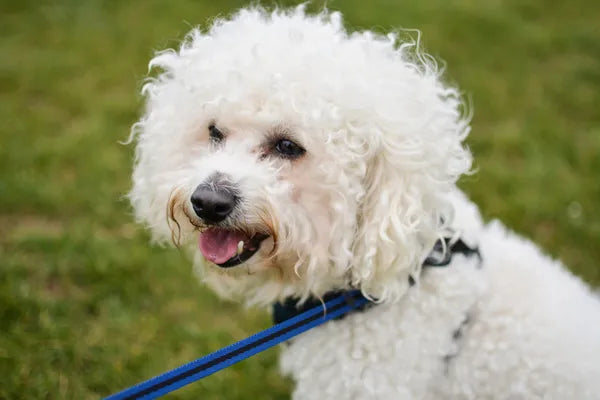
Dense, curly double coat. Very low shedder — shed hair is caught in the outer coat rather than released into the environment. Considered hypoallergenic-friendly, though not allergen-free.

Energy Level

Low to Medium. Two short daily walks and indoor play sessions are sufficient.

is this the right breed for you?

Owner Suitability

Excellent for first-time owners, apartment dwellers, families with children, singles and retirees. Adaptable, sociable and people-oriented. Does not suit households where it will be left alone for long periods. An ideal companion for those with mild allergies.

Where the breed comes from

Origin & History

The Bichon Frise ('curly-lapdog' in French) is a small, white companion dog with a history stretching back to the Mediterranean in the 13th and 14th centuries. Originally known as the Bichon Tenerife after the Canary Islands where it flourished, the breed became enormously fashionable in the courts of France, Spain and Italy in the 16th century and was a favourite of French royalty. After falling out of fashion, the breed was kept alive by street entertainers and circus performers before being revived as a companion and show dog in the 20th century. Under the Australian National Kennel Council (ANKC), the Bichon Frise is classified in Group 1 (Toys).

Get it right early

Tips for First-Time Owners

  1. 1 Commit to daily coat maintenance from the moment your puppy arrives — the Bichon's curly coat mats rapidly and a daily brushing habit established from puppyhood makes professional grooming significantly easier and less stressful for the dog.
  2. 2 Brush teeth daily from puppyhood — dental disease is one of the most common and consequential long-term health concerns in this breed and daily brushing is the most effective prevention available.
  3. 3 Investigate persistent scratching or skin irritation promptly — the Bichon is predisposed to skin allergies that can become chronic if not addressed early. Food trials and allergy testing may be warranted.
  4. 4 Build up alone time tolerance from day one — the breed forms strong attachments and develops separation anxiety without early independence training.
  5. 5 Source from a breeder who health-screens for luxating patella and is knowledgeable about the breed's allergy predispositions.
Daily Routine

Care & Exercise

The Bichon Frise is a low-to-moderate exercise breed, well-suited to apartment living and less active households. Two short daily walks plus indoor play sessions provide adequate physical activity. The breed is intelligent, eager to please and responds well to positive reinforcement training — though house training can take longer than with some other breeds. The most significant daily care commitment is coat maintenance, which should begin as a puppy routine. Feed a quality small-breed diet in measured portions twice daily. Dental care should begin from puppyhood. Annual vet checks, parasite prevention and monitoring for allergies and skin health are important.

Coat Care Routine

Grooming

The Bichon Frise coat is high-maintenance despite minimal shedding. Daily brushing with a soft pin brush and metal comb is required — the curly coat tangles and mats rapidly, particularly in the armpits, behind the ears and around the legs. Professional grooming every four to six weeks is essential to maintain the characteristic rounded shape and prevent the coat becoming unmanageably dense. Many pet owners opt for a shorter trim to reduce daily maintenance. The white coat develops tear staining around the eyes — clean the eye area daily with a damp cloth and investigate underlying causes with your vet. Bathe every three to four weeks. Dental hygiene is critical — brush teeth regularly. Trim nails every three to four weeks. Check and clean ears weekly.

Did you know

Fun Facts

The Bichon Frise was one of the favourite dogs of the French royal court in the 16th century — particularly under Henry III of France, who was reportedly so attached to his Bichons that he carried them in a special basket-tray worn around his neck, a practice that spawned the term 'lap dog' in its most literal sense.

The Bichon Frise's low-shedding coat results from the fact that shed hairs are caught in the outer layer of the curly coat rather than falling freely — which is why the breed requires professional grooming: without regular clipping, the trapped dead coat accumulates and causes matting rather than simply falling out as it does in shedding breeds.

Despite appearing purely ornamental, the Bichon Frise has a well-documented history as a working performer — after falling out of royal favour, the breed was kept alive by circus trainers and street entertainers across Europe who prized its intelligence, trainability and engaging appearance for performing acts.

Day-to-day interaction

Handling & Socialisation

Socialisation is generally straightforward with this outgoing, sociable breed. Puppy school provides valuable foundational training. The Bichon can develop small-dog syndrome if boundaries are not consistently maintained — resist the temptation to excuse behaviours because of small size. Positive, consistent training from puppyhood produces a confident, well-mannered companion. The breed is generally good with children but small size warrants supervision with very young children.

Keep them stimulated

Enrichment

Bichons are playful and curious and enjoy a variety of enrichment activities. Interactive games — gentle fetch, hide-and-seek, learning new tricks — provide mental stimulation and satisfy the breed's need for engagement. Puzzle feeders and treat-dispensing toys are well-received. Scent games and nose work are enjoyed. The Bichon's people-oriented nature means the most enriching activity is often time with its owner — training sessions, games and simple companionship. Rotate toys regularly to maintain novelty. Avoid extended isolation; this breed needs consistent social engagement to thrive.

What to watch for

Common Health Issues

Skin Allergies and Atopic Dermatitis: The Bichon Frise has a higher-than-average predisposition to skin allergies, which can cause itching, redness and recurrent skin infections. Environmental allergens (grass, dust mites, mould) and food allergies are both common triggers. A high-quality diet, regular coat maintenance and prompt veterinary attention for any persistent itching are important.

Dental Disease: Small breed predisposition to tartar accumulation and periodontal disease. Daily tooth brushing from puppyhood is the most effective prevention.

Patella Luxation: Kneecap dislocation common in small breeds; ranges from mild to requiring surgical correction. Source from health-screened breeders.

Bladder Stones: The Bichon Frise has an above-average predisposition to bladder stones; ensure adequate hydration and monitor for signs of straining or blood in urine.

Tear Staining: Common in the breed; daily eye cleaning and investigation of underlying causes with a vet are recommended.

Separation Anxiety: People-dependent breed prone to anxiety if left alone for extended periods.

Everything you need

Essentials Shopping List

Setup checklist

  • Quality small-breed dog food (age-appropriate)
  • Stainless steel food and water bowls
  • Collar with ID tag
  • Small harness
  • Short lead
  • Crate
  • Small, comfortable dog bed
  • Soft pin brush and metal comb
  • Dog-safe detangling spray
  • Dog-safe shampoo (whitening formula optional)
  • Damp cloth or dog-safe eye wipes (daily tear staining)
  • Dog toothbrush and dog-safe toothpaste
  • Nail clippers
  • Small training treats
  • Fillable rubber chew toy
  • Small puzzle feeder
  • Variety of small toys
  • Poo bags
  • Flea, tick and worming prevention (vet recommended)
  • Pet insurance (from day one)
FAQ

Commonly Asked Questions

  • Do Bichons shed?

    Very minimally. Shed hairs are caught in the curly outer coat rather than released into the environment, making the Bichon one of the most allergy-friendly breeds. However, this means regular professional grooming is essential to remove the trapped dead coat and prevent matting.

  • How often does a Bichon Frise need professional grooming?

    Every four to six weeks for trimming and full coat maintenance. Daily brushing at home between appointments is also necessary.

  • Are Bichons easy to house train?

    House training can take longer than with some other breeds — patience and consistency are required. Crate training is strongly recommended.

  • Do Bichons have health problems?

    The main concerns are skin allergies, dental disease, patella luxation and bladder stones. Regular vet checks, dental care, a quality diet and prompt attention to any itching or urinary changes are the primary management strategies.

  • Can a Bichon Frise live in an apartment?

    Yes — this is one of the most well-suited breeds for apartment living. Low exercise needs, minimal shedding and manageable size make it ideal.

Need help?Our specialists are in-store every day to help with sourcing, training and supplies.

Visit Kellyville Pets