If you're just starting out in the aquarium hobby, choosing the right plants can make all the difference. Some plants demand precise lighting, CO₂ injection, and constant care - but others are far more forgiving.
Anubias sits firmly in the “easy wins” category. Tough, adaptable, and low-maintenance, it’s one of the best plants for beginners and busy aquarists alike.
What Is Anubias?
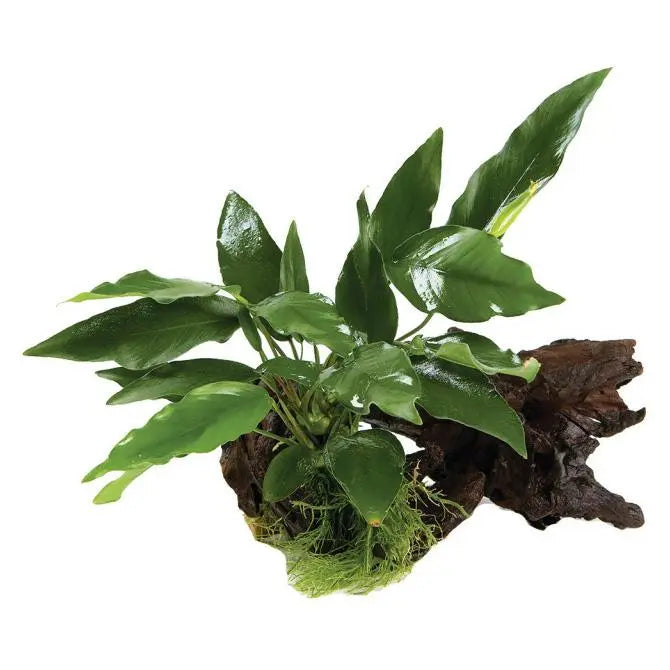
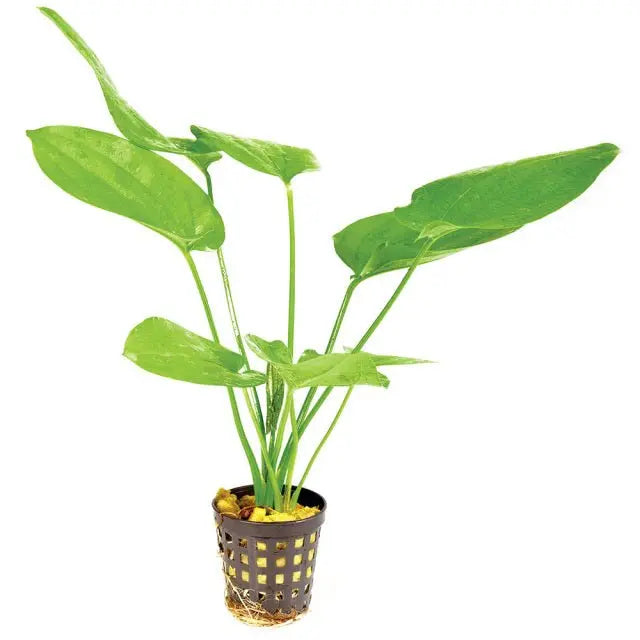
Anubias is a hardy aquatic plant native to West Africa. It’s commonly found growing along riverbanks, attached to rocks and driftwood rather than planted in substrate.
Popular varieties you’ll often see in Australian aquariums include:
- Anubias barteri
- Anubias nana
- Anubias nana petite
- Anubias coffeefolia
They’re known for their thick, dark green leaves and slow, steady growth.
1. Extremely Easy to Care For
One of the biggest reasons Anubias is so beginner-friendly is its low care requirements.
It doesn’t need:
- High-intensity lighting
- CO₂ injection
- Specialised fertiliser routines
Standard aquarium lighting and occasional liquid fertiliser are usually more than enough.
For Aussie homes where tanks may sit near windows or in fluctuating light conditions, Anubias handles it far better than delicate plant species.
2. Thrives in a Wide Range of Conditions
Anubias is incredibly adaptable, which is ideal if you’re still learning how to balance your tank.
It tolerates:
- A wide temperature range (roughly 22-28°C, perfect for tropical tanks)
- Various pH levels
- Different water hardness levels
This flexibility means small beginner mistakes are far less likely to harm the plant.
3. Doesn’t Need to Be Planted in Substrate
This is a game-changer for beginners.
Anubias grows from a rhizome (a thick horizontal stem), which should not be buried. Instead, it can be:
- Tied to driftwood
- Attached to rocks
- Wedged into aquarium decor
This makes it perfect for:
- Bare-bottom tanks
- Aquascaping beginners
- Tanks with digging fish (like cichlids or goldfish)
4. Very Resistant to Fish Damage
Many beginner-friendly fish love to nibble or uproot plants. Luckily, Anubias has tough, leathery leaves that most fish leave alone.
It’s a great choice for tanks with:
- Goldfish
- African cichlids
- Larger community fish
While nothing is completely indestructible, Anubias holds up far better than soft-leaf plants.
5. Slow Growth = Less Maintenance
Fast-growing plants can be great, but they also need frequent trimming and care.
Anubias grows slowly, which means:
- Less pruning
- Less mess in the tank
- More stable aquascaping
It’s ideal if you want a “set and forget” style planted aquarium.
6. Helps Improve Water Quality
Like all aquarium plants, Anubias contributes to a healthier tank by:
- Absorbing nitrates
- Providing oxygen
- Offering shelter for fish and shrimp
While it’s not the fastest nutrient absorber, every bit helps - especially in smaller beginner tanks.
7. Perfect for Aquascaping Beginners
Because you can attach it to hardscape, Anubias makes it easy to create a natural-looking tank without complex planting techniques.
Simple ideas include:
- Attaching Anubias nana to driftwood for a “tree” effect
- Using petite varieties on rocks for detail
- Creating shaded areas under larger leaves
It’s a forgiving way to experiment with layout and design.
Common Beginner Mistake to Avoid
The biggest mistake people make with Anubias is burying the rhizome.
If the rhizome is covered, it can rot and kill the plant.
Quick tip:
- Keep the rhizome above the substrate
- Only the roots should be tucked in or attached
Is Anubias Right for Your Aquarium?
Anubias is a great fit if you:
- Are new to fishkeeping
- Want a low-maintenance planted tank
- Keep fish that dig or nibble plants
- Prefer a natural, long-lasting aquascape
It may not be ideal if you’re aiming for fast plant growth or a dense jungle-style tank - but for simplicity and reliability, it’s hard to beat.
Final Thoughts
Anubias has earned its reputation as one of the best beginner aquarium plants for good reason. It’s tough, adaptable, and incredibly easy to care for, making it perfect for first-time aquarists or anyone looking to simplify their setup.
Start with one or two varieties, attach them to your hardscape, and you’ll quickly see why so many hobbyists keep coming back to this dependable plant.