Reptile Substrate

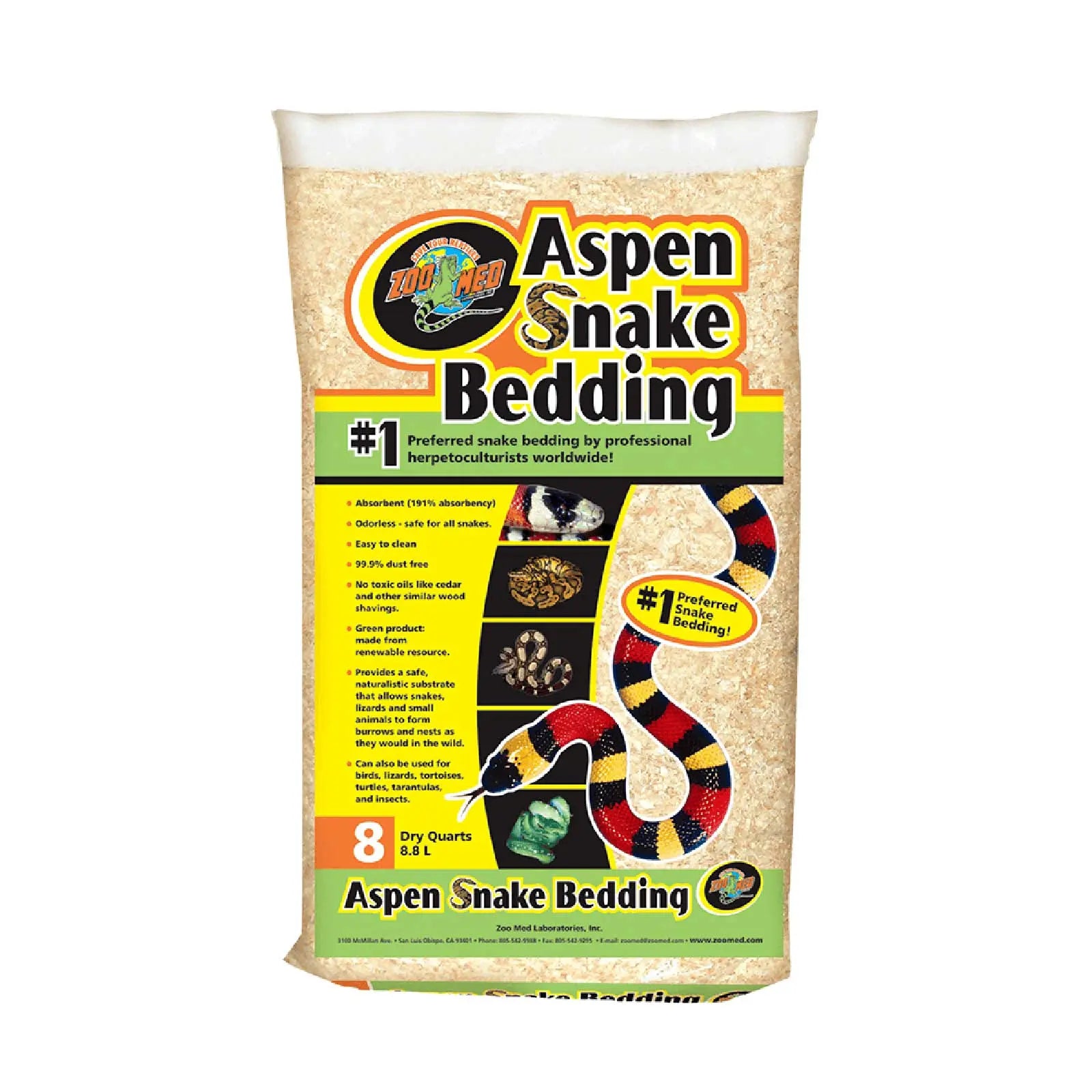
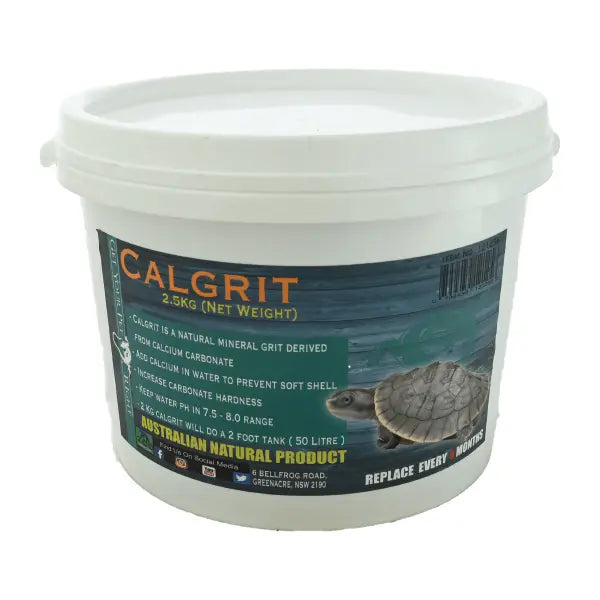
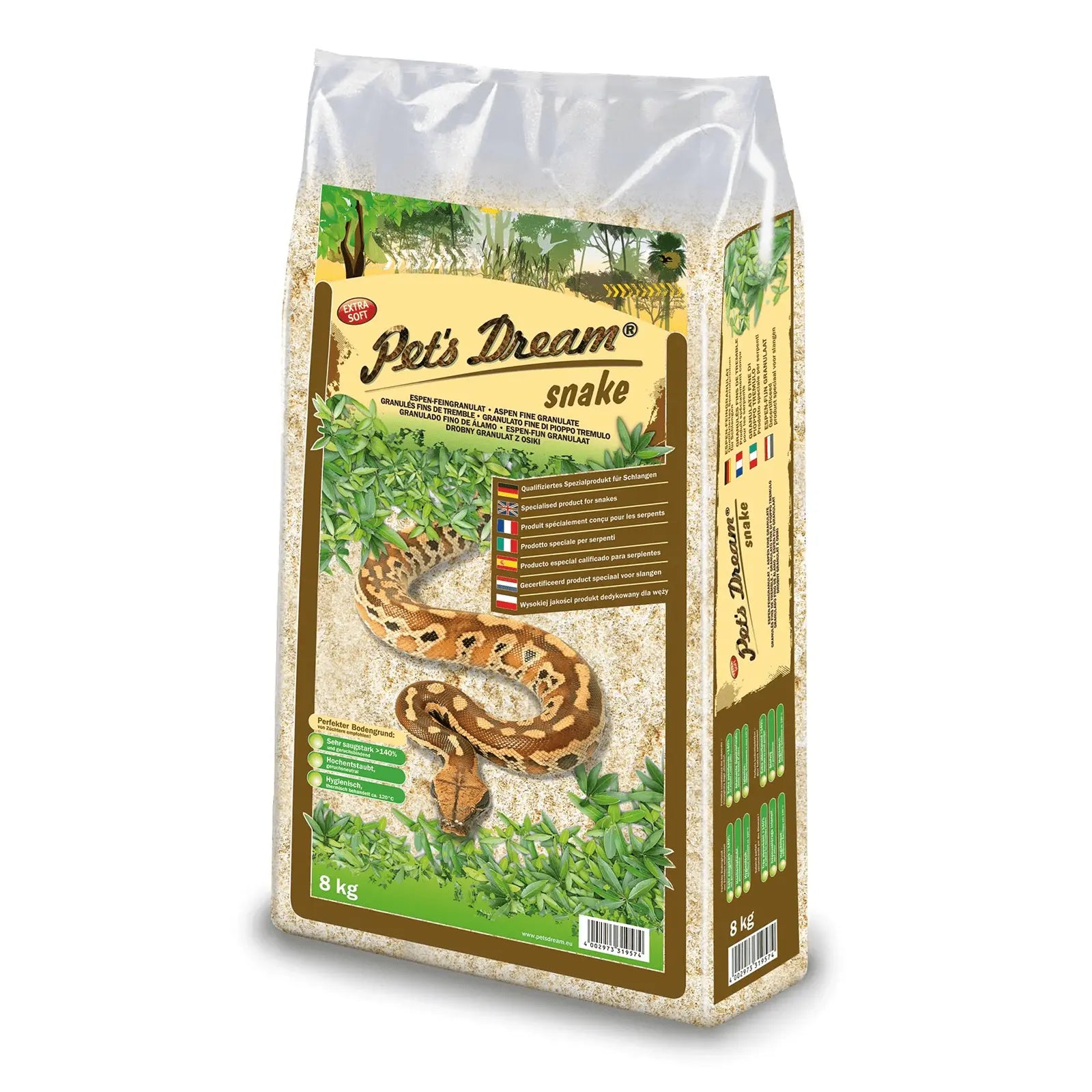
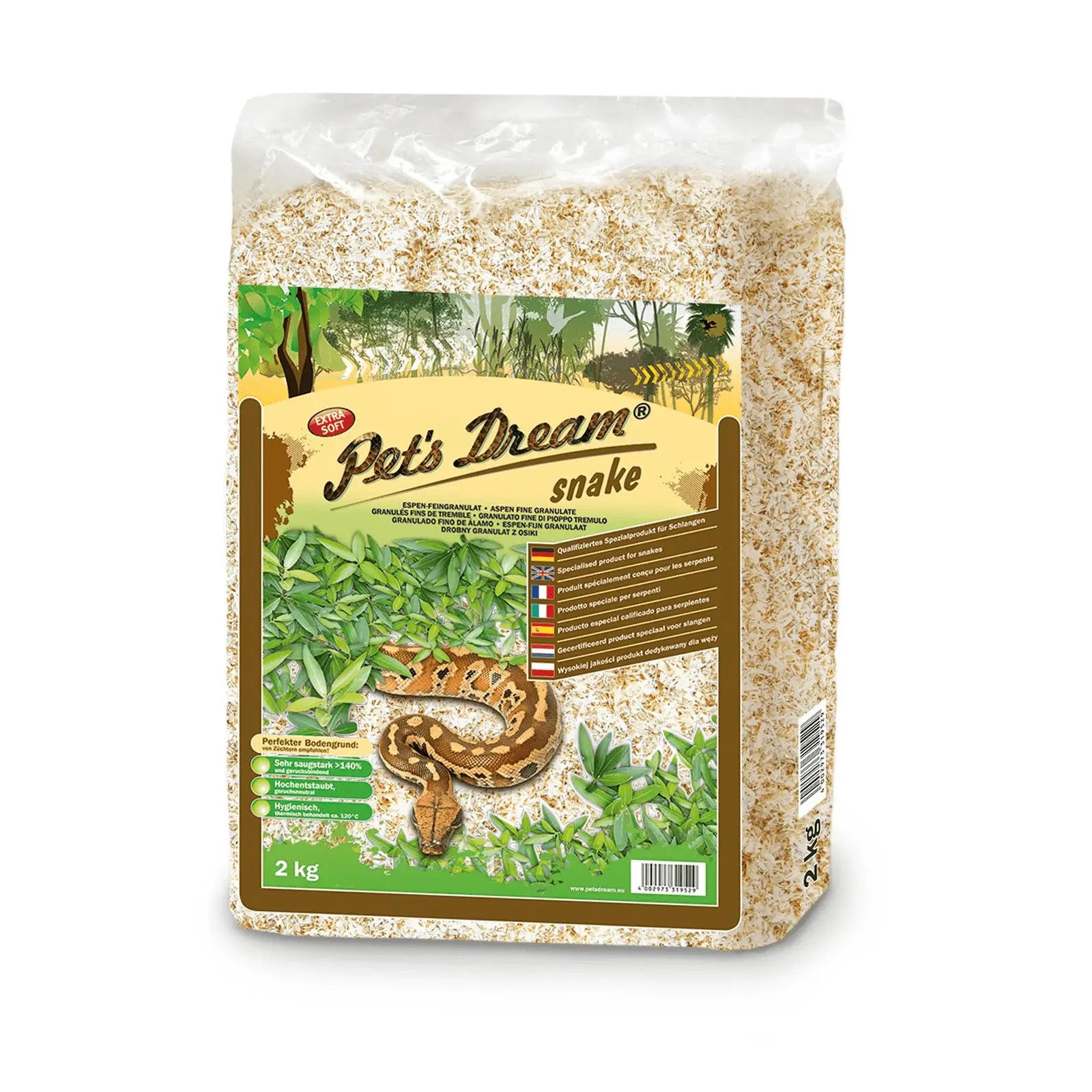




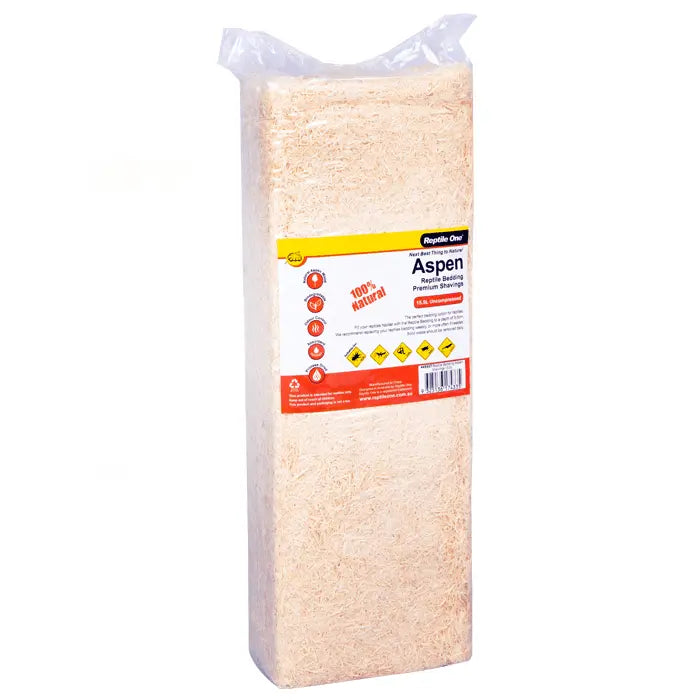
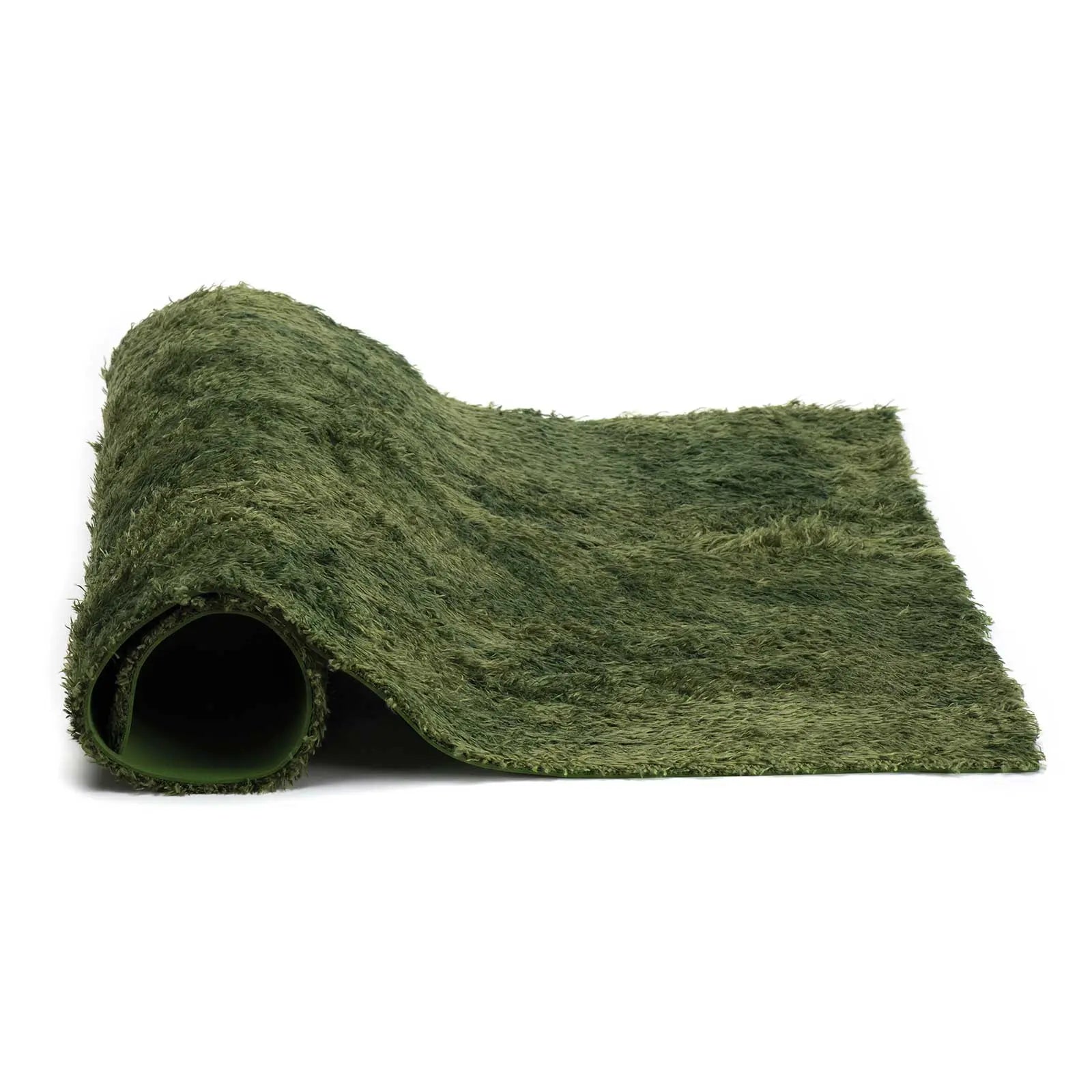
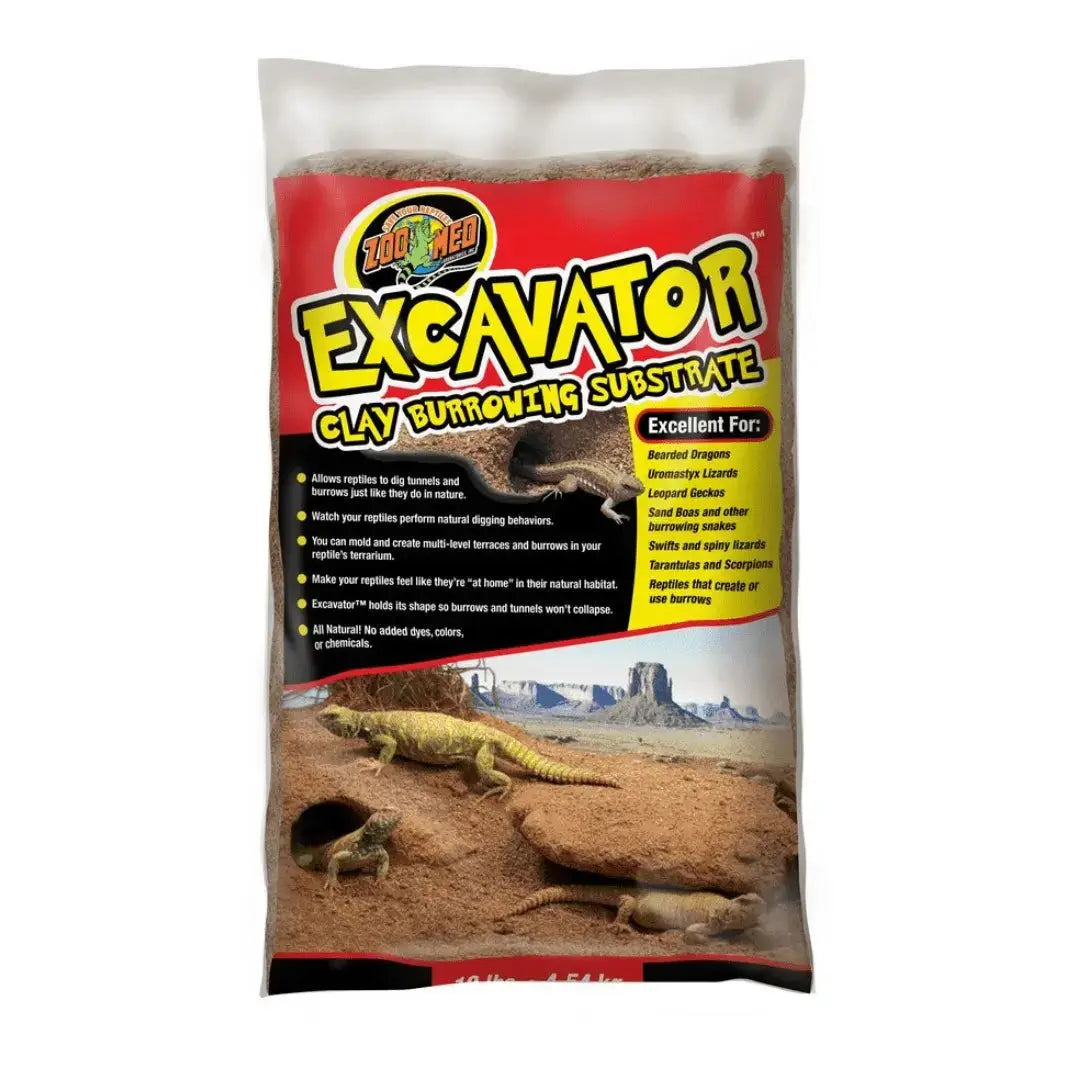

Reptile Substrate
Types of Reptile Substrate
There are many types of reptile substrate mixes to choose from, each with its own unique benefits and aesthetic appeal. The best substrates balance comfort, moisture control, and promote natural behaviour. Choose from:
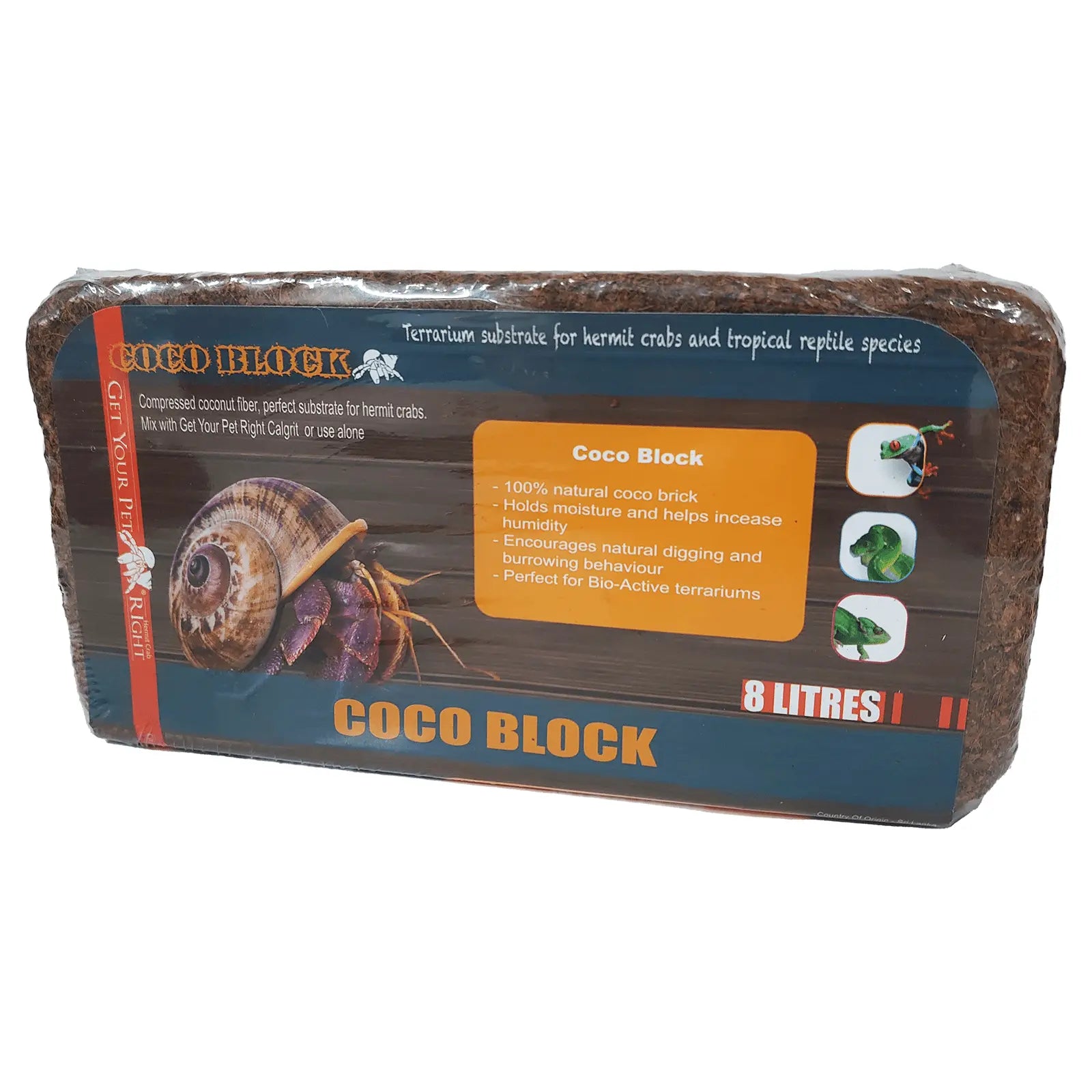
- Coco fibre & soil: For tropical species that thrive in humid environments.
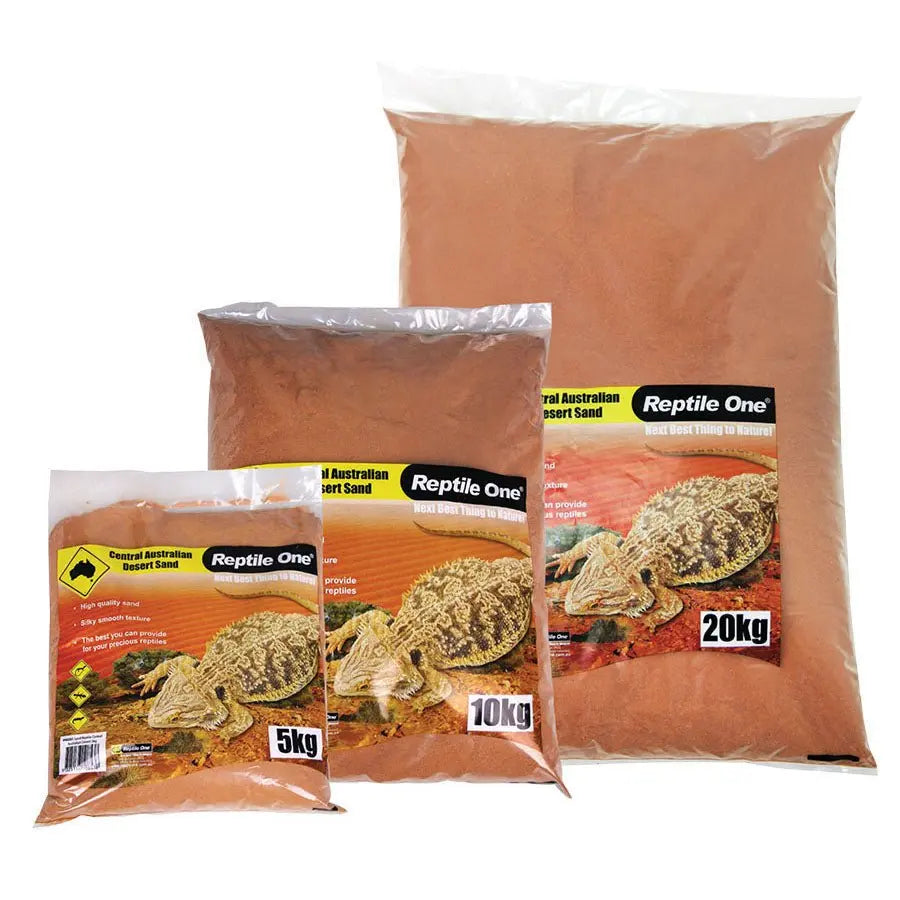
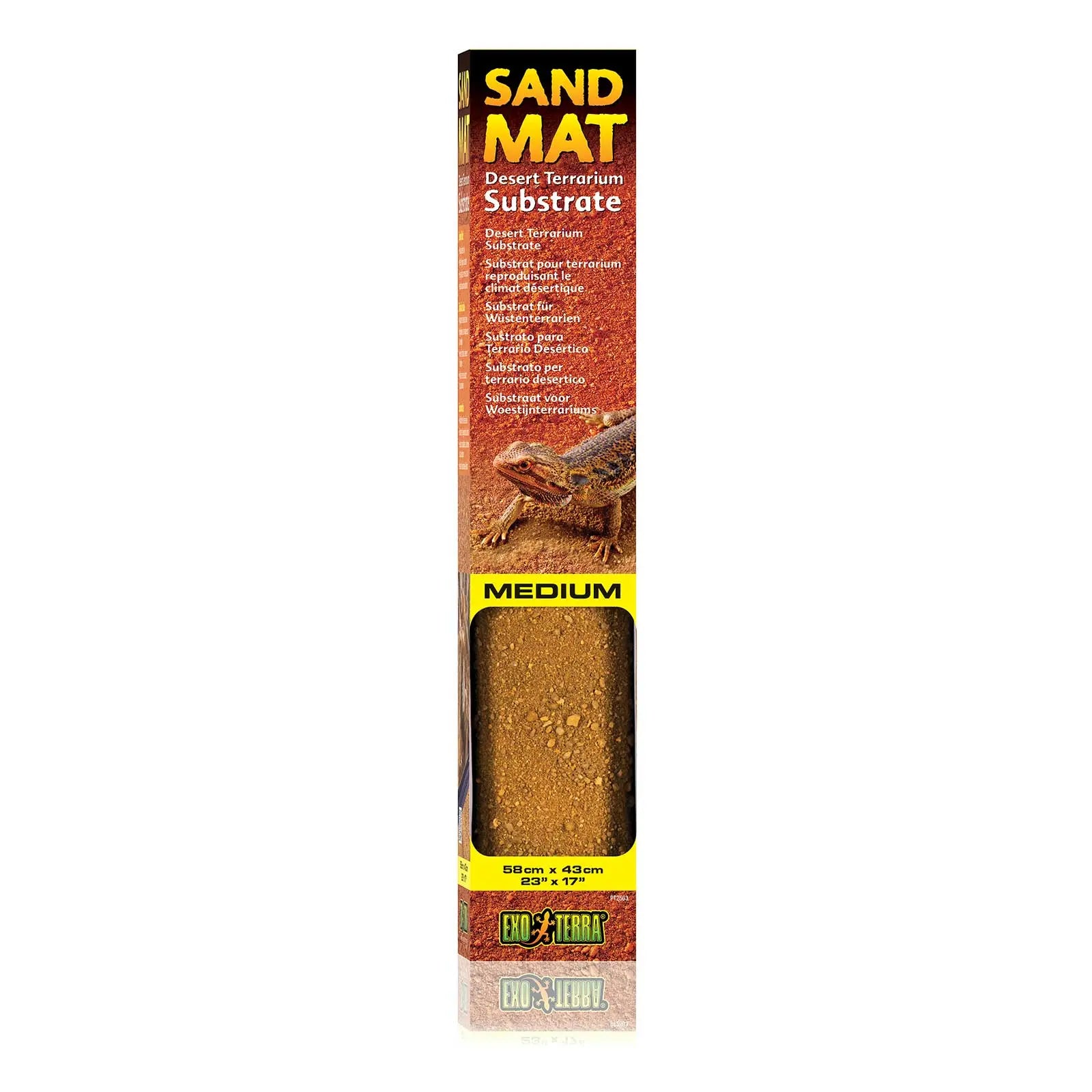
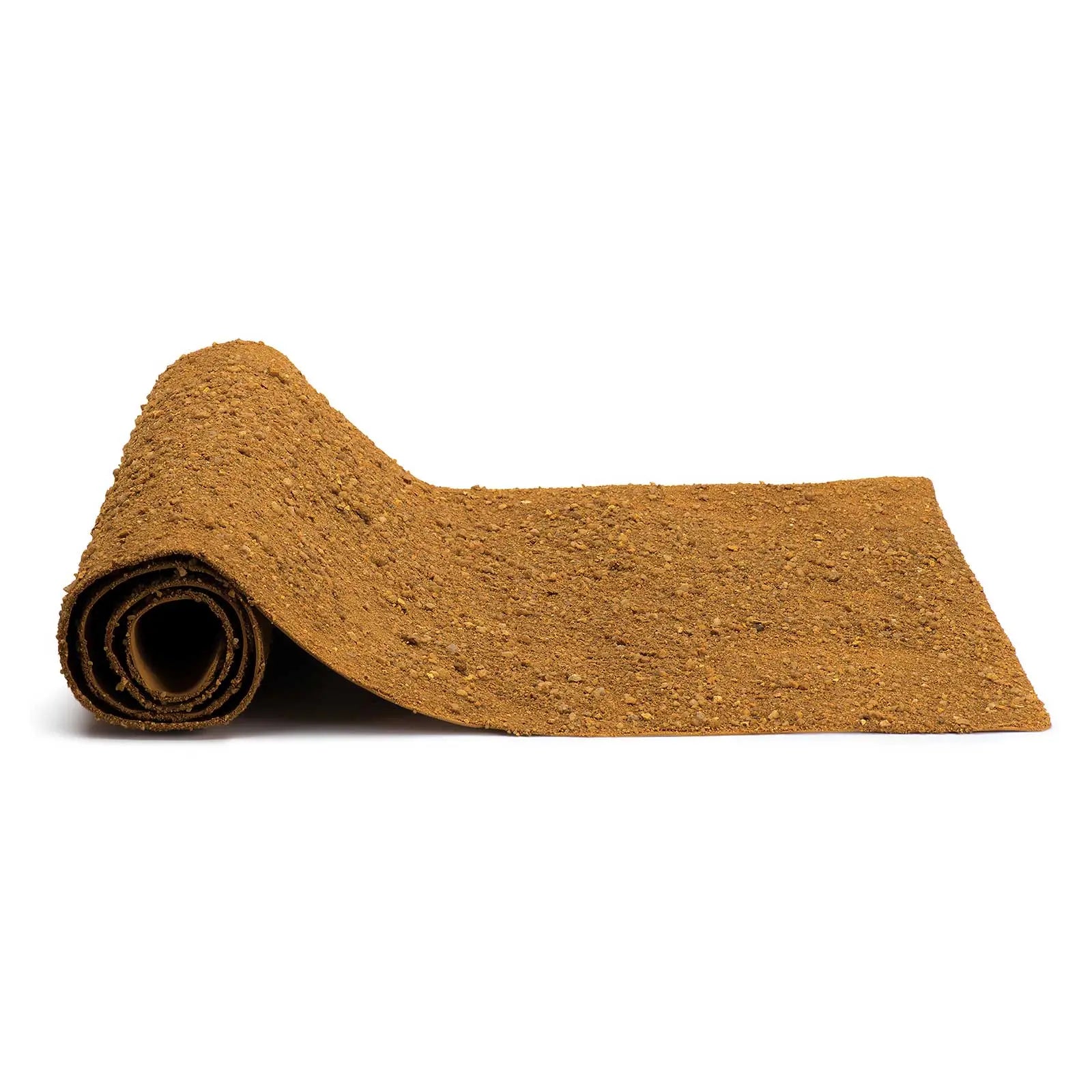
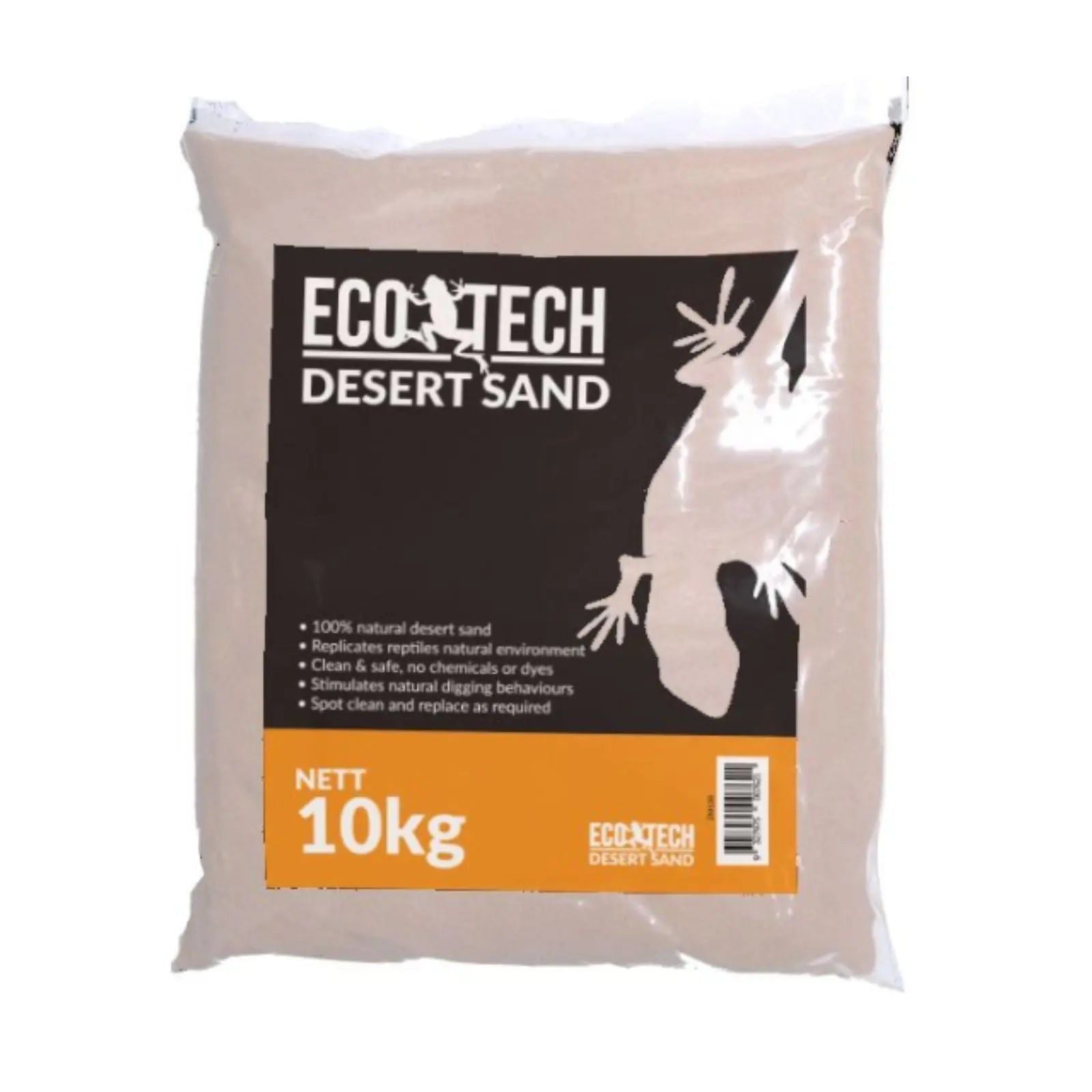
- Sand: For desert species that need a warm environment with heat retention.
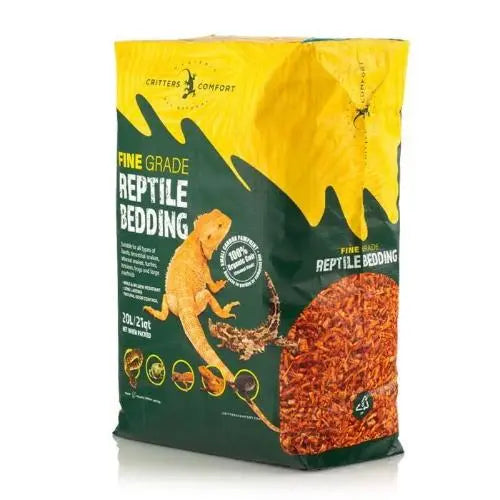
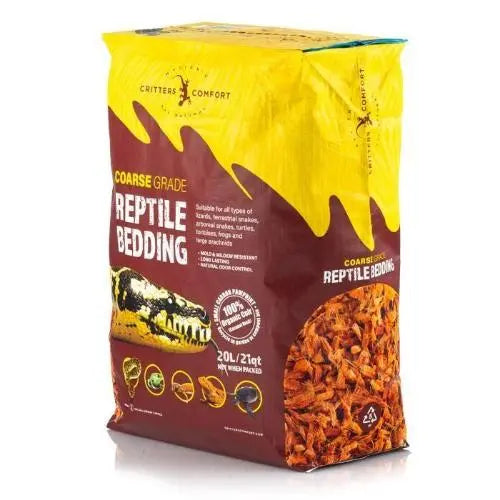
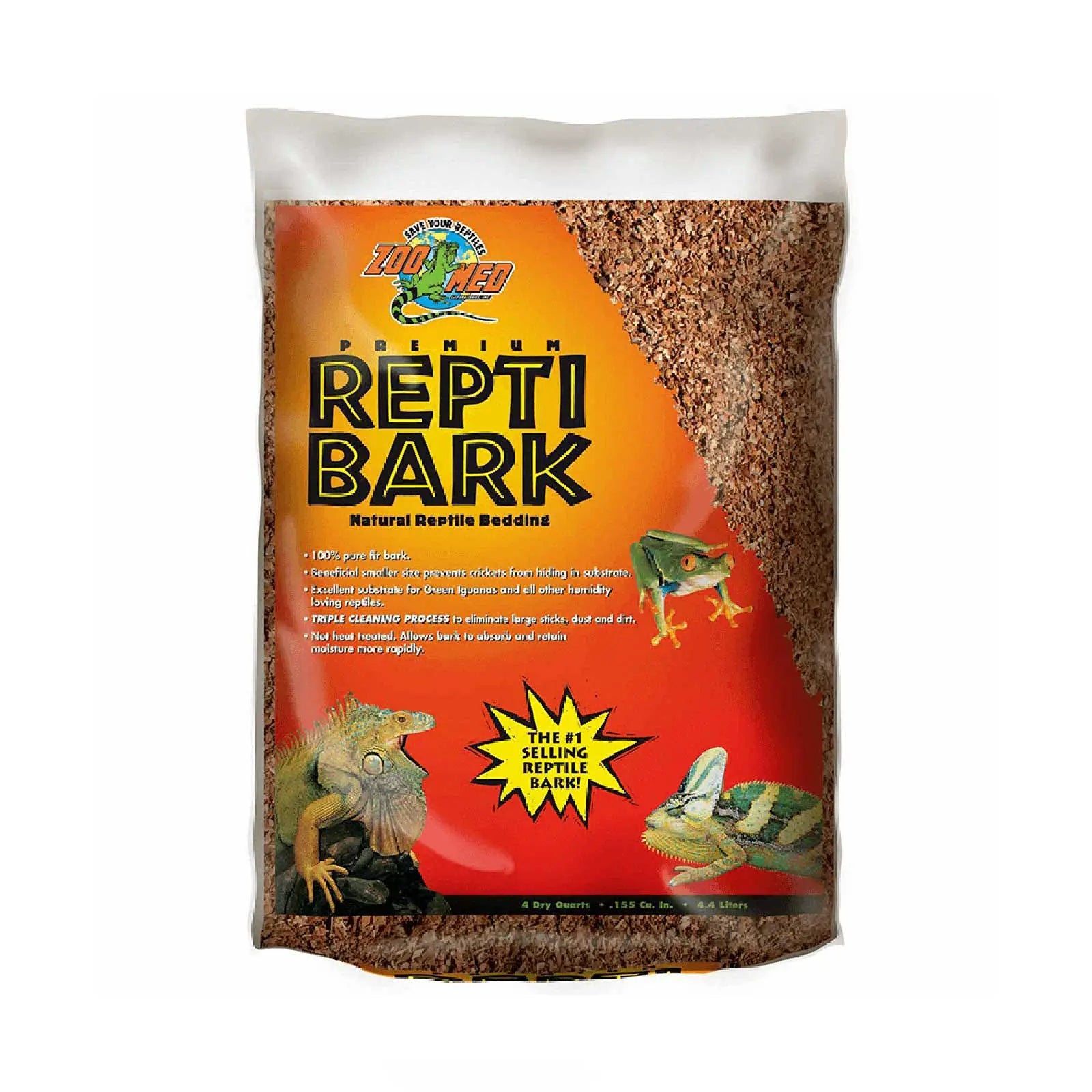
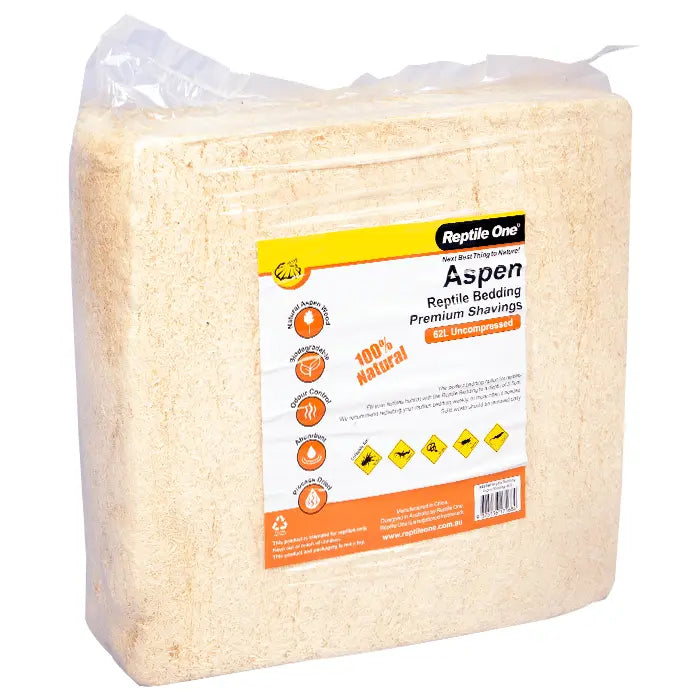
- Bark: For rainforest reptiles needing a soft and absorbent base that mimics the forest floor.
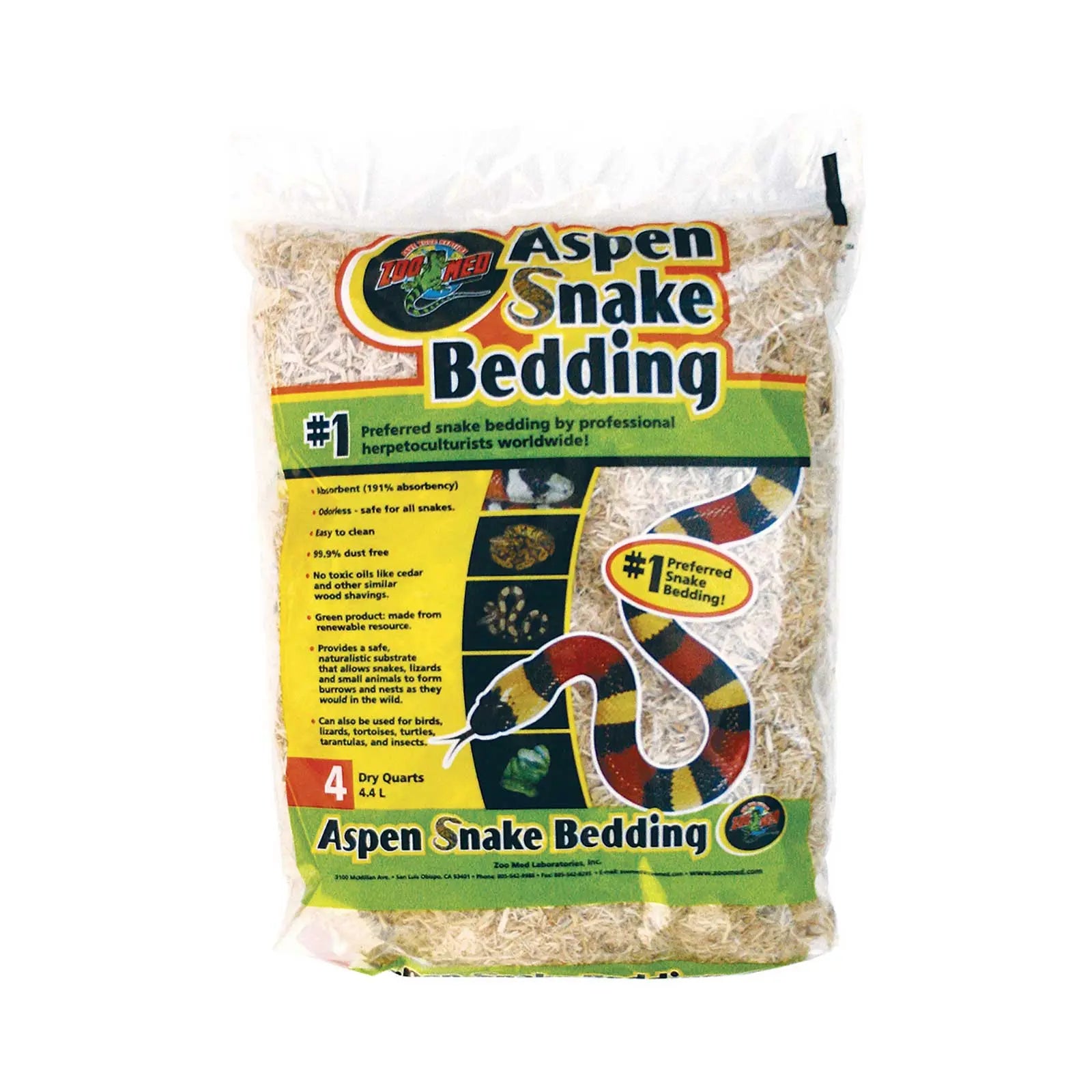
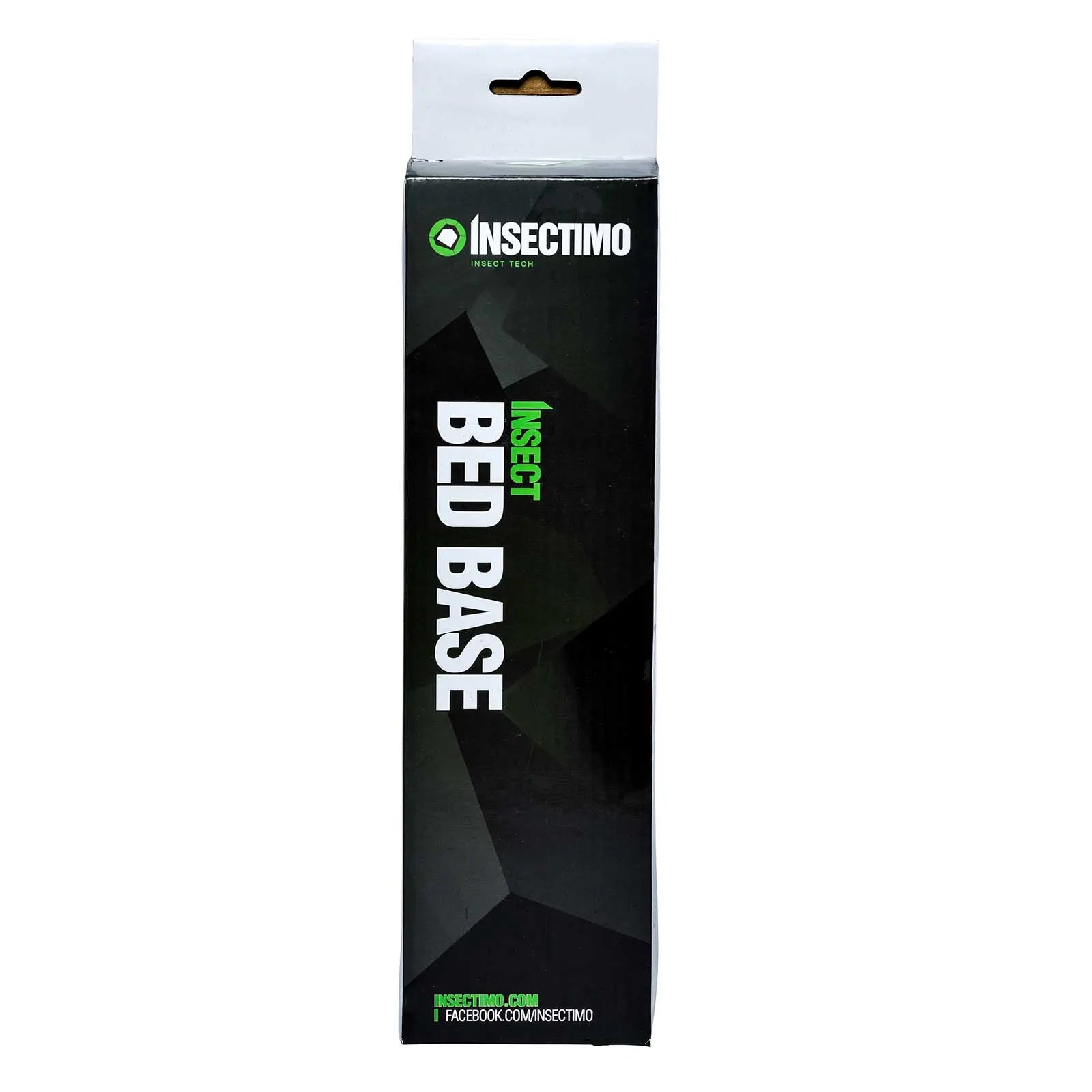
- Paper & pellet: For low-dust alternatives and reptiles that require a simple setup.
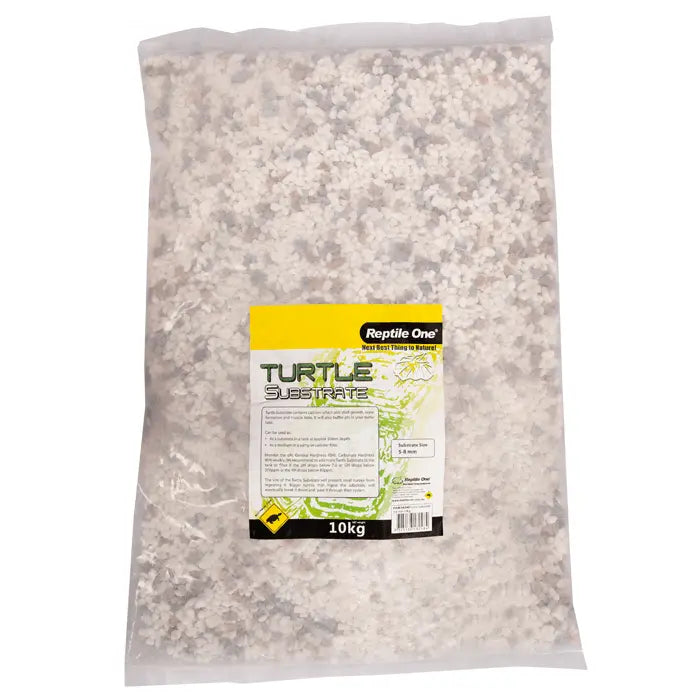
- Custom mixes: For simulating a natural ecosystem and reptiles that need a custom mix.
Explore the full range of accessories to complement your substrate.
Read more...
Benefits of Substrate for Reptiles
High-quality reptile substrate does more than improve aesthetics; it creates a comfortable and healthy enclosure. It does this in four key ways:
- Promotes natural behaviours: Replicating your reptile’s natural habitat simulates real-life conditions and encourages natural behaviours such as digging or nesting.
- Supports thermoregulation: Certain substrates warm up more efficiently and mimic natural conditions vital for stabilising body temperature.
- Comfort: Promotes relaxation and reduces the risk of injury or ingestion issues from poor-quality substrates.
-
Humidity control: The correct substrate can promote shedding, assist with ventilation and wellness for humidity-sensitive reptiles.
Cheap substrates can contain harmful nasties such as chemicals or unsafe particulates that can cause irritation, breathing problems and contribute to mold growth.
Find the perfect enclosure to pair with your new high-quality substrate.
Picking the Best Substrate for Reptiles
To find the right substrate for your reptile, there are a few important factors to consider:
-
Species need: Specific species need a certain substrate. For example, tropical reptiles require moisture retention, and desert reptiles need warm or sandy blends.
-
Safety: Avoid substrates that may cause accidental ingestion or injury, such as coarse sand.
-
Functionality: Every reptile behaves differently, which should inform the substrate you need. For example, burrowers need diggable mixes.
- Other factors: Heat retention, ease of cleaning, or visual appeal, also determine the perfect substrate for your reptile and enclosure.
When looking to buy reptile substrate, choose the “Species Suitability’ when filtering reptile substrate.
Trusted Brands For Your Reptile Friends
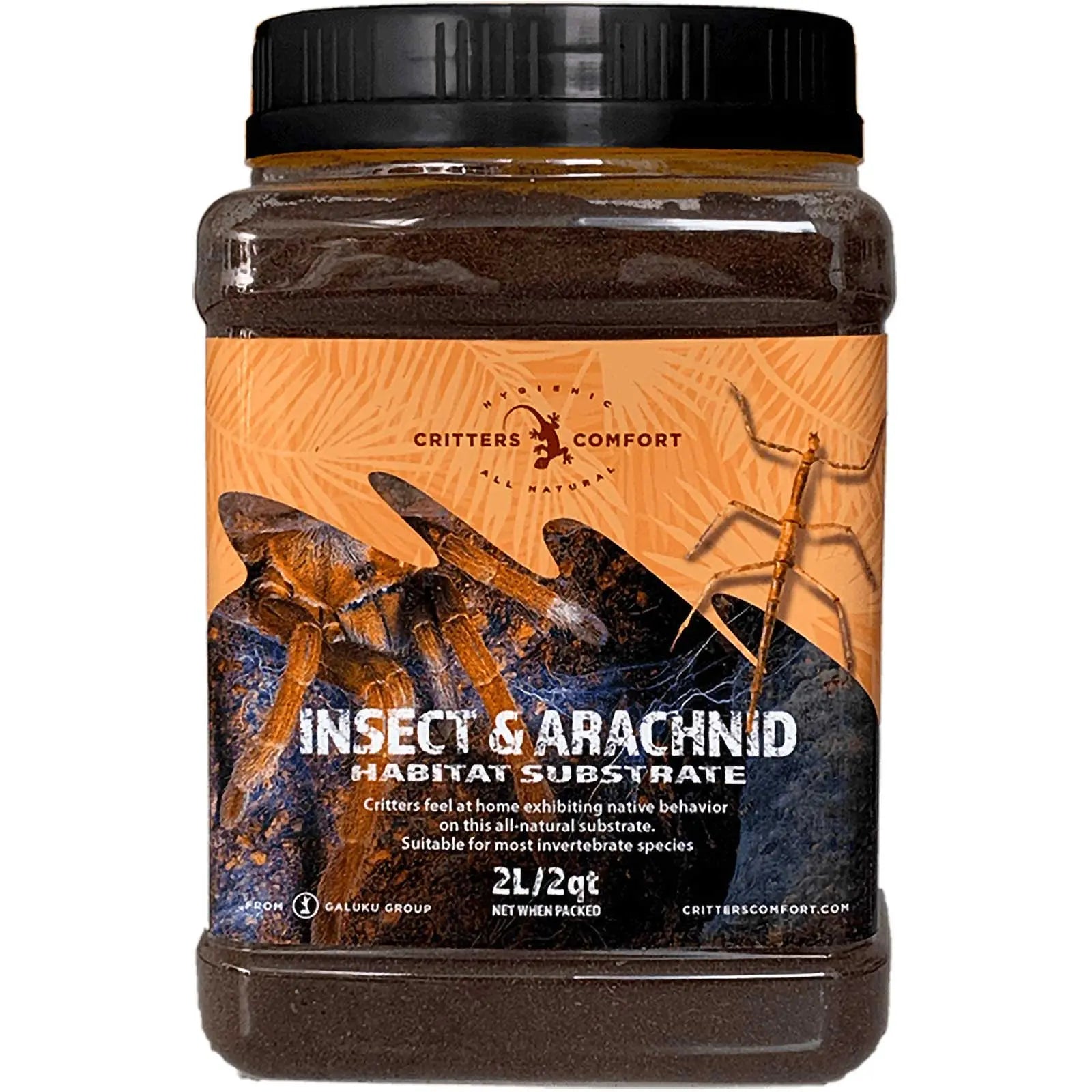
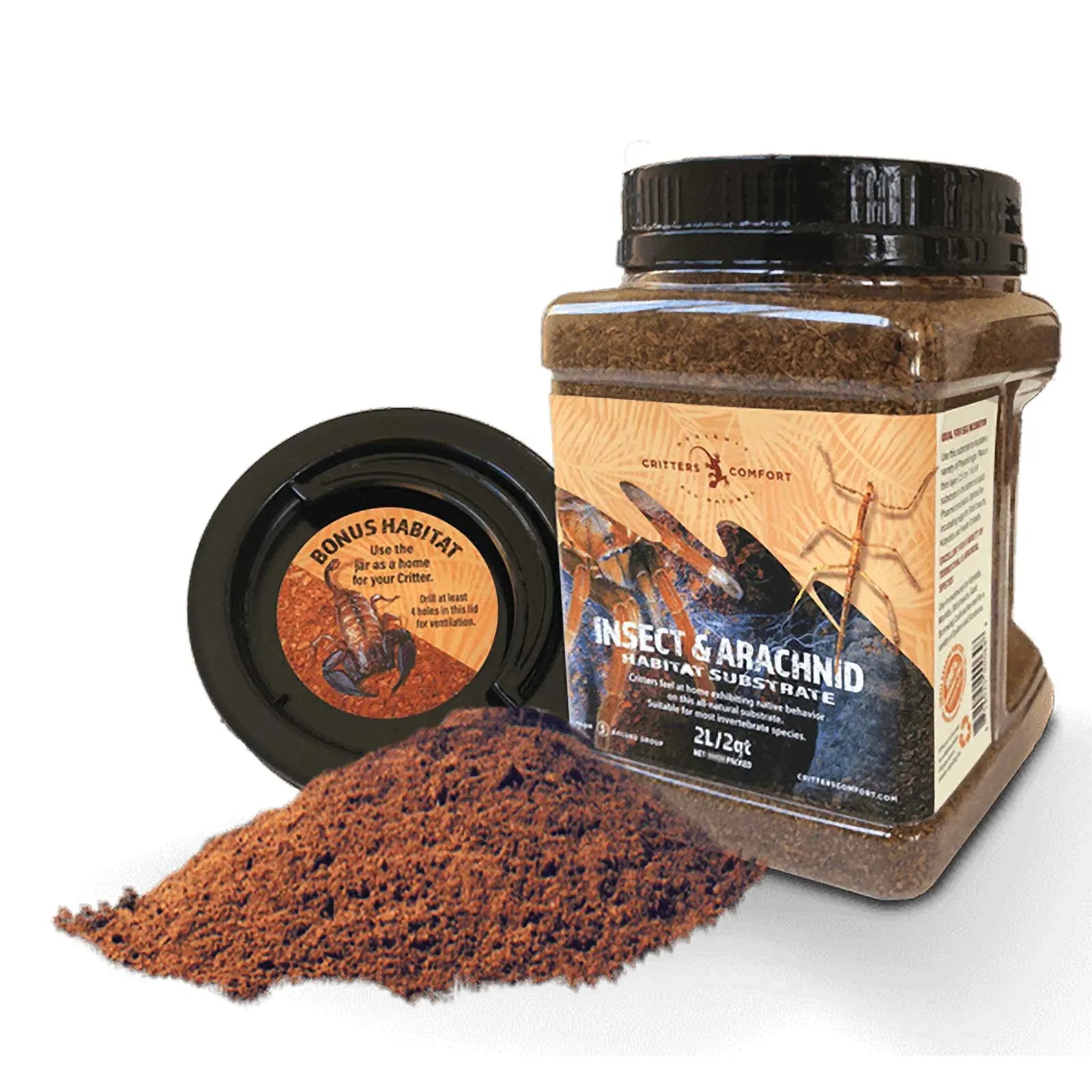
We stock reputable brands that prioritise safety, quality, rigorous testing and most importantly, animal welfare. Choose from our wide selection of reputable brands, such as Zoo Med, Exo Terra and Critters Comfort, with a track record that ensures your reptiles' substrate is clean, promotes long-term habitat safety and avoids all the nasties found in low-quality alternatives.
FAQs
How Often Do You Change Reptile Substrate?
A daily ‘spot-clean’ can extend the life of your substrate. Substrates should be fully replaced every 3 to 4 months, depending on species, humidity, and hygiene.
Why Do Reptiles Need Substrate?
Substrates support natural behaviours and create a comfortable space. It does this by supporting natural health requirements, such as promoting correct thermoregulation and humidity control that is necessary for optimal well-being.
What Substrate Holds Humidity Best?
Coco fibre soil blends and reptile bark are the best reptile substrate mixes for holding moisture and providing a humid environment.
How Many Times Can You Reuse Substrate?
Most substrates shouldn’t be reused more than once and should be replaced immediately if they become moulded, compacted or heavily soiled.

Available Courses
Teach your dog to stay, sit, drop, roll, sniff and more. Deepen the bond between you and your pooch.