A cloudy fish tank is one of the most common issues aquarium owners run into - especially if you’re new to the hobby. One day your tank looks crystal clear, the next it’s milky, green, or just a bit off. It can be frustrating, but the good news is that cloudy water is usually fixable once you understand what’s causing it.
Let’s break down the most likely reasons your aquarium has turned cloudy - and what you can do to get it back to clear, healthy water.
What Does “Cloudy Water” Actually Mean?
Not all cloudy tanks are the same. The colour and timing can tell you a lot:
- White or milky cloudiness → often linked to bacteria or substrate dust
- Green water → usually algae
- Slight haze → can be uneaten food, waste, or early imbalance
Figuring out which type you’re dealing with is the first step to fixing it properly.
1. New Tank Syndrome (Bacterial Bloom)
If you’ve recently set up your aquarium, this is the most likely cause.
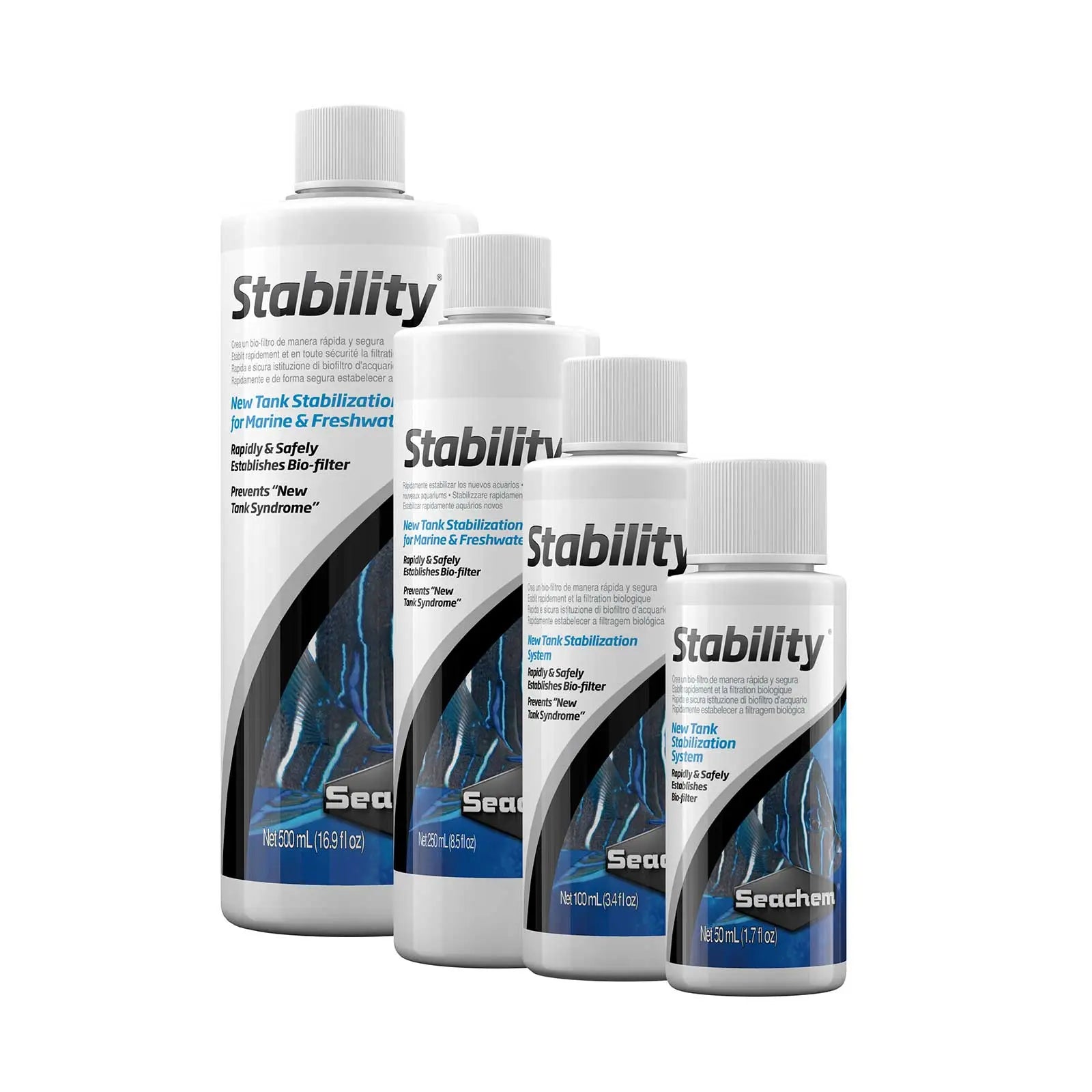
When a tank is new, beneficial bacteria haven’t fully established yet. These bacteria are essential for breaking down fish waste and keeping the water safe. During this process, you might notice a milky or foggy appearance - this is called a bacterial bloom.
What to do:
- Be patient - this usually clears on its own within a few days to a couple of weeks
- Avoid overfeeding
- Don’t do massive water changes (small ones are fine)
- Make sure your filter is running properly
This stage is completely normal and part of the aquarium cycling process.
2. Overfeeding Your Fish
It’s easy to overdo it - fish always seem hungry. But excess food that isn’t eaten quickly breaks down and clouds the water.
Signs this might be the issue:
- Food sitting on the substrate
- Slight cloudy or hazy water
- Rising ammonia levels
What to do:
- Feed only what your fish can eat in 30–60 seconds
- Remove uneaten food with a net
- Consider feeding smaller amounts more consistently
3. Poor Filtration or Maintenance
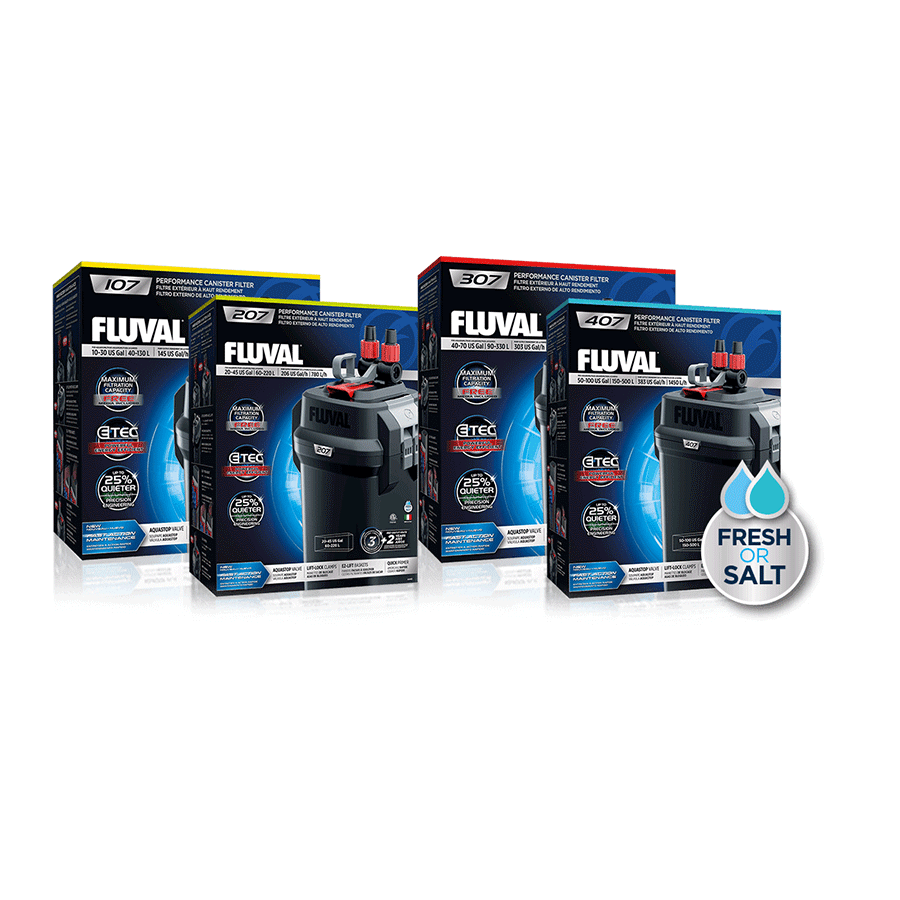
Your filter does the heavy lifting in keeping water clean. If it’s not working efficiently, waste builds up and water clarity drops.
Common causes:
- Dirty or clogged filter media
- Filter too small for the tank
- Infrequent water changes
What to do:
- Rinse filter media in tank water (not tap water) to preserve good bacteria
- Check your filter is appropriate for your tank size
- Perform regular partial water changes (around 10–25% weekly)
4. Substrate or Decoration Dust
If you’ve just set up your tank or added new gravel, sand, or decorations, cloudiness might simply be fine particles suspended in the water.
What to do:
- Rinse substrate thoroughly before adding it to the tank
- Let the filter run - this usually clears within 24–48 hours
- Use filter floss or fine mechanical media to trap particles
5. Algae Bloom (Green Water)
If your tank water has a green tint, algae is the culprit. This is especially common in Australian homes where tanks may get a bit too much sunlight.
Causes include:
- Excess light (natural or artificial)
- High nutrients (from waste or overfeeding)
What to do:
- Reduce lighting to 6–8 hours per day
- Keep the tank out of direct sunlight
- Perform regular water changes
- Consider adding live plants to compete with algae
6. Overstocking Your Tank
Too many fish in a tank means more waste than your system can handle. This can quickly lead to cloudy water and poor water quality.
What to do:
- Check stocking levels for your tank size
- Upgrade filtration if needed
- Avoid adding too many fish at once
When Should You Be Concerned?
Cloudy water isn’t always dangerous—but it can become a problem if left untreated.
Keep an eye out for:
- Fish gasping at the surface
- Unusual behaviour or lethargy
- Strong odours from the tank
If you notice these signs, test your water parameters (ammonia, nitrite, nitrate) and act quickly.
Tips to Keep Your Tank Crystal Clear
Once your tank is back on track, a few simple habits can keep it that way:
- Stick to a regular cleaning routine
- Avoid overfeeding
- Maintain your filter properly
- Test your water occasionally
- Introduce fish gradually
Final Thoughts
Cloudy aquarium water can look alarming, but it’s usually your tank telling you something is out of balance. Whether it’s a new setup, too much food, or a maintenance issue, the solution is often straightforward once you identify the cause.
If you’re ever unsure, pop into Kellyville Pets and have a chat with the team - we’re always happy to help you troubleshoot and keep your aquarium looking its best.