


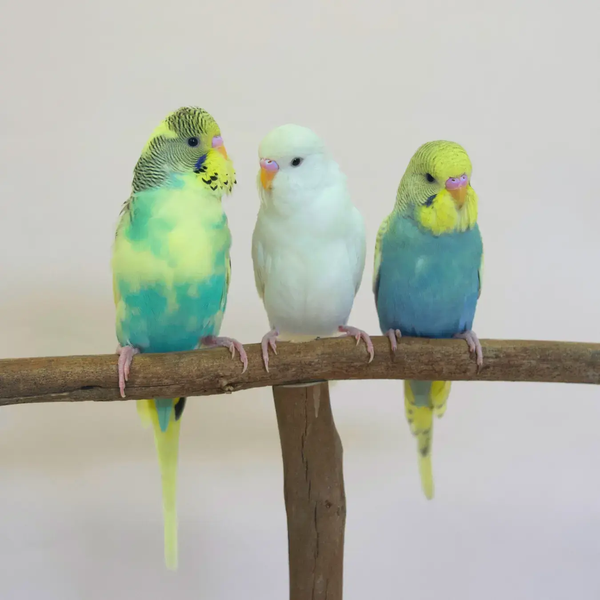
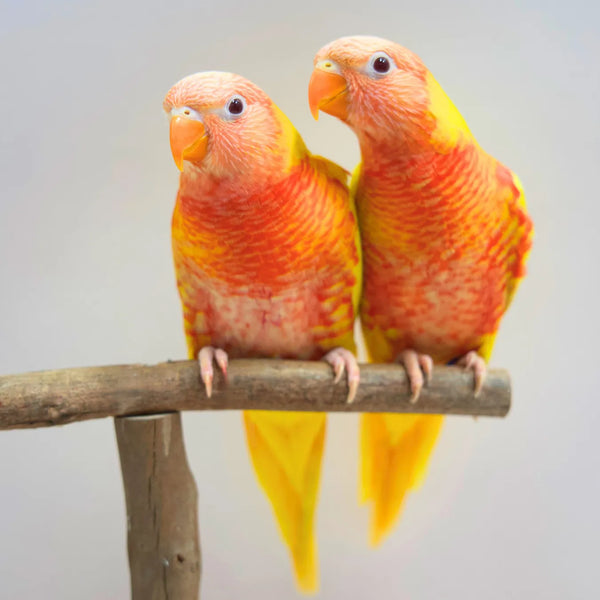
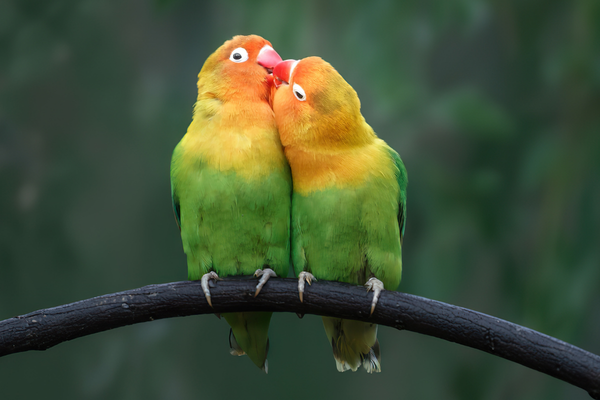
The name 'lovebird' is directly inspired by the pair bond — bonded lovebirds spend many hours each day in physical contact with their partner, mutual preening and sitting pressed together, and show measurable signs of stress when separated for even short periods.
Lovebirds
Agapornis species

10-15 years

14-17cm; 43-63g

Low to Medium


Where they come from
Natural History & Origin


Get it right early
Tips for First-Time Owners
- 1 Decide early whether you want a single interactive pet or a breeding pair — the two approaches are quite different experiences, and converting a hand-raised single into a breeding bird by adding a partner usually results in losing the tame relationship.
- 2 An iodine bell should always be available — lovebirds are susceptible to iodine deficiency and the resulting goitre, which is easily prevented.
- 3 Lovebirds will chew everything they can reach — ensure cage materials, toys and any accessible household items are bird-safe, and provide regular chew materials to redirect this natural behaviour constructively.
- 4 A sleeping hut or woven nest in the cage is appreciated and may reduce stress, particularly at night. However, it may trigger hormonal behaviour such as egg-laying, aggression or overbonding.
- 5 No keeper licence is required in Australia for lovebirds — they are exotic (non-native) birds. Source from reputable, licensed captive breeders.
Setting up the habitat
Enclosure & Husbandry
What to feed
Dietary Management
Day-to-day interaction
Handling & Socialisation
Find your next best friend
Browse all Handraised Birds →
Our Available Handraised Birds
Did you know
Fun Facts
Lovebirds are the only parrot species known to carry nesting material by tucking it under their rump feathers — strips of palm frond, bark or grass are tucked into the dense body feathers and carried to the nest site, a unique transport behaviour unrelated to the physical method used by all other nest-building birds.
Australian captive breeding of lovebirds has produced several colour mutations that are rarely or not available in overseas markets — the 'Australian Cinnamon' and various locally developed combination mutations are internationally recognised contributions from Australian aviculturalists.
Keep them stimulated
Enrichment
What to watch for
Common Health Issues
Everything you need
Essentials Shopping List
Setup checklist
- Medium cage or aviary — minimum 60 x 40 x 60cm for a pair; 1.8m L x 0.9m W x 1.8m H aviary recommended for colony or breeding setup; Bar spacing 1–1.5 cm
- Multiple natural timber perches of varying diameter
- Sleeping hut or woven nest (comfort item)
- Stainless steel food and water dishes (minimum two sets)
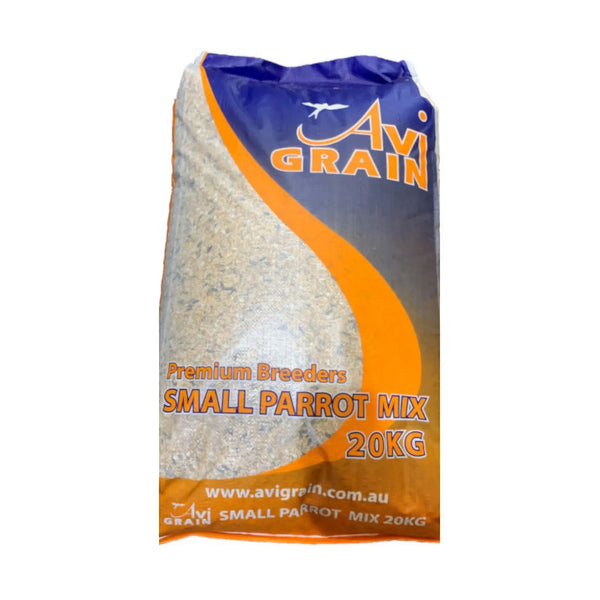
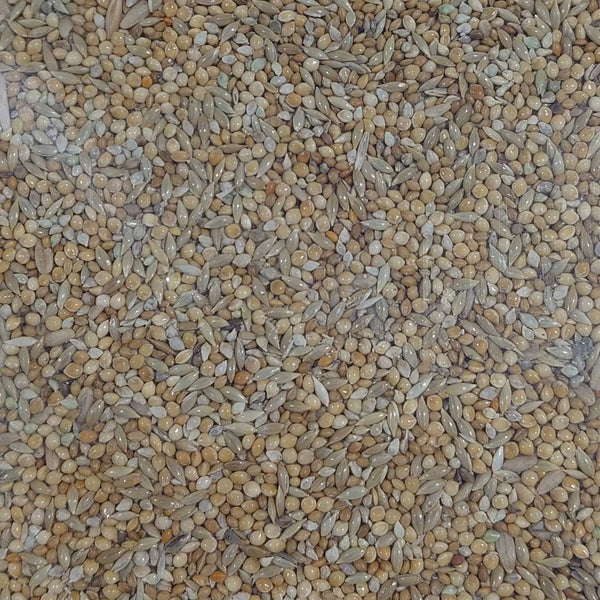
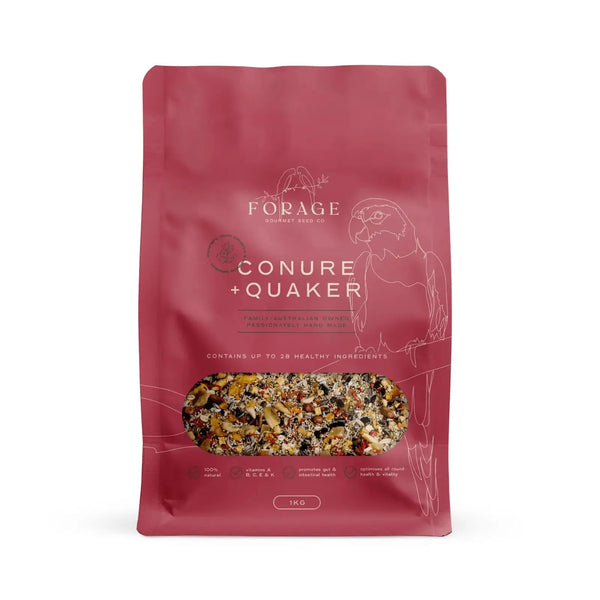
- Quality peachface/lovebird seed mix
- Small parrot crumble or pellet supplement
- Bird grit (small amounts)
- Cuttlebone and iodine bell (essential)
- Vitamin supplement
- Broad-spectrum bird wormer (quarterly)
- Varied fresh fruit and vegetables (daily)
- Minimum six rotating toys: chew toys, foraging toys, foot toys, swings, bells
- Paper strips, palm frond, soft bark (nesting material)
- Shallow bathing dish or fine-mist spray bottle
- Breathable cage cover
- Avian-safe cage disinfectant
- Annual avian vet check (recommended)
FAQ
Commonly Asked Questions
-
Can I keep a single lovebird, or do they need a companion?
-
Will two lovebirds of different species breed?
-
My lovebird shreds paper and tucks it in its feathers — is this normal?
-
Are lovebirds noisy?
-
Do I need a licence to keep lovebirds in Australia?
Need help?