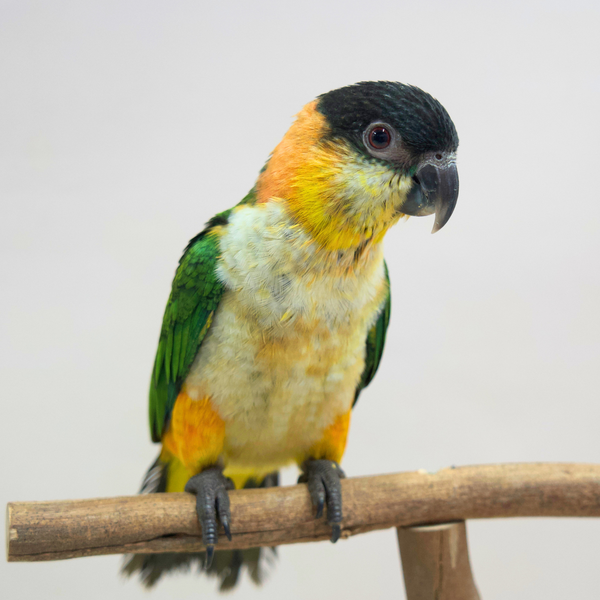
Care Guide6 min read

Lovebirds

Agapornis species

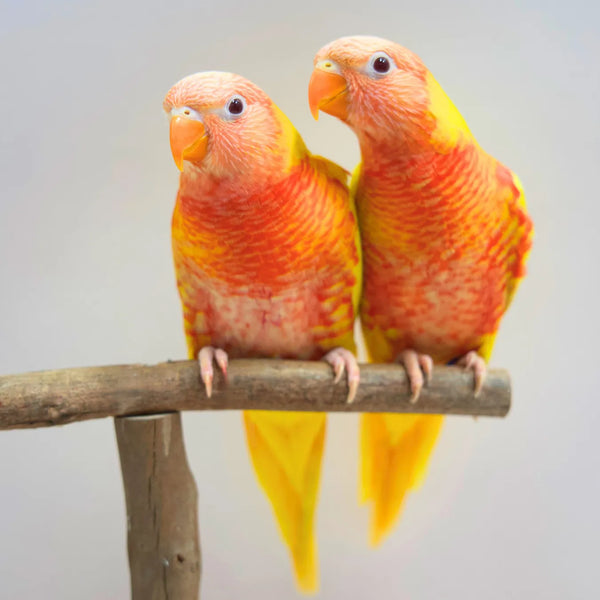
Peachface (Agapornis roseicollis): Rosey-faced Lovebird · Peachface Parrot
Masked Lovebird (Agapornis personaus): Yellow-collared Lovebird
Fischer's Lovebird (Agapornis fischeri)
Black-cheeked Lovebird (Agapornis nigrigenis)

Lovebird Care Guide
Lifespan
10-15 years
Adult Size
14-17cm; 43-63g
Care Level
Low to Medium
Diet

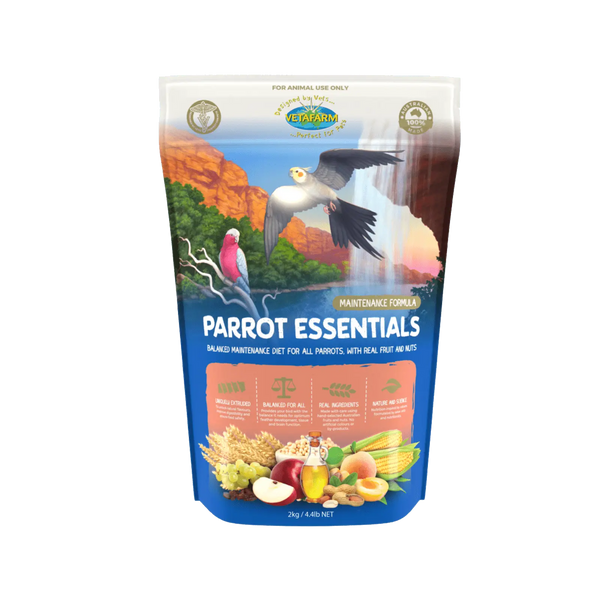
Quality peachface/lovebird seed mix as the dietary foundation, with pellet supplement, daily fresh fruit, vegetables and limited sunflower seed

Enclosure

Medium wire cage or aviary (minimum 60cm W x 40cm D x 60cm H for a pair), with multiple perches, a variety of toys and bathing access

Temperament

Energetic, curious and characterful. Lovebirds have strong personalities for their size and can be feisty, territorial and assertive

Where they come from

Natural History & Origin

The Rosy-faced Lovebird (Agapornis roseicollis) is native to the arid and semi-arid regions of southwestern Africa — primarily Namibia, southwestern Angola and the northwestern corner of South Africa — where it inhabits dry savanna, mountain scrub, rocky river gorges and farmland near water sources. They are gregarious birds that live in small flocks of 5–20 birds, roosting communally in cliff faces and tree hollows.

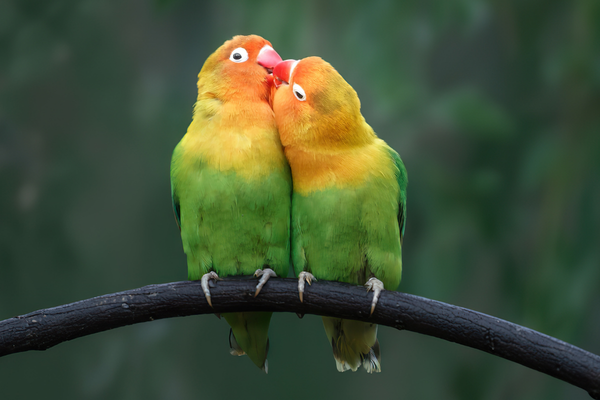
The name 'lovebird' is derived from the characteristic behaviour of bonded pairs — they spend long periods in close physical contact, mutually preening and sitting pressed together, and show signs of genuine distress when separated from their partner. This strong pair bonding is one of their most appealing characteristics and has made them popular as a companion bird kept in pairs.

Lovebirds are exotic (non-native) birds in Australia and no keeper licence is required. They are widely available from specialist breeders and are kept in large numbers in Australian aviculture. As a group, Agapornis parrots are among the most popular and extensively bred small parrots in the world.

Get it right early

Tips for First-Time Owners

  1. 1 Decide early whether you want a single interactive pet or a breeding pair — the two approaches are quite different experiences, and converting a hand-raised single into a breeding bird by adding a partner usually results in losing the tame relationship.
  2. 2 An iodine bell should always be available — lovebirds are susceptible to iodine deficiency and the resulting goitre, which is easily prevented.
  3. 3 Lovebirds will chew everything they can reach — ensure cage materials, toys and any accessible household items are bird-safe, and provide regular chew materials to redirect this natural behaviour constructively.
  4. 4 A sleeping hut or woven nest in the cage is appreciated and may reduce stress, particularly at night. However, it may trigger hormonal behaviour such as egg-laying, aggression or overbonding.
  5. 5 No keeper licence is required in Australia for lovebirds — they are exotic (non-native) birds. Source from reputable, licensed captive breeders.
Setting up the habitat

Enclosure & Husbandry

Lovebirds are active, acrobatic birds that use every part of their cage and require enough space for genuine movement and play. A minimum cage size for a pair is 60cm W x 40cm D x 60cm H, with bar spacing of approximately 1–1.5 cm. Lovebirds are enthusiastic chewers and the cage should be constructed of appropriately robust material — they will work on any surface they can reach with their beaks.

For pairs or small groups, an aviary of at least 1.8m L x 0.9m W x 1.8m H is ideal and allows the flight exercise and natural territory that supports both health and breeding behaviour. Lovebirds should not be housed with larger, more dominant species. They can be territorial around their own cage and aggressive toward other small species.

Provide multiple perches of varying diameter and material — natural timber perches from native species are excellent for beak exercise. Include a play top or gym for hand-raised birds. Lovebirds enjoy enclosed sleeping spaces and a small woven nest or sleeping hut in the cage is appreciated. Provide a shallow bathing dish several times a week — lovebirds bathe enthusiastically and this is important for feather condition. Cover at night with a breathable cover.

What to feed

Dietary Management

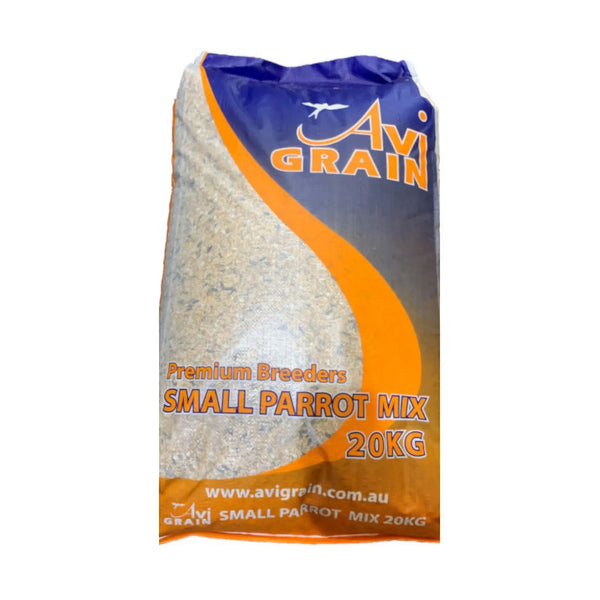
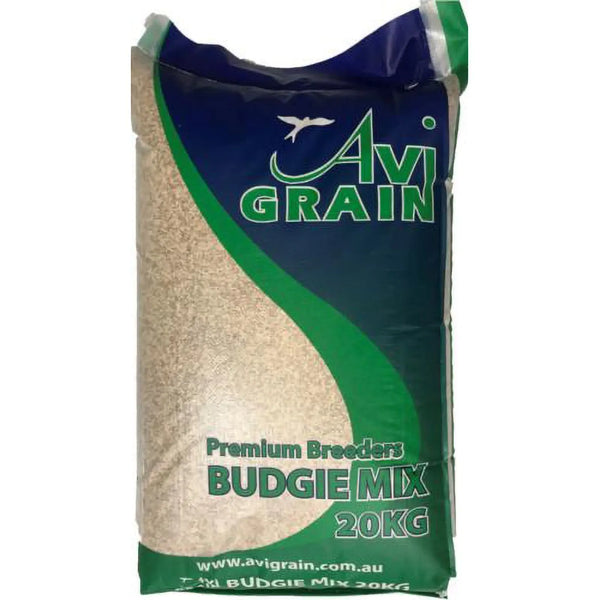
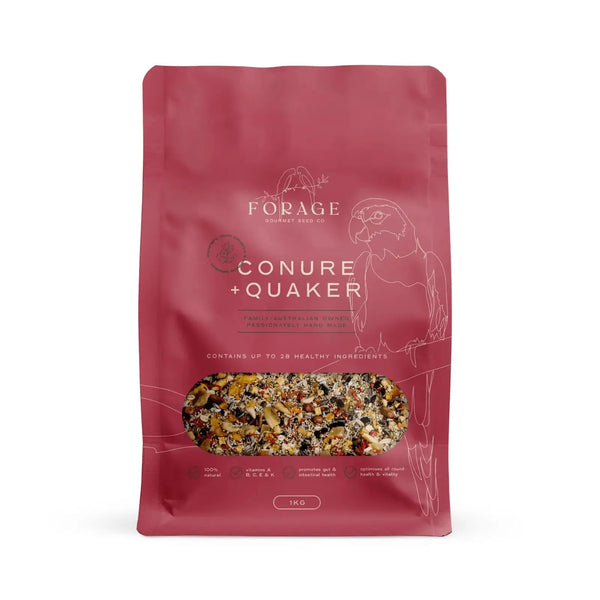
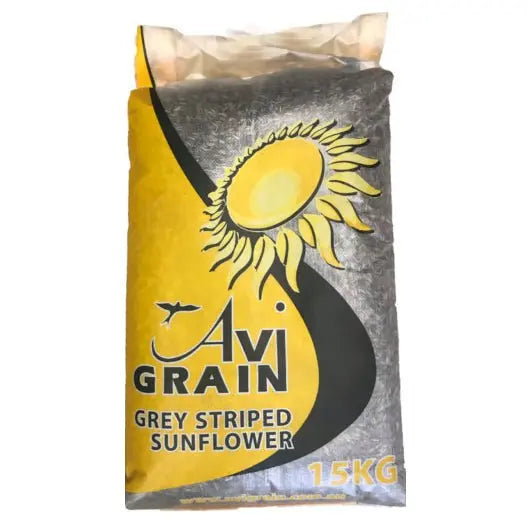
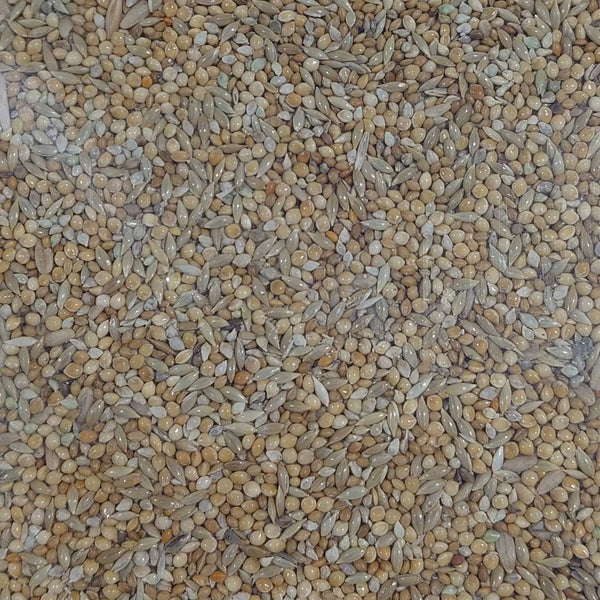
Lovebirds should be fed a quality peachface or small parrot seed mix containing a variety of seeds such as French white millet, plain canary, hulled oats, pannicum, Japanese millet, safflower and a limited amount of sunflower. A good quality small parrot crumble or pellet supplement provides the vitamins and minerals that seed alone cannot supply.

Supplement daily with fresh fruit and vegetables including apple (seeds removed), pear, mango, capsicum, corn, peas, broccoli, carrot and leafy greens. Never feed avocado, apple seeds, chocolate, caffeine, onion, garlic or processed human foods. Remove fresh food within two to three hours.

Bird grit in small amounts assists digestion. Cuttlebone and iodine bells should always be available for calcium and iodine. Vitamin supplements such as a quality bird vitamin supplement can be added to water two to three times per week. Fresh water must be changed daily. Worming every three months with a broad-spectrum bird wormer.

Day-to-day interaction

Handling & Socialisation

Single hand-raised lovebirds can be genuinely affectionate and enjoy interaction with their owner. They can be tamed to step up and enjoy handling with consistent daily interaction from a young age. Use positive reinforcement with small food rewards — millet spray is effective. Handle daily to maintain tameness. Be aware that lovebirds can be nippy, particularly during hormonal periods — their beak is small but forceful for their size.

Pairs bond intensely with each other and are better appreciated in a more hands-off, observational relationship. Introducing a companion to an existing tame bird will generally reduce the bird's interest in human interaction — this is a normal and expected outcome. Never house lovebirds with significantly smaller birds or with larger parrots that may injure them.

Did you know

Fun Facts

The name 'lovebird' is directly inspired by the pair bond — bonded lovebirds spend many hours each day in physical contact with their partner, mutual preening and sitting pressed together, and show measurable signs of stress when separated for even short periods.

Lovebirds are the only parrot species known to carry nesting material by tucking it under their rump feathers — strips of palm frond, bark or grass are tucked into the dense body feathers and carried to the nest site, a unique transport behaviour unrelated to the physical method used by all other nest-building birds.

Australian captive breeding of lovebirds has produced several colour mutations that are rarely or not available in overseas markets — the 'Australian Cinnamon' and various locally developed combination mutations are internationally recognised contributions from Australian aviculturalists.

Keep them stimulated

Enrichment

Lovebirds are active and benefit from a varied, stimulating environment. Provide a minimum of six rotating toys — chew toys, foraging toys, foot toys, swings, bells and foraging boxes — rotated every few days to maintain novelty. Native branches of varying species provide chewing and climbing interest. Lovebirds will enthusiastically incorporate strips of paper, palm frond or soft bark into nest constructions — this is natural behaviour and providing safe nesting material satisfies a strong instinctive drive.

A shallow bathing dish or gentle misting several times a week is greatly enjoyed and supports feather condition. Foraging enrichment — hiding food in foraging toys, wrapping treats in paper, or threading food onto skewers — encourages problem-solving and physical activity. Supervised out-of-cage time on a play gym or in a bird-safe room provides important daily exercise for hand-raised singles.

What to watch for

Common Health Issues

Psittacosis (Chlamydiosis): Annual vet checks and good hygiene are preventative.

PBFD (Psittacine Beak and Feather Disease): Source from reputable, tested breeders.

Feather Destructive Behaviour: Can develop with boredom or insufficient enrichment, particularly in single birds kept without adequate interaction.

Respiratory infections: Often linked to vitamin A deficiency; a pellet-supplemented diet reduces risk.

Goitre (iodine deficiency): Can occur in birds without access to iodine bells or vitamin supplementation; provide an iodine bell at all times.

Bacterial infections: Can occur under poor hygiene conditions or when the bird is immunocompromised.

Egg binding: Common in breeding females; calcium supplementation and correct husbandry reduce risk.

Everything you need

Essentials Shopping List

Setup checklist

  • Medium cage or aviary — minimum 60 x 40 x 60cm for a pair; 1.8m L x 0.9m W x 1.8m H aviary recommended for colony or breeding setup; Bar spacing 1–1.5 cm
  • Multiple natural timber perches of varying diameter
  • Sleeping hut or woven nest (comfort item)
  • Stainless steel food and water dishes (minimum two sets)
  • Quality peachface/lovebird seed mix
  • Small parrot crumble or pellet supplement
  • Bird grit (small amounts)
  • Cuttlebone and iodine bell (essential)
  • Vitamin supplement
  • Broad-spectrum bird wormer (quarterly)
  • Varied fresh fruit and vegetables (daily)
  • Minimum six rotating toys: chew toys, foraging toys, foot toys, swings, bells
  • Paper strips, palm frond, soft bark (nesting material)
  • Shallow bathing dish or fine-mist spray bottle
  • Breathable cage cover
  • Avian-safe cage disinfectant
  • Annual avian vet check (recommended)
FAQ

Commonly Asked Questions

  • Can I keep a single lovebird, or do they need a companion?

    A single, hand-raised lovebird that receives daily human interaction can live a fulfilling, healthy life as a solo pet. Pairs bond more strongly to each other than to people. The choice depends on whether you want an interactive pet or a more naturalistic observation-and-breeding approach.

  • Will two lovebirds of different species breed?

    Some Agapornis species are capable of hybridising, particularly in aviary settings where pairs have no same-species choice. Hybrid offspring are often infertile. Intentional crossing is generally discouraged in serious aviculture to preserve the integrity of individual species.

  • My lovebird shreds paper and tucks it in its feathers — is this normal?

    Yes — this is the natural nesting material transport behaviour unique to lovebirds. It is entirely normal and should be encouraged by providing safe paper strips, palm frond sections and soft bark for the bird to use.

  • Are lovebirds noisy?

    They can be vocal, with sharp, persistent calls that carry reasonably well. They are not as loud as larger parrots but are not quiet birds. Their calls are generally shorter and less sustained than those of macaws or cockatoos.

  • Do I need a licence to keep lovebirds in Australia?

    No — lovebirds are exotic (non-native) birds. No keeper licence is required in any Australian state or territory. Source from reputable captive breeders.

Need help?

Our specialists are in-store every day to help with setup, licensing and feeding.

Visit Kellyville Pets →