


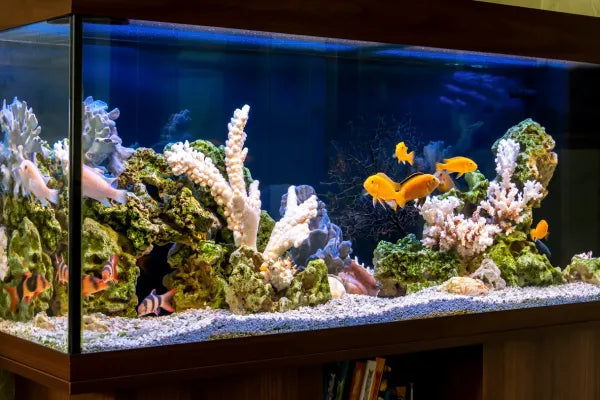
Keeping aquarium fish healthy is one of the most rewarding parts of the hobby, but even well-maintained tanks can experience disease from time to time.
The good news is that many common fish diseases can be successfully treated if they're recognised early. Learning what to look for and acting quickly can make a big difference to your fish's recovery.
This guide covers some of the most common freshwater aquarium fish diseases, their symptoms, likely causes, treatment options, and how to prevent future outbreaks.
Why Do Aquarium Fish Get Sick?
Fish rarely become sick without an underlying cause. In most home aquariums, disease is linked to stress, poor water quality, or the introduction of infected fish.
Common causes include:
- Poor water quality
- Elevated ammonia or nitrite
- Sudden temperature changes
- Overcrowding
- Poor nutrition
- Stress from aggressive tank mates
- Introducing new fish without quarantining them
Healthy fish with low stress levels are far less likely to develop disease. Maintaining stable water conditions remains the best form of prevention.
1. White Spot (Ich)
White Spot, also known as Ich, is one of the most common diseases seen in freshwater aquariums.
Symptoms
- Small white spots resembling grains of salt
- Fish rubbing against rocks or decorations
- Rapid breathing
- Clamped fins
- Lethargy
Causes
White Spot is caused by a parasite that spreads quickly between fish. Stress from poor water quality or recent transport often makes fish more susceptible.
Treatment
- Treat the entire aquarium with a White Spot medication.
- Remove activated carbon from your filter during treatment.
- Continue treatment for the full recommended period, even if the spots disappear sooner.
- Monitor water quality throughout treatment.
2. Fin Rot
Fin Rot is usually a bacterial infection that develops after fish become stressed or injured.
Symptoms
- Frayed or ragged fins
- White or black edges on fins
- Fins appearing to shorten over time
- Reduced activity
Causes
- Poor water quality
- Physical injuries
- Bullying from other fish
- Stress
Treatment
- Test and improve water quality.
- Perform partial water changes.
- Remove aggressive fish if necessary.
- Use an appropriate antibacterial treatment if symptoms persist.
3. Fungal Infections
Fungal infections often develop after an injury or another illness weakens the fish.
Symptoms
- White, fluffy cotton-like patches
- Slow movement
- Loss of appetite
Causes
Fungi naturally exist in most aquariums but usually only infect stressed or injured fish.
Treatment
- Isolate affected fish where practical.
- Improve water quality.
- Use an aquarium antifungal treatment according to the manufacturer's directions.
4. Velvet Disease
Velvet is a parasitic disease that progresses quickly if left untreated.
Symptoms
- Fine yellow or gold dust-like coating
- Scratching against decorations
- Rapid breathing
- Clamped fins
- Reduced appetite
Causes
Velvet parasites commonly enter an aquarium through new fish or contaminated plants and equipment.
Treatment
Prompt treatment with a suitable anti-parasitic medication offers the best chance of recovery.
5. Dropsy
Dropsy is not a disease itself but a symptom of a serious internal problem.
Symptoms
- Swollen abdomen
- Raised scales creating a "pinecone" appearance
- Bulging eyes
- Loss of appetite
- Lethargy
Causes
Dropsy can result from bacterial infections, organ failure or prolonged poor water conditions.
Treatment
Recovery can be difficult once symptoms become severe.
- Isolate affected fish.
- Improve water quality immediately.
- Seek advice on appropriate medication.
Early intervention provides the best chance of success.
6. Swim Bladder Disorder
Swim bladder issues affect a fish's ability to control buoyancy.
Symptoms
- Floating upside down
- Sinking to the bottom
- Difficulty swimming normally
- Loss of balance
Causes
- Constipation
- Overfeeding
- Bacterial infections
- Physical injury
Treatment
Treatment depends on the underlying cause. Improving water quality, adjusting feeding practices and treating any bacterial infection can often help.
Warning Signs Your Fish May Be Unwell
Even before obvious disease appears, fish often show subtle changes in behaviour.
Watch for:
- Loss of appetite
- Hiding more than usual
- Gasping at the water surface
- Clamped fins
- Flashing or rubbing against objects
- Rapid gill movement
- Unusual swimming patterns
- Colour fading
Checking your fish for these signs each day allows you to catch problems early.
How to Prevent Fish Diseases
Preventing disease is much easier than treating it.
Good aquarium habits include:
- Test your water regularly.
- Perform regular partial water changes.
- Avoid overfeeding.
- Don't overcrowd your aquarium.
- Feed a varied, high-quality diet.
- Quarantine new fish before adding them to your display tank.
- Maintain your filter and equipment.
- Observe your fish daily for any changes.
Stable water quality is the single biggest factor in keeping aquarium fish healthy.
When Should You Seek Expert Advice?
If several fish become sick at once, symptoms worsen rapidly, or you're unsure what you're dealing with, it's worth seeking advice before treating the tank.
Many diseases share similar symptoms, and using the wrong medication can sometimes do more harm than good.
Our aquarium specialists at Kellyville Pets can help you identify common fish health issues, recommend suitable treatments, and provide advice on improving your aquarium's overall health.
Final Thoughts
Most common aquarium fish diseases can be prevented through good husbandry, stable water conditions and regular observation.
By recognising symptoms early and addressing the underlying cause, you'll give your fish the best chance of a full recovery while helping prevent future outbreaks.
If you're unsure about your fish's symptoms or need advice on treatments, visit the Aquarium Department at Kellyville Pets. Our experienced team is always happy to help.


