Care Guide6 min read

Goldfish

Carassius auratus
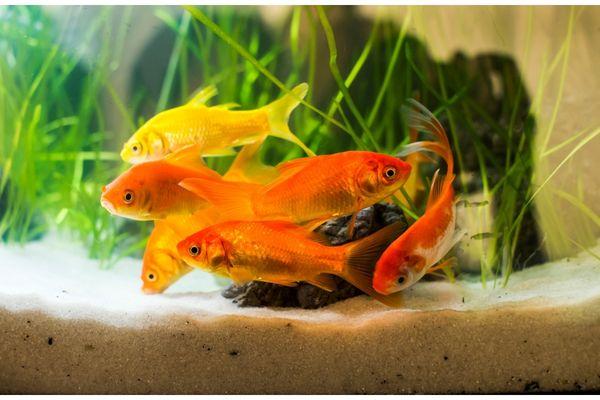
Common Goldfish · Fancy Goldfish.
Common breeds: Common Goldfish · Comet · Shubunkin · Fantail · Ryukin · Oranda · Black Moor · Ranchu · Lionhead · Pearlscale · Bubble Eye · Telescope

Goldfish Care Guide
Lifespan
10-15+ years with good care
Adult Size
15-40cm
Care Level
Low to Medium
Diet

Quality goldfish pellets or flakes as the primary diet, with blanched peas and fresh vegetables as regular supplements

Enclosure

Well cycled, properly filtered aquarium (minimum 20 litres). Keep in mind that as they continue to grow you will need to upgrade your tank to larger volumes. A pond is ideal for single-tailed varieties.

Temperament

Social, responsive and surprisingly personable. Goldfish quickly learn to associate their keeper with food and approach the front of the tank eagerly at feeding time

Where they come from

Natural History & Origin

The goldfish is the world's oldest ornamental fish, first selectively bred from wild carp in ancient China more than 1,000 years ago. They were introduced to Japan in the 16th century and to Europe in the 17th century, eventually becoming the world's most popular pet fish.

Goldfish are coldwater fish and do not require a heater in most Australian homes. They are hardier than many aquarium fish but have been significantly undersized and under-filtered in traditional keeping. The fishbowl is now widely condemned as inadequate by welfare organisations and experienced aquarists. Goldfish require proper filtration, adequate space and regular water quality management. Properly kept, they can live 20+ years and are genuinely long-term pets.

Get it right early

Tips for First-Time Owners

  1. 1 Never keep goldfish in a bowl: the minimum for a mature fish is a properly filtered tank of at least 80 litres.
  2. 2 Goldfish are not tropical fish and do not need a heater, but they do need cold, well-oxygenated, filtered water.
  3. 3 Feed blanched peas (skin removed) once or twice per week as a simple and effective prevention for swim bladder problems.
  4. 4 Weekly water changes of 25-30% are essential because goldfish produce more waste than most aquarium fish.
  5. 5 Never mix single-tailed varieties with fancy varieties: single-tails will consistently outcompete fancies for food.
Setting up the habitat

Enclosure & Husbandry

The most important rule in goldfish keeping is that bowls are not appropriate housing. Goldfish produce significant waste, consume substantial oxygen, and grow large. Minimum tank size for the first two goldfish (5 cm or smaller): 20 litres. Add at least 10 litres for each additional goldfish. As the goldfish grow, they will require a significantly larger tank to accommodate their full adult size.

Once your goldfish have matured, the minimum recommended tank size is 80 litres for one to two single-tailed goldfish, with at least 40 additional litres for each extra fish. Single-tailed varieties generally thrive best in outdoor ponds due to their size and activity level.
For fancy goldfish varieties, a tank of 80–150 litres is recommended for two to three fish, with at least 40 additional litres for each extra fish.

Robust filtration is essential: a filter rated for twice the tank volume is a minimum. Substrate should be rounded pebbles or fine gravel. Temperature range is 10-24ºC; no heater is needed in most Australian homes but protection from extreme cold (below 5ºC) is required in cold climates.

What to feed

Dietary Management

Goldfish are omnivores preferring vegetable matter. The primary diet should be quality goldfish-specific pellets or flake. Sinking pellets are preferable for fancy varieties to prevent ingesting air at the surface, which contributes to buoyancy problems. Feed once to twice daily; offer only what is consumed in two to three minutes. Overfeeding causes water quality problems and swim bladder disorders.

Supplement with blanched peas (skins removed) weekly or twice weekly: this is one of the most important preventative measures for the swim bladder problems common in fancy varieties. Blanched spinach, zucchini, lettuce and cucumber are also accepted. A one-day fast per week maintains digestive health.

Goldfish are opportunistic feeders and will attempt to eat anything that fits in their mouths. When keeping goldfish with other cold-water species, be mindful of size differences. A good general rule is: if it fits in a goldfish's mouth, it may eventually be eaten.

Day-to-day interaction

Handling & Socialisation

Goldfish should be handled only when medically necessary. Use a soft, fine-mesh net and minimise time out of water. Hand-feeding by holding food at the water surface is a gentle, low-stress form of interaction. Never combine single-tailed and fancy varieties: single-tails bully fancies and monopolise food.

They are peaceful community fish compatible with other goldfish and compatible coldwater species. They are curious explorers of their environment.

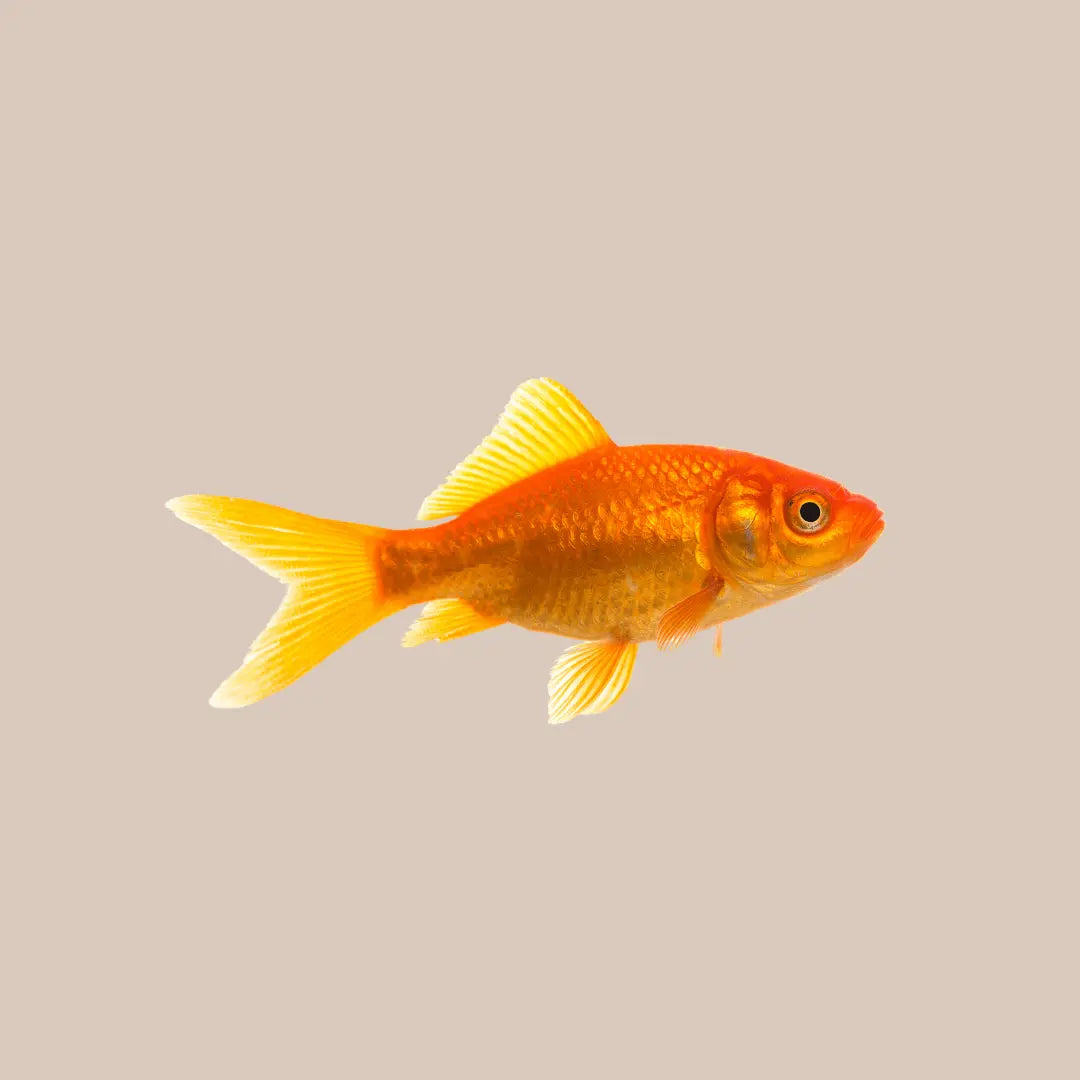
Orange Comet Goldfish For Sale - Kellyville Pets
AVAILABLE IN-STORE

Orange Comet Goldfish

Did you know

Fun Facts

The oldest recorded pet goldfish lived for 43 years, a testament to what proper care can achieve compared to the average 1-3 year lifespan of goldfish in bowls.

Research has demonstrated that goldfish can be trained to push levers for food rewards and retain this learning for months, directly contradicting the popular three-second memory myth.

Goldfish can see in ultraviolet and infrared ranges invisible to humans, giving them a richer visual world that may explain their high responsiveness to visual stimuli including their keeper's face.

Keep them stimulated

Enrichment

Goldfish benefit from a varied environment. Provide aquarium plants (live or artificial) and smooth-edged decor for exploration. Feeding enrichment with varied food items presented in novel ways (clipped blanched lettuce, floating blanched pea) encourages natural foraging. For pond goldfish, natural live food (daphnia, mosquito wrigglers) provides the most biologically relevant enrichment.

What to watch for

Common Health Issues

Swim bladder disorder: Very common in fancy goldfish, causing floating, sinking or tilted swimming. Often linked to overfeeding or feeding dry flakes. Prevention: use sinking pellets, offer blanched peas regularly, avoid overfeeding.

Ich (white spot): Common in stressed or newly introduced fish.

Fin rot: Bacterial erosion of fins caused by poor water quality.

Ammonia and nitrite toxicity: Lethargy, gasping at the surface, red streaks on fins; caused by insufficient cycling or overfeeding.

Constipation: Common in fancy varieties on pellet-only diets; prevented with vegetable supplementation.

Everything you need

Essentials Shopping List

Setup checklist

  • Properly filtered aquarium (min. 80 L for two goldfish; add 40 L per additional fish)
  • Filter rated for twice the tank volume
  • Thermometer
  • Water quality test kit (ammonia, nitrite, nitrate, pH)
  • Water conditioner / dechlorinator
  • Gravel siphon / vacuum
  • Rounded pebbles or fine gravel substrate
  • Aquarium plants and smooth decor
  • Goldfish pellets (sinking pellets for fancy varieties)
  • Goldfish flake (supplement)
  • Blanched peas (weekly digestive supplement)
  • Fresh vegetables for supplementing (spinach, zucchini)
  • Fine-mesh net
  • Pond (strongly recommended for single-tailed varieties)
FAQ

Commonly Asked Questions

  • What size tank does a goldfish need?

    Minimum 80 litres for two small goldfish. Single-tailed varieties are best in large outdoor ponds. A fishbowl is never appropriate.

  • Do goldfish need a filter?

    Absolutely. Goldfish produce more waste than most aquarium fish and an unfiltered tank becomes toxic within days.

  • Do goldfish need a heater?

    No: they are coldwater fish thriving at 10-24ºC.

  • Can goldfish live with tropical fish?

    No: goldfish need cooler water and their waste load would overwhelm a tropical community tank.

  • How long do goldfish live?

    With proper care, 15-20+ years is realistic. Short lifespans result from inadequate housing.

Need help?

Our specialists are in-store every day to help with setup, licensing and feeding.

Visit Kellyville Pets →