


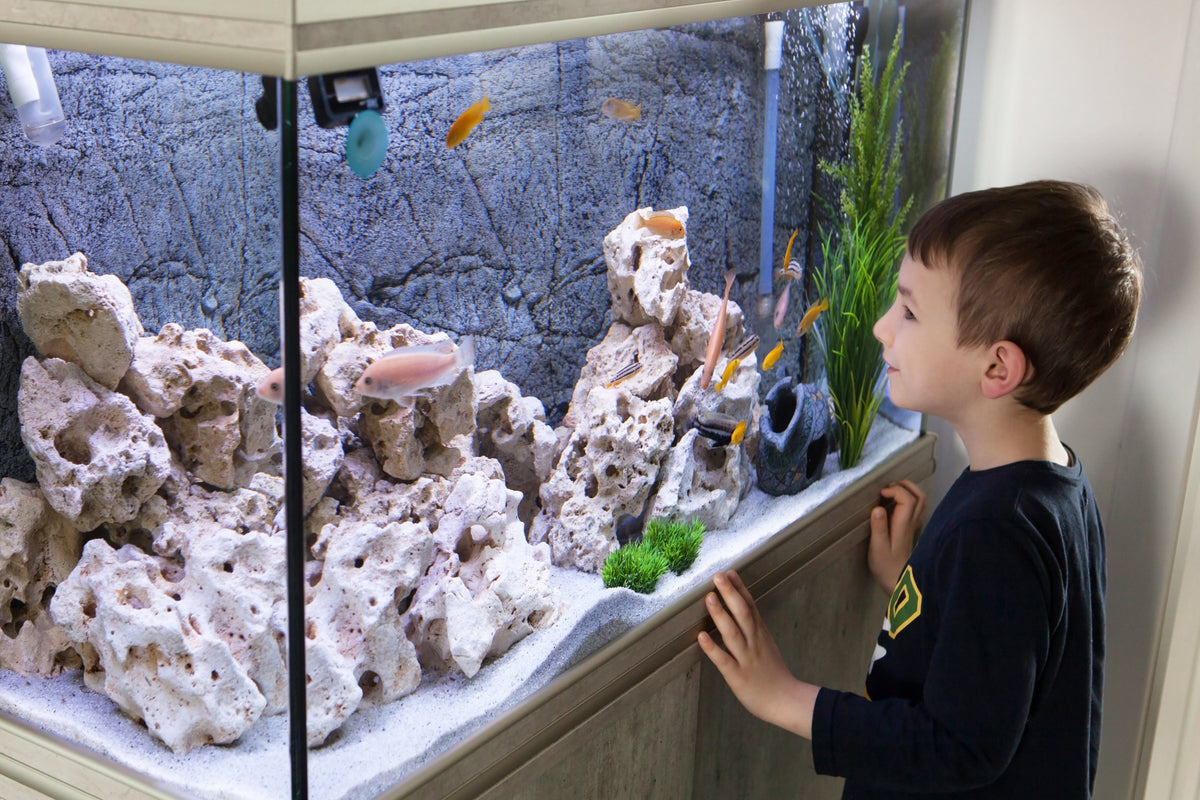
Choosing your first fish tank is exciting, but with so many options available, it can also feel a little overwhelming. From compact desktop aquariums to large planted displays, the right setup depends on your lifestyle, experience level, budget, and the type of fish you want to keep.
Whether you’re setting up your very first aquarium or upgrading to something bigger, understanding the different types of fish tanks can help you create a healthier, more enjoyable environment for your fish.
Start by Thinking About Your Lifestyle
Before choosing a tank, it’s important to think about how much time, space, and maintenance you’re realistically comfortable with.
Ask yourself:
- How much space do I have at home?
- Am I looking for a low-maintenance setup?
- Do I want colourful tropical fish, live plants, or something more advanced?
- How much experience do I have with aquariums?
- What’s my budget for setup and ongoing care?
Your answers will help narrow down the best aquarium style for your needs.
Small Aquariums and Nano Tanks
Nano tanks are compact aquariums, usually under 40 litres, and are popular for apartments, bedrooms, offices, and smaller homes.
Best suited for:
- Beginners with limited space
- Bettas or small community fish
- Shrimp tanks
- Desktop displays
Pros:
- Affordable to set up
- Fits easily into smaller spaces
- Great introduction to fishkeeping
Things to consider:
Smaller tanks can actually require more attention because water conditions change faster. Temperature fluctuations, overfeeding, and waste buildup can impact fish health more quickly in a nano setup.
If you’re starting with a smaller tank, regular maintenance and careful stocking are especially important.
Tropical Freshwater Aquariums
Freshwater tropical tanks are one of the most popular choices for Australian fishkeepers. They offer plenty of variety, colourful fish, and relatively straightforward care.
Best suited for:
- Beginners and intermediate hobbyists
- Families
- Community fish setups
- People wanting a balance of colour and ease of care
Popular freshwater fish include:
- Neon tetras
- Guppies
- Mollies
- Corydoras catfish
- Dwarf gouramis
Pros:
- Easier maintenance than marine tanks
- Wide range of compatible fish
- Lower running costs
- Plenty of equipment options available
A freshwater tropical setup typically includes:
- Heater
- Filter
- Gravel or substrate
- Lighting
- Water conditioner
Coldwater Fish Tanks
Coldwater aquariums are ideal for fish species that don’t require a heater. Goldfish are the most common example, but they often need much larger tanks than people expect.
Best suited for:
- Goldfish keepers
- Simpler aquarium setups
- Cooler indoor environments
Important to know:
Goldfish produce a lot of waste and need excellent filtration and plenty of swimming space. A common mistake is keeping goldfish in bowls or undersized tanks, which can lead to poor water quality and health issues.
A larger filtered aquarium is always the better option.
Planted Aquariums
Planted tanks combine fishkeeping with aquascaping and live aquatic plants. These setups can look stunning and create a more natural environment for fish.
Best suited for:
- Hobbyists who enjoy design and maintenance
- Aquascaping enthusiasts
- Fish that thrive in planted environments
Pros:
- Beautiful natural appearance
- Plants help improve water quality
- Can reduce stress for fish
- Encourages natural behaviours
Things to consider:
Planted aquariums often require:
- Stronger lighting
- Plant nutrients or fertilisers
- CO2 systems for advanced setups
- More planning and maintenance
If you enjoy gardening or interior styling, a planted tank can become a very rewarding hobby.
Marine and Reef Aquariums
Saltwater aquariums are known for their vibrant fish, corals, and incredible visual appeal. However, they are generally more advanced and expensive to maintain.
Best suited for:
- Experienced fishkeepers
- Dedicated hobbyists
- Reef and coral enthusiasts
Pros:
- Stunning colours and species variety
- Unique marine fish and coral options
- Highly rewarding long-term hobby
Things to consider:
Marine systems require:
- Salt mixing and water testing
- Protein skimmers and specialised filtration
- Stable water chemistry
- Higher setup and running costs
If you’re completely new to aquariums, many fishkeepers recommend starting with freshwater before moving into marine systems.
Choosing the Right Tank Size
One of the biggest misconceptions in fishkeeping is that smaller tanks are easier. In reality, larger tanks are often more stable and forgiving.
Why bigger can be better:
- Water conditions stay more stable
- Easier temperature management
- More room for fish to swim
- Greater stocking flexibility
- Less risk from small mistakes
For many beginners, a tank between 70 and 150 litres is often a great balance between manageability and stability.
Glass vs Acrylic Tanks
Both glass and acrylic aquariums have their advantages.
Glass tanks:
- More scratch resistant
- Usually more affordable
- Clear and durable
- Heavier to move
Acrylic tanks:
- Lightweight
- Stronger impact resistance
- Better insulation
- Easier to scratch
Most beginner aquariums in Australia are glass, but acrylic can be a good option for larger custom displays.
Essential Equipment for Any Aquarium
No matter which tank style you choose, every aquarium needs a few essentials.
Basic aquarium equipment:
- Quality filter
- Appropriate lighting
- Water conditioner
- Thermometer
- Fish food
- Gravel vacuum and maintenance tools
Depending on your setup, you may also need:
- Heater
- Air pump
- Live plants
- Test kits
- CO2 equipment
- Protein skimmer
Choosing reliable equipment from the start can make aquarium maintenance much easier.
Tips for First-Time Fishkeepers
If you’re just starting out, keep things simple.
Beginner-friendly advice:
- Start with hardy freshwater fish
- Avoid overstocking your tank
- Let the aquarium cycle properly before adding fish
- Perform regular partial water changes
- Feed small amounts to avoid excess waste
- Research fish compatibility before buying
Patience is one of the most important parts of successful fishkeeping.
Final Thoughts
The best fish tank for you depends on your experience, available space, and the type of aquarium experience you want to create.
For most beginners, a medium-sized freshwater tropical aquarium offers the easiest and most enjoyable starting point. More advanced setups like planted tanks and marine aquariums can become fantastic long-term hobbies once you gain confidence.
No matter which aquarium you choose, taking the time to set things up properly will help your fish thrive and make the hobby far more rewarding.


