


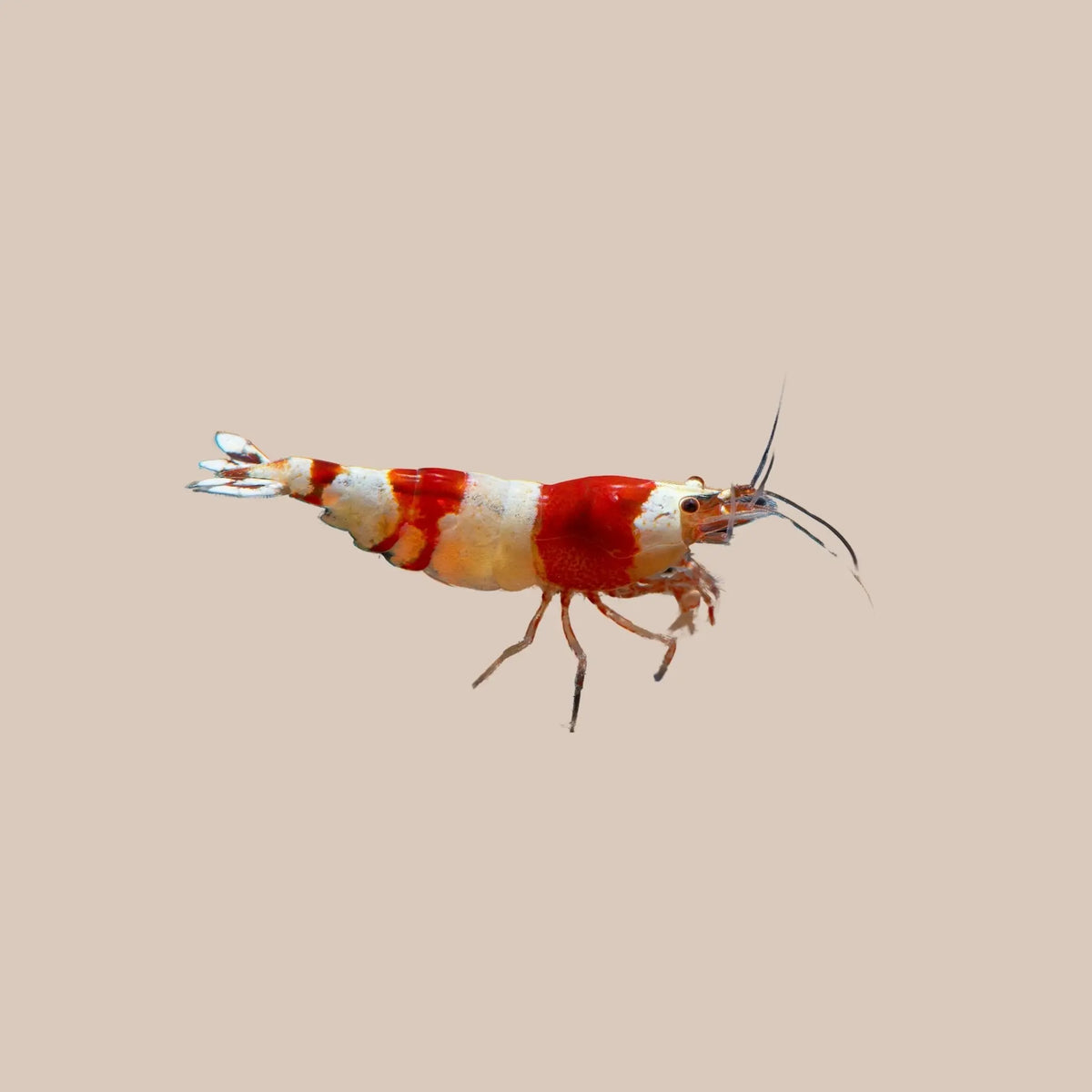
Freshwater Shrimp
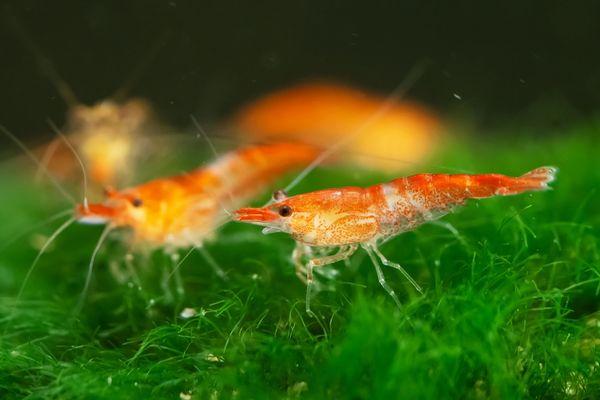
Caridina and Neocaridina species
Download the full care guide (PDF)
Free & Print-ready

1-2.5 years

2-3cm

Low (Neocaridina); Medium (Caridina)


Where they come from
Natural History & Origin


Get it right early
Tips for First-Time Owners
- 1 Never add shrimp to a tank that has not been fully cycled: ammonia and nitrite are immediately lethal to shrimp.
- 2 Start with Neocaridina (Cherry Shrimp): they are the most forgiving and adaptable entry point to shrimp keeping before attempting the more demanding Caridina.
- 3 Never use copper-based medications in a shrimp tank: check that any product added is explicitly safe for invertebrates and shrimp.
- 4 Add new water slowly using a drip line: rapid parameter changes are as damaging as poor parameters.
- 5 Use a sponge filter: it provides biological filtration without any risk of sucking up small shrimp or juveniles.
Setting up the habitat
Enclosure & Husbandry
What to feed
Dietary Management
Day-to-day interaction
Handling & Socialisation
Find your next best friend
Browse all Aquatic Pets
Our Available Aquatic Pets


Did you know
Fun Facts
Cherry Shrimp in a healthy colony moult approximately every 3-4 weeks: the discarded translucent exoskeleton looks exactly like a dead shrimp but is a reliable sign of a healthy, growing colony. Leave it for other shrimp to consume for the calcium content.
When a female Cherry Shrimp is ready to breed, she releases pheromones immediately after moulting, triggering the shrimp dance: males swim frantically through the water column in search of the female, a dramatic display that surprises many new keepers.
The Crystal Red Shrimp originated from a single genetic mutation discovered in Japan in the 1990s. The original breeder selectively developed the red-and-white pattern and established the internationally used grading system (SSS down to B).
Keep them stimulated
Enrichment
What to watch for
Common Health Issues
Everything you need
Essentials Shopping List
Setup checklist
- Established planted aquarium (min. 20-40 L for Neocaridina; 40-60 L for Caridina)
- Aqua soil or active substrate (Caridina) or standard gravel/sand (Neocaridina)
- Sponge filter
- Aquarium heater and thermometer
- Water quality test kit (ammonia, nitrite, nitrate, pH, GH, KH)
- Water conditioner / dechlorinator (copper-neutralising formula)
- TDS meter
- Remineralisation powder (for Caridina and RO water users)
- Live plants (java moss, Anubias, baby tears, hornwort)
- Driftwood and botanicals (Indian almond leaves, alder cones)
- Shrimp-specific sinking food
- Algae wafers
- Blanched vegetables (zucchini, spinach, carrot)
- Calcium supplement or crushed cuttlebone
- Drip acclimation line
- Fine-mesh net or pipette for transfers
READY TO SET UP
Browse all
Shop the Essentials

Save 30%
Seachem Prime
from$12.99
View →

PondMAX Floating Fish Pellets
from$27.49
View →

Save 27%
Hailea Aquarium Chiller

Live Bunch Plants Aquarium
$9.99
View →

Aqua One Glass Heater
from$29.99
View →

Seachem Stability Tank Starter
from$12.99
View →

Reptile One Corner Bowl
from$5.49
View →

Dymax Driftwood
$25.99
View →
FAQ
Commonly Asked Questions
-
Are Cherry Shrimp good for beginners?
-
Can I keep shrimp with fish?
-
Why are my shrimp dying after water changes?
-
What is the difference between Cherry Shrimp and Crystal Shrimp care?
-
Do I need a licence?
Learn more
See more care guides Read about other species
No articles match that search. Try a different word.


Need help?Our specialists are in-store every day to help with set up, licensing and feeding.
Visit Kellyville Pets