


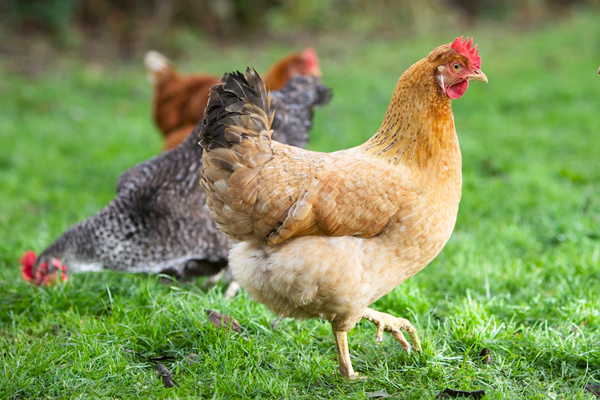
The domestic chicken is the most numerous bird species on Earth, with a global population estimated at over 33 billion — nearly four chickens for every human being on the planet.
Chicken
Gallus gallus domesticus
Download the full care guide (PDF)
Free & Print-ready

3-8 years

2-3kg (varies significantly by breed)

Low


Where they come from
Natural History & Origin


Get it right early
Tips for First-Time Owners
- 1 Lock the coop every single night before dark without exception — this is the single most important daily task for chicken keeping. Foxes and dogs are active at night and will exploit even brief lapses.
- 2 Always check your local council by-laws before purchasing chickens — regulations regarding numbers, setbacks and rooster restrictions vary significantly between councils and failure to comply can result in fines and compulsory removal of birds.
- 3 Use a hanging feeder to keep feed off the ground — ground-level feed attracts rats and mice, which can carry disease and damage the coop structure.
- 4 Heritage breed hens lay throughout their lifespan and generally have superior temperaments compared to hybrid layers, which produce heavily for 1–2 years and then stop.
- 5 A dedicated dust bath area is not a luxury — it is a fundamental welfare requirement for chickens and their primary natural method of managing external parasites.
Setting up the habitat
Enclosure & Husbandry
What to feed
Dietary Management
Day-to-day interaction
Handling & Socialisation
Find your next best friend
Browse all Birds
Our Available Birds
Did you know
Fun Facts
Chickens have a surprisingly sophisticated social communication system with over 30 distinct vocalisations used to signal food discovery, aerial predators, ground predators, alarm, contentment and social bonding.
Despite their reputation for not flying, some lighter breeds — particularly Leghorns — are capable of short sustained flights and can clear a 2 metre fence. Wing clipping (trimming the primary feathers on one wing) is a simple, painless and effective way to limit this without harming the bird.
Keep them stimulated
Enrichment
What to watch for
Common Health Issues
Everything you need
Essentials Shopping List
Setup checklist
- Secure chicken coop — minimum 190cm W x 75cm D x 125cm H with attached run
- Heavy-gauge welded wire mesh (for run and any gaps)
- Roosting perches inside the coop
- Nesting boxes (one per two to three hens) with straw or wood shavings
- Coop litter — straw or wood shavings
- Hanging feeder (keeps food clean and deters rodents)
- Hanging water drinker or dispenser (keeps water clean)
- Layer pellets (quality brand, minimum 15% protein)
- Shell grit (available at all times)
- Scratch grain mix (for foraging enrichment)
- Dust bath area — dry loose soil, sand or wood ash
- Chicken-safe insecticide spray (for coop and birds, every 6 weeks)
- Broad-spectrum poultry wormer (every 3 months)
- Poultry vitamin supplement
- Egg collection basket
- Coop cleaning equipment — rake, shovel, disinfectant
- Treats: pumpkin, corn, leafy greens
READY TO SET UP
Browse all
Shop the Essentials

Save 36%
KPets Outdoor Chicken Wood & Metal Coop - Mansion

Save 31%
KPets Outdoor Chicken Wood & Metal Coop - Villa

Avigrain Grey Striped Sunflower Seed 15kg
$37.99
View →

Bird Feeder Plastic Rectangle
from$4.99
View →

Birdzone Chunky Sprouts 250g
$12.99
View →

Vella Stock Feeds Layer Pellets 20kg
$30.49
View →

Red Hen Se17enteen (Seventeen) 20kg
$36.49
View →

Avigrain All-Grain Poultry Feed 20kg
$26.99
View →
FAQ
Commonly Asked Questions
-
How many chickens should I start with?
-
Do I need a rooster for my hens to lay eggs?
-
How do I stop my chickens from destroying my garden?
-
How often do chickens lay eggs?
-
Do I need a licence to keep backyard chickens in Australia?
Learn more
See more care guides Read about other species
No articles match that search. Try a different word.


Need help?Our specialists are in-store every day to help with set up, licensing and feeding.
Visit Kellyville Pets