


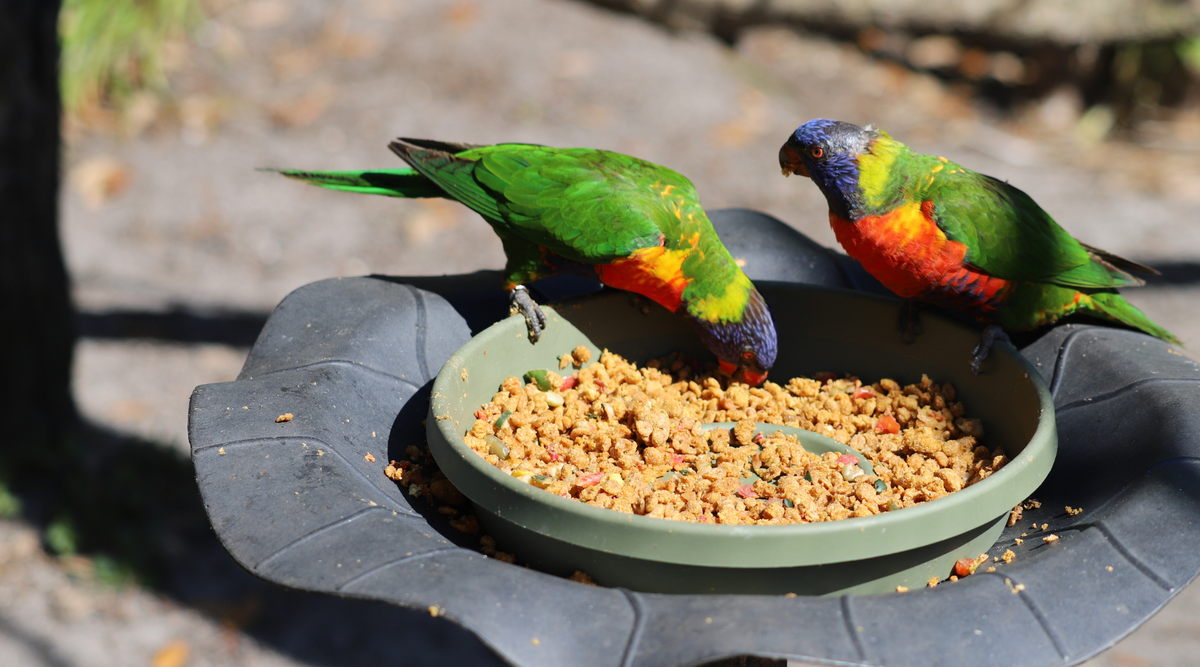
Many pet birds love seeds — but a seed-only diet can lead to serious health problems over time. Seeds are typically high in fats and carbohydrates but low in many essential nutrients birds need to stay healthy.
That’s why most avian veterinarians recommend feeding a pellet-based diet supported by fresh foods, rather than relying on seeds alone. Pellets are formulated to provide balanced nutrition including vitamins, minerals, and proteins that birds need for long-term health.
If your bird currently eats mostly seeds, switching to pellets can dramatically improve their wellbeing — but it must be done carefully and gradually.
This guide will show you how to safely transition your bird from seeds to pellets and help them accept their new, healthier diet.
Why Birds Should Transition from Seeds to Pellets
Many birds become “seed addicts” because seeds taste great and are high in fat. However, a seed-heavy diet can lead to:
-
Obesity
-
Fatty liver disease
-
Nutritional deficiencies
-
Poor feather quality
-
Reduced immune function
Pellets, on the other hand, are designed to provide complete and balanced nutrition, ensuring your bird receives essential vitamins, minerals, and proteins in every bite.
A healthy bird diet generally includes:
-
60–70% pellets
-
20–30% fresh vegetables and fruits
-
Up to 10% seeds as treats
Transitioning your bird may take time, but the long-term health benefits are worth the effort.
The Golden Rule: Transition Slowly
One of the most important things to remember is never switch your bird’s diet abruptly.
Birds can be very cautious about new foods, and sudden changes can cause them to stop eating. The safest approach is a gradual transition over several weeks.
Many experts recommend slowly increasing pellets while decreasing seeds over time.
Example transition schedule:
| Week | Seeds | Pellets |
|---|---|---|
| Week 1 | 75% | 25% |
| Week 2 | 50% | 50% |
| Week 3 | 25% | 75% |
| Week 4 | 0–10% | 90–100% |
Monitor your bird closely during this process to ensure they are eating normally and maintaining a healthy weight.
7 Proven Ways to Help Your Bird Accept Pellets
Every bird is different. Some switch easily, while others take patience and creativity.
Here are some effective techniques used by bird experts.
1. Mix Pellets with Seeds
Start by mixing pellets into your bird’s regular seed mix.
Gradually increase the amount of pellets each week while reducing seeds.
This method works well because it introduces pellets without dramatically changing your bird’s routine.
2. Grind Pellets into Powder
If your bird ignores pellets, try grinding them into powder and sprinkling them over seeds or fresh food.
Your bird will unknowingly taste the pellets and begin associating them with food.
3. Offer Pellets First Thing in the Morning
Birds are hungriest in the morning.
Try offering pellets as the first food of the day, then provide a small amount of seed later.
This encourages curiosity and increases the chances your bird will try the pellets.
4. Soften Pellets with Warm Water
Some birds prefer softer foods.
You can try soaking pellets in warm water to create a mash. This changes the texture and can make pellets more appealing to birds used to softer foods.
Just remember to remove wet food after a couple of hours to prevent spoilage.
5. Lead by Example
Birds are highly social eaters.
You can pretend to eat the pellets yourself and then offer them to your bird. Many birds become curious and will try foods they see their owners enjoying.
6. Offer Pellets in Different Shapes and Sizes
Some birds prefer smaller pellets or different textures.
Trying different pellet types can help you find the one your bird enjoys most.
7. Be Patient
Some birds switch within days, while others may take weeks or even months.
Consistency and patience are key. Avoid giving up too quickly.
Signs Your Bird Is Successfully Transitioning
As your bird begins accepting pellets, you may notice:
-
Improved feather condition
-
Increased energy levels
-
More balanced droppings
-
Less selective eating
These changes are often signs your bird is receiving better nutrition.
Important Safety Tips During the Transition
Always monitor your bird during a diet change.
Watch for:
-
Sudden weight loss
-
Lethargy
-
Reduced droppings
-
Lack of appetite
If you notice these signs, slow down the transition and consider speaking with an avian veterinarian.
Building a Healthy Long-Term Diet for Your Bird
Once your bird is eating pellets regularly, aim for a balanced diet including:
Pellets (60–70%)
The foundation of your bird’s diet.
Fresh vegetables (20–30%)
Great options include:
-
Kale
-
Broccoli
-
Carrots
-
Capsicum
-
Sweet potato
Seeds and treats (10% or less)
Seeds can still be offered occasionally as training rewards or enrichment treats.
Recommended Bird Food at Kellyville Pets
Choosing the right pellet food makes the transition easier. High-quality pellet diets are specifically formulated to provide balanced nutrition for parrots, cockatiels, budgies, and other companion birds.
Explore our range of premium bird nutrition:
-
Vetafarm Bird Pellets
-
Premium Parrot Pellets
-
Cockatiel & Budgie Pellets
-
Bird Vitamin Supplements
Our team at Kellyville Pets can also help you choose the right pellet size and formula for your species.
Final Thoughts
Switching your bird from a seed diet to pellets is one of the best things you can do for their long-term health.
Although the process requires patience, the benefits include:
-
Better nutrition
-
Healthier feathers
-
Improved energy levels
-
Longer lifespan
By transitioning slowly and using the tips above, you can help your bird enjoy a healthier, more balanced diet.
If you need help choosing the right bird food, the team at Kellyville Pets is always happy to assist.


