Breed Guide6 min read

Cavoodle

Cavapoo (international name) ⋅ Cavalier Poodle cross

  • Apartment-friendly
  • Good with children
  • Low-shedding
  • Suitable for first-time owners
  • Low exercise needs
  • Easy to train
  • Calm temperament
  • Good with other pets
Cavoodle Breed Guide
Temperament

Gentle, affectionate and sociable. Cavoodles are eager to please, highly people-oriented and generally good with children and other pets. Intelligent and responsive to training. Can be prone to anxiety if left alone frequently or not adequately socialised as a puppy.

Lifespan
12-15 years
Adult Size
5-12kg; 25-38cm tall. Smaller for Toy Cavoodles.
Care Level
Low to Medium
Coat Type

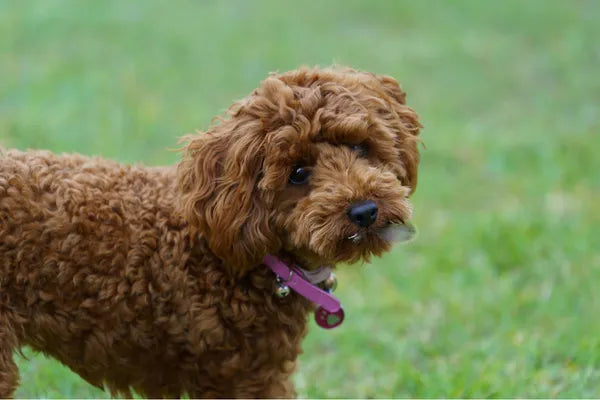
Soft, low-shedding wavy or curly coat. Minimal shedding; suitable for mild allergy sufferers.

Energy Level

Medium. Daily walks and play sessions are sufficient.

is this the right breed for you?

Owner Suitability

Excellent for first-time owners, families with children, couples and retirees. Adaptable to apartments and houses. Can be prone to separation anxiety, although early training and socialisation can help build confidence and independence. Generally thrives in households where regular companionship and interaction are available.

Where the breed comes from

Origin & History

The Cavoodle (also known as Cavapoo) is a crossbreed between a Cavalier King Charles Spaniel and a Miniature or Toy Poodle. The breed was intentionally developed in Australia in the late 1990s to combine the Cavalier's gentle, affectionate temperament with the Poodle's intelligence and low-shedding coat. The goal was a small, family-friendly companion suitable for allergy sufferers. The Cavoodle rapidly became one of Australia's most popular dog breeds and has retained that position consistently — named Australia's most popular breed by Pet Insurance Australia in 2025. Because they are a first-generation or multi-generation cross rather than a recognised purebred, individual Cavoodles may vary in appearance, coat type and temperament depending on which parent they take after more strongly.

Get it right early

Tips for First-Time Owners

  1. 1 Start puppy school early — socialisation between 8 and 16 weeks is the most important investment you can make in your Cavoodle's long-term behaviour and confidence.
  2. 2 Book professional grooming before you bring your puppy home — getting a groomer you trust and starting early makes the process far easier for the dog as it grows.
  3. 3 Build up alone time gradually from day one — a Cavoodle that learns to be comfortable alone for short periods as a puppy is far less likely to develop separation anxiety.
  4. 4 Choose a breeder who conducts comprehensive health and genetic testing on both parent dogs in accordance with breed-specific recommendations, including mitral valve disease and syringomyelia.
  5. 5 Invest in pet insurance from day one — a well-cared-for Cavoodle can live 12–15 years, and insurance helps manage any veterinary costs that arise along the way.
Daily Routine

Care & Exercise

Cavoodles require daily exercise — at least one 30-minute walk plus additional play. They are intelligent and benefit from basic obedience training and ongoing mental stimulation. Puppy school is strongly recommended from as early as possible for socialisation and confidence building. Cavoodles form strong bonds with their families and can be prone to separation anxiety if left alone for extended periods without gradually building independence and tolerance from an early age. With consistent training and socialisation, many Cavoodles learn to cope well with time on their own, though they generally thrive in households with regular companionship. Feed a quality, age-appropriate small-breed dog food twice daily in measured portions; free feeding is not recommended as Cavoodles can be food-driven and prone to weight gain. Annual veterinary checks, up-to-date vaccinations, regular parasite prevention, and dental care are the foundations of long-term health. Desexing is recommended unless breeding is intended.

Coat Care Routine

Grooming

Regular grooming is essential to prevent matting and maintain coat health. Brush two to three times per week minimum — daily for curlier coats, which tangle more readily. Professional grooming every six to eight weeks is recommended for a tidy trim and coat maintenance. The Cavoodle's floppy ears trap moisture and debris, making them prone to infections — check and clean ears weekly with a veterinarian-recommended ear cleaner. Bathe every three to four weeks or as needed using a dog-safe shampoo. Trim nails every three to four weeks. Dental hygiene is important for small breeds — brush teeth two to three times per week with dog-safe toothpaste, or daily if possible. Start a grooming routine from puppyhood so the dog becomes accustomed to handling of paws, ears and mouth.

Did you know

Fun Facts

The Cavoodle has been Australia's most popular dog breed for multiple consecutive years, consistently topping breed registration and insurance data — a remarkable achievement for a hybrid breed with no formal kennel club recognition.

The Cavalier King Charles Spaniel parent breed was originally developed as a lap dog for European royalty and was named in honour of King Charles II of England, who was reportedly inseparable from his spaniels throughout his reign.

Cavoodles can inherit their coat type from either parent — a puppy from the same litter can have a tight Poodle curl, a silky Cavalier wave, or anything in between, making each Cavoodle genuinely unique in appearance.

Day-to-day interaction

Handling & Socialisation

Socialisation from puppyhood is critical. Expose the puppy to a wide variety of people, environments, sounds and other animals during the sensitive period of 3–16 weeks. Puppy school provides structured socialisation and early obedience foundations. Cavoodles are generally gentle and tolerant of careful handling by children; teach children to approach calmly and avoid rough play. Consistent, positive reinforcement-based training suits this breed well — they respond to praise and treats and do not respond well to harsh correction.

Keep them stimulated

Enrichment

Cavoodles are intelligent and curious dogs that need mental stimulation as much as physical exercise. Boredom leads to destructive behaviour, excessive vocalisation and anxiety. Provide a rotation of toys including chew toys, tug toys, squeaky toys and puzzle feeders. Interactive play with the family — fetch, tug, hide and seek — is enriching and strengthens the human-animal bond. Sniff walks (allowing the dog to explore and follow its nose rather than maintaining pace) provide significant mental stimulation. Training sessions of five to ten minutes daily provide cognitive enrichment and maintain obedience. If the household is away during the day, consider doggy daycare, a dog walker, or a companion dog to reduce the risk of separation-related behaviour. fillable rubber chew toys left during absences can help manage alone time.

What to watch for

Common Health Issues

Mitral Valve Disease (MVD): Inherited from the Cavalier side; a progressive heart condition most common in older dogs. Annual cardiac screening is recommended from five years of age.

Syringomyelia (SM): A neurological condition also inherited from the Cavalier; causes pain and discomfort from fluid cavities forming within the spinal cord. Source from breeders who health-screen parent dogs.

Hip Dysplasia: Abnormal hip joint development; more common when Miniature Poodle genetics are involved. Maintain a healthy body weight.

Ear Infections: Floppy ears retain moisture; clean weekly and dry thoroughly after bathing or swimming.

Dental Disease: Small breed dogs are prone to tartar accumulation and periodontal disease. Brush teeth regularly and schedule professional dental cleans as recommended by your vet.

Separation Anxiety: A behavioural rather than medical concern but common and significant; address proactively from puppyhood.

Everything you need

Essentials Shopping List

Setup checklist

  • Quality small-breed puppy food
  • Stainless steel food and water bowls
  • Appropriately sized collar with ID tag
  • Adjustable harness (front-clip recommended)
  • Standard lead and long training lead
  • Crate (appropriately sized)
  • Comfortable dog bed or crate mat
  • Puppy playpen
  • Slicker brush
  • Comb (wide and fine tooth)
  • Dog-safe shampoo and conditioner
  • Ear cleaning solution
  • Dog toothbrush and dog-safe toothpaste
  • Nail clippers or grinder
  • Puppy training treats
  • Fillable rubber chew toy
  • Chew toys (variety)
  • Tug toy
  • Puzzle feeder
  • Poo bags and dispenser
  • Dog-safe enzymatic cleaner (for accidents)
  • Flea, tick and worming prevention (vet recommended)
  • Puppy pads (for early toilet training)
  • Pet insurance (take out from day one)
FAQ

Commonly Asked Questions

  • Are Cavoodles hypoallergenic?

    They are low-shedding rather than truly hypoallergenic — no dog breed is completely allergen-free, as pet dander (skin particles) and saliva also trigger allergies. Cavoodles with a curlier Poodle-type coat shed less and may suit mild allergy sufferers better than many other breeds, but individual sensitivity varies.

  • How often do Cavoodles need grooming?

    Brushing two to three times per week at home, plus professional grooming every six to eight weeks to maintain coat length and health. Starting this routine from puppyhood makes it much easier.

  • Can Cavoodles be left alone during the day?

    Cavoodles can be left alone during the day, but they may be prone to separation anxiety if not gradually taught to be comfortable alone from an early age. With consistent training and socialisation, many learn to cope well with periods of solitude. Households with long workdays may benefit from support such as doggy daycare, a dog walker, or regular companionship.

  • What is the difference between a Toy and a Mini Cavoodle?

    Toy Cavoodles are bred using a Toy Poodle parent and are smaller (typically 3–8 kg); Miniature Cavoodles use a Miniature Poodle parent and are slightly larger (5–12 kg). Both have the same temperament characteristics.

  • How much exercise does a Cavoodle need?

    At least one 30-minute walk per day plus play sessions. They enjoy activity but are not high-endurance dogs and adapt well to a variety of household energy levels.

Need help?

Our specialists are in-store every day to help with sourcing, training and supplies.

Visit Kellyville Pets →