Care Guide

Australian Tarantulas/Bird-Eating Spiders

Various species
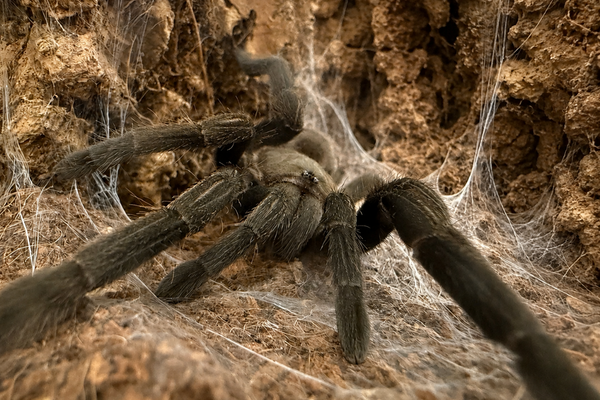
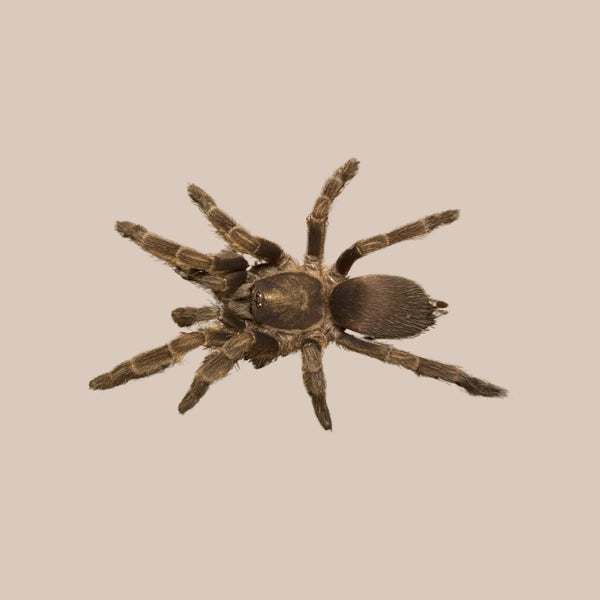
Queensland Bird-Eating Spider (Selenocosmia crassipes): Whistling Spider · Barking Spider · Phlogius crassipes
Stirling's Australian Tarantula (Selenocosmia stirlingi)
Featherleg Bird-Eating Spider (Selenotypus plumipes)
Northern Bird-Eating Spider (Selenotholus foelschei)

Australian Tarantula & Bird-Eating Spider Care Guide
Lifespan
Females: 15-30+ years; males: 2-4 years
Adult Size
Leg span up to 22cm
Care Level
Low to Medium
Diet

Live invertebrate prey — primarily crickets, woodies (cockroaches) and mealworms sized appropriately to the spider; larger adults may take small mice on rare occasions

Enclosure

Secure, escape-proof enclosure with a tight-fitting lid, appropriate substrate depth for burrowing, a hide and a shallow water dish; enclosure size scaled to the adult size of the species

Temperament

Defensive rather than aggressive — will retreat if given the option. Bites are painful

Where they come from

Natural History & Origin

Australia is home to a diverse assemblage of mygalomorph spiders, including numerous tarantula and bird-eating spider species spread across the continent. Selenotypus plumipes (Featherleg Bird-Eating Spider) is native to the semi-arid and arid interior regions of Queensland and extending into New South Wales and the Northern Territory, where it constructs deep silk-lined burrows in hard-packed soil or sandy substrates. Selenotholus foelschei is found across tropical northern Australia, including the Northern Territory and northern Queensland.

Phlogius species (synonymous with Selenocosmia) are distributed across Queensland, from coastal tropical rainforest margins to dry inland woodland, and include some of the largest and most visually impressive Australian tarantulas. These are the species most frequently referred to as 'Queensland whistling spiders' — named for the stridulation (rasping sound) they produce by rubbing the chelicerae together when disturbed.

All Australian tarantulas are venomous. Their venom is not considered medically significant to healthy adults in most cases, though bites are painful and some individuals may experience more pronounced local reactions. Urticating hairs — the defence mechanism of many South American tarantulas — are absent in Australian species; their primary defence is the threat display and, if provoked, a bite. Keeping Australian tarantulas and bird-eating spiders is a rewarding but responsible commitment suited to keepers who understand and respect the venomous nature of their animals.

Get it right early

Tips for First-Time Owners

  1. 1 Remove all prey items within 12–24 hours if not consumed — a cricket or cockroach left in the enclosure with a pre-moulting spider is one of the most common and serious causes of injury and death in captive tarantulas.
  2. 2 Never disturb a fasting spider, and never attempt to force-feed — a tarantula that is not eating is either approaching a moult, post-moult, or stressed; forced feeding causes serious harm.
  3. 3 Provide a water dish at all times and ensure the lower substrate retains some moisture for burrowing species — dehydration is a slow and often unnoticed killer.
  4. 4 Spiderlings (slings) require the same care principles as adults, but at a much smaller scale — appropriately tiny prey, secure micro-enclosures, and extreme caution during handling or transfers due to their speed and fragility.
  5. 5 Confirm your state's current licensing requirements before purchasing — most commonly kept Australian species do not require a licence in most states, but requirements vary and can apply to specific species.
Setting up the habitat

Enclosure & Husbandry

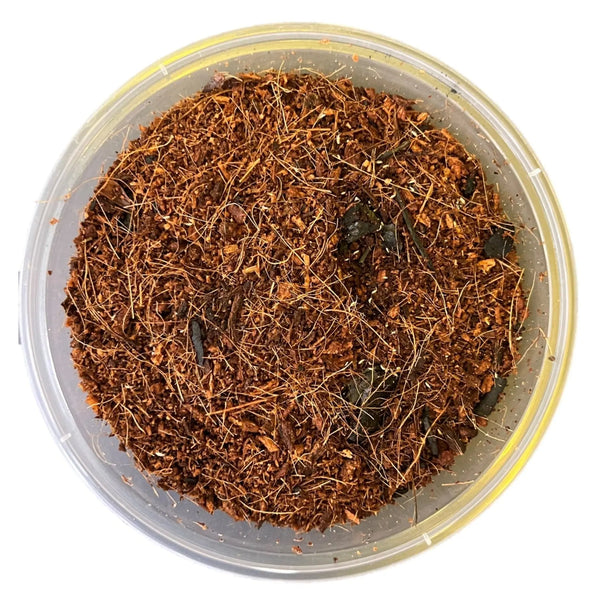
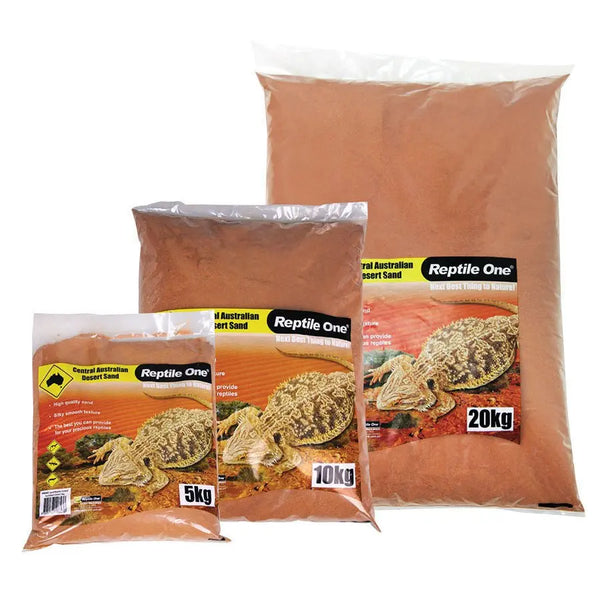
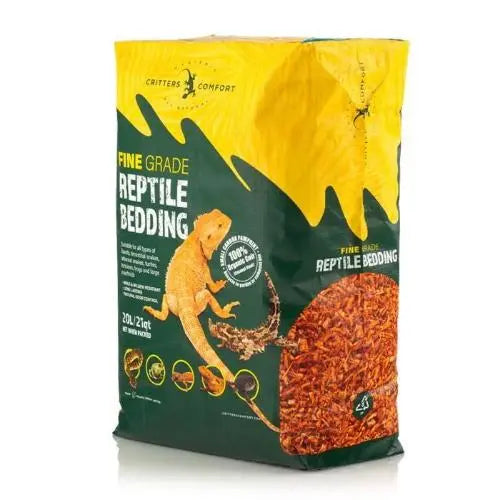
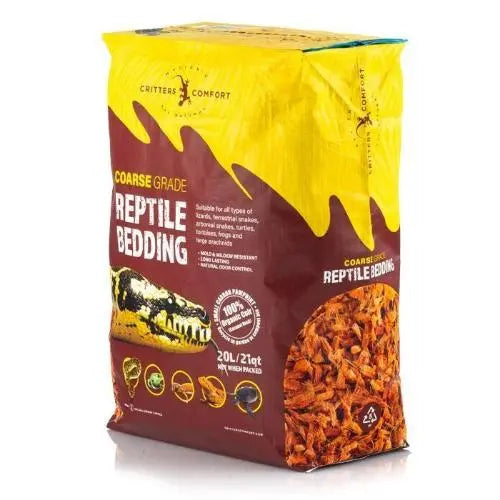
Enclosure requirements should reflect the species' natural lifestyle. Burrowing species such as Selenotypus plumipes and most Selenocosmia species require a substrate depth sufficient to allow full burrow excavation — a minimum of 15–20 cm of appropriate substrate for adults. An appropriate substrate mix consists of two parts chemical-free topsoil or coco peat to one part coarse sand, packed firmly enough to allow burrow walls to hold their shape without collapsing.

For spiderlings (slings), small, secure containers (such as deli cups or purpose-made sling containers with ventilation holes) of appropriate size are used — a sling should be housed in a container no more than two to three times its leg span. Containers must be fully secure; slings are tiny and extremely fast, and even very small gaps allow escape. As the spider grows, it is transferred to progressively larger enclosures.

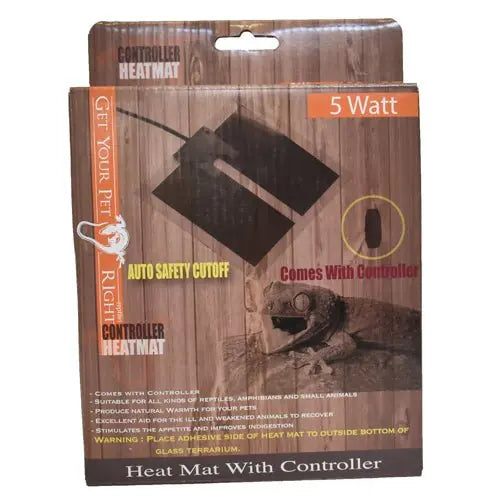
An appropriately sized cork bark hide or half-log should be provided on the surface for species that construct surface retreats. Temperature of 24–30°C is suitable for most Australian species; tropical species prefer the warmer end of this range. No UVB lighting is required. A shallow water dish must always be available for all but the smallest slings. Ventilation is important — cross-ventilation with side and top vents is preferable to top-only ventilation. All enclosures must be completely escape-proof and should include a secure locking mechanism, particularly given the venomous nature of the animals.

Licensing requirements vary by state — in most Australian states, commonly kept species do not require a specific keeper licence, but requirements vary and should be confirmed with your state wildlife authority before purchasing.

What to feed

Dietary Management

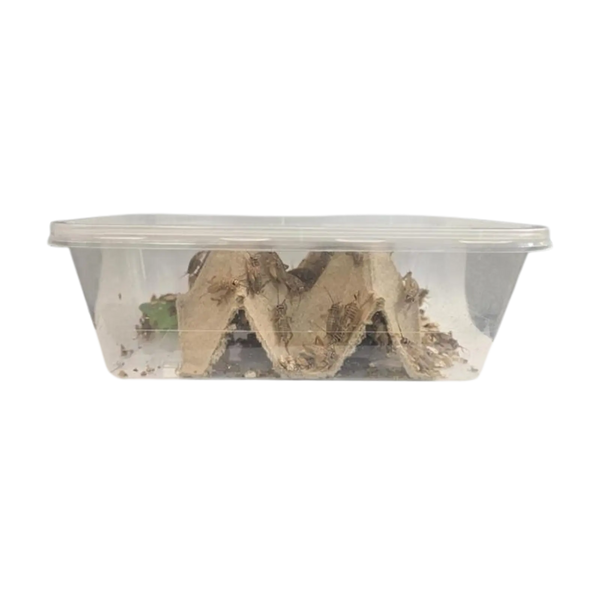
Australian tarantulas are sit-and-wait predators that feed on live prey. Crickets and wood cockroaches (woodies) are the most practical staple prey items. Mealworms and other invertebrates can be offered for variety. Prey size should always be no larger than the spider's abdomen — oversized prey can stress, injure or kill a spider, particularly around moulting.

Spiderlings (slings) should be offered appropriately sized prey — pinhead crickets, small mealworms or parts of larger prey items — every three to five days. Juveniles can be fed every five to seven days. Adults require feeding only every one to two weeks; many keepers feed large adults even less frequently. Overfeeding leads to obesity and can interfere with moulting. A notably swollen, distended abdomen is a sign of overfeeding. After a refused meal, remove the uneaten prey immediately — live prey left in the enclosure during a moult or pre-moult period can seriously injure or kill the spider.

All prey should be gut-loaded for 24 hours before offering. Use long feeding tongs — never reach into the enclosure with bare hands when the spider is exposed. Fresh dechlorinated water must be available in a shallow dish at all times; spiderlings can be misted lightly rather than provided a water dish to avoid drowning risk.

Day-to-day interaction

Handling & Socialisation

Australian tarantulas and bird-eating spiders are observation animals and should not be handled routinely. Unlike many exotic tarantula species with relatively docile reputations, Australian species are fast, defensive and venomous — the risk-to-reward ratio of routine handling is not favourable. Handling should be limited to essential transfers (for enclosure cleaning, health assessment or veterinary care) and carried out with the utmost care and deliberation.

When handling is unavoidable, use a soft paintbrush or blunt forceps to guide the spider into a secure transfer container rather than attempting direct contact. If direct handling must occur, remain extremely calm and deliberate, keep the spider close to a surface at all times, and never attempt to restrain a defensive animal. Spiderlings (slings) should never be handled — they are fragile, extremely fast, and a fall or mishandling at this size can be fatal.

Always have a clear plan before opening any enclosure containing an Australian tarantula — these spiders can move with startling speed. Keep children and uninvolved people away during any maintenance.

Selenotypus Tarantula - Kellyville Pets
AVAILABLE IN-STORE

Selenotypus Tarantula

Did you know

Fun Facts

Australian bird-eating spiders were the first spiders in the world documented using stridulation — rubbing their chelicerae (fangs) together to produce a rasping, hissing sound — as a defensive warning. The 'whistling' or 'barking' name refers to this behaviour, which is loud enough to be heard across a room.

Female Australian tarantulas are extraordinarily long-lived for invertebrates — some individuals have been recorded in captivity for over 30 years, outliving many vertebrate pets and making them among the longest-lived spiders on Earth.

Spiderlings (slings) are produced in egg sacs that may contain hundreds of eggs — a single egg sac from a large Phlogius female can produce 100–200 or more spiderlings, each beginning life as a tiny, fully formed spider that must find its own shelter and food from the moment of dispersal.

Keep them stimulated

Enrichment

The most meaningful enrichment for burrowing tarantulas is a deep, packable substrate that allows the spider to excavate, modify and maintain its burrow system according to its own preferences. A spider that can engineer its own burrow architecture — adjusting the depth, branching and silk lining over time — is expressing its most fundamental natural behaviour.

For surface-dwelling or opportunistic burrowers, a cork bark hide with silk anchoring points and a varied substrate surface provides environmental complexity. Introducing live prey in the evening — when Australian tarantulas are naturally most active — allows observation of natural hunting behaviour. Some spiders will actively hunt; others ambush from the burrow entrance.

For keepers with multiple animals, maintaining animals in naturalistic displays — with live low-care plants, cork bark features and natural substrates — provides visual interest for the keeper and environmental complexity for the spider. Observing spiderlings (slings) through their developmental moults and watching them grow into impressive adults is one of the most rewarding long-term aspects of keeping this group.

What to watch for

Common Health Issues

Failed moults are the most serious and common cause of death in captive tarantulas. They most often result from dehydration (insufficient moisture in the substrate for burrowing species), enclosure conditions being too dry, injury from prey left in the enclosure during pre-moult, or the spider being disturbed during the moulting process. Prevention requires removing all prey during fasting periods, maintaining appropriate substrate moisture and never disturbing a moulting animal.

Dehydration is a persistent risk — signs include a shrunken, wrinkled abdomen (distinct from the pre-moult swelling pattern). Ensure the water dish is always full and that the lower substrate retains some moisture for burrowing species. Prey injuries — from crickets, cockroaches or mealworms left unattended in the enclosure — are a common and preventable cause of serious harm; remove all uneaten prey within 12–24 hours without exception.

Substrate mite infestations can develop in humid enclosures with accumulated food waste — maintain hygiene and consider replacing substrate if mites are detected in significant numbers. Any spider showing prolonged abnormal posture (legs curled under the body while not moulting), failure to eat across multiple feeding cycles after a full moult recovery, or unexplained weight loss should be assessed by a veterinarian experienced with invertebrates.

Everything you need

Essentials Shopping List

Setup checklist

  • Secure enclosure with escape-proof, lockable lid — sized to the species (sling: deli cup 500 ml–1L; juvenile: 2–5L; adult Selenotypus/Phlogius: 10–20L minimum)
  • Deep substrate — chemical-free topsoil/coco peat and coarse sand mix (15–20 cm depth for burrowing adults)
  • Cork bark hide or half-log
  • Shallow water dish
  • Water dechlorinator
  • Long feeding tongs (25+ cm)
  • Soft paintbrush (for guiding without direct contact)
  • Micro-container for sling housing
  • Live cricket supply
  • Live wood cockroach (woodies) supply
  • Small mealworms (for spiderlings)
  • Feeder insect gut-load food
  • Fine-mist spray bottle (for sling humidity management)
  • Torch (for enclosure inspection)
  • First aid plan (in case of bite)
FAQ

Commonly Asked Questions

  • Are Australian tarantulas dangerous?

    Australian tarantulas are venomous and their bites are painful, causing local pain, swelling and in some cases nausea, sweating and prolonged discomfort. They are not considered medically significant to healthy adults in most cases, but bites should be taken seriously and medical advice sought if systemic symptoms develop. They should not be kept in households where they could be accessed by young children.

  • What is the difference between a spiderling and an adult?

    Spiderlings — often called 'slings' in the hobby — are juvenile spiders hatched from the egg sac. They are tiny (5–10 mm), require smaller enclosures and prey, and are proportionally more delicate than adults. They grow through a series of moults over several years before reaching adult size. The term 'sling' is widely used in tarantula keeping communities.

  • How do I know if my spider is about to moult?

    Key signs include extended fasting (several weeks to months in adults), reduced or absent activity, a darkening or dull-looking abdomen, blocking of the burrow entrance with silk, and sometimes flipping onto the back in preparation. During this period, all prey must be removed immediately.

  • Can I keep multiple Australian tarantulas together?

    No. All tarantula species are solitary and cannibalistic — cohabitation of any age or size combination will almost always result in one animal being killed and consumed. Every individual must be housed in its own enclosure.

  • Do I need a licence to keep Australian tarantulas?

    Most commonly kept species do not require a keeper licence in most Australian states. However, requirements vary between states and for specific species — always confirm with your state wildlife authority before purchasing.

Need help?

Our specialists are in-store every day to help with setup, licensing and feeding.

Visit Kellyville Pets →