


Morelia Python
Morelia species
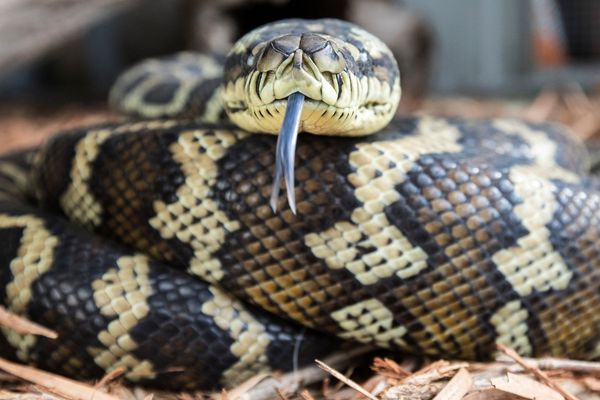

20-30+ years

1.5-3m, depending on species

Medium


Where they come from
Natural History & Origin


Get it right early
Tips for First-Time Owners
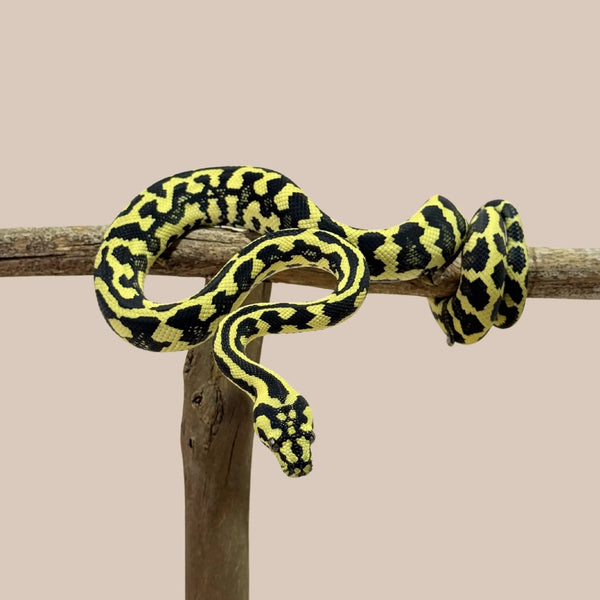
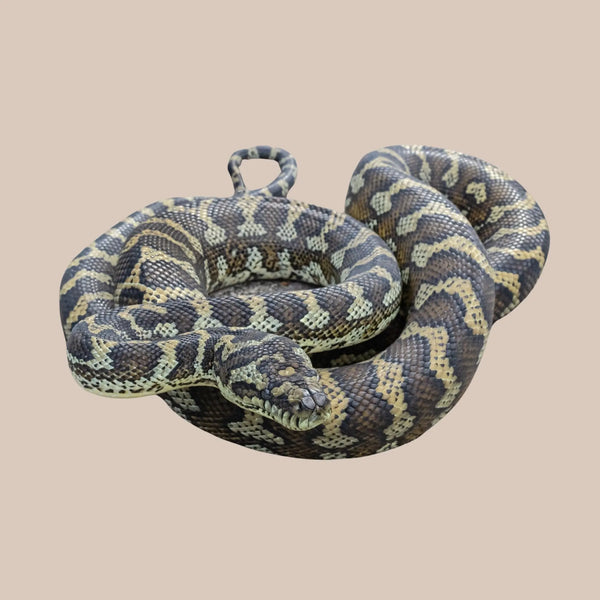
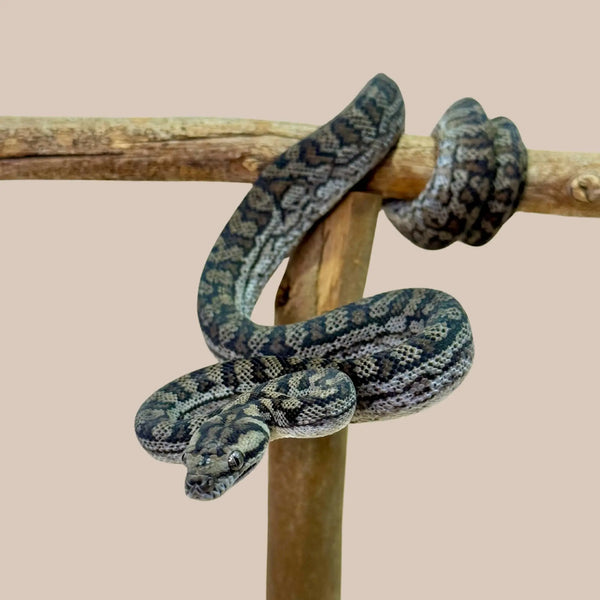
- 1 Research your chosen subspecies carefully before purchasing — Jungle Carpet Pythons are often the most visually striking but can be the most challenging temperamentally; Coastal and Darwin Carpet Pythons are generally calmer starting points.
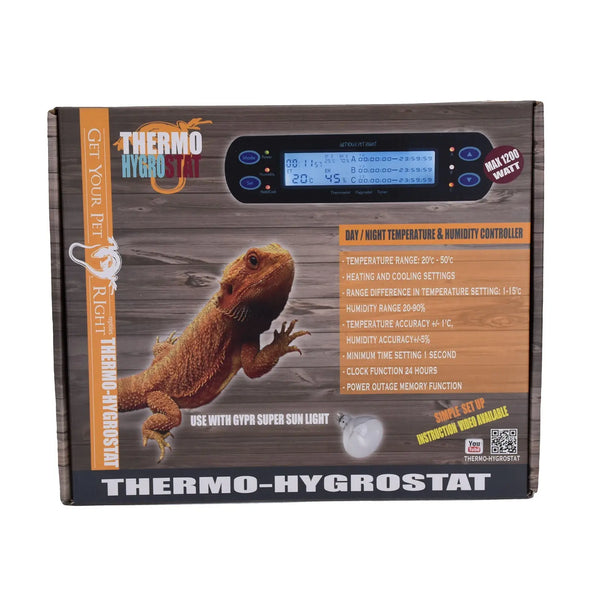
- 2 Invest in a quality thermostat — temperature instability is the most common cause of respiratory infection and general ill health in captive pythons.
- 3 Plan ahead for adult size from the outset — a large female Coastal Carpet Python can reach 2.5 m and will eventually require a substantial, purpose-built enclosure.
- 4 Handle regularly from a young age — a Jungle Carpet Python that goes unhandled for weeks will often revert to defensive behaviour and require patient re-socialisation.
- 5 Obtain a valid fauna keeper licence before purchasing and source your animal only from a licensed, reputable captive breeder.
Setting up the habitat
Enclosure & Husbandry
What to feed
Dietary Management
Day-to-day interaction
Handling & Socialisation
Find your next best friend
Browse all Pythons →
Our Available Pythons
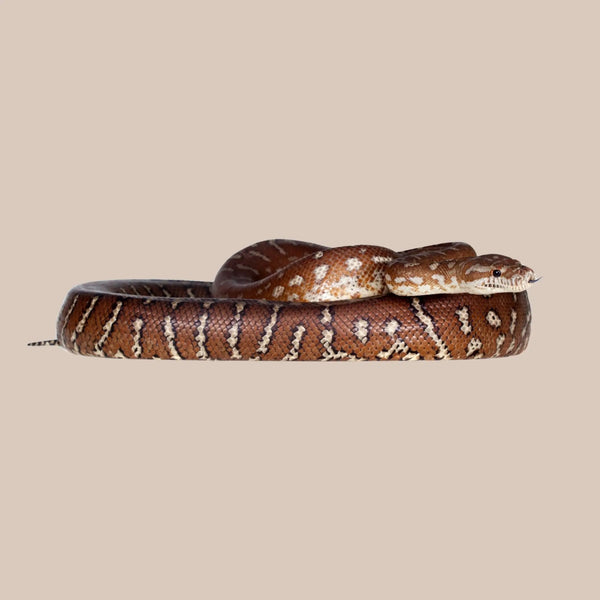
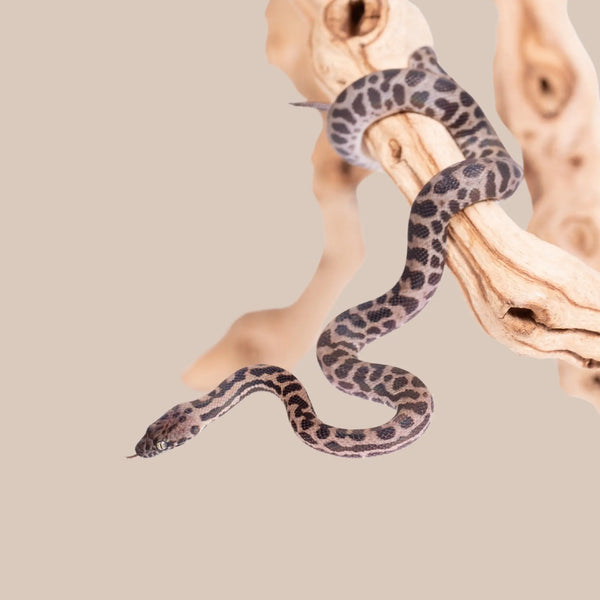
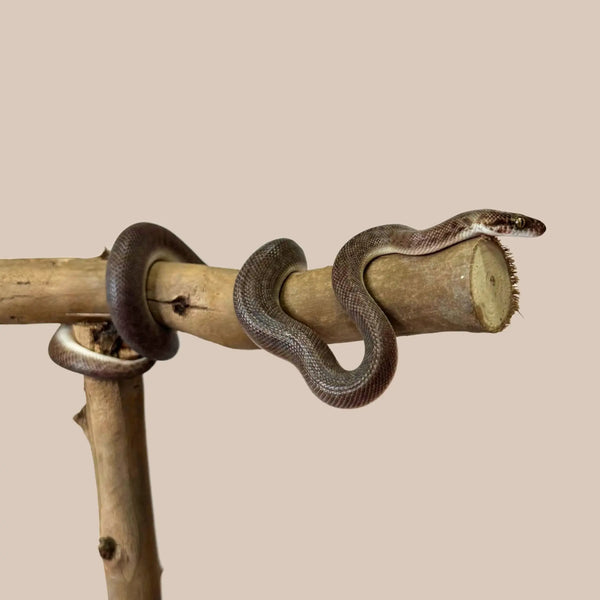
Did you know
Fun Facts
Carpet Pythons are one of Australia's most habitat-versatile snakes — the same species complex occurs in tropical rainforests, alpine woodland and everything in between, with subspecies adapted to each environment.
They are semi-arboreal and have been observed resting in tree canopies over ten metres off the ground in the wild — in captivity, they will readily use elevated branches and perches if provided.
Female Carpet Pythons demonstrate thermogenic brooding — after laying a clutch of eggs, the female coils tightly around them and generates body heat through rhythmic muscular contractions, maintaining incubation temperature for the full two-month period.
Keep them stimulated
Enrichment
What to watch for
Common Health Issues
Everything you need
Essentials Shopping List
Setup checklist
- Timber or secure glass enclosure — minimum 90 × 60 × 120 cm for adults up to 2 m; larger for bigger subspecies
- Escape-proof locking mechanism
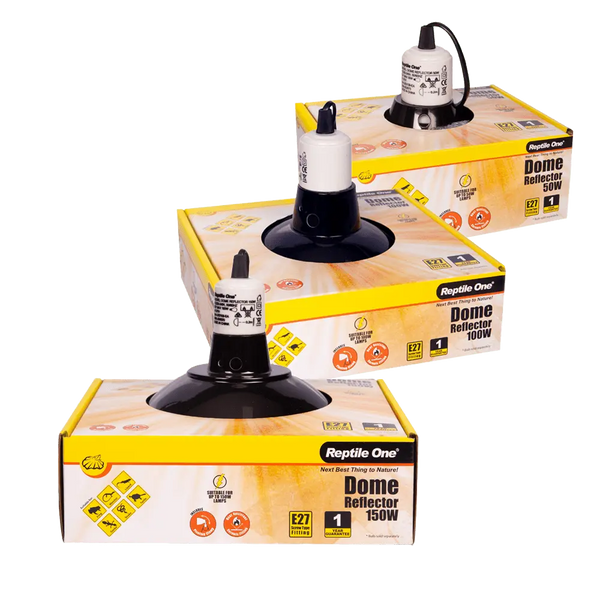
- Radiant heat panel, ceramic heat emitter or heat lamp
- Quality thermostat (essential)
- Digital dual-probe thermometer (basking and cool end)
- Two large, snug hides (warm and cool end)
- Sturdy climbing branches (multiple, at varying heights)
- Vines or artificial climbing décor
- Large, heavy water bowl
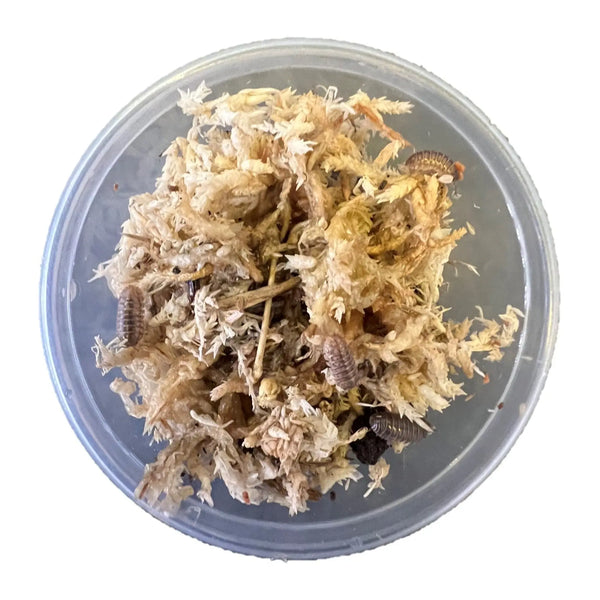
- Damp moss / humid hide (for shed support)
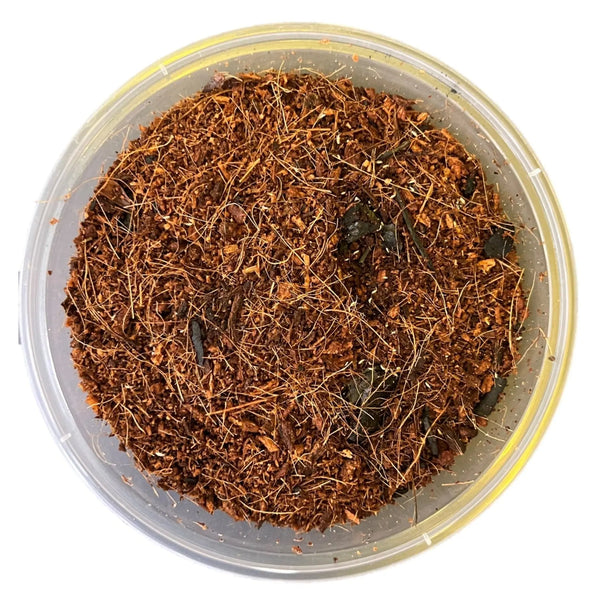
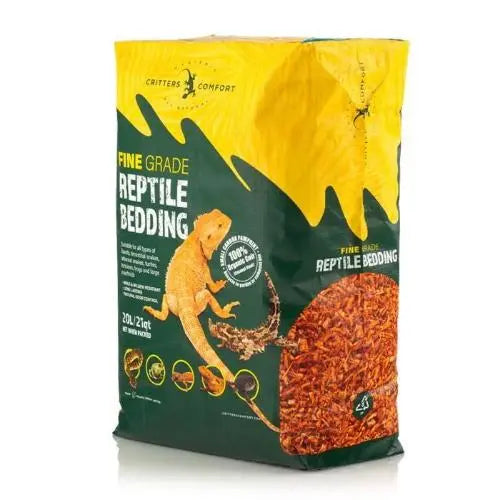
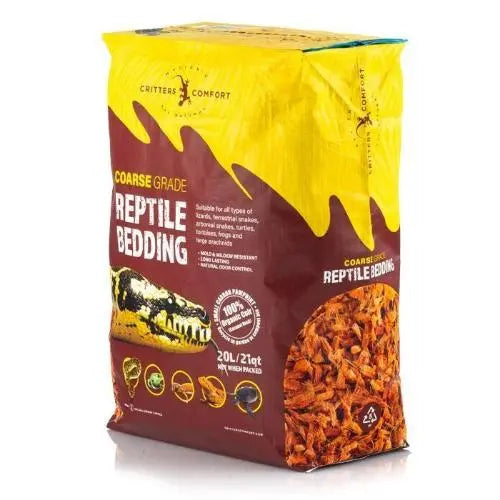
- Coconut fibre, aspen or cypress mulch substrate
- Reptile-safe disinfectant
- Long feeding tongs (minimum 40 cm)
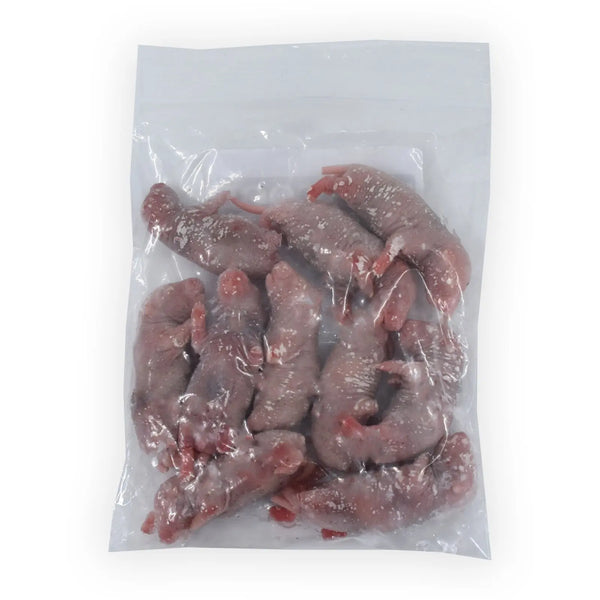
- Frozen rodent supply (mice and/or rats, size-appropriate)
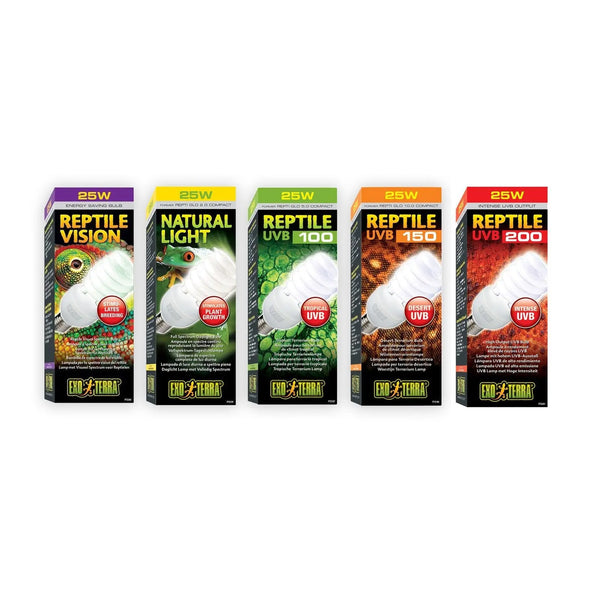
- T5 6–10% UVB tube and fitting
- Lighting timer
- Fauna keeper licence (state-specific)
- Feeding and husbandry record book
Ready to Set Up
Browse all →
Shop the Essentials
FAQ
Commonly Asked Questions
-
Are Carpet Pythons venomous?
-
How large will my Carpet Python grow?
-
Is the Bredli Python a type of Carpet Python?
-
Do Carpet Pythons need UVB lighting?
-
Is a licence required to keep a Carpet Python in Australia?
Need help?