


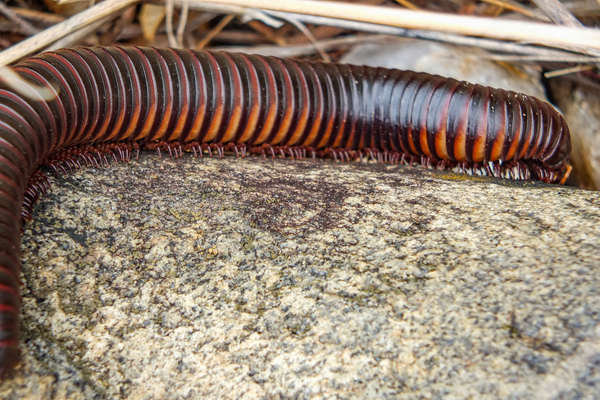
Australian Millipede
Various species

3-10+ years

up to 20cm

Low


Where they come from
Natural History & Origin


Get it right early
Tips for First-Time Owners
- 1 Substrate quality is the most important aspect of millipede keeping: it must be moist, nutritious and deep. A mix of decomposing leaf litter, rotting hardwood and organic topsoil is the gold standard. Replace and refresh substrate elements regularly.
- 2 Calcium must be consistently available: a piece of cuttlebone or crushed clean eggshells permanently in the enclosure supports healthy moulting and exoskeleton development.
- 3 Millipedes produce defensive secretions: always wash hands after handling. Keep secretion away from eyes and mouth.
- 4 Do not disturb a burrowed millipede: it is almost certainly moulting or digesting. Leave it completely undisturbed.
- 5 Never use pesticide-treated produce or substrate: millipedes are extremely sensitive to chemical contamination. Rinse all fresh vegetables and confirm substrate is pesticide-free before use.
Setting up the habitat
Enclosure & Husbandry
What to feed
Dietary Management
Day-to-day interaction
Handling & Socialisation
Find your next best friend
Browse all Critters →
Our Available Critters
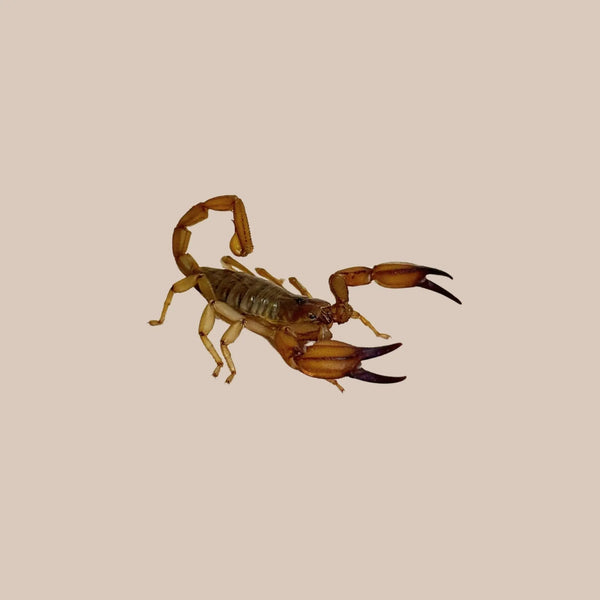
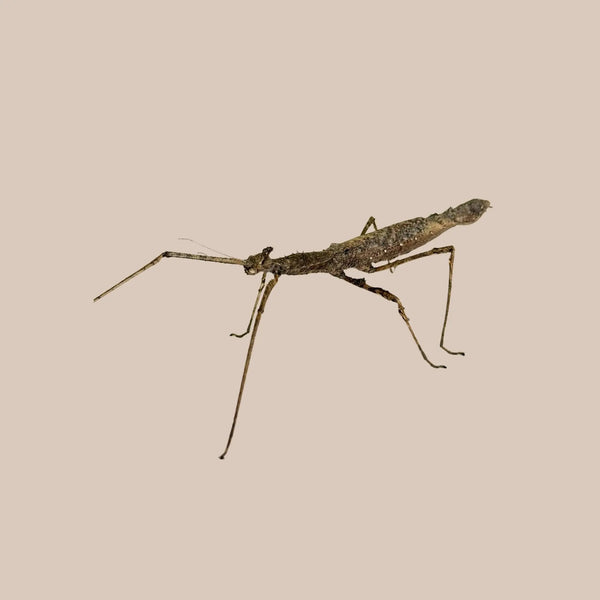
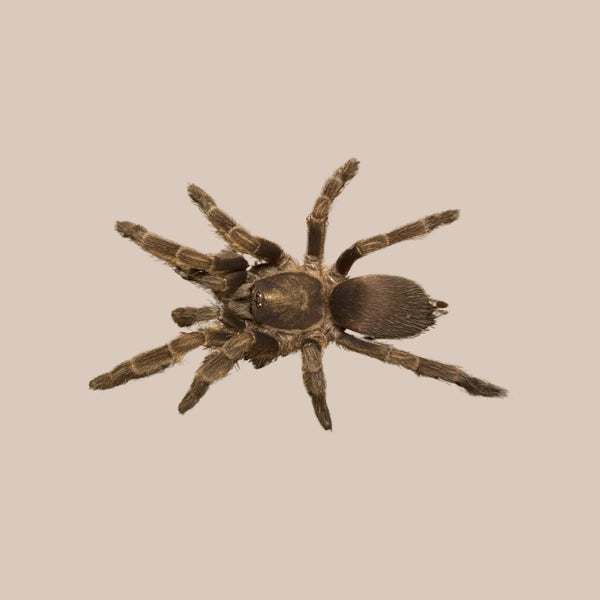
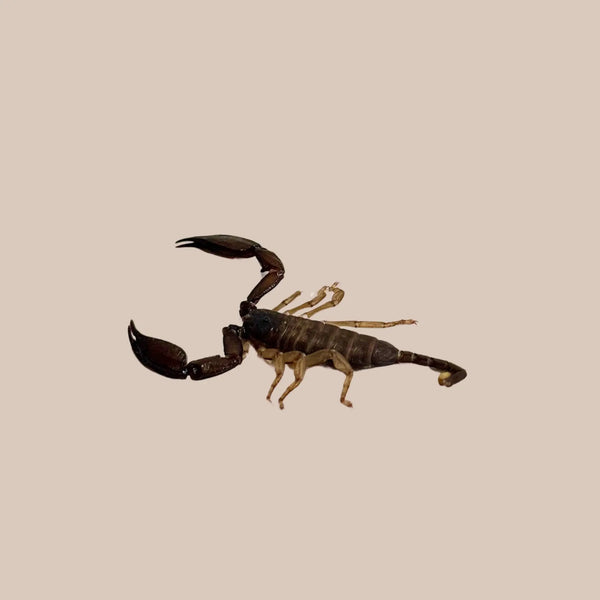
Did you know
Fun Facts
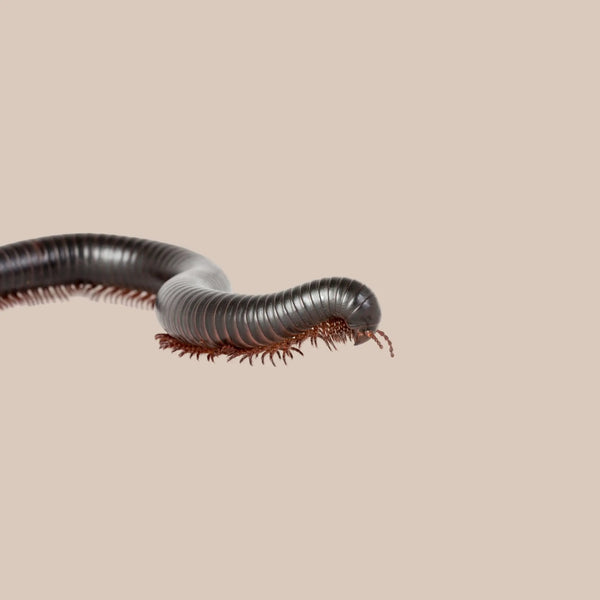
The name 'millipede' means 'a thousand feet' in Latin — but no species on Earth actually has 1,000 legs. The Australian record is held by species with approximately 300-400 legs. The world record is held by Eumillipes persephone, a recently discovered cave-dwelling Australian millipede with up to 1,306 legs — the most of any known animal, and the first true 'millipede' to exceed 1,000 legs.
Millipedes are among the most ancient land animals on Earth. The oldest known fossils of air-breathing land animals are millipedes from the late Silurian period, approximately 425 million years ago — making millipedes one of the first animals to colonise land from the sea.
The defensive chemical secretions of millipedes have been observed to attract primates in Africa: several primate species deliberately pick up and rub millipedes across their fur as a natural insect repellent — one of the very few documented examples of animals using invertebrates as chemical tools.
Keep them stimulated
Enrichment
What to watch for
Common Health Issues
Everything you need
Essentials Shopping List
Setup checklist
- Enclosed glass or plastic terrarium with secure lid (min. 20 x 30 x 20 cm)
- Deep nutrient-rich substrate (8-15 cm): decomposing leaf litter, rotting hardwood, organic topsoil blend
- Fresh leaf litter (ongoing replenishment) and rotting wood/bark pieces
- Cork bark sections and flat rocks for daytime shelter
- Misting bottle (regular use to maintain substrate moisture)
- Hygrometer (for monitoring enclosure humidity 70-80%)
- Thermometer
- Heat mat and thermostat (cooler climates and winter)
- Cuttlebone or crushed clean eggshells (calcium supplement — permanent)
- Fresh vegetables for supplemental feeding (carrot, cucumber, zucchini, leafy greens)
- Shallow water dish with gravel or moss (drowning prevention)
- Invertebrate-safe disinfectant (for enclosure cleaning)
- Feeding forceps (for placing and removing supplemental food)
Ready to Set Up
Browse all →
Shop the Essentials
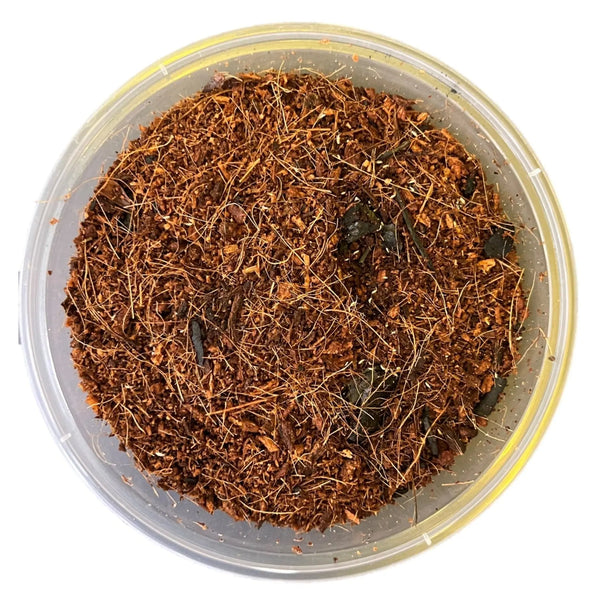
Springtails Clean Up Crew
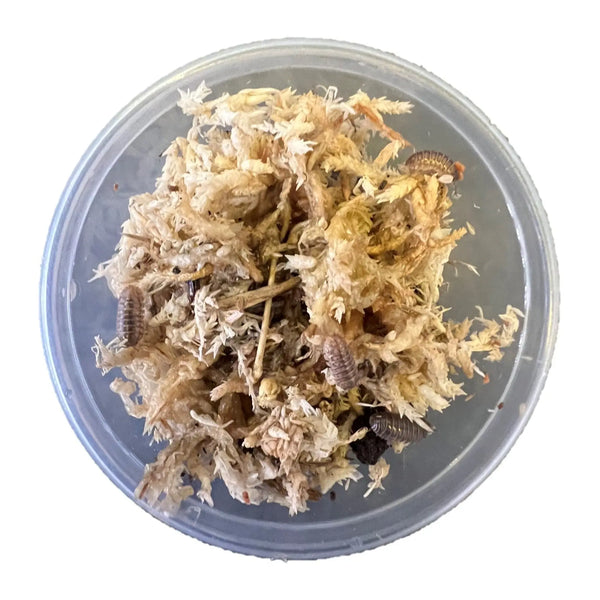
Isopod Clean Up Crew
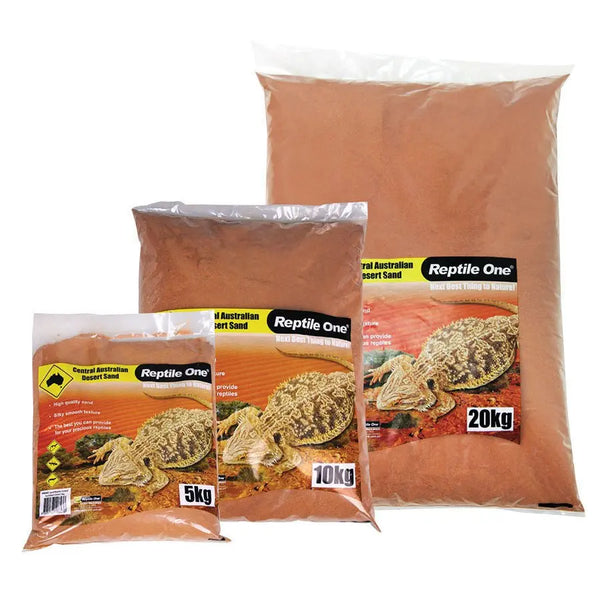
Reptile One Central Australian Desert Sand
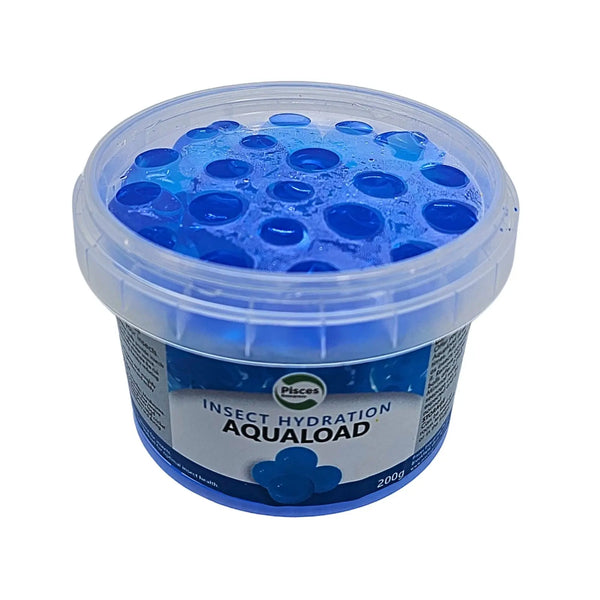
Pisces Aqua Load
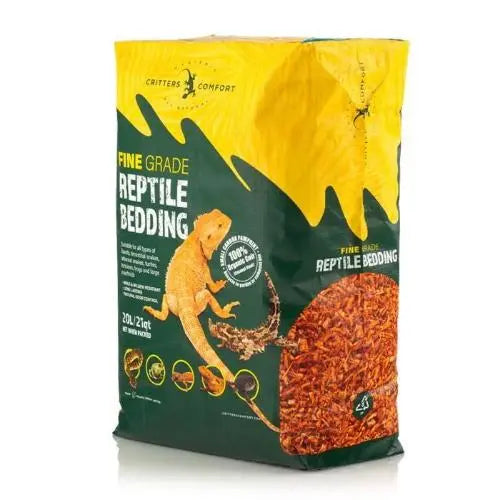
Critter's Comfort Fine 20L - Previously Kritter's Crumble
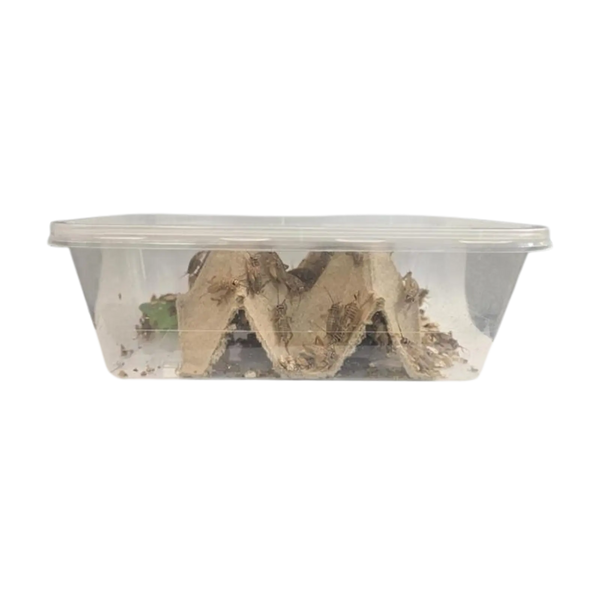
Live Crickets - Bio Supplies - Standard Tub
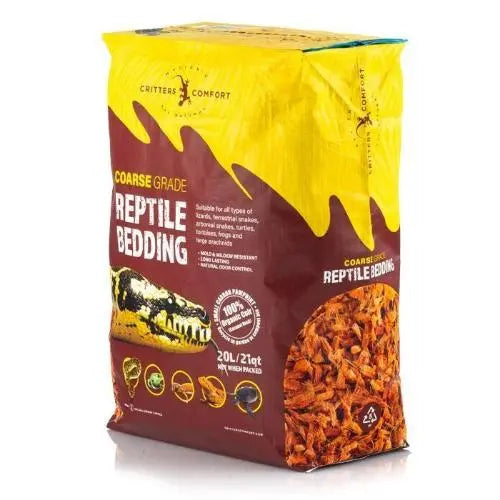
Critter's Comfort Coarse 20L - Previously Kritter's Crumble
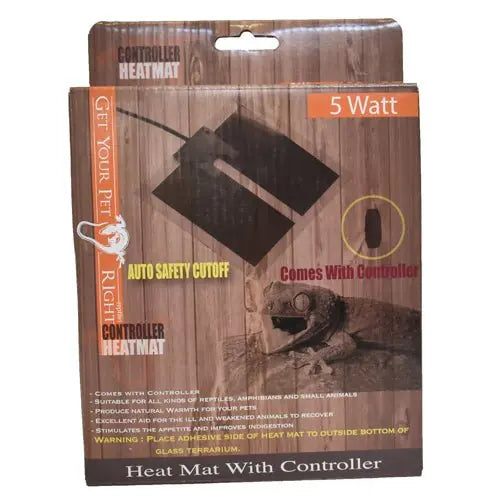
Get Your Pet Right Heat Mat With Controller
FAQ
Commonly Asked Questions
-
Are millipedes venomous?
-
How do I tell a millipede from a centipede?
-
My millipede burrowed and hasn't been seen for days. Is it okay?
-
Can millipedes be kept together?
-
Do I need a licence to keep millipedes in Australia?
Need help?