


Australian Tarantulas/Bird-Eating Spiders
Various species
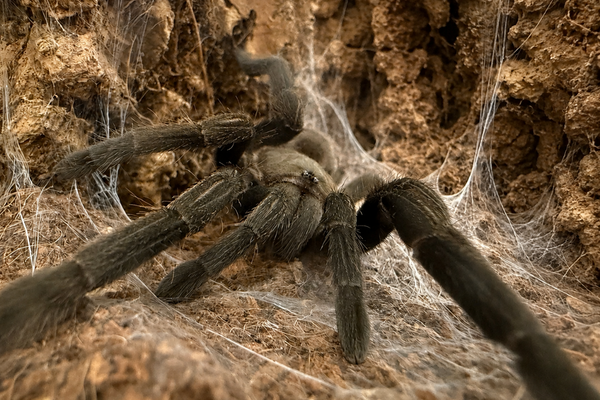

Females: 15-30+ years; males: 2-4 years

Leg span up to 22cm

Low to Medium


Where they come from
Natural History & Origin

Get it right early
Tips for First-Time Owners
- 1 Remove all prey items within 12–24 hours if not consumed — a cricket or cockroach left in the enclosure with a pre-moulting spider is one of the most common and serious causes of injury and death in captive tarantulas.
- 2 Never disturb a fasting spider, and never attempt to force-feed — a tarantula that is not eating is either approaching a moult, post-moult, or stressed; forced feeding causes serious harm.
- 3 Provide a water dish at all times and ensure the lower substrate retains some moisture for burrowing species — dehydration is a slow and often unnoticed killer.
- 4 Spiderlings (slings) require the same care principles as adults, but at a much smaller scale — appropriately tiny prey, secure micro-enclosures, and extreme caution during handling or transfers due to their speed and fragility.
- 5 Confirm your state's current licensing requirements before purchasing — most commonly kept Australian species do not require a licence in most states, but requirements vary and can apply to specific species.
Setting up the habitat
Enclosure & Husbandry
What to feed
Dietary Management
Day-to-day interaction
Handling & Socialisation
Find your next best friend
Browse all Critters →
Our Available Critters
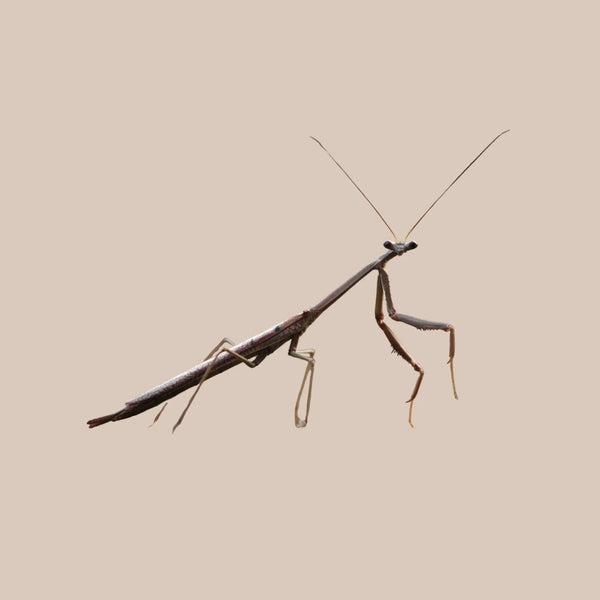
Did you know
Fun Facts
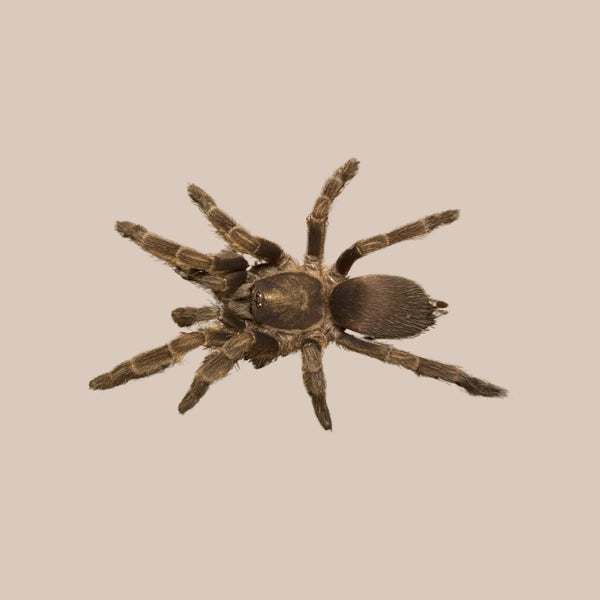
Australian bird-eating spiders were the first spiders in the world documented using stridulation — rubbing their chelicerae (fangs) together to produce a rasping, hissing sound — as a defensive warning. The 'whistling' or 'barking' name refers to this behaviour, which is loud enough to be heard across a room.
Female Australian tarantulas are extraordinarily long-lived for invertebrates — some individuals have been recorded in captivity for over 30 years, outliving many vertebrate pets and making them among the longest-lived spiders on Earth.
Spiderlings (slings) are produced in egg sacs that may contain hundreds of eggs — a single egg sac from a large Phlogius female can produce 100–200 or more spiderlings, each beginning life as a tiny, fully formed spider that must find its own shelter and food from the moment of dispersal.
Keep them stimulated
Enrichment
What to watch for
Common Health Issues
Everything you need
Essentials Shopping List
Setup checklist
- Secure enclosure with escape-proof, lockable lid — sized to the species (sling: deli cup 500 ml–1L; juvenile: 2–5L; adult Selenotypus/Phlogius: 10–20L minimum)
- Deep substrate — chemical-free topsoil/coco peat and coarse sand mix (15–20 cm depth for burrowing adults)
- Cork bark hide or half-log
- Shallow water dish
- Water dechlorinator
- Long feeding tongs (25+ cm)
- Soft paintbrush (for guiding without direct contact)
- Micro-container for sling housing
- Live cricket supply
- Live wood cockroach (woodies) supply
- Small mealworms (for spiderlings)
- Feeder insect gut-load food
- Fine-mist spray bottle (for sling humidity management)
- Torch (for enclosure inspection)
- First aid plan (in case of bite)
Ready to Set Up
Browse all →
Shop the Essentials
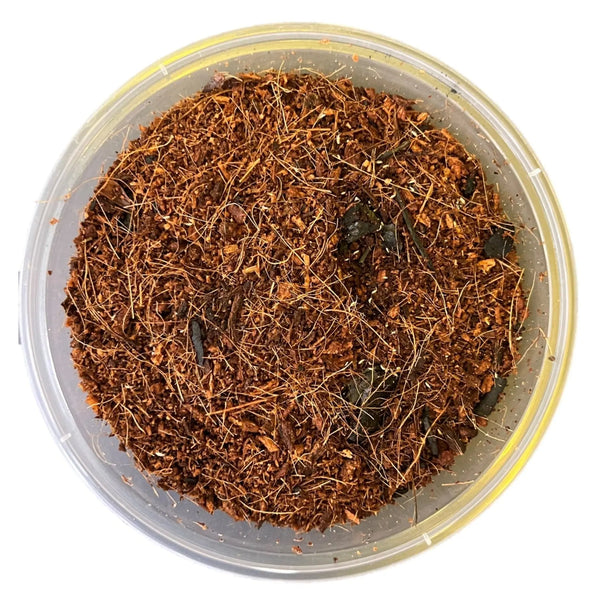
Springtails Clean Up Crew
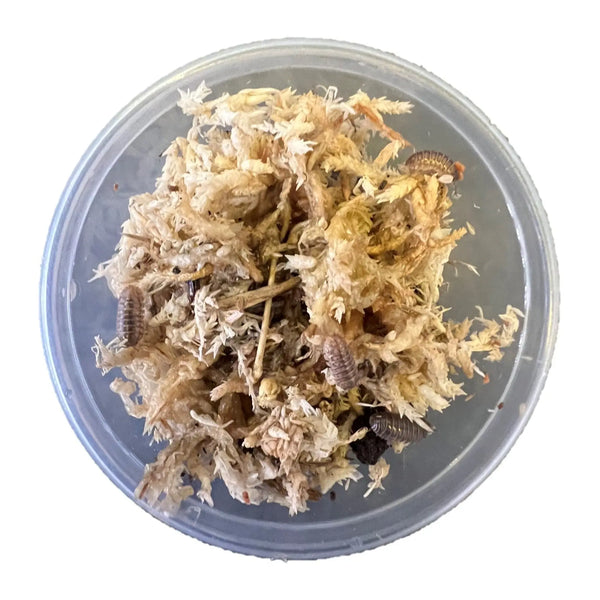
Isopod Clean Up Crew
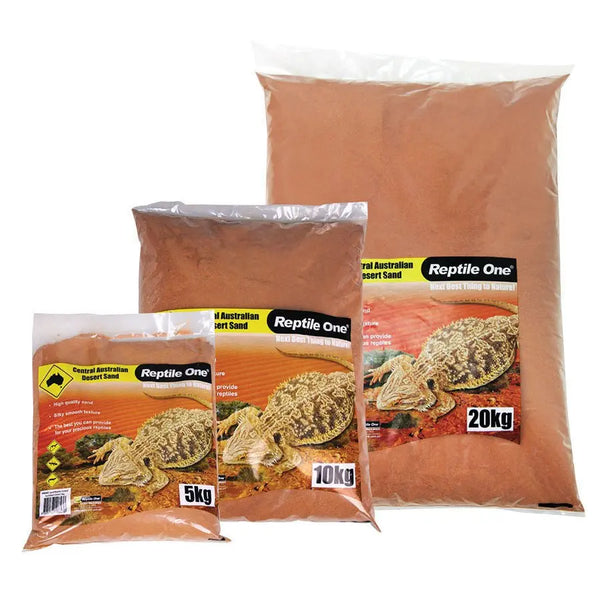
Reptile One Central Australian Desert Sand
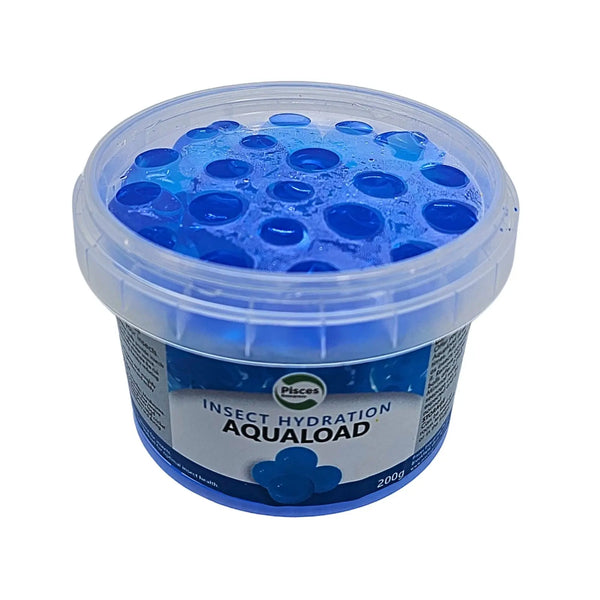
Pisces Aqua Load
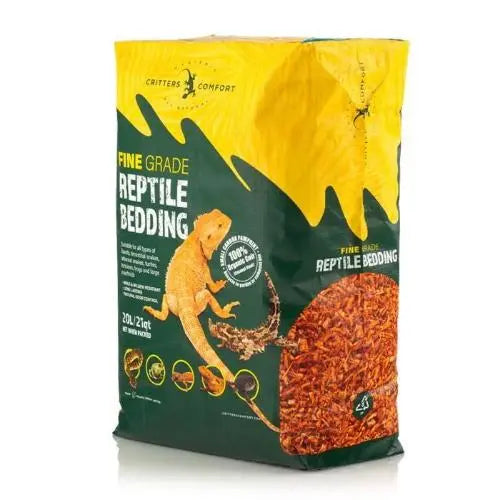
Critter's Comfort Fine 20L - Previously Kritter's Crumble
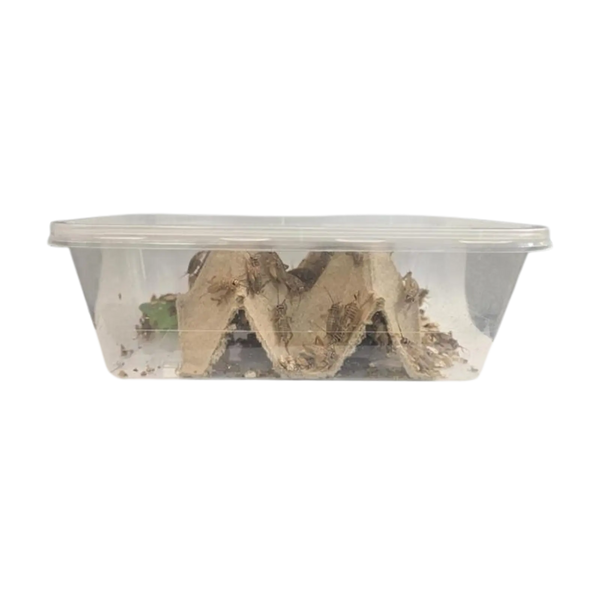
Live Crickets - Bio Supplies - Standard Tub
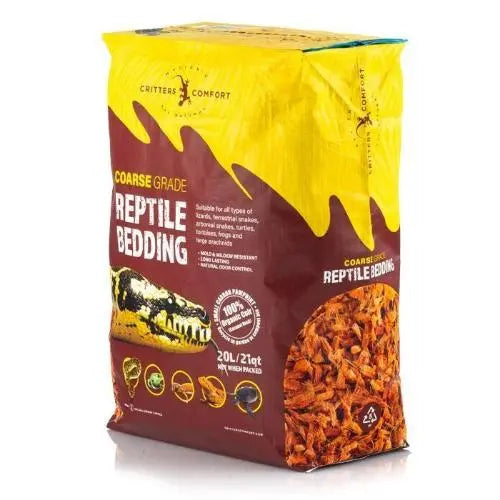
Critter's Comfort Coarse 20L - Previously Kritter's Crumble
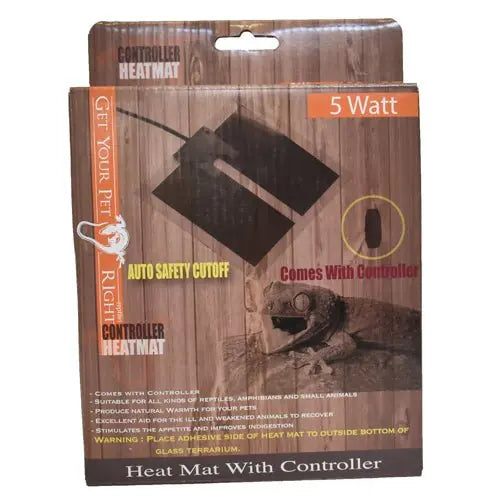
Get Your Pet Right Heat Mat With Controller
FAQ
Commonly Asked Questions
-
Are Australian tarantulas dangerous?
-
What is the difference between a spiderling and an adult?
-
How do I know if my spider is about to moult?
-
Can I keep multiple Australian tarantulas together?
-
Do I need a licence to keep Australian tarantulas?
Need help?