Care Guide6 min read

Giant Burrowing Cockroach

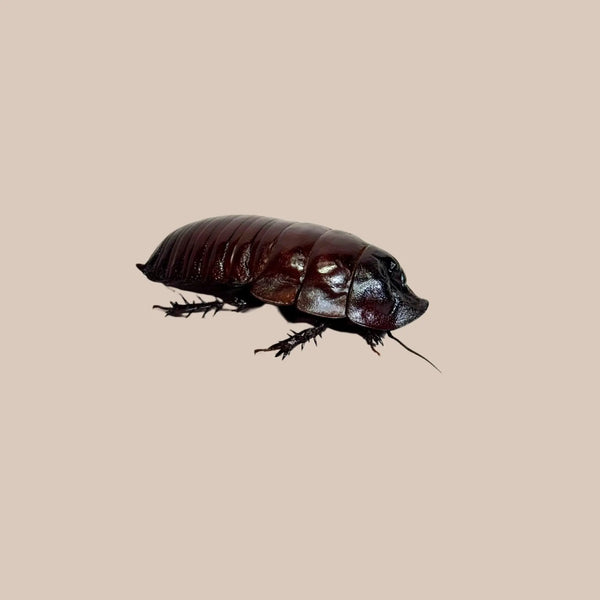
Macropanesthia rhinoceros
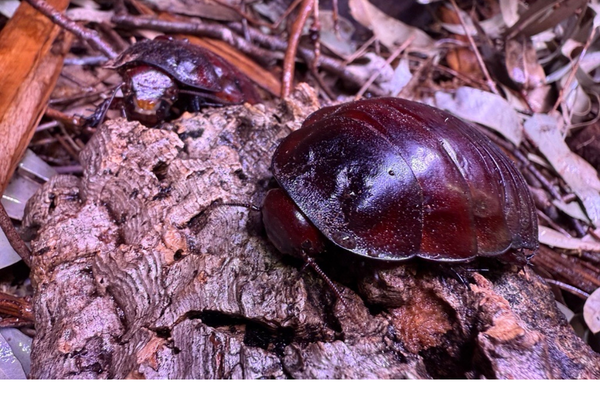
Rhinoceros Cockroach · Litter Bug

Giant Burrowing Cockroach Care Guide
Lifespan
up to 10 years
Adult Size
7-8cm
Care Level
Low
Diet

Dry eucalyptus and other native leaf litter; supplemented with dry oats, native bark, and occasional fresh fruit or vegetables

Enclosure

Deep, secure plastic or glass terrarium (minimum 40 × 30 × 40 cm) with a thick layer of sandy loam substrate for burrowing and a constant supply of dry leaf litter

Temperament

Docile and entirely non-aggressive. Giant Burrowing Cockroaches do not bite, do not fly and make no attempt to escape when handled calmly

Where they come from

Natural History & Origin

The Giant Burrowing Cockroach is endemic to Australia and is found primarily in the tropical and subtropical regions of northeastern Queensland, with a range extending from the Cape York Peninsula south through coastal and inland areas to approximately Townsville. They inhabit dry eucalyptus forests, dry sclerophyll woodland and open scrubland — environments characterised by deep, sandy or loamy soils and a thick layer of dry leaf litter.

They are one of the world's largest cockroach species by weight, and unlike most cockroaches, they are entirely non-pest species — they do not infest homes, do not fly, and are not associated with disease vectors in the way introduced pest cockroaches are. In their natural habitat, they play a critical ecological role as decomposers, pulling dry leaf litter underground and breaking it down into nutrients that enrich the soil — earning them the informal nickname 'litter bug'.

Giant Burrowing Cockroaches live in complex burrow systems they excavate themselves, sometimes to a depth of one metre, where they shelter from extreme heat and predators. They are one of only a small number of cockroach species in the world that display extended parental care, with females retaining live young in a brood pouch and continuing to care for nymphs for several months after birth.

Get it right early

Tips for First-Time Owners

  1. 1 Substrate depth is everything — provide at least 20–25 cm of an appropriate sandy loam mix; a Giant Burrowing Cockroach that cannot burrow properly will never truly thrive, no matter how good the rest of the setup is.
  2. 2 Dry eucalyptus leaf litter is the dietary staple — source leaves from pesticide-free areas or from a trusted supplier, and keep the enclosure topped up at all times. Running out of litter is the most common husbandry mistake.
  3. 3 Resist the urge to dig down and check on your cockroaches — they spend most of their lives underground and repeated disturbance of the substrate destroys their burrows and causes significant stress.
  4. 4 Do not worry if you rarely see your cockroaches during the day — this is completely normal. They are strictly nocturnal and most activity occurs after dark.
  5. 5 If you have a breeding group, allow nymphs to remain with the mother for at least two to three months before separating — premature separation results in poor survival rates for the young.
Setting up the habitat

Enclosure & Husbandry

Giant Burrowing Cockroaches are dedicated burrowers and their enclosure must accommodate this fundamental behaviour. A minimum enclosure for one to three adults is 40 cm L × 30 cm W × 40 cm H — height is important to allow the necessary substrate depth. A secure, well-fitting lid is essential; although these cockroaches cannot climb smooth glass or plastic and do not fly, nymphs are smaller and more agile, and all individuals should be securely contained.

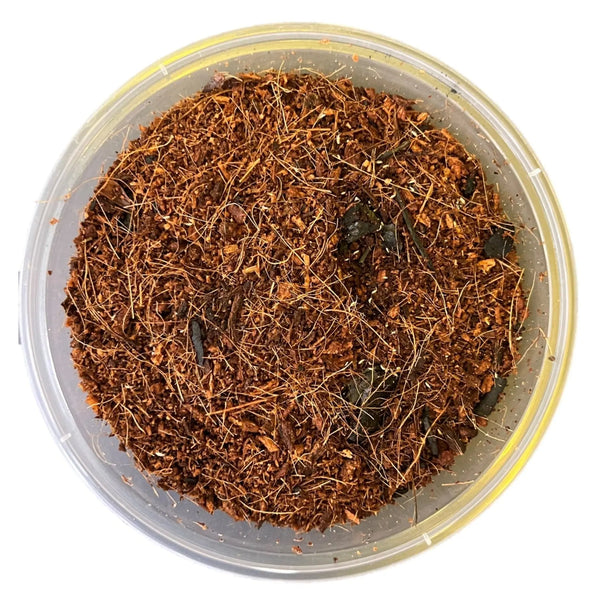
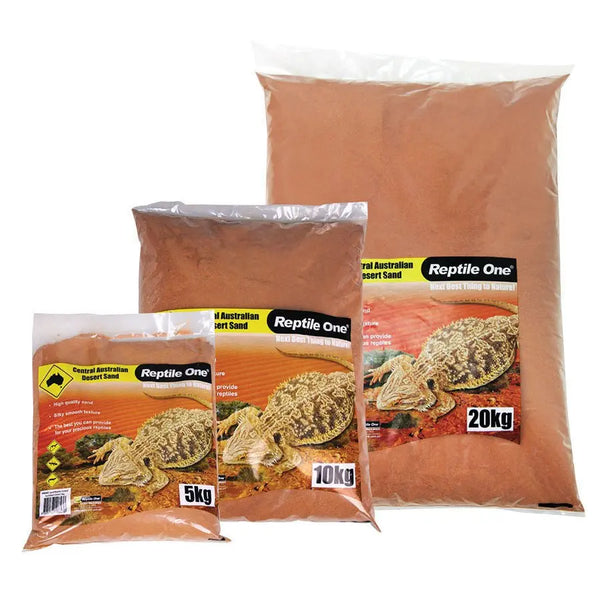
Substrate is the single most critical component of the setup. A deep layer of 20–25 cm of a sandy loam mix — ideally two parts clean play sand to one part coconut fibre or organic potting mix (no added fertilisers or pesticides) — allows cockroaches to excavate burrows of a natural depth and complexity. Do not use soil from the garden, which may contain pesticide residues, pathogens or introduced invertebrates.

Maintain the substrate slightly dry to slightly moist in the lower levels — in the wild, burrows reach moisture at depth while the surface remains dry. Lightly misting one corner of the substrate every one to two weeks maintains a moisture gradient without saturating the enclosure. The surface should always remain dry. A thick layer of dry eucalyptus leaf litter on the surface of the substrate is essential — this is both food and environmental complexity.

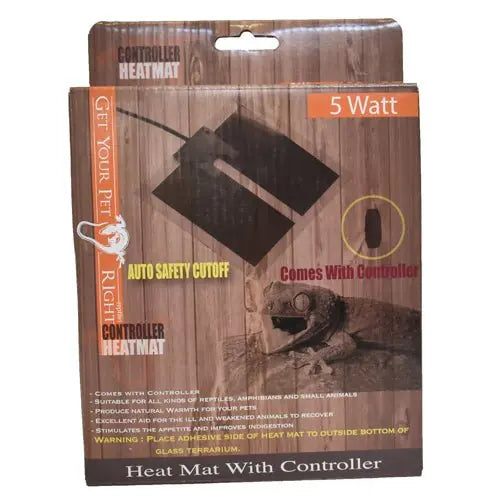
Temperature should be maintained at 24–30°C. Giant Burrowing Cockroaches are tropical animals and should not be exposed to temperatures below 18°C for extended periods. A low-wattage heat mat on the side of the enclosure, regulated by a thermostat, is suitable. No UVB or specialised lighting is required — these are nocturnal animals that naturally spend most of their lives underground. A simple 12-hour ambient light cycle is sufficient.

What to feed

Dietary Management

Giant Burrowing Cockroaches are specialist decomposers in the wild, subsisting almost entirely on dry leaf litter — particularly dry eucalyptus leaves, which form the foundation of their captive diet. A constant, generous supply of dry eucalyptus leaves should always be available in the enclosure, both on the surface and mixed into the substrate for burrowing animals to access underground.

Supplement the leaf litter diet with small quantities of dry rolled oats or plain bran, which provide carbohydrates and additional nutrients. Dried native bark and cork can also be offered for gnawing. Fresh food should be offered only sparingly — thin slices of apple, carrot, sweet potato or banana can be provided once or twice a week as a treat and a source of additional moisture. Remove fresh food within 24–48 hours to prevent mould growth, which can be harmful.

Food exemptions and water: avoid exotic fruit, citrus, and all processed or seasoned human foods. Fresh water is not essential — cockroaches obtain sufficient moisture from their food — but a very shallow, pebble-filled water cap can be provided as a precautionary water source for nymphs. Do not allow the substrate to become oversaturated.

Day-to-day interaction

Handling & Socialisation

Giant Burrowing Cockroaches can be handled gently and most individuals become accustomed to brief handling without distress. Allow newly acquired animals at least one week to settle before handling begins. Pick up by gently scooping from underneath — never grab from above or by a leg. Handle close to the ground or over a flat surface, as a fall from height can injure these animals.

The hissing sound produced when first picked up is normal and will often cease within a few seconds as the animal settles. Handling sessions should be kept brief — five to ten minutes — and should never be forced if the animal is visibly stressed. Wash hands before and after handling. Children should always be supervised, and hands must be washed immediately after contact.

Giant Burrowing Cockroach - Kellyville Pets
AVAILABLE IN-STORE

Giant Burrowing Cockroach

Did you know

Fun Facts

Giant Burrowing Cockroaches are one of very few cockroach species in the world to display true maternal care — females carry developing young in an internal brood pouch, give birth to live nymphs, and continue to feed and shelter them in the family burrow for several months after birth.

They are the world's heaviest cockroach species, with large adults reaching up to 35 grams — heavier than a golf ball.

In their natural habitat, a single Giant Burrowing Cockroach can process and bury up to 3.5 kg of dry leaf litter per year, making them one of Australia's most important — and most overlooked — soil health engineers.

Keep them stimulated

Enrichment

Despite their seemingly simple lifestyle, Giant Burrowing Cockroaches benefit from a complex, naturalistic enclosure that allows full expression of their natural behaviours. A deep, burrowing-appropriate substrate that allows them to excavate their own tunnel systems is the most important form of enrichment — cockroaches that cannot burrow will be persistently stressed and will not thrive.

A generous, varied leaf litter layer — eucalyptus leaves of different sizes and ages, mixed with dried bark pieces and small sections of cork — encourages foraging behaviour and allows animals to select the material they prefer. Adding flat rocks, sections of cork bark and small pieces of dried hardwood to the surface creates a varied and interesting surface environment and gives animals that have emerged from their burrows a choice of shelters.

For breeding groups, providing adequate space and multiple deep substrate areas reduces competition and allows females to establish separate burrow systems for maternal care. Observing the animals in the evening — when they are most active — and watching them interact with their environment is one of the genuine rewards of keeping this species.

What to watch for

Common Health Issues

Giant Burrowing Cockroaches are exceptionally hardy and rarely suffer from illness when husbandry is correct. The most common problems encountered are almost exclusively husbandry-related. Mould in the substrate or on food items is the most frequent issue and typically results from excessive moisture or uneaten fresh food left too long — ensure the surface substrate remains dry, remove fresh food promptly and avoid over-misting. Severe mould growth can cause respiratory problems and should be addressed with a partial substrate change.

Dehydration can occur if the enclosure is kept consistently too dry — ensure there is some moisture gradient in the lower substrate layers and consider a shallow, pebble-filled water cap. Cannibalism of nymphs is rare but can occur if nymphs are separated from the mother too early, the group is overcrowded, or food is consistently scarce — maintain adequate leaf litter at all times and do not separate nymphs before two to three months of age.

Pesticide exposure is a serious risk — never use insecticides, flea treatments or surface sprays anywhere near the enclosure, and ensure all leaf litter and substrate materials are sourced from pesticide-free environments. Introduced pest mites can colonise damp enclosures — maintain correct moisture levels and replace substrate if a significant mite population is observed.

Everything you need

Essentials Shopping List

Setup checklist

  • Secure glass or plastic terrarium — minimum 40 × 30 × 40 cm; larger for groups
  • Escape-proof, well-fitting lid
  • Clean play sand (for substrate mix)
  • Coconut fibre or organic potting mix (no added fertilisers — for substrate mix)
  • Low-wattage heat mat (side-wall placement)
  • Quality thermostat
  • Digital thermometer
  • Dry eucalyptus leaf litter (ongoing supply — pesticide-free)
  • Dried bark pieces and cork sections
  • Flat cork bark or rock pieces (surface shelter)
  • Dry rolled oats or plain bran (dietary supplement)
  • Reptile-safe or invertebrate-safe disinfectant
  • Shallow water cap with pebbles (optional moisture source for nymphs)
  • Soft, wide paintbrush or scooping tool (for gentle handling)
  • Spray bottle (for light, periodic substrate misting)
FAQ

Commonly Asked Questions

  • Are Giant Burrowing Cockroaches the same as pest cockroaches?

    No. Giant Burrowing Cockroaches (Macropanesthia rhinoceros) are a completely different species from introduced pest cockroaches such as the German Cockroach or American Cockroach. They do not infest homes, do not fly, and are not associated with disease transmission. They are a native Australian species of significant ecological importance.

  • Will they escape and infest my house?

    No. Giant Burrowing Cockroaches cannot climb smooth glass or plastic surfaces, do not fly, and have no interest in inhabiting human spaces. A secure-lidded enclosure prevents any possibility of escape, and even a loose individual would not establish itself indoors.

  • How often will I actually see my cockroaches?

    Not often during the day — they are strictly nocturnal and spend most of their time underground. The best time to observe them is in the evening, one to two hours after lights out, when they emerge to forage on the surface.

  • Can I keep them with other invertebrates?

    It is not recommended to mix Giant Burrowing Cockroaches with other invertebrate species in the same enclosure. Different substrate and humidity requirements, and the potential for predation or competition, make cohabitation inadvisable.

  • Do I need a licence to keep Giant Burrowing Cockroaches in Australia?

    Giant Burrowing Cockroaches are native invertebrates and are not currently subject to the same fauna keeper licence requirements as native vertebrates in most Australian states. However, regulations vary between states and can change — confirm current requirements with your state wildlife authority before purchasing.

Need help?

Our specialists are in-store every day to help with setup, licensing and feeding.

Visit Kellyville Pets →