


Children's and Spotted Pythons
Antaresia species
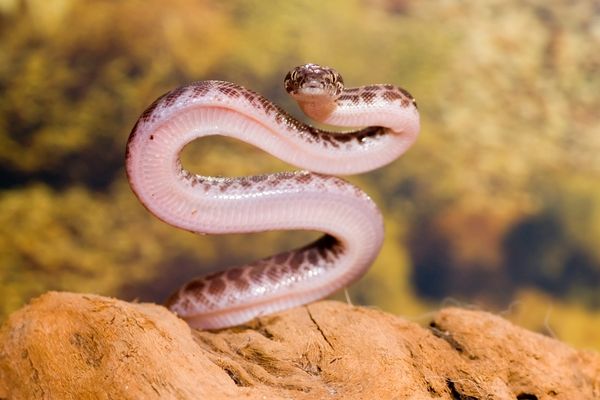

20-30 years

up to 140cm

Low


Where they come from
Natural History & Origin


Get it right early
Tips for First-Time Owners
- 1 Set up the enclosure and verify stable temperatures at both ends for at least 48 hours before bringing your python home — temperature instability is the leading cause of illness in captive snakes.
- 2 Two snug hides — one on the warm end and one on the cool end — are non-negotiable; a snake without a secure hide will be stressed and is likely to refuse food.
- 3 Always feed frozen-thawed prey using feeding tongs — live rodents can and do seriously injure snakes, and the risk is entirely avoidable.
- 4 Do not be alarmed if your new python refuses food for the first two to four weeks — this is completely normal during the settling-in period.
- 5 Obtain a valid fauna keeper licence for your state before purchasing, and source your animal only from a licensed, reputable captive breeder.
Setting up the habitat
Enclosure & Husbandry
What to feed
Dietary Management
Day-to-day interaction
Handling & Socialisation
Find your next best friend
Browse all Pythons →
Our Available Pythons
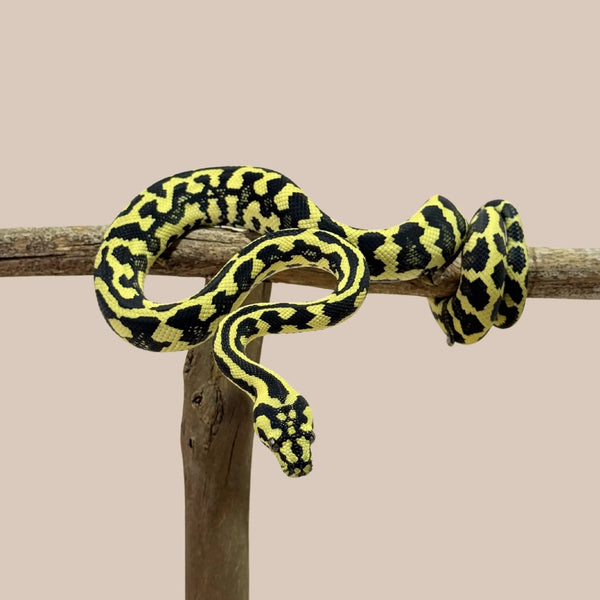
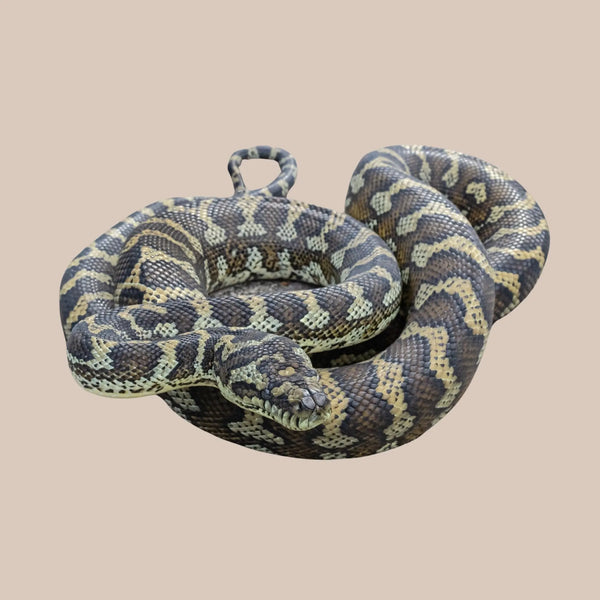
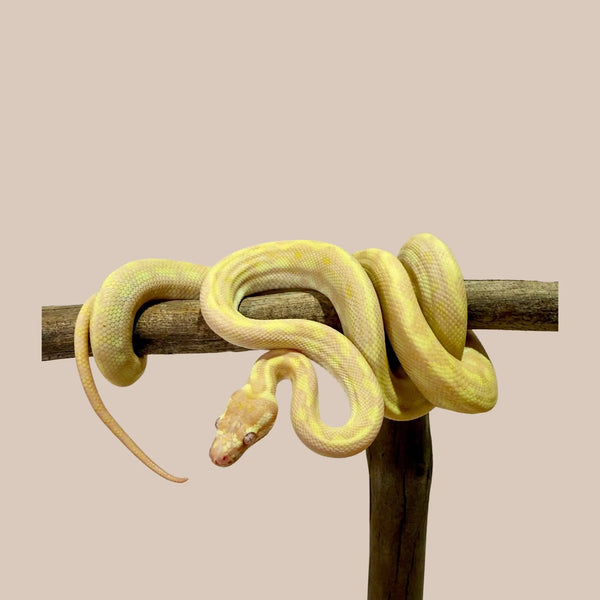
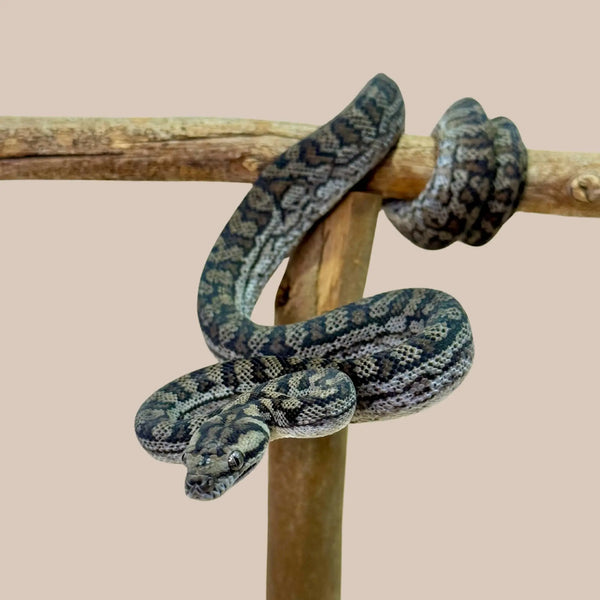
Did you know
Fun Facts
Children's Pythons are named after John George Children, a British zoologist and curator at the British Museum in the early 19th century — not because they are child-sized, though their manageable scale is certainly part of their appeal.
Antaresia pythons are ambush predators with a remarkable trick — juveniles have been documented performing caudal luring, wriggling the tail tip to mimic a worm or insect and attract prey within striking distance.
Despite being among the world's smallest pythons, Antaresia species use exactly the same constriction hunting method as their much larger relatives — wrapping coils around prey and tightening with each exhale until the prey can no longer breathe.
Keep them stimulated
Enrichment
What to watch for
Common Health Issues
Everything you need
Essentials Shopping List
Setup checklist
- Secure plastic or glass enclosure — minimum 90 × 45 × 45 cm for adults; 60 × 30 × 30 cm for juveniles
- Escape-proof, lockable lid
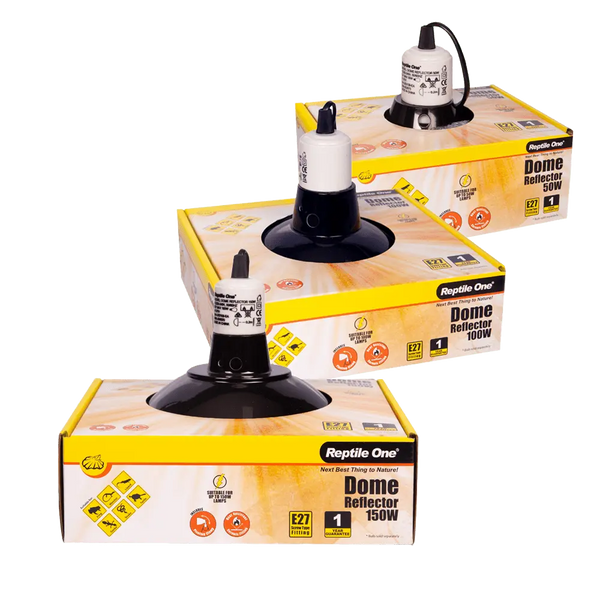
- Heat mat or heat cord
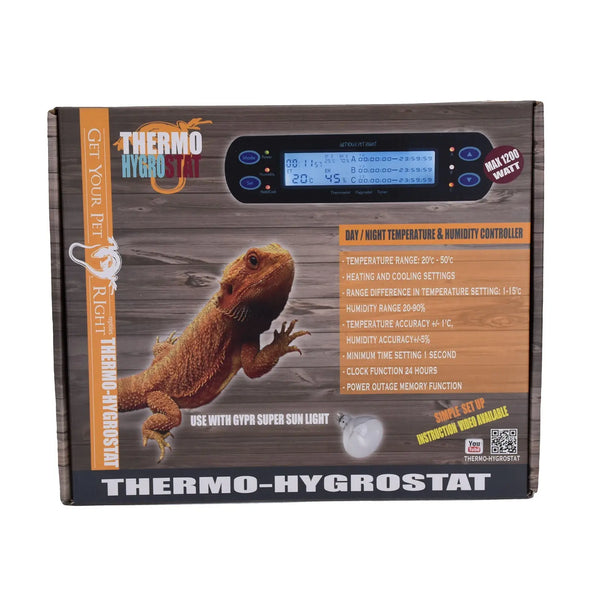
- Quality thermostat (essential)
- Digital dual-probe thermometer (warm and cool end)
- Two snug-fitting hides (warm and cool end)
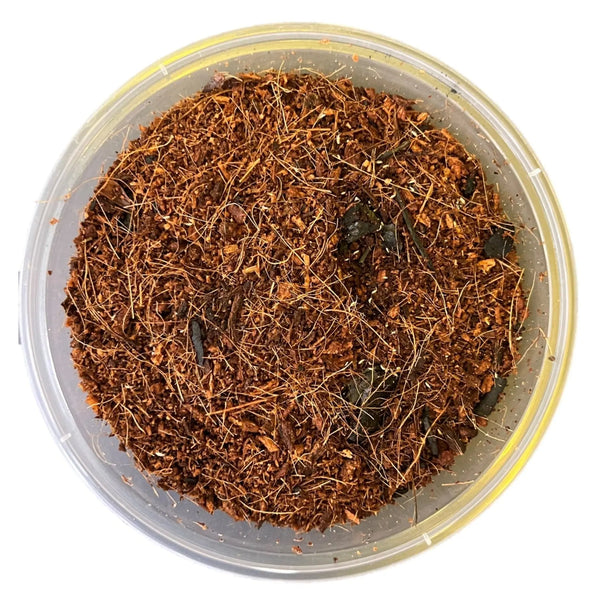
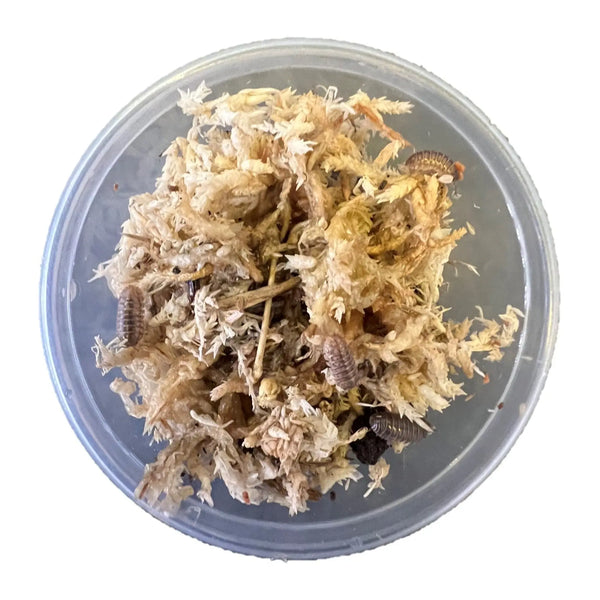
- Damp moss or humid hide (for shed support)
- Stable water dish
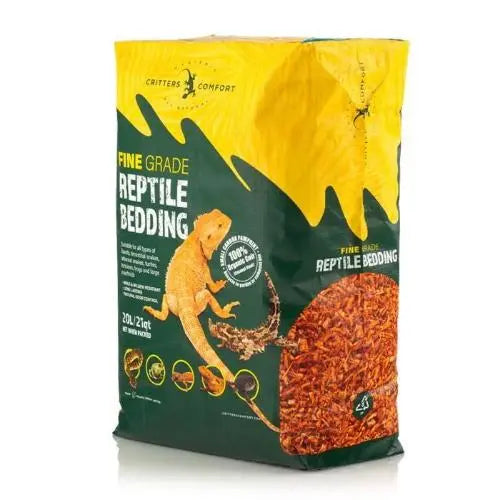
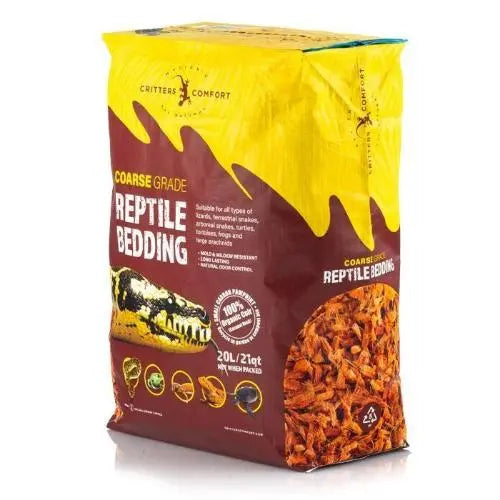
- Paper towel or aspen shaving substrate
- Reptile-safe disinfectant
- Feeding tongs (minimum 30 cm)
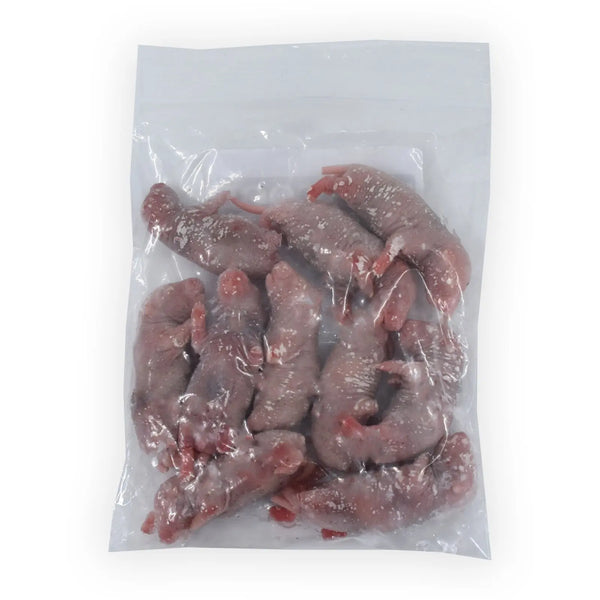
- Frozen mouse supply (pinky to adult, size-appropriate)
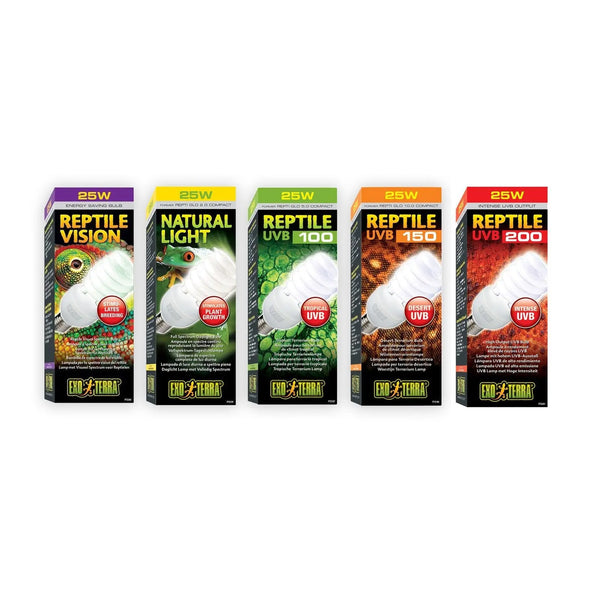
- Low-output UVB light (T5 5.0 or 6%) and fitting
- Fauna keeper licence (state-specific)
- Feeding and husbandry record book
Ready to Set Up
Browse all →
Shop the Essentials
FAQ
Commonly Asked Questions
-
How often should I feed my Children's or Spotted Python?
-
My python hasn't eaten in three weeks — should I be concerned?
-
Can I keep two Children's or Spotted Pythons together?
-
What is the difference between a Children's Python and a Spotted Python?
-
Is a licence required to keep an Antaresia python in Australia?
Need help?