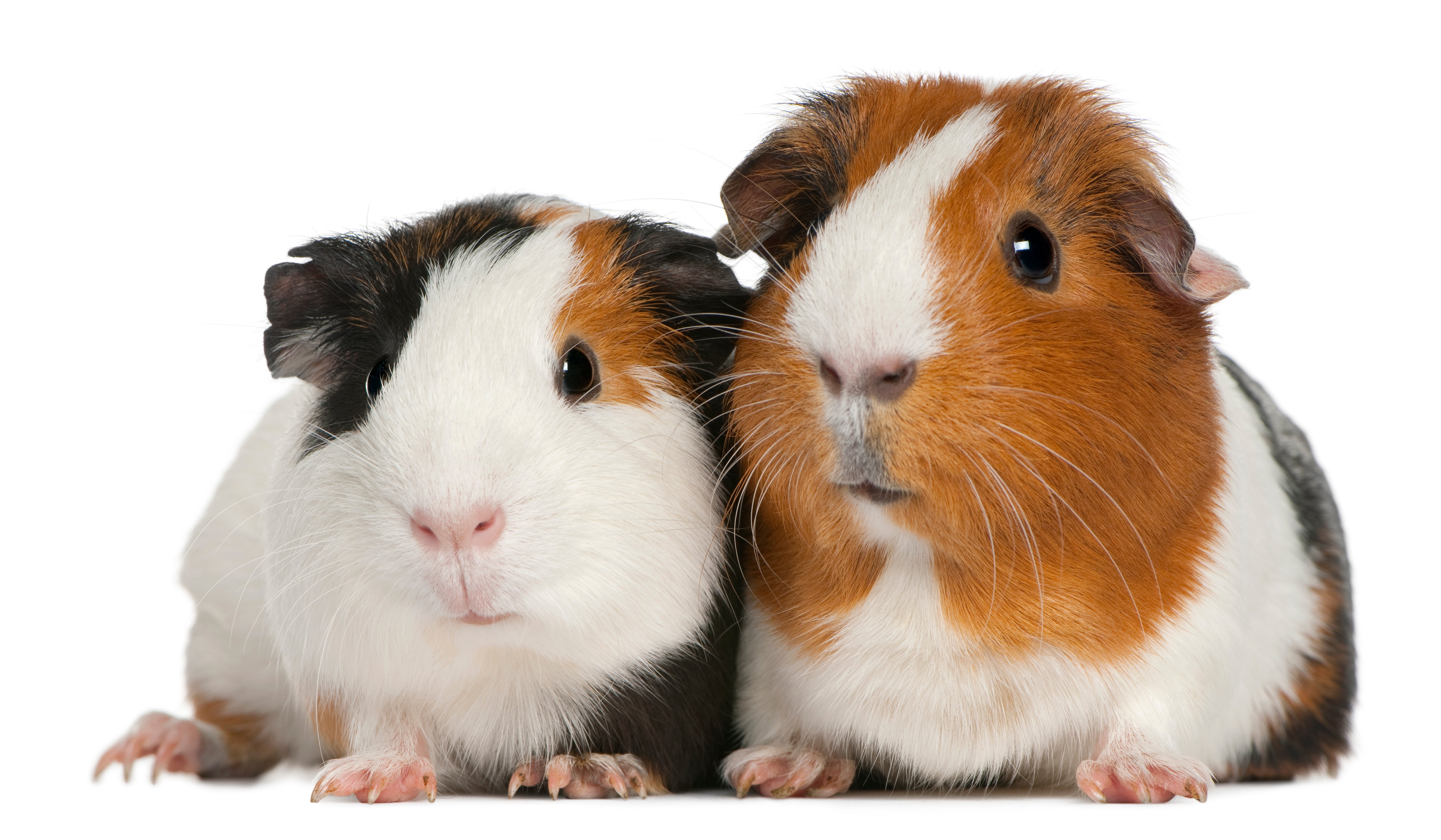
Guinea pigs: everything you need to know
Guinea pigs are friendly, social, and low-maintenance pets that thrive in pairs or small groups. They have gentle personalities and are known for their playful behaviour, making them ideal companions for children and adults alike. With proper care, they can live up to 7 years and enjoy a diet of hay, fresh vegetables, and pellets. Guinea pigs also require a clean, spacious enclosure and regular social interaction to keep them happy and healthy.
More small animals available
At Kellyville Pets, we’re committed to matching you with the ideal pet for your lifestyle while equipping you with everything you need to give your new friend the best start in life.


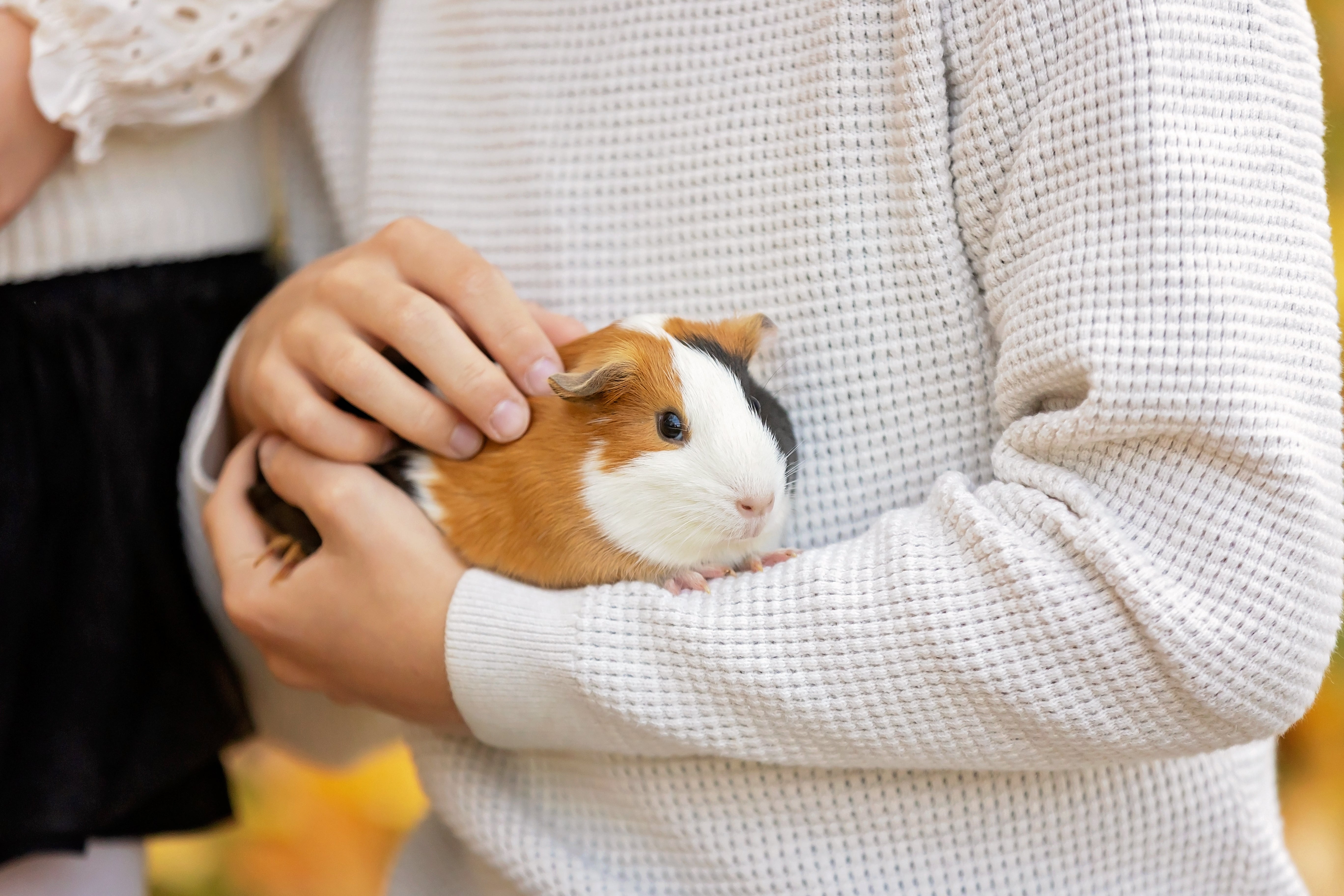
Characteristics
- Lifespan:
5-8 years - Size:
500-800g - Diet:
Pellets, hay, fruit, and vegetables - Enclosure:A sturdy hutch of at least 3 feet in length for two to three guinea pigs
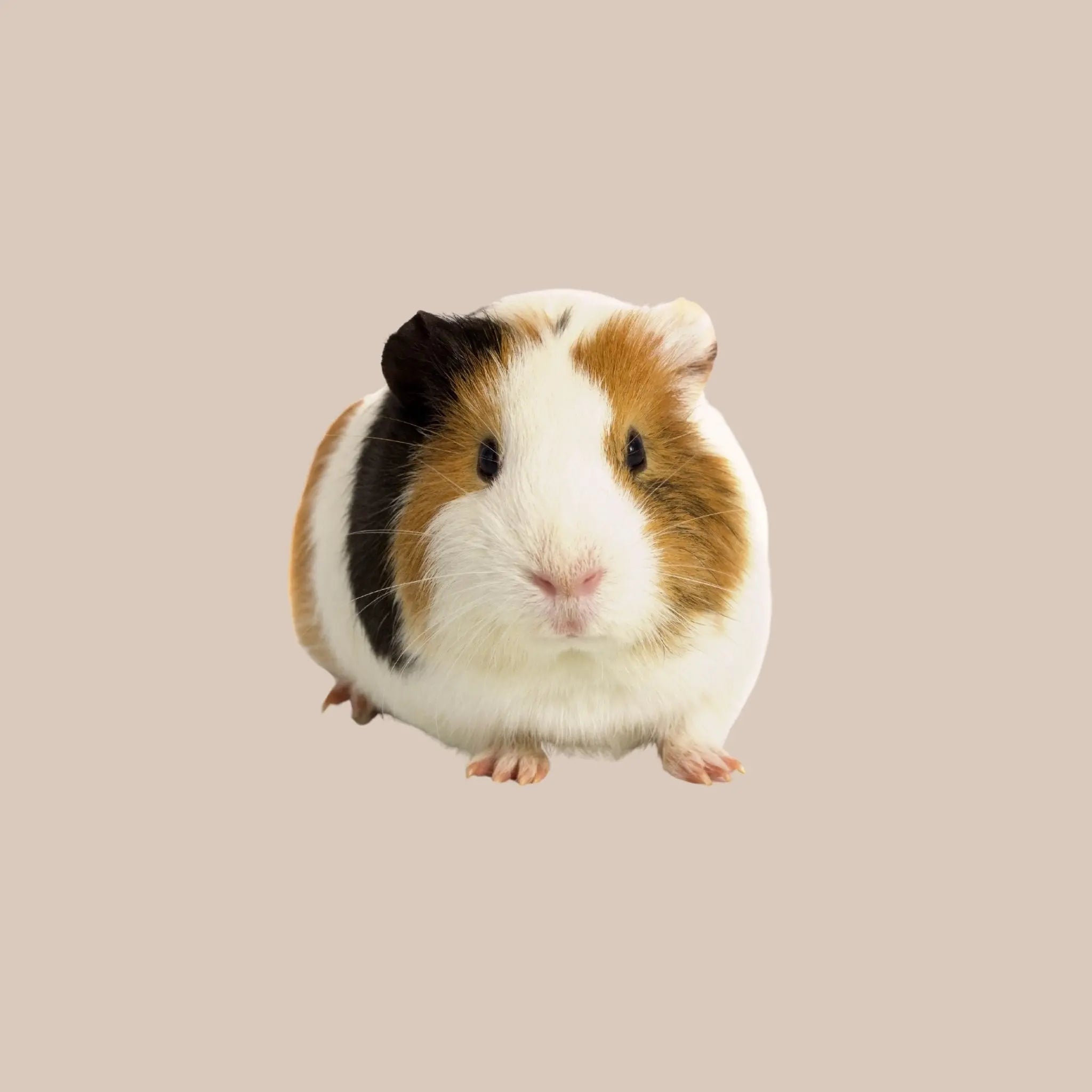
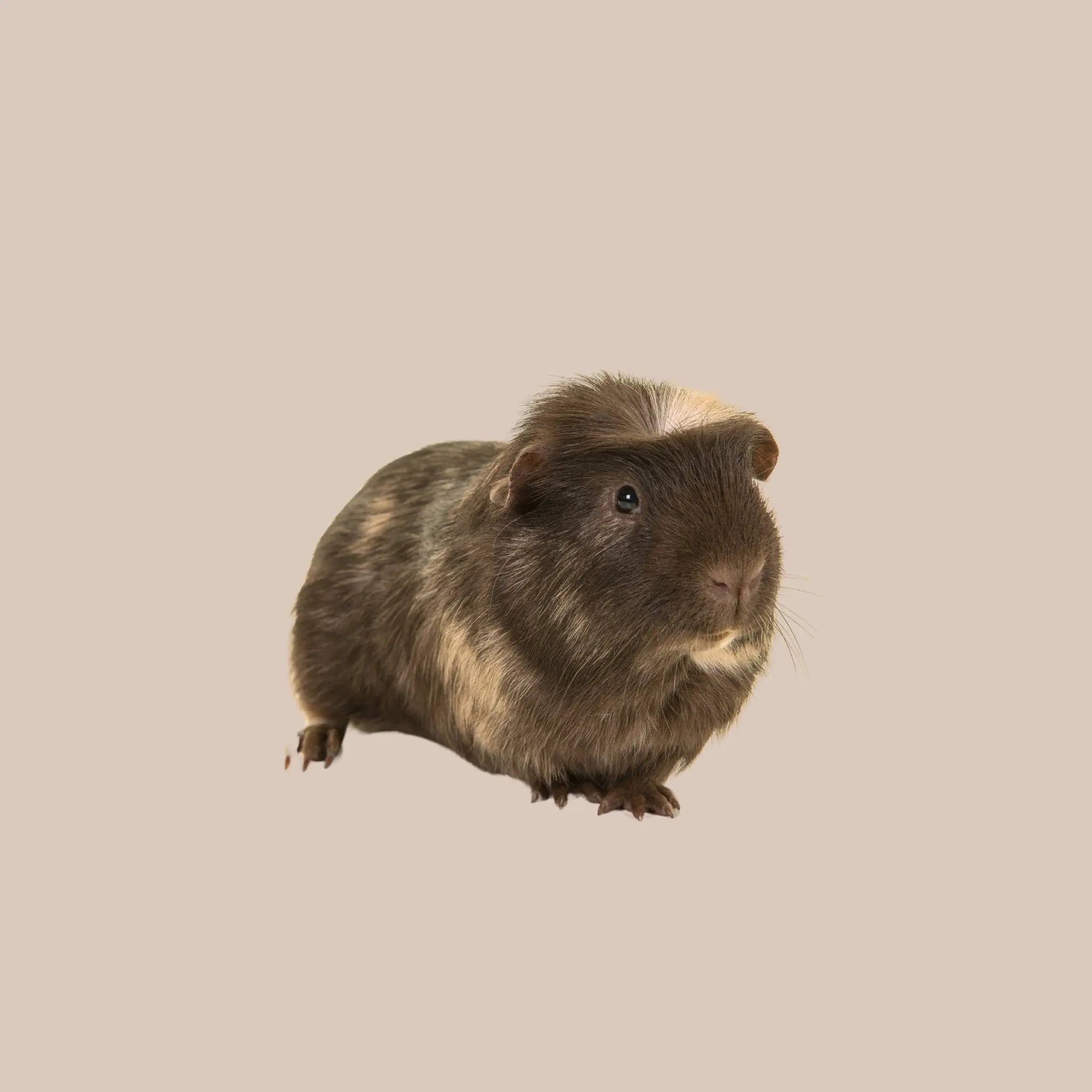
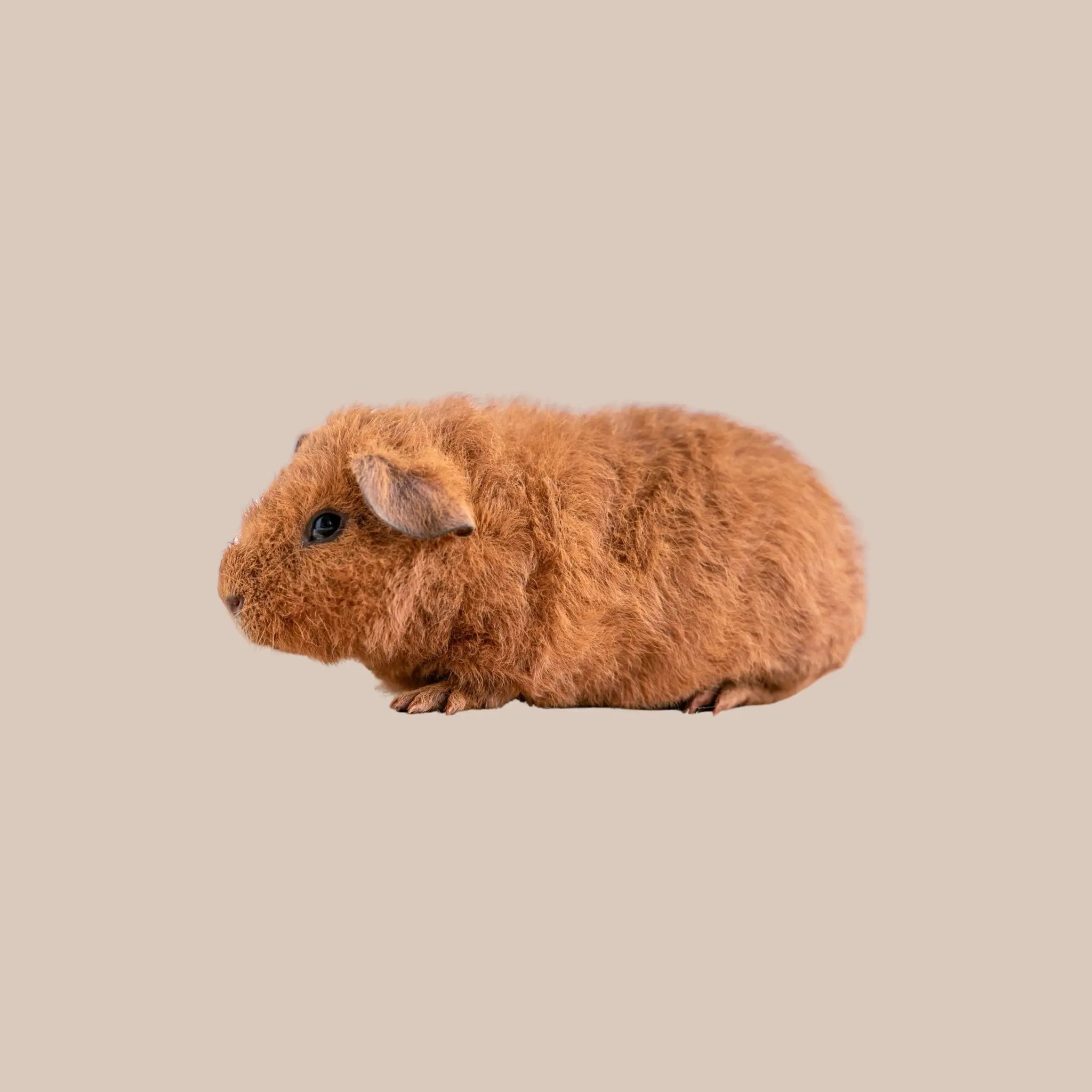
Photos of Guinea pigs from Kellyville Pets
These photos have been supplied to us from the families who have welcomed one of our Guinea pigs into their homes.
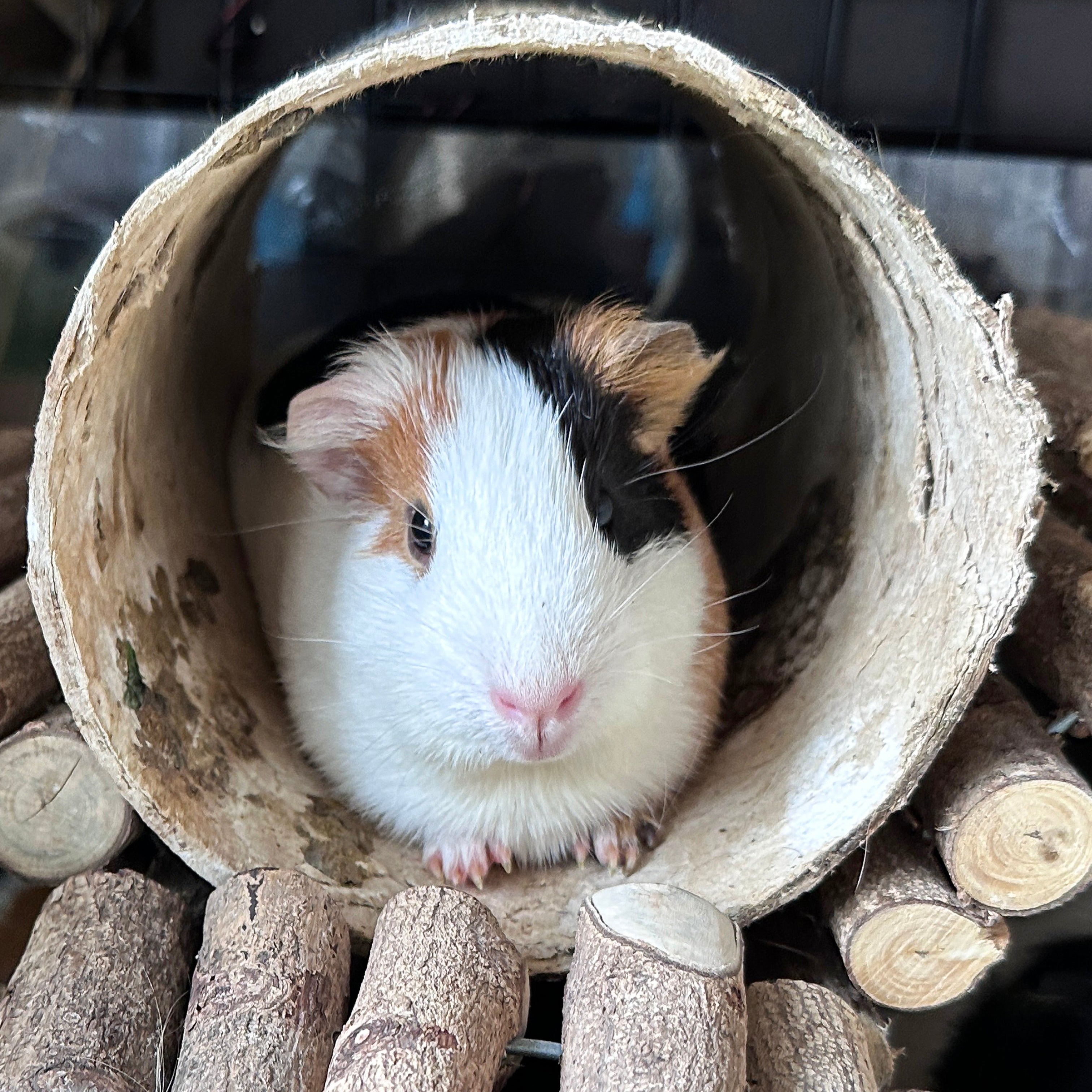
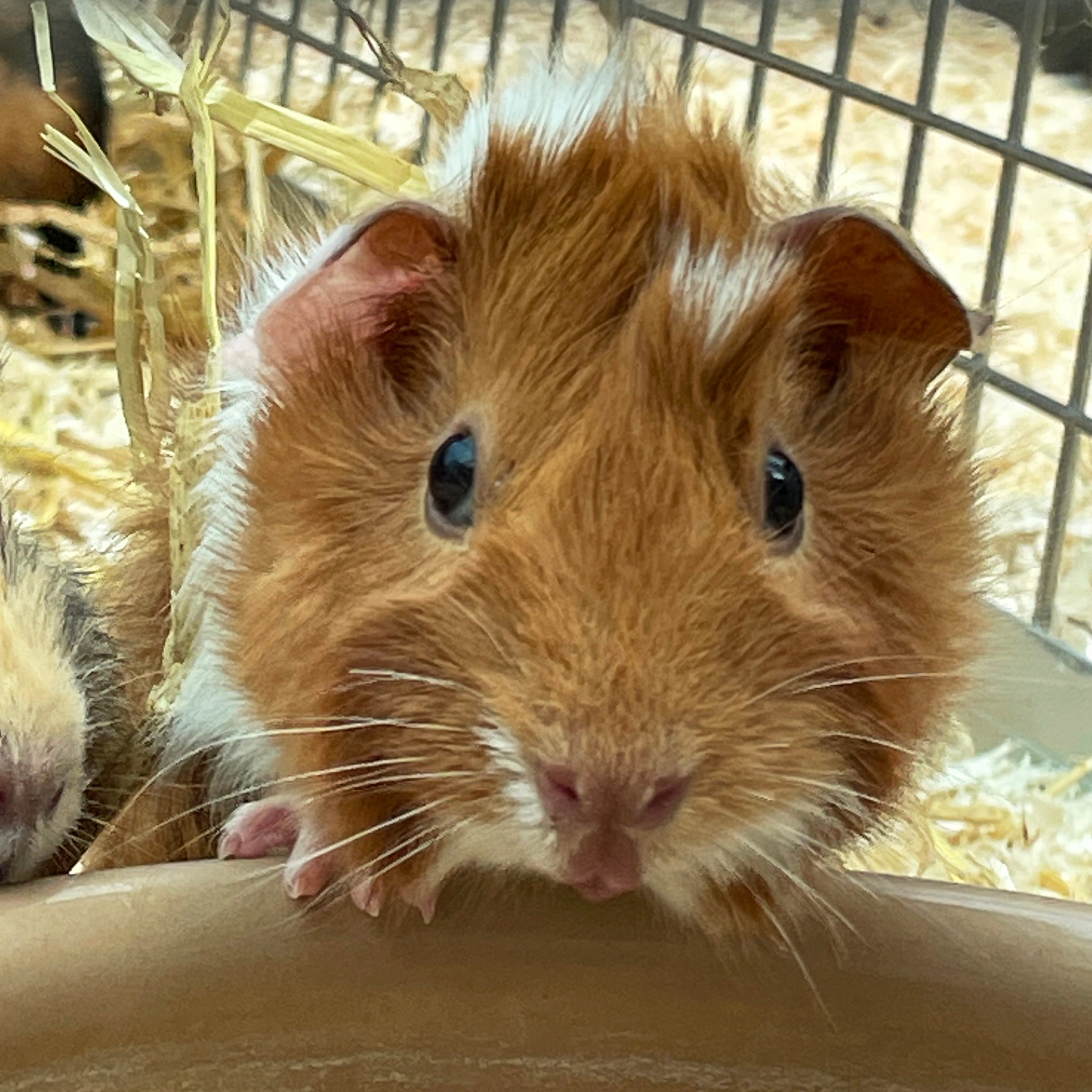
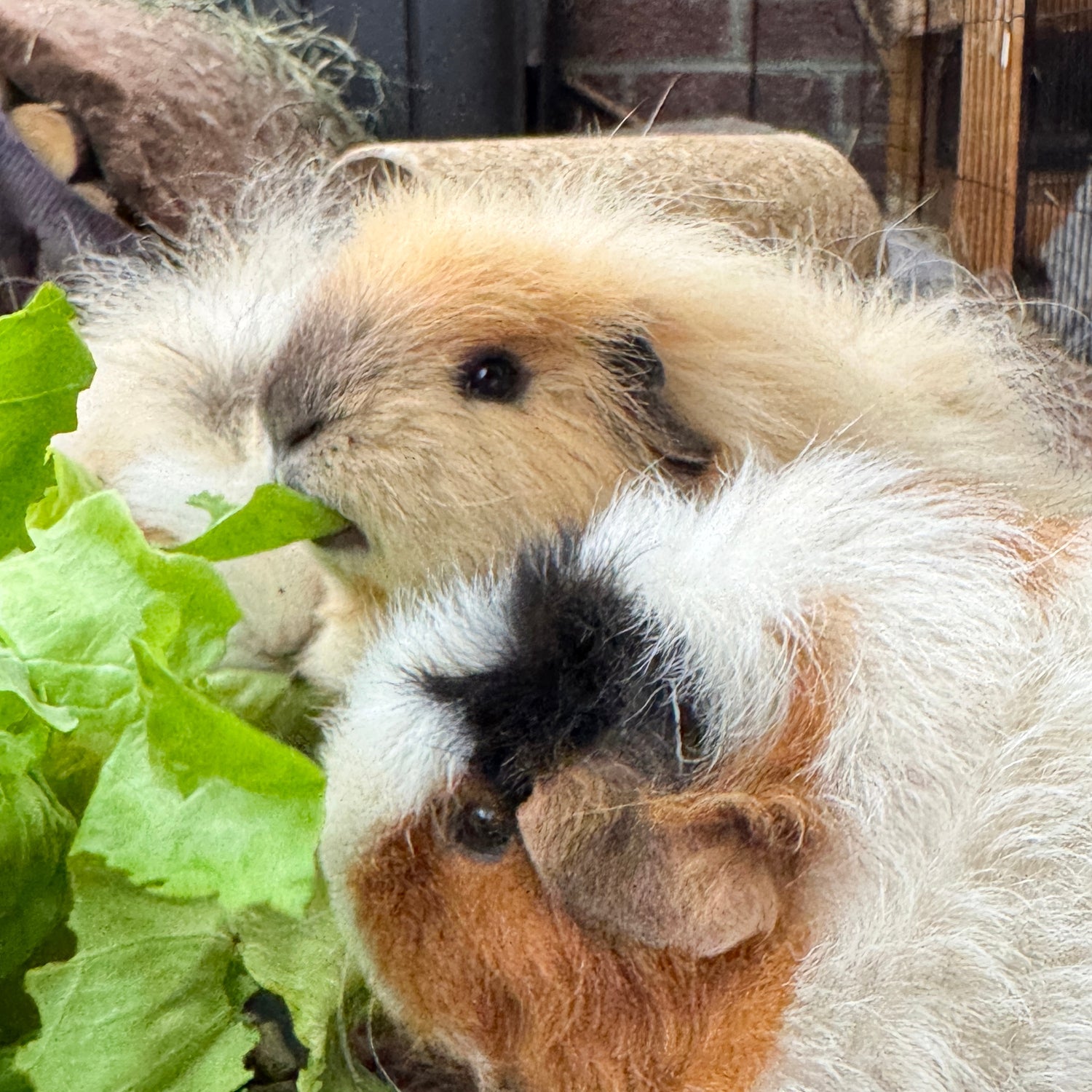
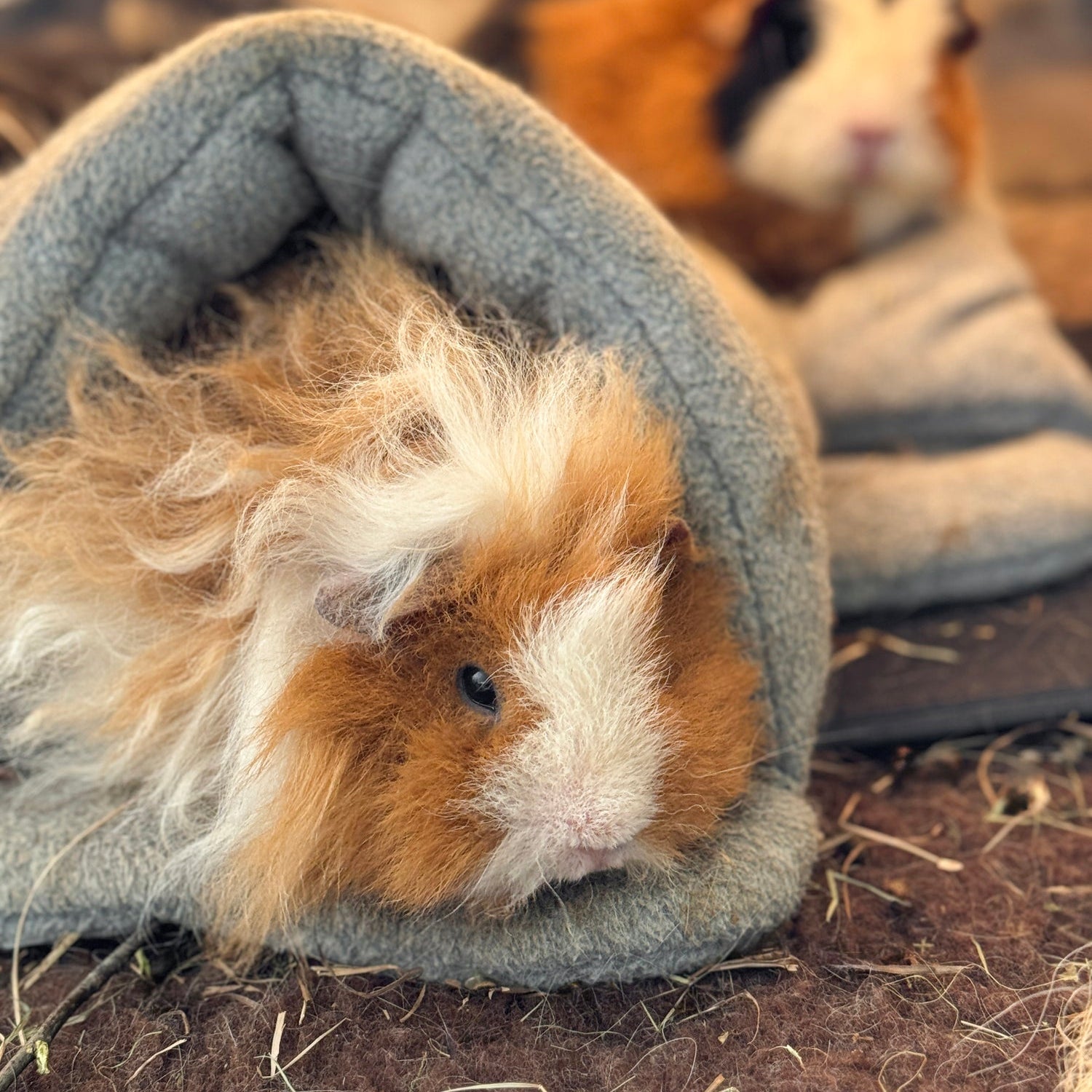
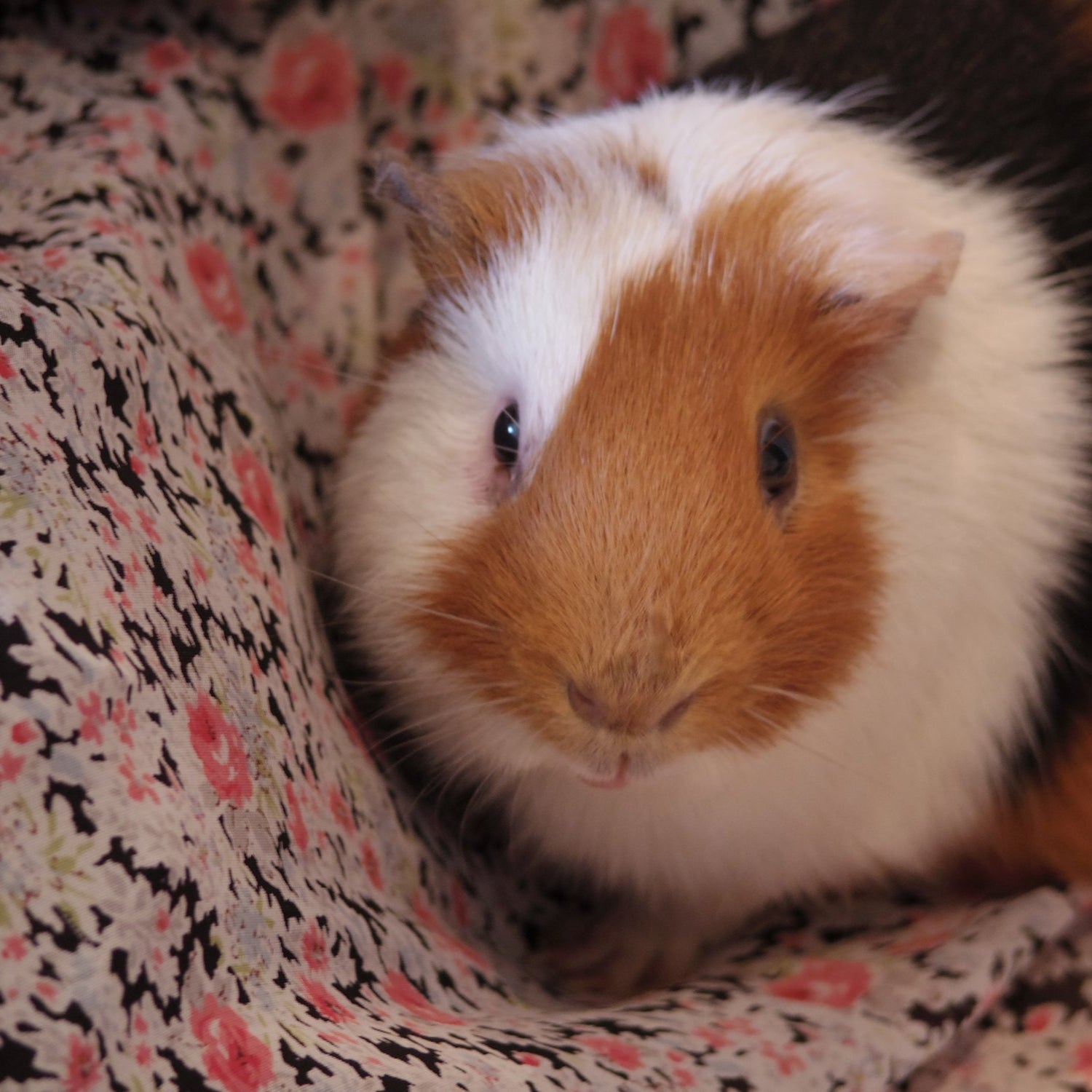
Guinea pigs are calm, sociable, and gentle creatures that become friendlier with regular handling.
Guinea pigs grow to weigh between 500-800g, depending on breed and diet.
Guinea pigs require a diet consisting of specially formulated pellets, hay, and fresh fruits and vegetables daily. They cannot produce their own Vitamin C, so it's essential to include Vitamin C-rich foods like spinach, carrot, or orange. Avoid feeding iceberg lettuce, celery stalks, rhubarb, potato, tomato leaves, avocado, or onions, as these can harm them. A salt lick mineral stone and wood chews should also be provided.
The enclosure should be at least 3 feet long for two to three guinea pigs, with straw or wood shavings as bedding. It should be sturdy enough to protect them from predators. Igloos or other hides should be included for privacy. For outdoor enclosures, ensure shade is provided, and mosquito netting is used to prevent pests.
Guinea pigs enjoy wooden toys, small balls with bells, and hay-woven treats. Provide a variety of toys and opportunities for exploration, such as harnesses for safe outdoor play or tunnels in their enclosure.
Guinea pigs are gentle and enjoy interaction. Handle them regularly to help them settle and bond with you. Always support their body when picking them up, and avoid sudden movements to keep them calm.
The enclosure should be cleaned weekly, or more frequently if housing multiple guinea pigs. Replace bedding, disinfect surfaces, and clean hides. Grooming is essential, especially for long-haired breeds, which need regular brushing to prevent matting.
Guinea pigs do not require vaccinations but need worming every three months. Parasites like mites, lice, and fleas can be treated with sprays. Common health issues include scurvy (Vitamin C deficiency) and mites, which can cause itching or irritation. Regularly inspect their nails, ears, and coat for any abnormalities.
- Always provide a diet rich in Vitamin C to avoid deficiencies.
- Spend time handling and bonding with your guinea pigs to help them feel secure.
- Keep their enclosure clean and well-maintained to prevent health issues.
- Protect them from extreme heat and cold, as guinea pigs are prone to heat stress.
- Monitor their behaviour and health closely for any signs of illness, such as lethargy or loss of appetite.
- Scientific name: Cavia porcellus
- Social butterflies: Guinea pigs are highly social animals and thrive in groups. They communicate with each other through various sounds, including purring, squealing, and chirping.
- Vitamin C is vital: Unlike many animals, guinea pigs cannot produce their own Vitamin C. This makes it essential to include Vitamin C-rich foods in their diet, such as bell peppers, oranges, and spinach.
- Popcorning pros: When guinea pigs are excited or happy, they perform a unique behaviour called "popcorning," where they jump up and down in quick bursts.
- Unique teeth: A guinea pig's teeth never stop growing. They need to chew on hay, wood, or toys to wear them down and keep them healthy.
- Historical pets: Guinea pigs have been kept as pets for thousands of years. They were first domesticated by the Andean people in South America, where they are still a part of cultural traditions today.
Commonly Asked Questions:
Guinea pigs are social animals and prefer living with companions. It’s recommended to keep them in pairs or small groups.
While guinea pigs generally keep themselves clean, they can be bathed occasionally using a shampoo specifically designed for small animals.
Provide toys like wooden chews, small balls, timothy hay toys, tunnels, and even treat-filled puzzles to keep them engaged.
Watch for lethargy, loss of appetite, bloating, twitching, hair loss, diarrhea, or unusual behaviour. Contact a vet if these occur.
Guinea pig enclosures should be cleaned at least once a week. If multiple guinea pigs share a space, more frequent cleaning may be needed.
Guinea pigs are sensitive to temperature extremes. They should be kept out of direct sunlight in summer and protected from drafts in winter.
Guinea pigs do not require vaccinations but should be wormed every three months and checked for parasites like lice and mites.
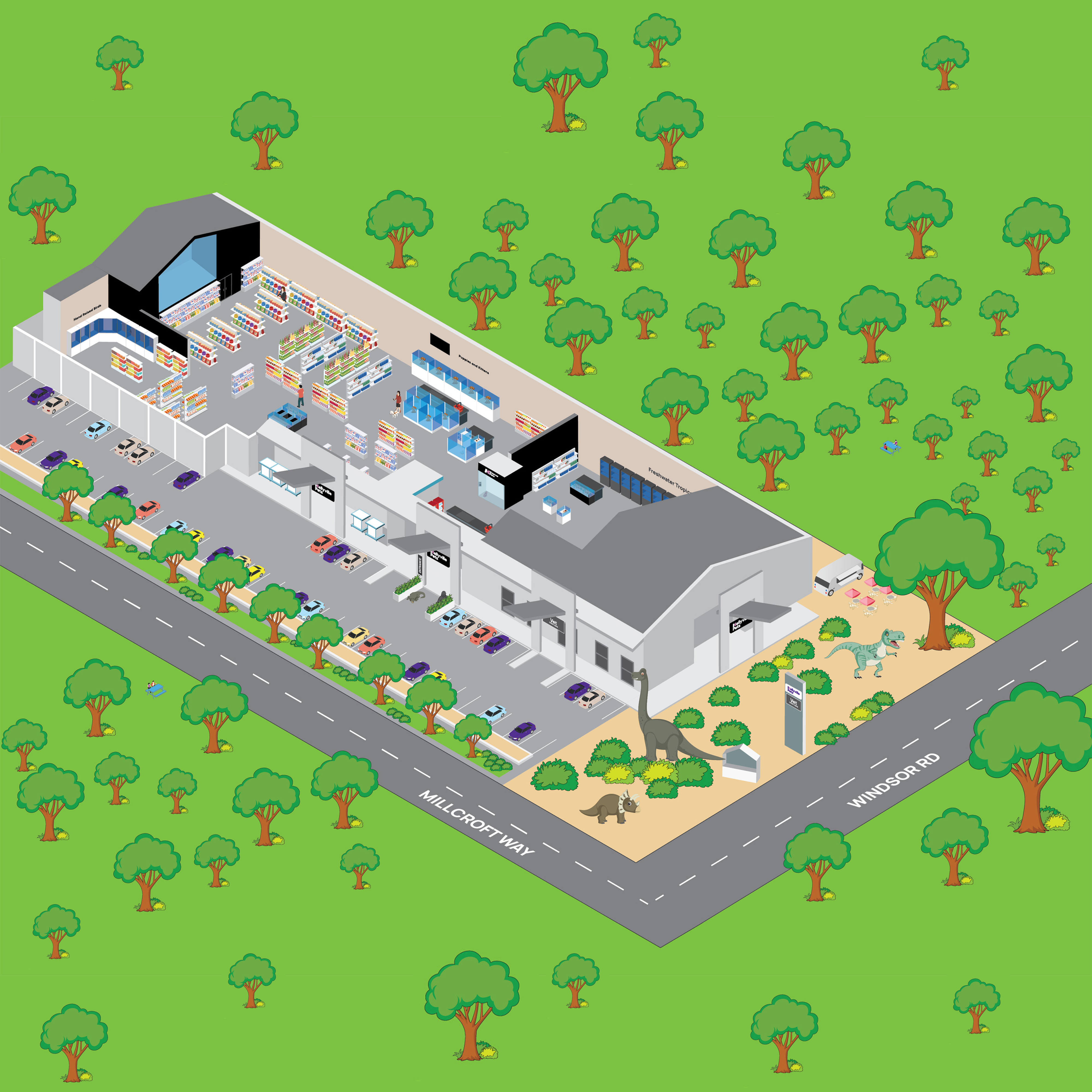
Visit us at Kellyville Pets
Our experienced team is here to help you choose your new best friend and provide guidance on every step of pet ownership. Explore our range of pet care supplies, including premium food, grooming tools, and accessories tailored for your Cavoodle’s needs.
Ready to find your perfect match? Come meet our Cavoodles today and take the first step toward a lifetime of love and companionship!