Care Guide6 min read

Betta Fish

Betta splendens
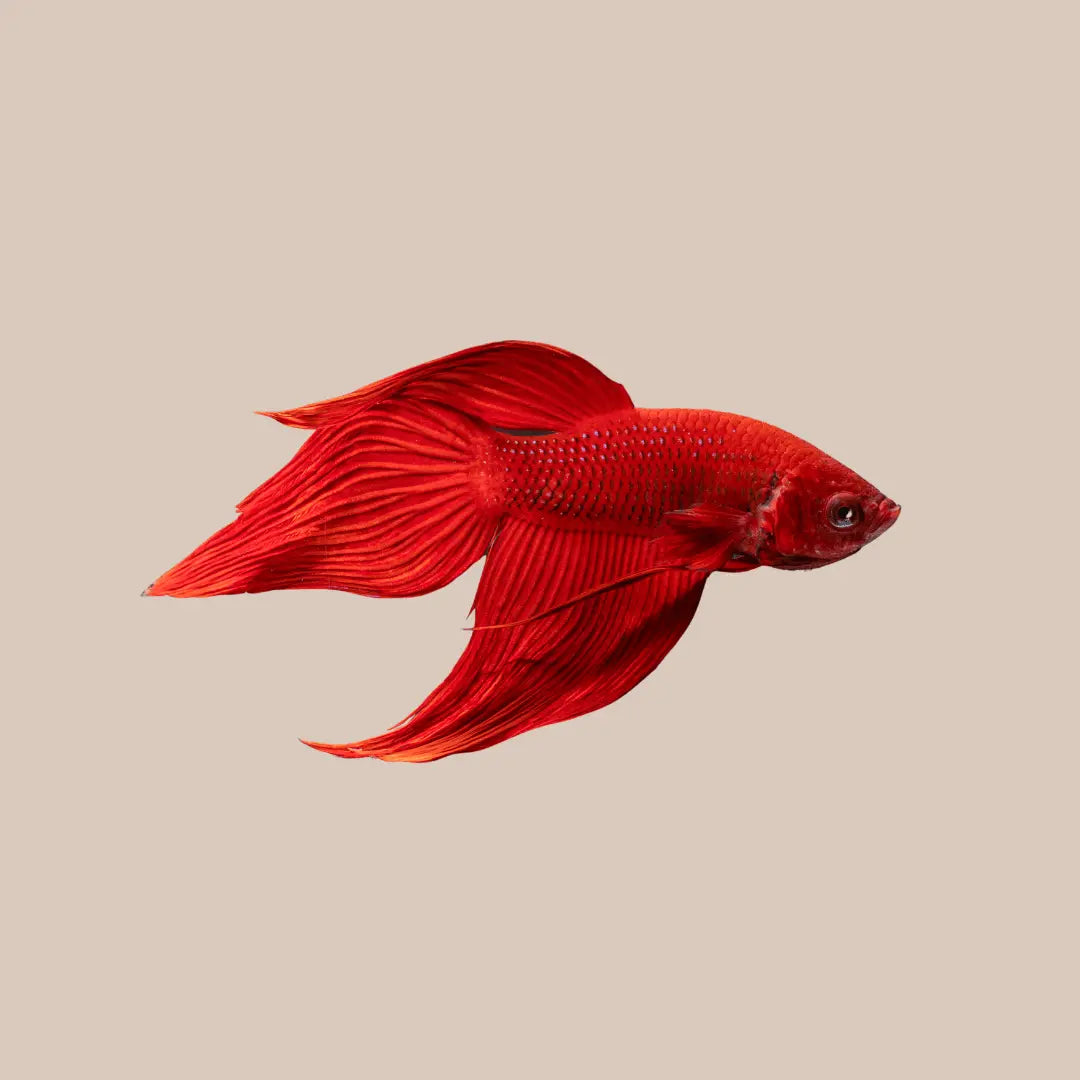
Betta · Siamese Fighting Fish · Fighter Fish

Betta Fish Care Guide
Lifespan
3-5 years
Adult Size
5-8cm (males); 4-6cm (females)
Care Level
Low
Diet

Quality betta pellets as the primary diet, supplemented with frozen bloodworms, brine shrimp and daphnia

Enclosure

Heated, filtered aquarium (minimum 10-20 litres; 20-40 litres strongly recommended) with live or silk plants, gentle filtration and a secure lid

Temperament

Males are highly individual, territorial and expressive. Female Bettas are generally calmer and can be kept in sorority groups in appropriately large, well-planted tanks

Where they come from

Natural History & Origin

The Betta is native to shallow, warm, slow-moving or still freshwater habitats of Thailand, Cambodia, Laos and Vietnam: rice paddies, floodplains, ditches, ponds and slow streams with dense vegetation, often low in dissolved oxygen. The betta's labyrinth organ allows it to breathe atmospheric air at the surface, an adaptation to these hypoxic environments.

Betta splendens was selectively bred in Thailand for fighting from at least the 14th century; hence the name Siamese Fighting Fish. Modern captive Bettas are developed primarily for ornamental purposes. Bettas are one of the most widely kept aquarium fish in the world but are frequently sold in inadequate conditions and kept in undersized, cold, unfiltered setups that shorten their lives significantly. Properly maintained Bettas in heated, filtered aquariums are far healthier and longer-lived.

Get it right early

Tips for First-Time Owners

  1. 1 Bettas need a heater: room temperatures below 24ºC cause immune suppression and dramatically shortened lifespan. A small heater and thermostat is one of the most important investments in Betta keeping.
  2. 2 Only one male per tank, with no exceptions.
  3. 3 Gentle filtration is important: strong current from an oversized filter stresses Bettas and damages their fins.
  4. 4 Weekly water changes are essential: bettas in small tanks accumulate waste rapidly.
  5. 5 Feed small amounts once or twice daily and supplement with frozen foods; fast one day per week to prevent swim bladder problems.
Setting up the habitat

Enclosure & Husbandry

Minimum tank size: 10-20 litres; 20-40 litres is strongly preferred and produces a noticeably more active, healthier fish. Bettas must have access to the water surface to breathe air: do not fill the tank to the very top.

Bettas require warm water at 24-28ºC. In Australia, most rooms drop below 24ºC in autumn and winter, meaning a small aquarium heater and thermostat is necessary for most of the year. This is the most important and most overlooked aspect of Betta care.

Filtration should provide gentle flow: strong currents are stressful for Bettas with large fins. A small sponge filter or power filter with a baffled outlet is ideal. Bettas appreciate cover: live plants (java fern, anubias, cryptocorynes) or silk plants provide resting perches and visual security. Avoid plastic plants with sharp edges that can tear fin tissue. A secure lid is essential as Bettas are skilled jumpers. One male Betta per aquarium is absolute.

What to feed

Dietary Management

Bettas are carnivores preferring insect and invertebrate prey. The primary diet should be quality betta-specific pellets formulated with the correct protein, fat and nutrient ratios. Feed adult bettas once to twice daily; offer 2-3 pellets per feed. Overfeeding is the most common dietary mistake and leads to constipation, swim bladder problems and poor water quality.

Supplement the pellet diet with frozen bloodworms, frozen or live brine shrimp, and frozen daphnia to provide variety and stimulate natural feeding behaviour. A one-day fast per week prevents constipation. Never feed live feeder fish, which carry high disease risk.

Day-to-day interaction

Handling & Socialisation

Bettas are observation and display fish and are not handled. Direct physical contact damages the protective mucus coating. A gentle and positive form of interaction is training the Betta to follow a finger along the outside of the glass, or hand-feeding with a small piece of bloodworm held at the water surface. These activities stimulate the fish and build a form of recognition uniquely rewarding with this species.

Male Bettas are solitary and aggressive toward other males and many other fish, but develop a distinctive relationship with their keeper: recognising them, responding to their presence, and often displaying their fins in a greeting flare that is one of the most appealing behaviours in the aquarium hobby.

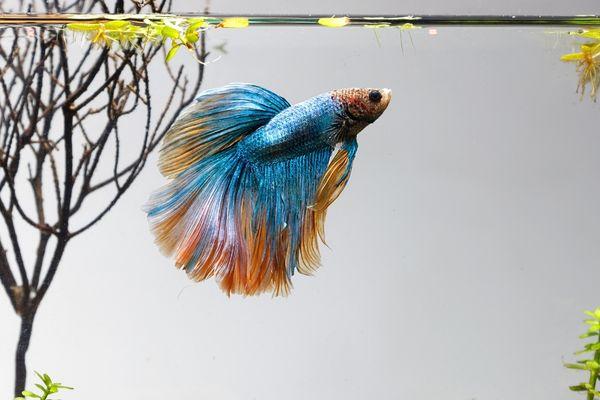
Veiltail Betta Fish For Sale - Kellyville Pets
AVAILABLE IN-STORE

Veiltail Betta Fish

Did you know

Fun Facts

Male Bettas in good health build elaborate bubble nests at the water surface: clusters of air bubbles coated in saliva forming a floating raft for eggs and fry. Building a bubble nest without any females present is a reliable sign of a healthy, content Betta.

Betta splendens possesses a labyrinth organ (similar in function to a primitive lung) allowing it to breathe atmospheric air directly and survive in hypoxic water that would kill most fish.

The dramatic fin-flaring display of a male Betta involves the precise control of hundreds of fin rays and chromatophore cells simultaneously, producing one of the most visually spectacular threat displays produced by any freshwater fish.

Keep them stimulated

Enrichment

A well-planted tank with multiple levels of vegetation creates the most naturalistic and stimulating environment. Bettas rest on broad leaves near the surface; a betta leaf hammock attached near the surface provides this. Brief reflection training using a small mirror outside the glass stimulates the natural fin-flaring display response and provides exercise and mental engagement (limit to a few minutes per day to avoid stress). A regular feeding and interaction routine creates predictable cues that Bettas respond to with apparent anticipation.

What to watch for

Common Health Issues

Fin rot: Bacterial erosion of fin tissue caused by poor water quality. Improve water quality and treat with aquarium-safe antibacterial medication if severe.

Ich (white spot): Tiny white spots on fins and body; treat with aquarium-safe white spot medication and slightly raise temperature.

Swim bladder disorder: Floating, sinking or sideways swimming caused by overfeeding or constipation. Fast for 24-48 hours and offer a small blanched pea.

Velvet (Oodinium): Gold-dust appearance on the body; treat with aquarium-safe velvet medication.

Columnaris: White cotton-like lesions on body and fins; treat with aquarium antibacterial medication promptly.

Everything you need

Essentials Shopping List

Setup checklist

  • Heated, filtered aquarium (min. 10-20 L; 20-40 L strongly recommended)
  • Small aquarium heater and thermostat (26-28ºC)
  • Thermometer
  • Gentle filter: sponge filter or power filter with baffled outlet
  • Secure aquarium lid
  • Water quality test kit (ammonia, nitrite, nitrate, pH)
  • Water conditioner / dechlorinator
  • Gravel siphon / vacuum
  • Fine sand or smooth gravel substrate
  • Live plants or silk plants (no sharp plastic)
  • Betta leaf hammock
  • Aquarium background
  • Quality Betta-specific pellets
  • Frozen bloodworms
  • Frozen brine shrimp
  • Frozen daphnia
  • Fine-mesh net
  • Aquarium-safe antibacterial treatment (emergency)
  • Aquarium-safe white spot treatment (emergency)
FAQ

Commonly Asked Questions

  • Does a Betta need a heater?

    Yes, in most Australian homes during cooler months. Bettas require 24-28ºC; below 22ºC they become lethargic and highly susceptible to disease.

  • Can I put my Betta with other fish?

    Carefully and with the right species. Suitable companions include small corydoras catfish, rasboras, snails and small tetras. Never house with other Bettas or nippy fish.

  • Why is my Betta making a bubble nest?

    Bubble-nest building indicates the fish is content and water quality is good. It does not require a female to trigger.

  • My Betta's fins look ragged: what should I do?

    Check water quality first (test ammonia, nitrite, nitrate). Fin deterioration is almost always related to poor water quality. Perform a water change and improve maintenance.

  • Do I need a licence?

    No licence is required in any Australian state.

Need help?

Our specialists are in-store every day to help with setup, licensing and feeding.

Visit Kellyville Pets →