


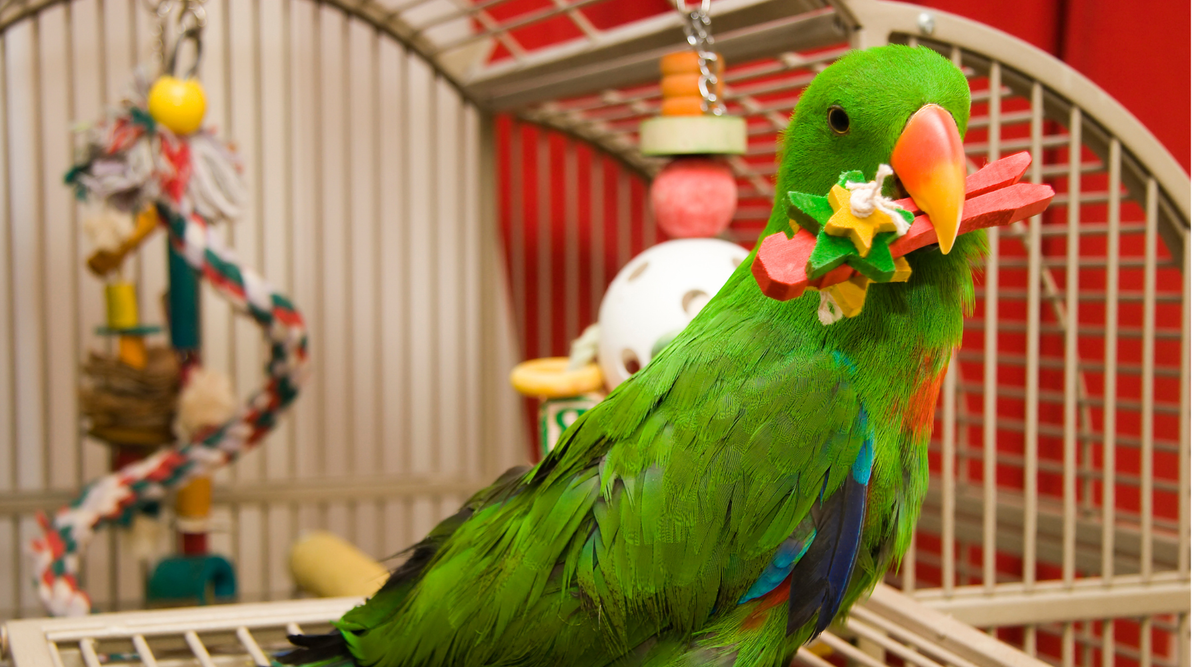
Birds are intelligent, curious animals that need mental stimulation and physical activity to stay happy and healthy. Choosing the right toys isn’t just about entertainment—it’s essential for preventing boredom, encouraging natural behaviours, and supporting your bird’s overall wellbeing.
In this guide, we’ll walk you through how to select the best toys for your feathered friend.
Why Bird Toys Are So Important
In the wild, birds spend hours foraging, climbing, chewing, and exploring. In captivity, toys help replicate these behaviours.
The right toys can:
- Prevent boredom and stress
- Reduce unwanted behaviours (like feather plucking or excessive noise)
- Encourage exercise and coordination
- Support mental stimulation and problem-solving
Types of Bird Toys (and What They Do)
🧠 Foraging Toys
These toys encourage birds to search for food, mimicking natural foraging behaviour.
Best for:
- Parrots, cockatiels, conures, and other intelligent species
Look for:
- Puzzle feeders
- Treat-dispensing toys
- Hidden compartments
🪵 Chewing Toys
Birds naturally chew to keep their beaks healthy and trimmed.
Best materials:
- Untreated wood
- Coconut shells
- Cardboard and paper
Tip: Avoid painted or chemically treated wood unless it’s bird-safe.
🧗 Climbing & Activity Toys
These toys promote movement and physical exercise.
Examples:
- Ladders
- Swings
- Ropes and climbing nets
🔔 Interactive & Noise Toys
Many birds enjoy toys that make sound or respond to interaction.
Examples:
- Bells
- Hanging toys with moving parts
🪶 Comfort & Shredding Toys
Soft materials allow birds to shred, preen, and nest.
Examples:
- Paper strips
- Palm leaf toys
- Natural fibres
Choosing Toys Based on Bird Size
Not all toys suit every bird—size matters for both safety and enjoyment.
Small Birds (Budgies, Finches, Canaries)
- Lightweight toys
- Small swings and bells
- Soft shreddable materials
Medium Birds (Cockatiels, Lovebirds, Conures)
- Medium-strength chew toys
- Foraging toys
- Rope perches and ladders
Large Birds (Macaws, Cockatoos)
- Durable, heavy-duty toys
- Complex puzzle toys
- Thick wood for chewing
Safety Tips When Selecting Bird Toys
Your bird’s safety should always come first.
Check for:
- Non-toxic materials
- Secure attachments (no loose parts)
- No sharp edges or small detachable pieces
- Appropriate size (avoid toys that could trap feet or heads)
Avoid:
- Zinc or lead metals
- Frayed ropes that could entangle toes
- Cheap plastics that can break easily
Rotate Toys to Keep Things Interesting
Birds can get bored with the same toys over time. Rotating toys every 1–2 weeks helps maintain interest and engagement.
Tip: Keep a small “toy library” and swap items in and out regularly.
Observe Your Bird’s Preferences
Every bird is different. Some love shredding, others prefer puzzles or climbing.
Pay attention to:
- What toys they interact with most
- How they play (chewing, tossing, climbing)
- What they ignore
Use this to guide future toy choices.
Final Thoughts
Choosing the right toys for your bird is all about understanding their natural behaviours, size, and personality. A well-enriched environment leads to a happier, healthier bird—and a more enjoyable experience for you as a pet owner.
If you’re unsure where to start, visit us in-store at Kellyville Pets or explore our range online—our team is always happy to help you find the perfect toys for your feathered companion.


