Breed Guide6 min read

Bernese Mountain Dog

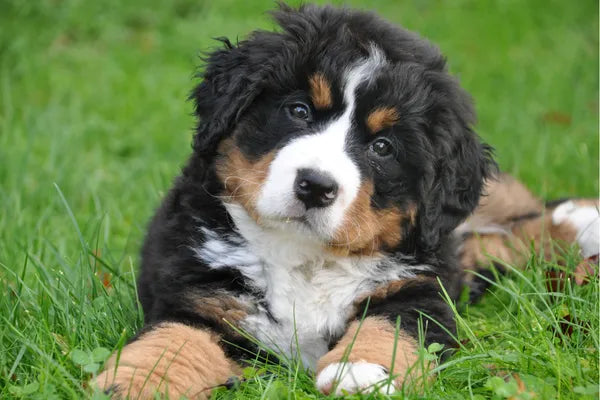
Berner · Berner Sennenhund (German: Bernese Alpine Herdsman's Dog) · Bernese · Durrbachler (early historical name)

  • Easy to train
  • Calm temperament
  • Good with other pets
  • Good with children
Bernese Mountain Dog Breed Guide
Temperament

Gentle, patient, loyal and deeply family-oriented — the Bernese Mountain Dog is widely regarded as one of the most affectionate and gentle of all large breeds. Excellent with children. Generally good with other dogs and pets when well socialised. Calm and steady indoors. Can be reserved with strangers. Sensitive to household tension and changes in routine. Slow to mature — retains puppy behaviour and exuberance well into adulthood.

Lifespan
7-10 years
Adult Size
Males 38–50kg, 64–70cm; females 32–42kg, 58–66cm
Care Level
Medium to High
Coat Type

Long, silky, slightly wavy or straight double coat. Very heavy shedder year-round with extremely heavy seasonal blow-outs in spring and autumn. Not hypoallergenic. The dense double coat makes the breed sensitive to heat.

Energy Level

Medium. 45–60 minutes of moderate daily exercise. Avoid exercise in heat.

is this the right breed for you?

Owner Suitability

Best suited to active families with space and a cooler climate, or those who can manage the breed's significant heat sensitivity in Australian conditions. The short lifespan compared to most breeds is an emotional consideration that prospective owners should acknowledge openly before purchasing.

Where the breed comes from

Origin & History

The Bernese Mountain Dog (Berner Sennenhund) is one of four Sennenhund-type breeds originating in the Swiss Alps, named after the canton of Bern. For over 2,000 years, Bernese Mountain Dogs served as versatile farm dogs in the Swiss Alps — pulling carts loaded with dairy products between farms and markets, herding cattle, guarding property and providing companionship. By the late 19th century the breed had declined significantly; it was revived through systematic breeding efforts in the early 20th century by Professor Albert Heim. Introduced to Australia, the breed has grown in popularity for its striking tricolour appearance and gentle temperament. Under the Australian National Kennel Council (ANKC), the Bernese Mountain Dog is classified in Group 5 (Working Dogs).

Get it right early

Tips for First-Time Owners

  1. 1 Acknowledge the lifespan honestly before purchasing — the Bernese Mountain Dog's average lifespan of 7–10 years is one of the shortest of any dog breed. This is an emotional reality that prospective owners should research and accept before bringing a puppy home.
  2. 2 Take out pet insurance immediately — cancer treatment for a large breed can cost tens of thousands of dollars and is a realistic possibility in this breed.
  3. 3 Source from a reputable breeder who hip-scores, elbow-scores, PRA-tests and DNA-tests for Von Willebrand Disease, and can discuss the cancer longevity history of their breeding lines.
  4. 4 Manage heat proactively — indoor air conditioning during Australian summers, exercise only in the coolest parts of the day, and constant access to cool water and shade are non-negotiable for this cold-climate breed in Australian conditions.
  5. 5 Avoid strenuous exercise during puppyhood — large breed puppies' growth plates close at approximately 18 months; excessive running on hard surfaces during development significantly increases joint damage risk.
Daily Routine

Care & Exercise

The Bernese Mountain Dog requires 45–60 minutes of moderate daily exercise — not as demanding as some working breeds, but consistent outdoor activity is important. This breed is sensitive to heat: in Australian conditions, particularly in warmer states, indoor air conditioning during summer and early morning or late evening exercise are strongly recommended. The thick double coat provides significant insulation; never exercise a Berner in hot weather. Training should begin from puppyhood using gentle, positive methods — Berners are sensitive and respond poorly to harsh correction. They mature slowly and remain mentally puppyish until 2–3 years of age. Puppy school is strongly recommended. Feed a quality, large-breed diet in two portions daily; avoid feeding immediately before or after exercise to reduce bloat risk.

Coat Care Routine

Grooming

The Bernese Mountain Dog is a heavy groomer. Brush two to three times per week minimum with a slicker brush and long-toothed metal comb — daily brushing is recommended and necessary during the two major seasonal coat blow-outs (spring and autumn) when the undercoat releases in large quantities. Pay particular attention to the feathering on the legs, chest and behind the ears where mats form readily. Professional grooming every eight to twelve weeks is recommended. Bathe every six to eight weeks. In Australian conditions, particular attention should be paid to keeping the dog cool during grooming — the dense coat provides significant insulation. Check and clean ears weekly. Brush teeth regularly. Trim nails every three to four weeks.

Did you know

Fun Facts

The Bernese Mountain Dog's historical working role in Switzerland included pulling dairy carts — a tradition that has been revived in the breed sport of 'Carting' or 'Drafting', where Berners compete in pulling loaded carts over a course. The breed's considerable strength relative to its gentle temperament makes it surprisingly capable in draught work, and Carting has become one of the most natural dog sport outlets for the breed.

The extraordinarily high cancer rate in the Bernese Mountain Dog has made the breed the subject of ongoing genetic research. The Berner-Garde Foundation — a worldwide health database specific to the breed — has collected health data on Bernese Mountain Dogs since the 1990s, and the breed's cancer predisposition is one of the most actively studied in veterinary oncology.

The Bernese Mountain Dog was brought back from the brink of extinction in the early 20th century. By 1900 the breed had declined so severely through crossbreeding with other farm dogs that geneticist Professor Albert Heim undertook a systematic survey of Swiss farm dogs in 1899–1902, rediscovered the remaining pure Bernese dogs in isolated farms in the Dürrbach valley, and began a formal restoration programme. The modern breed is entirely descended from these surviving individuals.

Day-to-day interaction

Handling & Socialisation

Socialisation from puppyhood is important — Bernese Mountain Dogs can be somewhat reserved with strangers without adequate early exposure. Puppy school is strongly recommended. Training requires gentle, patient, positive methods; this breed shuts down under harsh correction or pressure. Their large adult size means training must be consistent and established from puppyhood — an untrained 45 kg Berner is physically challenging. The breed's sensitivity makes it highly attuned to the owner's emotional state; calm, clear communication is the most effective training approach.

Keep them stimulated

Enrichment

Berners are gentle and enjoy moderate enrichment activities. Outdoor activities — walks, gentle hikes and swimming — are enjoyed. Cart-pulling was their historical working purpose and some Berners enjoy structured draught work as a sport. Puzzle feeders, training sessions and interactive play with family provide cognitive enrichment. The breed is deeply people-oriented and thrives when involved in family activities. Avoid vigorous exercise in heat. Consider cooler early morning and evening activity schedules in Australian summers.

What to watch for

Common Health Issues

Cancer: The most critical and devastating health concern in the breed. Bernese Mountain Dogs have one of the highest cancer rates of any dog breed — histiocytic sarcoma (a rare and aggressive cancer in most breeds) is particularly prevalent. Cancer is the primary cause of death in the breed and the main reason for the shortened lifespan. This is not preventable but can be detected earlier through proactive regular veterinary examination. Pet insurance from day one is especially critical for this breed given the cost of cancer treatment.

Hip and Elbow Dysplasia: Very common in large breeds and in the Bernese specifically; source from hip- and elbow-scored parents.

Bloat (GDV): Deep-chested large breeds are at genuine risk. Feed two smaller meals; avoid exercise immediately around mealtimes; act immediately if signs appear.

Von Willebrand Disease: A hereditary bleeding disorder; DNA testing available.

Progressive Retinal Atrophy (PRA): Hereditary eye condition; source from DNA-tested parents.

Heat Sensitivity: The dense double coat and large body mass make this breed acutely vulnerable to heat stress in Australian conditions.

Everything you need

Essentials Shopping List

Setup checklist

  • Quality large-breed dog food (age-appropriate; joint-support formula)
  • Stainless steel food and water bowls (no elevated feeder — GDV risk)
  • Collar with ID tag
  • Harness
  • Standard lead and long training lead
  • Crate (large)
  • Large orthopaedic dog bed
  • Slicker brush and long-toothed metal comb
  • Undercoat rake (seasonal)
  • Dog-safe shampoo
  • Ear cleaning solution
  • Dog toothbrush and dog-safe toothpaste
  • Nail clippers
  • High-value training treats
  • Fillable rubber chew toy
  • Puzzle feeders
  • Fetch toy
  • Cooling mat (essential for Australian conditions)
  • Poo bags
  • Flea, tick and worming prevention (vet recommended)
  • Pet insurance (from day one — cancer risk makes this essential)
FAQ

Commonly Asked Questions

  • Why does the Bernese Mountain Dog have such a short lifespan?

    The breed has an extremely high predisposition to cancer — particularly histiocytic sarcoma, which is rare in most breeds but prevalent in Berners. This is the primary cause of the shorter-than-average lifespan. Regular veterinary checks, a healthy body weight and early investigation of any abnormalities are the most useful management strategies.

  • Is a Bernese Mountain Dog suitable for Australian conditions?

    With careful management. The dense double coat makes this breed heat-sensitive; indoor air conditioning, exercise only in cooler parts of the day and diligent hydration management are essential in warm Australian climates.

  • Do Bernese Mountain Dogs shed a lot?

    Extremely heavily — year-round with two major seasonal blow-outs. Dog hair on all surfaces is an inevitable reality of Berner ownership.

  • Are Bernese Mountain Dogs good with children?

    Exceptionally — gentle, patient and tolerant with children of all ages.

  • What health tests should I ask a breeder for?

    Hip and elbow scores; PRA DNA test; Von Willebrand Disease DNA test; cancer longevity history in the breeding lines.

Need help?Our specialists are in-store every day to help with sourcing, training and supplies.

Visit Kellyville Pets