


Excellent for families, first-time owners, retirees and apartment dwellers. One of the most adaptable companion breeds available. Does not tolerate long periods alone. Best suited to a household with regular company. A gentle, forgiving breed well suited to children.
Cavalier King Charles Spaniel
- Calm temperament
- Good with children
- Easy to train
- Low exercise needs
- Apartment-friendly
- Suitable for first-time owners
- Good with other pets
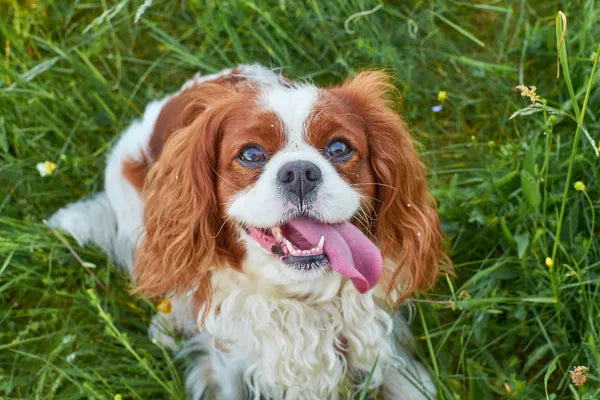


12–15 years; however, significant cardiac disease affects the breed at relatively early ages.

5–8 kg; 30–33 cm tall at the shoulder.

Low to Medium


Low to Medium. Two moderate daily walks plus indoor play are ideal.
is this the right breed for you?
Owner Suitability
Where the breed comes from
Origin & History


Get it right early
Tips for First-Time Owners
- 1 Research MVD thoroughly before purchasing — Mitral Valve Disease is the leading cause of death in this breed and affects almost all Cavaliers to some degree by middle to old age. Ask breeders for documentation that both parents are clear of murmur at the required ages under the MVD Breeding Protocol.
- 2 Source from a breeder who MRI-screens breeding dogs for Chiari-like Malformation and Syringomyelia — these conditions cause genuine pain and significantly affect quality of life.
- 3 Book annual cardiac checks with your vet from an early age and don't wait for symptoms — MVD can be present without obvious clinical signs and early detection allows for timely management.
- 4 Build up alone time tolerance gradually from puppyhood — Cavaliers form intense bonds and are highly prone to separation anxiety without early independence-building.
- 5 Invest in pet insurance from day one — the cardiac and neurological conditions that affect this breed can generate substantial veterinary costs, particularly in middle to older age.
Daily Routine
Care & Exercise
Coat Care Routine
Grooming
Did you know
Fun Facts
The Cavalier King Charles Spaniel's most famous historical owner was King Charles II himself, who was reportedly never seen without several spaniels and was so devoted to them that contemporary diarist Samuel Pepys commented that the king was 'playing with his dogs all the while and not minding his business'.
Mitral Valve Disease is 20 times more prevalent in the Cavalier King Charles Spaniel than in any other dog breed — a statistic that underscores the breed's unique cardiac vulnerability and the critical importance of sourcing from breeders who follow the internationally recognised MVD Breeding Protocol.
The Cavalier King Charles Spaniel was re-created in the 1920s and 30s from near-extinction by an American, Roswell Eldridge, who offered prize money at Crufts for breeders who could produce dogs resembling the longer-muzzled spaniels seen in 17th century royal portraits — a unique case of a breed being deliberately restored from artwork.
Day-to-day interaction
Handling & Socialisation
Keep them stimulated
Enrichment
What to watch for
Common Health Issues
find your next best friend
Browse all Puppies
Our Available Puppies


Everything you need
Essentials Shopping List
Setup checklist
- Quality small-breed dog food (age-appropriate)
- Stainless steel food and water bowls
- Collar with ID tag
- Harness
- Standard lead
- Crate
- Dog bed or crate mat
- Soft slicker brush and comb
- Dog-safe shampoo and conditioner
- Ear cleaning solution
- Dog toothbrush and dog-safe toothpaste
- Nail clippers
- Training treats
- Fillable rubber chew toy
- Puzzle feeder
- Variety of toys
- Poo bags
- Flea, tick and worming prevention (vet recommended)
- Pet insurance (from day one — cardiac conditions make this essential)
READY TO SET UP
See all items
Shop the Essentials

Save 25%
Simparica Trio for Small Dogs 5.1-10kg Orange

Save 22%
Hill's Science Diet Dog Food Puppy Large Breed

Save 22%
Hill's Science Diet Dog Food Puppy

Save 22%
Black Hawk Dog Food Puppy Medium Breed Chicken & Rice

Save 22%
Black Hawk Dog Food Puppy Medium Breed Lamb & Rice

Save 15%
Milbemax for Dogs Over 5kg - 2 Pack

Save 15%
Taste of the Wild Dog Food Puppy Pacific Stream Salmon

Save 15%
Black Hawk Grain Free Dog Food Puppy Ocean Fish
FAQ
Commonly Asked Questions
-
What is Mitral Valve Disease and how serious is it?
-
What is Syringomyelia?
-
Are Cavaliers good with children?
-
Can a Cavalier be left alone?
-
Do Cavaliers shed?
Learn more
See all breed guides Read about other breeds
No articles match that search. Try a different word.


Need help?Our specialists are in-store every day to help with sourcing, training and supplies.
Visit Kellyville Pets