Breed Guide6 min read

Labradoodle

Labrador Poodle cross β‹… Australian Labradoodle (distinct multi-generational variant)

  • Easy to train
  • Suitable for first-time owners
  • Good with children
  • Low-shedding
  • Good with other pets
Labradoodle Breed Guide
Temperament

Friendly, enthusiastic and highly sociable. One of the most naturally people-oriented of all doodle crosses. Excellent with children, other dogs and strangers. Intelligent, eager to please and responsive to training. Can be exuberant in puppyhood and adolescence. Prone to separation anxiety.

Lifespan
Standard: 10–14 years. Miniature: 12–15 years.
Adult Size
Standard: 23–30 kg, 53–63 cm. Miniature: 13–20 kg, 43–52 cm. Toy: 7–11 kg, 35–42 cm.
Care Level
Medium to High
Coat Type

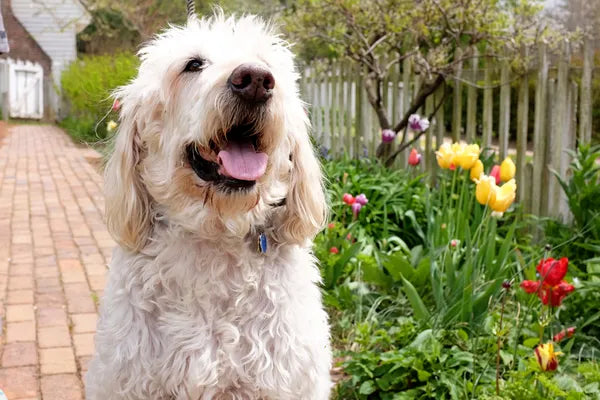
Wavy, curly or straight coat. Low-to-minimal shedding for wavy and curly types. Considered hypoallergenic-friendly, though not allergen-free. Straight coats may shed more.

Energy Level

Medium to High. 45–90 minutes of exercise daily depending on size.

is this the right breed for you?

Owner Suitability

Excellent for families, first-time owners and active households. One of the most consistently trainable and family-friendly doodle crosses. Adapts well to a range of living situations. Prone to separation anxiety; best suited to households with regular company.

Where the breed comes from

Origin & History

The Labradoodle is a crossbreed between a Labrador Retriever and a Poodle (Standard, Miniature or Toy). It was first intentionally bred by Wally Conron at the Royal Guide Dogs Association of Australia in 1989, in an effort to create a hypoallergenic guide dog for a visually impaired woman whose husband had allergies. The resulting cross exceeded expectations in both temperament and coat quality and sparked the global doodle crossbreeding movement. The Labradoodle remains one of the most widely kept doodle crosses in Australia and worldwide. Note: the Australian Labradoodle is a distinct, multi-generational breed incorporating additional breeds (including Cocker Spaniel and Irish Water Spaniel) and is different from a first-generation Labrador Γ— Poodle cross. As a crossbreed rather than a recognised purebred, individual dogs may vary in size, coat type and temperament depending on which parent breed they take after more strongly. Generation (F1, F1b, F2 etc.) also influences coat and shedding.

Get it right early

Tips for First-Time Owners

  1. 1 Source from a breeder who health-screens both parent breeds for hip/elbow dysplasia, PRA and Exercise Induced Collapse (EIC) β€” all three are hereditary and have available tests.
  2. 2 Weekly ear cleaning is non-negotiable for this breed β€” ear infections are one of the most common and recurring health concerns and are almost entirely preventable with a consistent cleaning routine.
  3. 3 Measure every meal and resist the food-begging β€” the Labrador's tendency to overeat combined with the Labradoodle's food motivation makes obesity a genuine ongoing risk.
  4. 4 Build separation tolerance gradually from puppyhood β€” Labradoodles are strongly people-oriented and prone to separation anxiety without early independence training.
  5. 5 Invest in pet insurance from day one β€” joint conditions, ear infections and potential allergy management can generate ongoing veterinary costs.
Daily Routine

Care & Exercise

Labradoodles are active, social dogs requiring 45–90 minutes of daily exercise (more for Standard, less for Miniature). They are highly food-motivated and trainable, inheriting the Labrador's eagerness to please and the Poodle's intelligence. Training should begin from puppyhood. Socialisation is generally straightforward with this naturally friendly breed, but it is still important. Feed a quality, size-appropriate diet in measured portions twice daily β€” Labradoodles can inherit the Labrador's tendency to overeat. Regular ear cleaning, dental care and annual vet checks are the foundations of ongoing health management.

Coat Care Routine

Grooming

Regular grooming is essential regardless of coat type. Wavy and curly coats require brushing two to three times per week and professional grooming every six to eight weeks. Straight coats require regular brushing and may shed more. Bathe every four to six weeks. Labradoodles are often active and water-loving β€” additional bathing may be needed after swimming or muddy outdoor activity. Check and clean ears weekly β€” ear infections are common in this breed. Brush teeth regularly. Trim nails every three to four weeks. Establish a grooming routine from puppyhood.

Did you know

Fun Facts

The Labradoodle was the first intentionally bred doodle cross in the world β€” created in 1989 by Wally Conron at the Royal Guide Dogs Association of Australia.

The Australian Labradoodle and the standard Labradoodle are actually different dogs β€” the Australian Labradoodle incorporates additional breeds including Cocker Spaniel and Irish Water Spaniel over multiple generations, producing more consistent coat and temperament outcomes than a first-generation Labrador Γ— Poodle cross.

Labradoodles have been among the most successful guide and assistance dog crosses ever developed β€” their combination of Labrador temperament, Poodle intelligence and low-shedding coat made them groundbreaking for service dog programs worldwide, opening guide dog access to people with allergies for the first time.

Day-to-day interaction

Handling & Socialisation

Socialisation is generally easy with this outgoing, confident breed. Puppy school is strongly recommended for foundational obedience. Positive, food-based training works exceptionally well given the breed's food motivation. Adolescent Labradoodles can be exuberant and boisterous β€” consistent training through this phase is important, particularly for Standard individuals. Recall training should be proactively established as the Labrador's love of exploring can override recall in exciting environments.

Keep them stimulated

Enrichment

Labradoodles are active, curious dogs that enjoy a variety of enrichment activities. Fetch, swimming, agility, scent work and interactive play are all enjoyed β€” swimming is particularly loved by many individuals, inheriting the water affinity of both parent breeds. Puzzle feeders and training sessions provide cognitive stimulation. Varied walk routes and social outings suit this sociable breed. Consider doggy daycare or a dog walker if the household is regularly absent.

What to watch for

Common Health Issues

Hip and Elbow Dysplasia: Inherited from both the Labrador and Poodle parents; one of the most common health concerns. Source from hip- and elbow-scored parents.

Progressive Retinal Atrophy (PRA): Hereditary eye condition; source from PRA-tested parents.

Ear Infections: Very common due to floppy ears and hair in ear canals. Weekly ear cleaning is essential. Signs include head shaking, scratching at ears and odour.

Exercise Induced Collapse (EIC): A hereditary condition from the Labrador parent that causes sudden collapse during intense exercise; DNA testing is available.

Obesity: The Labrador's tendency to overeat combined with food motivation makes weight management important throughout life. Measure all meals carefully.

Skin Allergies: Environmental and food allergies are reported in both parent breeds.

Everything you need

Essentials Shopping List

Setup checklist

  • Quality medium-to-large breed dog food (size-appropriate)
  • Stainless steel food and water bowls
  • Collar with ID tag
  • Harness (front-clip recommended)
  • Standard lead and long training lead
  • Crate
  • Dog bed
  • Slicker brush and steel comb
  • Dog-safe shampoo
  • Veterinarian-recommended ear cleaning solution
  • Dog toothbrush and dog-safe toothpaste
  • Nail clippers
  • Training treats (small, high-value)
  • Fillable rubber chew toy
  • Puzzle feeders
  • Fetch toy (ball launcher β€” water retrieval toy if near water)
  • Tug toy
  • Poo bags
  • Flea, tick and worming prevention (vet recommended)
  • Pet insurance (from day one)
FAQ

Commonly Asked Questions

  • Is a Labradoodle the same as an Australian Labradoodle?

    No. A standard Labradoodle is a cross between a Labrador Retriever and a Poodle. An Australian Labradoodle is a multi-generational breed incorporating additional breeds (including Cocker Spaniel) with more consistent coat and temperament outcomes.

  • Do Labradoodles shed?

    Wavy and curly coats are low-to-minimal shedders. Straight coats may shed similarly to a Labrador. Coat type cannot be guaranteed in advance.

  • Are Labradoodles easy to train?

    Yes β€” among the most trainable doodle crosses. They are food-motivated, eager to please and highly responsive to positive reinforcement.

  • Why does my Labradoodle keep getting ear infections?

    Floppy ears combined with hair growing in the ear canal create a warm, moist environment ideal for bacterial and yeast growth. Weekly ear cleaning is the most effective prevention.

  • What health tests should I ask a breeder for?

    Hip and elbow scores for both parents; PRA eye test; EIC DNA test (Labrador parent); clear history of skin allergies in breeding lines.

Need help?Our specialists are in-store every day to help with sourcing, training and supplies.

Visit Kellyville Pets