


Suitable for apartment dwellers, singles, active retirees and experienced small-breed owners. Requires consistent early training and socialisation to prevent bold, reactive behaviour. Not ideally suited to households with very young children due to fragile size. A committed, attentive owner will be rewarded with a deeply engaging companion.
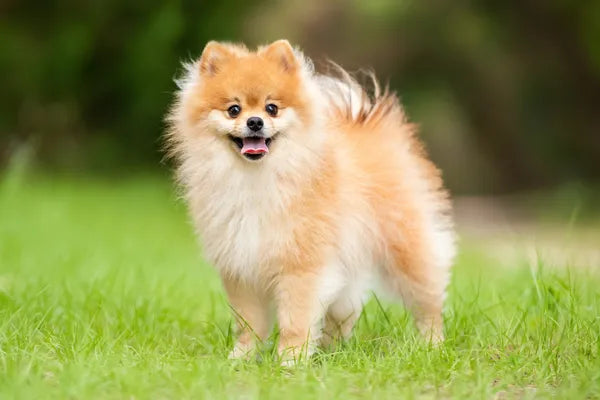
Pomeranian
- Suitable for first-time owners
- Low exercise needs
- Apartment-friendly


12–16 years — one of the longer-lived small breeds

1.8–3.5 kg; 18–30 cm tall

Medium


Low to Medium. Two short daily walks and indoor play are sufficient.
is this the right breed for you?
Owner Suitability
Where the breed comes from
Origin & History


Get it right early
Tips for First-Time Owners
- 1 Begin daily tooth brushing from the first week home — dental disease is the most common and consequential long-term health issue in this breed.
- 2 Always use a harness rather than a collar when walking — tracheal collapse risk makes collar pressure dangerous for this breed.
- 3 Never shave the double coat — it does not grow back correctly and leaves the dog vulnerable to temperature extremes and UV damage.
- 4 Train and socialise from day one — the Pomeranian's bold personality without consistent guidance becomes vocal, reactive and difficult. Early puppy school attendance is important.
- 5 Avoid purchasing any dog marketed as 'teacup' — this term describes undersized individuals often produced by unethical practices and associated with serious health problems.
Daily Routine
Care & Exercise
Coat Care Routine
Grooming
Did you know
Fun Facts
The modern small Pomeranian was largely created by Queen Victoria of England, who fell in love with a small Pomeranian she acquired in Florence in 1888 — she reportedly owned 35 Pomeranians throughout her life and is said to have requested that her favourite, Turi, be by her side as she died in 1901. The fashion for smaller Pomeranians she popularised is credited with reducing the breed's average size by approximately 50% during her lifetime.
The Pomeranian descends from large working Spitz dogs historically used to pull sleds across Arctic terrain — the same ancestral line as the Samoyed, Alaskan Malamute and Siberian Husky. The 'stand-off' coat that makes the modern Pomeranian look so fluffy is a direct inheritance from cold-climate ancestors whose thick insulating coat was a survival necessity.
Two Pomeranians are among the very few dogs known to have survived the sinking of the Titanic in 1912 — both were small enough to have been placed in lifeboats by their owners. Given that only 710 of the 2,224 people aboard survived, the survival of two Pomeranians among the handful of surviving dogs is a remarkable historical footnote.
Day-to-day interaction
Handling & Socialisation
Keep them stimulated
Enrichment
What to watch for
Common Health Issues
find your next best friend
Browse all Puppies
Our Available Puppies


Everything you need
Essentials Shopping List
Setup checklist
- Quality small-breed dog food (age-appropriate)
- Shallow stainless steel food and water bowls
- Small harness (always — never a collar)
- Short lead
- Crate
- Small, comfortable dog bed
- Pin brush (daily use)
- Metal comb
- Deshedding undercoat rake (seasonal)
- Dog-safe shampoo
- Ear cleaning solution
- Dog toothbrush and dog-safe toothpaste (daily use)
- Nail clippers
- Small training treats
- Fillable rubber chew toy
- Puzzle feeder
- Variety of small toys
- Poo bags
- Flea, tick and worming prevention (vet recommended)
- Pet insurance (from day one)
READY TO SET UP
See all items
Shop the Essentials

Save 25%
Ivory Coat Grain Free Dog Food Puppy Chicken

Save 22%
Hill's Science Diet Dog Food Puppy Large Breed

Save 22%
Hill's Science Diet Dog Food Puppy

Save 22%
Black Hawk Dog Food Puppy Medium Breed Chicken & Rice

Save 22%
Black Hawk Dog Food Puppy Medium Breed Lamb & Rice

Save 15%
Milbemax for Dogs Over 5kg - 2 Pack

Save 15%
Taste of the Wild Dog Food Puppy Pacific Stream Salmon

Save 15%
Simparica Trio for Small Dogs 5.1-10kg Orange
FAQ
Commonly Asked Questions
-
Do Pomeranians bark a lot?
-
Are Pomeranians good with children?
-
Can I shave my Pomeranian in summer?
-
What is Alopecia X?
-
What health tests should I ask a breeder for?
Learn more
See all breed guides Read about other breeds
No articles match that search. Try a different word.


Need help?Our specialists are in-store every day to help with sourcing, training and supplies.
Visit Kellyville Pets