Breed Guide6 min read

Sheepadoodle

Old English Sheepdog Poodle cross ⋅ Sheep-a-doodle (variant spelling)

  • Easy to train
  • Low-shedding
  • Calm temperament
  • Good with other pets
  • Good with children
Sheepadoodle Breed Guide
Temperament

Gentle, loyal and playful — often described as 'goofy' in the best sense. The Sheepadoodle inherits the Old English Sheepdog's patient, affectionate nature and the Poodle's intelligence and enthusiasm. Deeply family-oriented and typically excellent with children. Can be boisterous at a young age given size. May inherit a herding instinct toward children or other pets.

Lifespan
Standard: 12–15 years. Miniature: 13–15 years.
Adult Size
Standard: 25–40 kg, 50–65 cm. Miniature: 15–25 kg, 35–50 cm.
Care Level
Medium to High
Coat Type

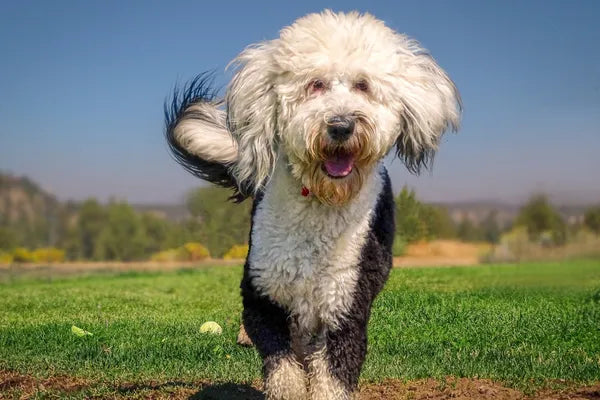
Thick, wavy to curly fleece-like coat. Low to minimal shedder in most individuals. Considered hypoallergenic-friendly though coat type varies. High grooming commitment regardless of coat type.

Energy Level

Medium to High. Standard Sheepadoodles require 60–90 minutes of exercise daily; Miniatures 45–60 minutes.

is this the right breed for you?

Owner Suitability

Intermediate. Best suited to active families, experienced owners or first-time owners who have thoroughly researched the breed's size, exercise and grooming demands. Not ideal for apartment living. Requires consistent space, daily exercise and significant grooming commitment.

Where the breed comes from

Origin & History

The Sheepadoodle is a crossbreed between an Old English Sheepdog and a Poodle (Standard or Miniature). The cross was first deliberately bred by the United States Army in the 1960s as an experimental military dog, though it was quickly found to be far better suited to family life than military applications. The combination of the Old English Sheepdog's loyal, gentle temperament and the Poodle's intelligence and lower-shedding coat produces a large, striking and affectionate companion. The Sheepadoodle is relatively rare in Australia compared to Groodles and Labradoodles but has a devoted following. As a crossbreed rather than a recognised purebred, individual dogs may vary in size, coat type and temperament depending on which parent breed they take after more strongly.

Get it right early

Tips for First-Time Owners

  1. 1 Research the adult size thoroughly before purchasing a Standard Sheepadoodle — an adorable fluffy puppy becomes a 30–40 kg dog requiring substantial space, exercise and grooming investment.
  2. 2 Establish a daily grooming routine from the first week home — the Sheepadoodle coat mats rapidly and a dog not conditioned to grooming as a puppy becomes extremely difficult to manage at full size.
  3. 3 Know the signs of bloat (GDV) in Standard individuals — distended abdomen, unproductive retching and restlessness are emergency signs requiring immediate veterinary care.
  4. 4 Source from a breeder who hip-scores both parent breeds and DNA-tests for PRA — joint conditions are among the most significant long-term health concerns for large doodle crosses.
  5. 5 Invest in pet insurance from day one — the cost of treating GDV, hip dysplasia or other large-breed conditions can be substantial.
Daily Routine

Care & Exercise

The Sheepadoodle is an active dog requiring substantial daily exercise — 60 to 90 minutes for Standard individuals and 45 to 60 minutes for Miniatures. Both parent breeds are intelligent working dogs; without adequate physical and mental stimulation this breed becomes bored and potentially destructive. Training should begin from puppyhood and continue throughout life. The Old English Sheepdog parent's herding instinct may be expressed as chasing or circling children — proactive management is important. Feed a quality, size-appropriate diet in measured portions; Standard Sheepadoodles are prone to bloat (GDV) — feed two smaller meals and avoid vigorous exercise around meal times.

Coat Care Routine

Grooming

The Sheepadoodle coat is among the most demanding of all doodle crosses to maintain. Daily brushing is strongly recommended — the thick, dense fleece-like coat mats rapidly if not regularly worked through with a slicker brush and steel comb. Professional grooming every six to eight weeks is essential. The larger the dog, the more time and cost the grooming commitment represents. Establish a grooming routine from puppyhood — a Sheepadoodle that has not been conditioned to grooming from a young age can be very difficult to manage at full size. Bathe every four to six weeks. Check and clean ears weekly. Brush teeth regularly. Trim nails every three to four weeks.

Did you know

Fun Facts

The Sheepadoodle traces its origins to a deliberate military breeding programme in the United States Army in the 1960s — breeders sought to create a dog combining the Old English Sheepdog's trainability and calm temperament with the Poodle's intelligence. The experiment was considered a success in terms of producing an excellent family dog, if not an ideal military one.

The black-and-white Sheepadoodle is frequently described as looking like a living soft toy — a resemblance so striking that Sheepadoodle images regularly go viral on social media. The distinctive black-and-white patchwork colouring with the thick, plush fleece coat creates one of the most immediately recognisable and visually distinctive appearances of any doodle cross.

Some Sheepadoodles are born solid black and gradually fade to grey or blue-grey as they mature — a coat colour change trait inherited from the Poodle parent that can surprise unprepared owners. This fading is entirely normal and does not indicate any health concern.

Day-to-day interaction

Handling & Socialisation

Socialisation from puppyhood is important, particularly for Standard Sheepadoodles whose large adult size requires consistent good manners from an early age. Puppy school followed by ongoing training is strongly recommended. Positive, reward-based training works very well. The herding instinct toward children and other animals requires proactive management from day one. The size of a full-grown Standard Sheepadoodle means an untrained adult is significantly more challenging to manage than an untrained small dog — prioritise training from the outset.

Keep them stimulated

Enrichment

The Sheepadoodle is an active, intelligent dog that needs both physical and cognitive enrichment. Outdoor activities — fetch, swimming, hiking and off-lead running in secure areas — are ideal. Puzzle feeders, training sessions and scent games provide mental engagement. The Old English Sheepdog herding heritage means some Sheepadoodles enjoy herding-type activities or sports that channel the instinct constructively. Vary the enrichment routine regularly.

What to watch for

Common Health Issues

Hip and Elbow Dysplasia: Inherited from both parent breeds; source from hip- and elbow-scored parents — critical for large breeds to reduce pain and mobility issues in later life.

Bloat (GDV): Deep-chested Standard Sheepadoodles are at genuine risk of this life-threatening condition. Feed two smaller meals daily; avoid vigorous exercise immediately before and after eating; know the signs (distended abdomen, unproductive retching, restlessness) and seek emergency care immediately.

Progressive Retinal Atrophy (PRA): Hereditary eye condition; source from PRA-tested parents.

Hypothyroidism: Reported in Old English Sheepdogs; can cause weight gain, lethargy and coat changes.

Ear Infections: Floppy ears and hair in ear canals predispose this breed; weekly cleaning is important.

Addison's Disease: Reported in Standard Poodle lines; causes reduced adrenal gland function.

Find your next best friend

Our Available Puppies

Browse all Puppies →
Everything you need

Essentials Shopping List

Setup checklist

  • Quality large-breed dog food (size-appropriate)
  • Stainless steel food and water bowls (slow feeder for large individuals; no elevated feeder — increases GDV risk)
  • Collar with ID tag
  • Harness
  • Standard lead and long training lead
  • Crate (large)
  • Orthopaedic dog bed
  • Slicker brush (daily use)
  • Steel comb and undercoat rake
  • Dog-safe shampoo
  • Ear cleaning solution
  • Dog toothbrush and dog-safe toothpaste
  • Nail clippers
  • Training treats
  • Fillable rubber chew toy
  • Puzzle feeders
  • Fetch toy and tug toy
  • Poo bags
  • Flea, tick and worming prevention (vet recommended)
  • Pet insurance (from day one — essential for large breeds)
FAQ

Commonly Asked Questions

  • Is a Sheepadoodle a good family dog?

    Yes — the Sheepadoodle is widely regarded as one of the most family-friendly large doodle crosses. Gentle, patient and devoted with children.

  • How big does a Sheepadoodle get?

    Standard: 25–40 kg. Miniature: 15–25 kg. Confirm parent sizes before purchasing.

  • Do Sheepadoodles shed?

    Minimally in most individuals. However, the coat still mats rapidly without daily brushing — low shedding does not mean low grooming.

  • Why does my Sheepadoodle's coat look different from its puppy photos?

    Some Sheepadoodles are born black and fade to grey with age — a normal Poodle-inherited trait.

  • What health tests should I ask a breeder for?

    Hip and elbow scores for both parent breeds; PRA eye test; thyroid function history (OES parent); Addison's Disease history (Poodle lines).

Need help?

Our specialists are in-store every day to help with sourcing, training and supplies.

Visit Kellyville Pets →