Breed Guide6 min read

Toy Poodle

Pudel (German origin name) · Caniche (French)

  • Suitable for first-time owners
  • Easy to train
  • Low-shedding
  • Good with children
  • Apartment-friendly
  • Low exercise needs
  • Calm temperament
  • Good with other pets
Toy Poodle Breed Guide
Temperament

Highly intelligent, sensitive and people-attuned. Deeply loyal to their family. Alert and responsive. Can be reserved with strangers initially. Learns quickly — capable of a very wide range of commands, tricks and tasks. Sensitive to household tension and changes in routine. Prone to separation anxiety. Despite toy size, a full-confidence dog that does not benefit from over-protection.

Lifespan
14–18 years — one of the longest-lived of all dog breeds
Adult Size
Under 28cm tall at the shoulder; 2–4kg
Care Level
Medium to High
Coat Type

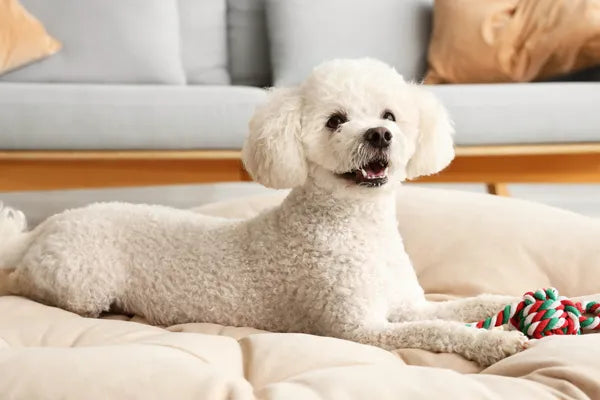
Dense, curly single-layer coat. Minimal shedder — shed hair is caught in the curls rather than falling freely. Hypoallergenic-friendly, though not allergen-free. Coat grows continuously and requires regular professional clipping.

Energy Level

Medium. 30–45 minutes of daily exercise is appropriate. Enjoys varied activity.

is this the right breed for you?

Owner Suitability

Excellent for first-time owners, apartment dwellers, active singles and seniors. Highly adaptable, very long-lived and one of the most trainable small breeds available. Sensitive and people-oriented — does not suit long periods alone. Grooming commitment is significant and ongoing.

Where the breed comes from

Origin & History

The Poodle is believed to have originated in Germany as a water retriever — the name derives from the German Pudel, meaning 'to splash in water'. The distinctive show clips originated practically: sections of thick wet coat were shaved to allow freer movement in water, while key joints and organs were left covered for warmth and protection. The breed was subsequently refined in France, where it became highly fashionable at the royal court. The Toy Poodle was developed as a smaller companion variety. Today all three Poodle sizes (Standard, Miniature and Toy) share the same breed standard in miniature. The Poodle consistently ranks second in canine intelligence assessments. Under the Australian National Kennel Council (ANKC), the Toy Poodle is classified in Group 1 (Toys).

Get it right early

Tips for First-Time Owners

  1. 1 Commit to professional grooming every four to six weeks from the first week home — establish the routine and the relationship with a groomer while the puppy is young and adaptable. A Toy Poodle that is not regularly groomed rapidly develops a painful, felted coat.
  2. 2 Begin daily tooth brushing from the day the puppy arrives — dental disease is the most significant long-term health concern in this breed and daily brushing from puppyhood is the most effective prevention.
  3. 3 Build independence from day one — the Toy Poodle's people-orientation makes it prone to separation anxiety. Gradual alone-time conditioning from puppyhood produces a more confident, resilient adult.
  4. 4 Source from a breeder who DNA-tests for PRA, health-screens for luxating patella and Legg-Calvé-Perthes Disease, and discusses Addison's Disease history in their lines.
  5. 5 Never over-protect by carrying everywhere — a Toy Poodle allowed to walk, explore and experience novelty independently develops into a confident, well-adjusted dog. An over-protected Toy Poodle becomes anxious and dependent.
Daily Routine

Care & Exercise

The Toy Poodle is a moderate-exercise breed suited to apartment living. 30–45 minutes of daily exercise is appropriate. Despite its small size, this is a highly intelligent breed that requires regular mental stimulation — physical exercise alone is insufficient. Short, varied training sessions, puzzle feeders and interactive play should be part of the daily routine. The breed is extremely sensitive and responds beautifully to positive, calm, consistent training. Harshness or inconsistency produces anxiety. Build separation tolerance gradually from puppyhood — Toy Poodles are people-dependent and prone to anxiety if not independently conditioned. Dental care from puppyhood is critically important. Annual vet checks, ear care and parasite prevention are essential.

Coat Care Routine

Grooming

The Toy Poodle's continuously growing coat is a high-maintenance commitment. Daily brushing with a slicker brush and comb is required to prevent the tight curls from felting into mats — particularly behind the ears, in the armpits, at the base of the legs and around the face. Professional grooming every four to six weeks for clipping is essential; without regular clipping the coat grows into an increasingly dense, matted mass. The choice of clip style — puppy clip (the most practical for pet owners), lamb clip, sporting clip or the more elaborate show clips — is a personal decision but the frequency of professional grooming is not. Bathe every three to four weeks. Check and clean ears weekly — the hair that grows in the ear canal predisposes this breed to infections. Brush teeth daily — small breeds are highly prone to dental disease. Trim nails every three to four weeks.

Did you know

Fun Facts

The Toy Poodle consistently ranks second in Stanley Coren's The Intelligence of Dogs — the most widely cited ranking of canine intelligence by breed — behind only the Border Collie. The Poodle (all sizes) is widely regarded as the most trainable of all companion breeds and is capable of learning a wider range of commands and complex tasks than virtually any other small dog breed.

The elaborate lion-style show clips seen on Poodles at dog shows are not purely decorative — they originated with practical hunting function. Early hunters shaved sections of the coat to reduce waterlogging and improve swimming efficiency, while leaving dense pom-poms over the joints to protect against cold water and rheumatism. The clip style that looks most theatrical is directly descended from functional working necessity.

Red-coated Toy Poodles have become particularly popular in Australia in recent years — the rich auburn-red tone is in high demand and red Toy Poodle puppies can command substantial premiums. However, red coats often fade significantly with age, sometimes lightening to apricot or cream. Prospective owners seeking a long-term red coat should discuss this with their breeder.

Day-to-day interaction

Handling & Socialisation

Early socialisation and puppy school are strongly recommended — despite their small size, Toy Poodles benefit as much from structured early socialisation as any breed. Without it, they can become anxious, timid or reactive. Positive, gentle, consistent training works exceptionally well — the Toy Poodle is one of the most naturally trainable of all small breeds. Their sensitivity means they pick up subtle cues from the owner's tone and body language; calm, clear communication is more effective than repetition or correction. Build confidence from puppyhood by allowing the dog to walk, explore and navigate challenges independently rather than being carried.

Keep them stimulated

Enrichment

The Toy Poodle's intelligence is its most defining characteristic and enrichment must reflect this. Short daily training sessions — even 5–10 minutes — teaching new commands, tricks or sequences provide enormous cognitive satisfaction. Puzzle feeders, treat-dispensing toys and scent games engage the breed's intelligence and scenting ability. The Poodle's water retriever heritage means many individuals enjoy swimming and retrieve games. Rotate toys regularly to maintain novelty. Interactive play and learning sessions with the owner are the most enriching activities available to this deeply people-attuned breed.

What to watch for

Common Health Issues

Dental Disease: The most common and consequential long-term health concern in the Toy Poodle. Small jaw causes crowding, rapid tartar accumulation and early tooth loss. Daily tooth brushing from puppyhood and regular professional dental cleans are essential.

Patella Luxation: Kneecap dislocation — very common in small breeds. Source from health-screened breeders. Ranges from mild to requiring surgical correction.

Progressive Retinal Atrophy (PRA): Hereditary eye condition causing progressive vision loss; DNA testing available. Source from PRA-tested parents.

Legg-Calvé-Perthes Disease: A hereditary condition causing degeneration of the femoral head; more common in Toy breeds including Toy Poodles. Source from health-screened breeders.

Addison's Disease: Inadequate adrenal hormone production; more common in Poodles across all sizes than most breeds. Signs include lethargy, digestive problems and collapse under stress.

Ear Infections: Hair grows in the ear canal; weekly cleaning essential.

Separation Anxiety: People-dependent breed; build independence from day one.

Everything you need

Essentials Shopping List

Setup checklist

  • Quality small-breed dog food (age-appropriate)
  • Stainless steel food and water bowls
  • Small harness (recommended over collar)
  • Short lead
  • Crate
  • Small, comfortable dog bed
  • Slicker brush and fine-tooth steel comb (daily use)
  • Dog-safe detangling spray
  • Dog-safe shampoo
  • Ear cleaning solution
  • Dog toothbrush and dog-safe toothpaste (daily use)
  • Nail clippers (small)
  • Small training treats
  • Fillable rubber chew toy
  • Variety of puzzle feeders
  • Small fetch toy
  • Variety of small toys
  • Poo bags
  • Flea, tick and worming prevention (vet recommended)
  • Pet insurance (from day one)
FAQ

Commonly Asked Questions

  • Does a Toy Poodle need professional grooming?

    Yes — every four to six weeks without exception. The coat grows continuously and, without regular clipping, becomes a felted, matted mass that causes significant discomfort. Daily brushing between professional appointments is also required.

  • Are Toy Poodles hypoallergenic?

    They are minimal shedders and considered hypoallergenic-friendly. Shed hair is caught in the curls rather than released into the environment, making them one of the best options for mild allergy sufferers. No dog is completely allergen-free.

  • Are Toy Poodles suitable for apartment living?

    Yes — their small size, moderate exercise needs and low shedding make them ideal for apartments. Ensure adequate daily walks and mental stimulation.

  • How intelligent is a Toy Poodle?

    Exceptionally. They rank second in canine intelligence assessments. They learn quickly, can be trained to a very high level and can also learn to bend the rules if training is inconsistent — clever goes both ways.

  • What health tests should I ask for from a breeder?

    PRA DNA test; luxating patella assessment; Legg-Calvé-Perthes history; discussion of Addison's Disease in the breeding lines.

Need help?Our specialists are in-store every day to help with sourcing, training and supplies.

Visit Kellyville Pets