Care Guide6 min read

Eastern Blue-Tongue Skink

Tiliqua scincoides scincoides
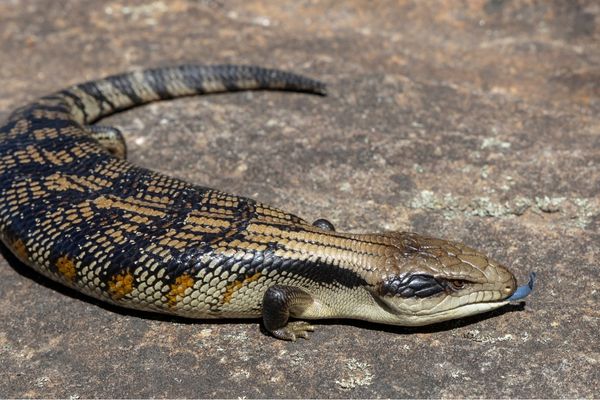
Eastern Blue-Tongue · Eastern Blue-Tongued Lizard · Blue-Tongued Skink ­­· Bluey

Eastern Blue-tongue Lizard Care Guide
Lifespan
20-30 years
Adult Size
40-60cm
Care Level
Low
Diet

Omnivorous diet of protein (insects, lean meat, quality dog/cat food), fresh vegetables, leafy greens and occasional fruit

Enclosure

Large, well-ventilated terrestrial enclosure (minimum 120 × 60 × 45 cm) with a UVB light, a hot basking spot and deep burrowing substrate

Temperament

Most captive Eastern Blue-Tongues are naturally calm, curious and tolerant of human presence

Where they come from

Natural History & Origin

The Eastern Blue-Tongue (Tiliqua scincoides scincoides) is the most widespread and commonly encountered blue-tongue skink in Australia, with a natural range extending across most of New South Wales, Victoria, Queensland and South Australia. It inhabits a remarkably diverse array of environments — open sclerophyll forest, dry woodland, heathland, coastal scrub, agricultural land and suburban gardens — demonstrating the species' exceptional adaptability.

Eastern Blue-Tongues are diurnal and heliothermic, basking to reach optimal body temperature before foraging. They are predominantly ground-dwelling, moving through leaf litter, grass and low vegetation in search of food. Their diet in the wild is highly varied and opportunistic — encompassing insects, snails, garden slugs, berries, flowers, fallen fruit and even carrion. They are viviparous, giving birth to live young rather than laying eggs, with litters typically ranging from six to sixteen young.

The species is extremely well-known in suburban Australia, where individuals are commonly encountered in gardens and backyards. This familiarity with human environments, combined with their naturally calm temperament, has made the Eastern Blue-Tongue one of Australia's most popular and widely kept lizards.

Get it right early

Tips for First-Time Owners

  1. 1 Provide a deep burrowing substrate of at least 10–15 cm — Eastern Blue-Tongues are natural burrowers and a shallow substrate causes chronic, low-grade stress that is easy to prevent.
  2. 2 Vary the diet substantially at every meal — a blue-tongue fed a narrow diet, even a seemingly healthy one, will develop nutritional deficiencies over time; variety of vegetables, proteins and occasional fruit is the most important dietary principle.
  3. 3 A T5 HO 10% UVB lamp is strongly recommended and supports natural vitamin D₃ synthesis, activity levels and long-term health — it is an investment that pays dividends throughout the animal's life.
  4. 4 Never allow your blue-tongue unsupervised access to other household pets — dogs and cats can injure a skink very quickly, even without hostile intent.
  5. 5 Obtain a valid fauna keeper licence before purchasing and source your animal only from a licensed, reputable captive breeder.
Setting up the habitat

Enclosure & Husbandry

Eastern Blue-Tongues are terrestrial animals that need floor space above all else. The minimum recommended enclosure for a single adult is 120 cm L × 60 cm W × 45 cm H; 150 cm L is strongly preferred and supports a more effective thermal gradient. The enclosure must be escape-proof with a secure, ventilated lid — blue-tongues are deceptively strong and persistent if motivated.

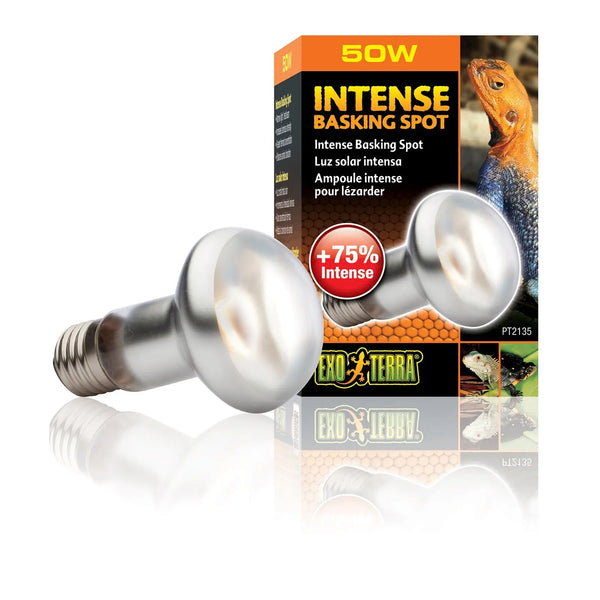
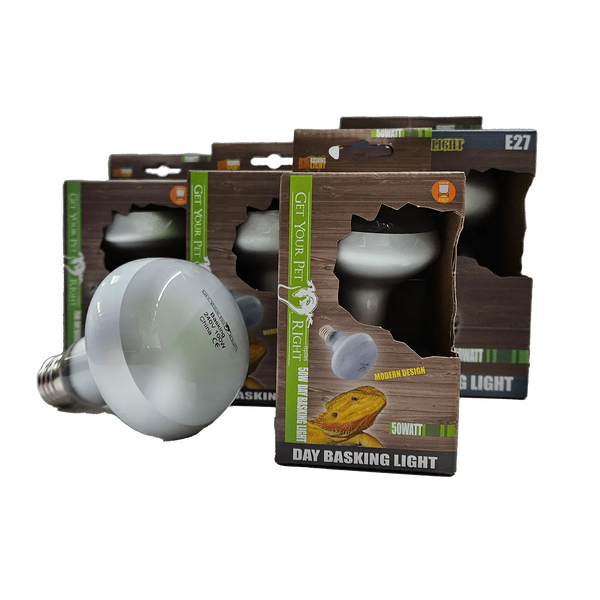
Provide a clear thermal gradient: the basking spot should reach 38–42 °C directly beneath a halogen or incandescent globe regulated by a quality thermostat. The warm ambient zone should sit at 28–32 °C, and the cool end at 22–26 °C. Night-time temperatures may drop to 18–20 °C without supplementary heat in most Australian households. All heat sources must be thermostat-controlled.

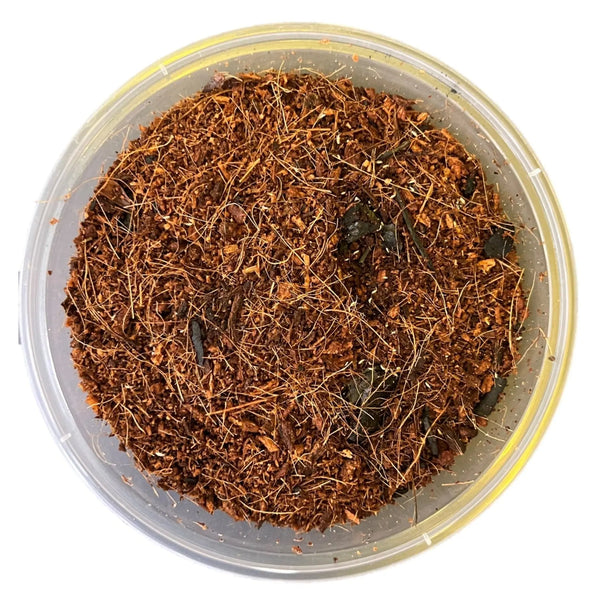
UVB lighting is strongly recommended — a T5 HO 10% UVB tube spanning at least two-thirds of the enclosure provides the UV gradient required for natural vitamin D₃ synthesis and supports long-term health and activity. Replace the UVB lamp annually on schedule. Substrate should allow burrowing — a depth of 10–15 cm of cypress mulch, coconut fibre, or a soil and sand mix is ideal. Avoid fine calcium sand and pine or cedar shavings. Furnish the enclosure with two hides (warm and cool end), a flat basking rock, a shallow water dish, climbing branches or cork logs, and artificial or drought-tolerant plants.

What to feed

Dietary Management

Eastern Blue-Tongues are highly adaptable omnivores with a broad dietary tolerance, making them one of the most straightforward lizards to feed in captivity. A well-balanced diet should comprise approximately 50–60% vegetables and leafy greens, 30–40% protein and 10% fruit as an occasional treat.

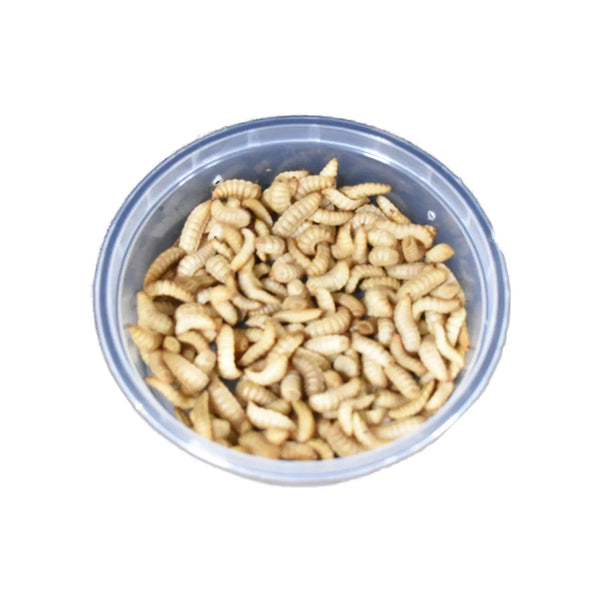
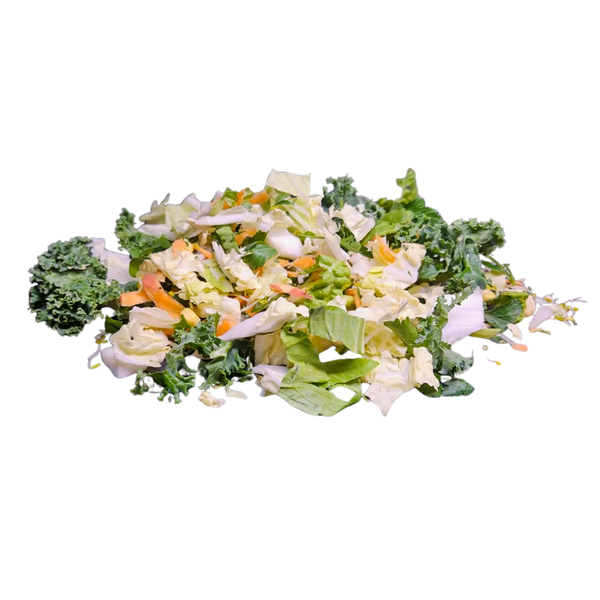
Suitable vegetables include butternut squash, zucchini, green beans, carrot, capsicum and leafy greens such as kale and endive. Suitable protein sources include lean minced beef (no seasoning), quality grain-free tinned dog or cat food (meat-based), boiled egg, crickets, snails, dubia roaches and black soldier fly larvae. Fruit — such as blueberries, rockmelon or strawberries — should be offered sparingly due to its high sugar content.

Dust food with calcium supplement every second feeding, and with a multivitamin supplement once per week. Juveniles should be fed daily; adults every two to three days. Fresh water must be available at all times. Avoid onion, avocado, rhubarb and any seasoned, processed or preserved human foods. Variety is the foundation of long-term health in this species.

Day-to-day interaction

Handling & Socialisation

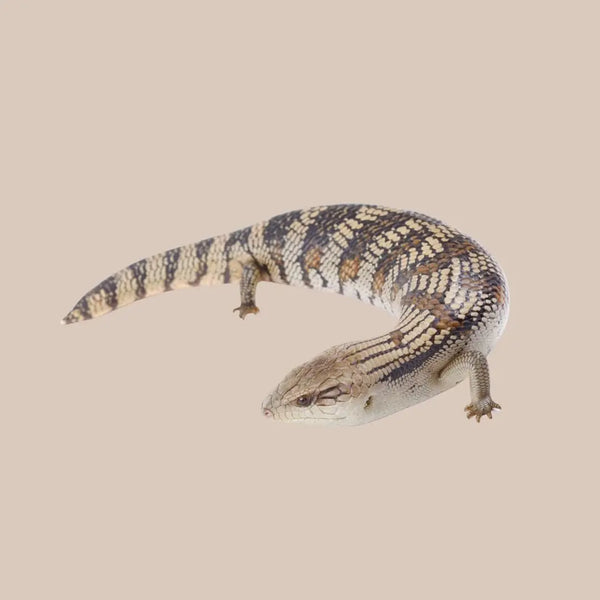
Widely regarded as one of the most handleable and personable lizard species available in Australia, becoming increasingly relaxed and confident over time with regular, gentle interaction. The iconic blue tongue display — mouth open, tongue extended — is a defensive bluff that is rarely followed through in well-socialised captive animals. Biting is uncommon; when it does occur, bites are strong but non-venomous.

Eastern Blue-Tongues can be handled daily once settled into their new home, which typically takes one to two weeks. Start with short, calm sessions of ten to fifteen minutes, increasing gradually as the animal becomes more comfortable. Support the full body including the tail — blue-tongue tails are non-regenerating, so they must never be gripped, lifted by or used as a restraint point.

Most settled individuals tolerate thirty-minute or longer handling sessions without stress. Avoid handling during shed or in the 48 hours after feeding. Do not allow the animal near other household pets — even well-intentioned contact from dogs or cats can result in serious injury to the skink. Children should always be supervised and encouraged to sit while holding the animal to reduce the risk of accidental drops.

Eastern Blue - tongued Lizard - Kellyville Pets
AVAILABLE IN-STORE

Eastern Blue-tongued Lizard

Did you know

Fun Facts

The blue tongue serves as a genuine aposematic display — the vivid, unexpected colour contrasting sharply with the pink mouth interior is designed to startle or alarm a predator in the brief moment required to escape. It is completely harmless.

Eastern Blue-Tongues are viviparous — they give birth to fully formed, independent live young rather than laying eggs. Litters of six to sixteen young are born after a gestation period of approximately three to five months, with each youngster fully capable of fending for itself from birth.

Unlike many lizard species, Eastern Blue-Tongue tails do not regenerate — a tail lost to a predator, a door or an overzealous pet is lost permanently, leaving a permanently blunted end. This makes careful handling and household safety particularly important.

Keep them stimulated

Enrichment

Eastern Blue-Tongues are inquisitive, active foragers that benefit greatly from environmental complexity and regular interaction. Allow supervised free-roaming exploration in a secure, reptile-safe room — most individuals are confident and curious explorers. Introduce new hides, logs or décor items periodically during routine cleans to provide novelty and encourage investigation.

Varying the diet significantly — rotating different vegetables, protein types and occasional fruit — is itself a meaningful form of enrichment that encourages foraging behaviour. Burying food items or placing them in different positions within the enclosure mimics natural rooting and searching behaviour. A warm, shallow water bath two to three times per week supports hydration and can ease shedding. Safe outdoor sun time in a secure, escape-proof enclosure during warm weather provides natural UVB, fresh air and a rich sensory environment.

What to watch for

Common Health Issues

Metabolic Bone Disease (MBD) can develop from insufficient calcium, vitamin D₃ or UVB — leading to bone softening, limb deformities and tremors. Correct UVB provision and consistent calcium supplementation prevent this condition entirely. Respiratory infections may arise when enclosure temperatures are too low or ventilation is poor — signs include mucus, open-mouth breathing or wheezing; seek veterinary attention promptly.

Incomplete shedding is common when humidity is too low during shed cycles — retained shed around the toes is a particular concern, as it can tighten, restrict blood flow and lead to loss of digits if not addressed. Provide a humid hide during shed and check the toes after each shed is complete. Obesity is common in captive blue-tongues fed high-fat foods such as cat food too frequently — use lean proteins and maintain a structured feeding schedule. Internal parasites should be screened with a faecal test at the first veterinary visit and annually thereafter for animals with a history of wild-sourced food items.

Everything you need

Essentials Shopping List

Setup checklist

  • Timber or glass enclosure — minimum 120 × 60 × 45 cm; 150 × 60 × 45 cm strongly preferred
  • Escape-proof, secure ventilated lid
  • Halogen or incandescent basking globe (50–75W)
  • Quality thermostat
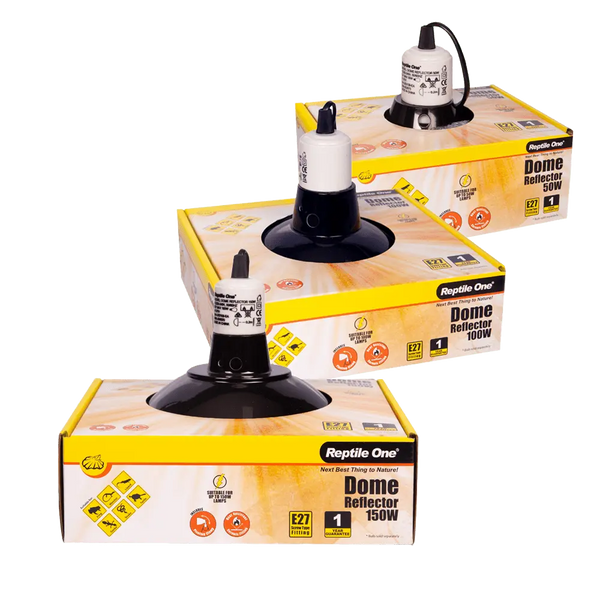
  • T5 HO 10% UVB tube and deep reflector fitting
  • Lighting timer
  • Digital dual-probe thermometer and infrared temperature gun
  • Flat basking rock or slate tile
  • Two hides (warm and cool end)
  • Deep burrowing substrate — 10–15 cm depth (cypress mulch, coconut fibre or soil/sand mix)
  • Shallow water dish
  • Food dish (ceramic or glass)
  • Calcium supplement powder (without D₃ — regular use)
  • Multivitamin supplement (weekly use)
  • Varied fresh vegetables (ongoing supply)
  • Lean protein source (grain-free tinned dog/cat food, lean mince)
  • Live feeder insects (for dietary variety)
  • Reptile-safe disinfectant
  • Fauna keeper licence (state-specific)
FAQ

Commonly Asked Questions

  • Can I keep two Eastern Blue-Tongue Skinks together?

    No — Eastern Blue-Tongues are solitary and territorial. Two animals housed together will compete for basking spots, hides and food, and can seriously injure one another even when they appear to tolerate each other's presence initially. All individuals should be housed separately.

  • My blue-tongue is hissing, flattening its body and showing its tongue — is it sick?

    No, this is a normal defensive display, most commonly seen in newly acquired or unsettled animals. Approach slowly, avoid sudden movements, support the body fully and keep initial handling sessions brief. Most Eastern Blue-Tongues settle and become significantly more relaxed within a few weeks of consistent, calm interaction.

  • How do I tell a male from a female Eastern Blue-Tongue?

    Males typically have a broader, more angular head, a longer and thicker tail base, and a slightly longer overall body relative to girth. Sexing is not always reliable visually, particularly in juveniles, and is best confirmed by a reptile vet.

  • Can blue-tongues eat fruit?

    Yes, in small quantities as an occasional treat. Suitable fruits include blueberries, rockmelon and strawberries. Avoid citrus, avocado and stone fruits with pits. Limit frequency due to high sugar content.

  • Is a licence required to keep an Eastern Blue-Tongue in Australia?

    Yes. A fauna keeper licence is required in all states and territories. Requirements and fees vary — contact your state wildlife authority for current details before purchasing.

Need help?

Our specialists are in-store every day to help with setup, licensing and feeding.

Visit Kellyville Pets →