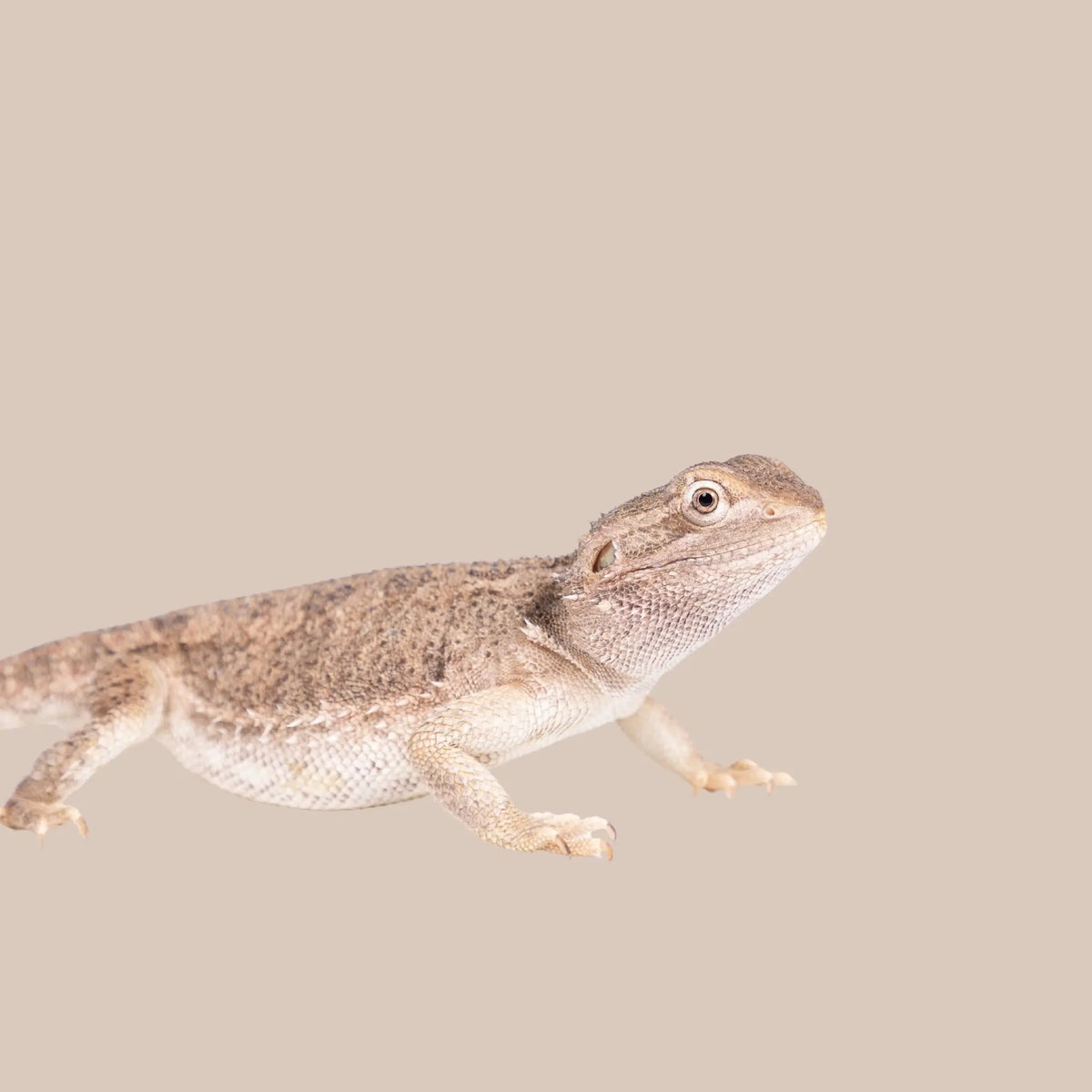
Care Guide6 min read

Pygmy Bearded Dragon

Pogona henrylawsoni
Rankin's Dragon · Lawson's Dragon · Black-Soil Bearded Dragon

Pygmy Bearded Dragon Care Guide
Lifespan
10-15 years
Adult Size
20-25cm
Care Level
Medium
Diet

Omnivorous diet of live insects and leafy vegetables

Enclosure

Medium terrestrial enclosure (minimum 90 × 45 × 60 cm) with basking heat gradient, high-output UVB lighting and secure hides

Temperament

Alert, inquisitive and generally tolerant of gentle handling; expressive body language makes them engaging and rewarding to observe

Where they come from

Natural History & Origin

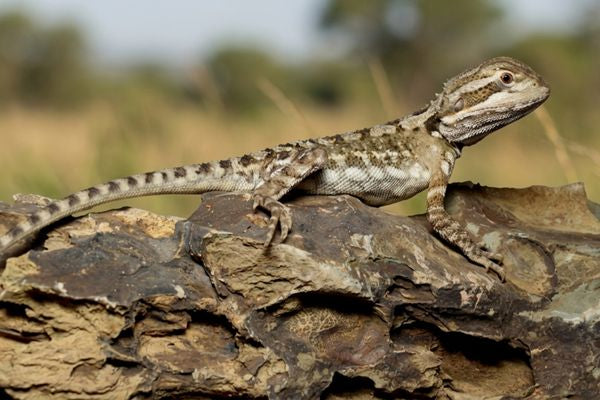
Pygmy Bearded Dragons are native to the semi-arid and arid regions of central-western Queensland, Australia. They inhabit open grasslands, cracking blacksoil plains, and sparsely vegetated areas, where they utilise low shrubs, fallen timber, fence posts and rocks for basking and shelter.

They are diurnal, heliothermic reptiles that rely heavily on direct sunlight to regulate body temperature, digestion and activity. Seasonal changes in the wild influence feeding behaviour, breeding cycles and, in some individuals, periods of reduced winter activity. Their natural habitat is characterised by strong sunlight, warm daytime temperatures and cooler nights — conditions that must be carefully replicated in captivity.

Get it right early

Tips for First-Time Owners

  1. 1 Use high-output UVB lighting (10–14% T5) and replace globes according to manufacturer recommendations — UVB degrades before a globe stops glowing.
  2. 2 Always use thermostats on all heat sources to maintain safe, stable temperatures and prevent burns.
  3. 3 Feed age-appropriate prey sizes and avoid overfeeding, as obesity is a common problem in captive dragons.
  4. 4 House pygmy bearded dragons individually — they are solitary by nature and cohabitation leads to stress, competition and injury.
  5. 5 Ensure you hold a valid NSW reptile keeper licence and purchase your animal only from a licensed breeder.
Setting up the habitat

Enclosure & Husbandry

An adult Pygmy Bearded Dragon requires a minimum enclosure size of 90 × 45 × 60 cm, with good ventilation and secure, lockable access. Floor space and basking height are more important than overall enclosure height due to their terrestrial habits. Glass or timber enclosures are both suitable, provided ventilation is adequate.

A strong thermal gradient must be provided. The primary basking site should be maintained between 40–43 °C, positioned on a stable rock or timber platform that allows the dragon to bask within 30 cm of the heat source. The warm ambient zone should sit around 30–32 °C, with a cool end maintained between 24–26 °C. Night-time temperatures may drop to 18–21 °C but should not fall below this range. All heat sources must be regulated by a quality thermostat. Suitable heat sources include incandescent, halogen or mercury vapour basking globes for daytime, with ceramic or carbon fibre heat emitters used at night if required.

A high-output 10–14% T5 UVB tube is essential and should run a large portion of the enclosure length, overlapping the basking area to allow effective vitamin D₃ synthesis. UVB globes must be replaced according to manufacturer guidelines. Lighting should operate on a 10–12 hour day/night cycle using a timer.

Suitable substrates include fine-grade reptile-safe desert sand or an arid substrate mix. The enclosure should be furnished with multiple basking surfaces, low climbing branches, rocks and at least one secure hide. A background, artificial plants and food and water dishes complete the setup. Fresh water must be available at all times, and daily spot cleaning is required to maintain hygiene.

What to feed

Dietary Management

Pygmy Bearded Dragons are omnivorous and require a balanced, varied diet scaled appropriately for their smaller size. Juveniles require higher protein intake and should be fed small live insects daily — such as crickets, pinhead woodies and black soldier fly larvae — alongside finely chopped vegetables.

As they mature, the diet should gradually shift to approximately 60–70% vegetables and 30–40% protein. Suitable vegetables include rocket, collard greens, endive, squash and carrot, with fruit offered only occasionally due to its high sugar content. Insects should be no larger than the space between the dragon's eyes. Calcium supplementation is essential, particularly when feeding insects, with multivitamins used as directed. Formulated lizard pellets mixed through chopped vegetables can provide additional nutrition. Fresh water must always be available, although hydration is often obtained through food. A varied, age-appropriate diet is critical in preventing nutritional disorders and obesity.

Day-to-day interaction

Handling & Socialisation

Pygmy Bearded Dragons generally tolerate gentle handling well once settled. New animals should be allowed time to acclimate before handling begins — typically at least one week. Handling should always be calm, slow and fully supportive of the body, avoiding restraint or sudden movements.

Short, regular handling sessions are preferable to infrequent prolonged interaction. Handling should be avoided during shedding, periods of illness or immediately after feeding. While tolerant, pygmy bearded dragons are not social animals and should always have access to a hide. Children must be supervised at all times to ensure calm, respectful interaction and animal welfare.

Pygmy Bearded Dragon - Kellyville Pets
AVAILABLE IN-STORE

Pygmy Bearded Dragon

Did you know

Fun Facts

Despite being smaller than Central Bearded Dragons, Pygmy Bearded Dragons have exactly the same UVB and heating requirements.

They communicate through body language including head bobs, arm waves and beard darkening — all used to signal mood and social status.

Pygmy Bearded Dragons have a 'third eye' called the parietal eye on top of their head — a light-sensitive organ that helps detect environmental cues.

Keep them stimulated

Enrichment

Environmental enrichment plays an important role in maintaining physical and mental wellbeing. Pygmy Bearded Dragons benefit from multiple basking heights, textured surfaces and occasional rearrangement of enclosure décor to encourage exploration and mental stimulation.

Feeding enrichment through live insect hunting supports natural foraging behaviour. Varying the types and placement of food items encourages activity and problem-solving. Supervised exposure to natural, unfiltered sunlight in a secure outdoor setting provides additional physical and psychological stimulation. Enrichment helps prevent boredom, supports muscle tone and encourages confident, alert behaviour.

What to watch for

Common Health Issues

Common health issues in Pygmy Bearded Dragons are most often husbandry-related. Metabolic Bone Disease (MBD) is one of the most serious conditions and results from inadequate UVB lighting or insufficient calcium intake — preventable with correct UVB setup and regular calcium supplementation. Impaction can occur if inappropriate substrate is ingested, particularly in juveniles; choosing reptile-safe substrates and monitoring feeding reduces this risk.

Dehydration may occur if water access or dietary moisture is inadequate. Parasites can impact appetite, growth and overall condition if not identified early — routine faecal checks by a reptile vet are recommended. Obesity may develop in captivity if feeding quantities are excessive or diets are unbalanced. Respiratory issues may arise if temperatures are consistently too low. Any signs of lethargy, appetite loss, abnormal posture or changes in behaviour should be assessed promptly by a reptile-experienced veterinarian.

Everything you need

Essentials Shopping List

Setup checklist

  • Timber or glass enclosure — minimum 90 × 45 × 60 cm
  • Basking globe (halogen or incandescent)
  • T5 10–14% UVB tube and fitting
  • UV tube timer
  • Quality thermostat
  • Dual thermometer (one at each end of enclosure)
  • Reptile-safe desert sand or arid substrate
  • Basking log or elevated timber platform
  • Secure hide
  • Rocks or rock ornaments for additional basking surfaces
  • Low climbing branches
  • Enclosure background
  • Artificial plants
  • Food dish
  • Water dish
  • Calcium powder
  • Reptile multivitamin
  • Live insects (crickets, woodies, black soldier fly larvae)
  • Formulated lizard pellets
  • Fresh leafy vegetables
  • Reptile-safe disinfectant / enclosure cleaner
  • Cricket keeper or feeder insect container
FAQ

Commonly Asked Questions

  • Do Pygmy Bearded Dragons need UVB lighting?

    Yes. High-output UVB lighting is essential for calcium absorption, bone development and long-term health. Despite their smaller size, they have the same UVB requirements as larger bearded dragon species.

  • Can multiple Pygmy Bearded Dragons live together?

    No. Pygmy Bearded Dragons are solitary reptiles and housing more than one together often leads to stress, competition for basking spots and resources, and potential injury.

  • Are Pygmy Bearded Dragons good pets for beginners?

    Yes. Their manageable size, hardy nature and interactive behaviour make them a suitable option for first-time reptile keepers when correct enclosure setup, heating and diet are provided.

  • Do Pygmy Bearded Dragons bite?

    Biting is rare. When properly handled and not stressed, pygmy bearded dragons are typically calm and tolerant of human interaction.

  • Is a licence required to keep a Pygmy Bearded Dragon in NSW?

    Yes. Pygmy Bearded Dragons are protected native reptiles and must be kept under a valid NSW reptile keeper licence, with animals sourced only from licensed breeders.

Need help?

Our specialists are in-store every day to help with setup, licensing and feeding.

Visit Kellyville Pets →