


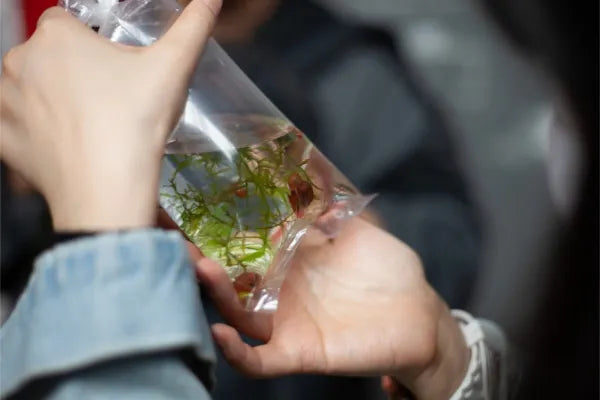
A lot of first aquarium fish don't make it to their second week. Usually it isn't the fish or the shop. It's a tank that was filled on Saturday and stocked on Sunday. Here's how to get your tank ready, where to buy fish, which species you can't keep in NSW, and how to pick healthy fish and get them home safely.
Get the tank ready before you buy any fish
A new tank needs time to grow the bacteria that break down fish waste. This is called cycling, and it usually takes four to six weeks. Fish added before then can be poisoned by ammonia and nitrite building up in the water.
Before you buy fish:
- Run the filter and heater (if you need one) for the full cycling period
- Test for ammonia, nitrite and nitrate until ammonia and nitrite read zero
- Use a water conditioner that treats chloramine as well as chlorine, because a lot of Sydney tap water contains chloramine
- Bring a water sample to the shop if you'd like it tested for free before you choose fish
Where to buy aquarium fish
| Source | Good option? | What to know |
|---|---|---|
| Aquarium shop | Yes | You can see the fish, ask questions and get your water tested. Good shops rest new fish before selling them |
| Local breeder or club auction | Yes | Often hardy, locally bred fish. Ask what water they've been kept in |
| Online seller with courier delivery | Be careful | Fish spend hours or days in a bag. Check what happens if they arrive dead |
| Second-hand tank with fish included | Be careful | Handy, but you're taking on any disease in that tank too |
| Fish caught in a local creek or river | No | Native fish can't be taken from the wild for aquariums without a permit |
Fish and plants you can't keep in NSW
Some fish and plants are banned in NSW because they've become pests in local rivers. Tilapia, for example, can't be kept, and salvinia, cabomba and alligator weed are banned aquatic plants. These still turn up in online listings and swaps, so check the NSW DPI prohibited species lists before buying anything unusual.
Never release unwanted fish, snails or plants into a creek, pond or stormwater drain. If you can't keep a fish any more, bring it back to an aquarium shop or ask about rehoming.
What to check in the shop's tanks
Look at the whole tank, not just the fish you want.
| What to check | Healthy sign | Warning sign |
|---|---|---|
| The tank | Clear water, no dead fish | Dead or dying fish, or several sick fish in tanks that share filtration |
| Fins | Held open, edges clean | Clamped tight, ragged, frayed or bloodied |
| Body and scales | Smooth, even colour, full belly | White spots, fuzzy patches, red sores, raised scales or a sunken belly |
| Eyes | Clear | Cloudy or bulging |
| Breathing | Steady | Gasping at the surface or very fast gill movement |
| Behaviour | Active and schooling with its group | Hanging alone, rubbing on objects or lying on the bottom |
If one fish in a tank has white spot or fin rot, don't buy from that tank, even if your fish looks fine.
Questions to ask before you pay
- How big does this fish get as an adult? Some, like common plecos, start small and grow too big for most home tanks.
- Does it need to be kept in a group, and how many?
- Will it live peacefully with the fish I already have?
- What temperature and pH does it prefer?
- How long has it been in store, and is it eating? Ask them to feed the tank so you can see.
- What food is it on now?
Write down what's already in your tank, and its size in litres, before you go. It makes these answers much more useful.
Getting your fish home and settled
Go straight home after buying fish. Bags heat up fast in a car in summer and cool down quickly in winter, so carry them in an esky or an insulated bag.
At home:
- Turn the tank lights off.
- Float the closed bag in the tank for 15 to 20 minutes so the temperature evens out.
- Add a little tank water to the bag every few minutes for another 15 to 20 minutes.
- Net the fish into the tank and throw the bag water away rather than tipping it in.
Add a few fish at a time and give the filter a couple of weeks to catch up before adding more. If you already have fish, a small quarantine tank for new arrivals helps keep disease out of your main tank. Feed lightly for the first few days.
A healthy first fish starts with a ready tank
Most problems with new fish start with a tank that wasn't ready or a fish that was already sick. Take your time on both and your first fish have a much better chance. If you're planning your first stock list, our aquarium team in Beaumont Hills can test your water and help you work out which fish will suit your tank.


