


Most cats are happy to think inside the box, as long as the box suits them. Get the litter tray right and you'll have fewer accidents, less litter tracked through the house and far less odour. Get it wrong and your cat may quietly decide the bathmat is a better option.
Below we run through every type of cat litter tray and box, who each one suits, and how to choose the right size, number and spot for your home.
What every cat needs from a litter tray
Cats are particular about toileting for good reason. In the wild, a clean, private spot with an easy escape route keeps them safe. At home that comes down to three things: enough room to turn around and dig, clean litter, and a quiet place where they don't feel cornered.
The style of tray matters, but it comes second to those basics. Research into cat toileting preferences keeps pointing the same way: bigger trays, daily scooping and fine-grained, unscented clumping litter make the biggest difference to whether a cat uses its tray reliably.
Open litter trays: the simple standard
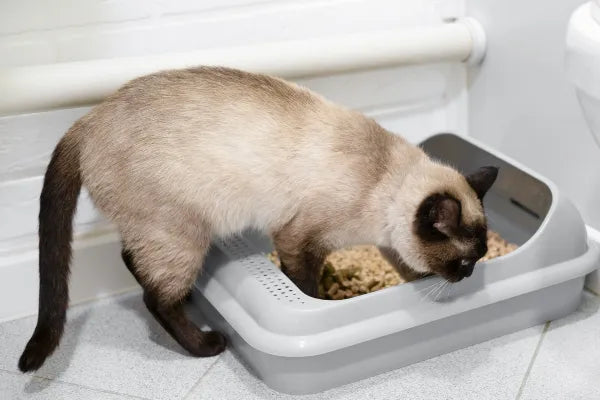
A basic open tray is a plastic pan with no lid. It's affordable, easy to clean and gives your cat a clear view and a quick exit, which plenty of cats prefer. The downside is mess: enthusiastic diggers fling litter, and cats that stand tall to wee can spray over the edge.
Open trays suit most cats, nervous cats and multi-cat homes.
High-sided trays for diggers and sprayers
These keep the open design but add tall walls, often with a lower cut-out at the front for easy entry. They hold litter and urine in without enclosing your cat, which makes them a good middle ground for cats that refuse a hood.
Hooded and covered litter boxes
A hooded box has a lid over the tray and a front entry, usually with a swing door and sometimes a carbon filter. They contain litter kick-out, hide the view and keep dogs and curious toddlers out.
They do have trade-offs. Hoods trap odour inside, so a tray that smells fine to you can be overwhelming to your cat's far more sensitive nose. It's also easier to forget to scoop what you can't see. Larger cats can feel cramped, and in multi-cat homes a single entry can leave a cat feeling ambushed.
If you'd like to try one, choose a model with a removable hood and door. Start with the door off, introduce it gradually, and trial a simple design before spending more on a premium one. Furniture-style litter cabinets work on the same principle and come with the same cautions.
Top-entry litter boxes
Your cat jumps in through an opening in the lid, which doubles as a grate that catches litter from their paws on the way out. They're excellent for reducing tracking and keeping dogs out. They aren't suitable for kittens, senior cats, overweight cats or any cat with stiff joints.
Corner and space-saving trays
Triangular trays tuck neatly into a corner, which helps in apartments and small laundries. Check the internal floor area before buying, as corner trays are often smaller inside than they look.
Sifting trays and pellet-and-pad systems
Sifting trays stack two or three slotted pans. Lift the top one and clean litter falls through while clumps stay behind, so you're not digging around with a scoop.
Pellet-and-pad systems use large pellets that urine runs straight through into an absorbent pad underneath. Solids are scooped from the top and the pad is changed every few days. They're low on dust and tracking, but some cats dislike the feel of the pellets, so a gradual switch works best.
Self-cleaning and automatic litter boxes
Often called scoop-free trays, these use sensors and a rake or rotating drum to move waste into a sealed compartment after your cat leaves. They suit busy households and keep the tray fresher between cleans.
Before buying, weigh up a few things:
- They're a bigger investment, often several hundred dollars
- The noise and movement can startle some cats
- Most aren't suitable for kittens or very small cats, so check the manufacturer's minimum weight
- Many need a specific type of litter
- You lose your daily look at what's in the tray, and changes in clump size or frequency are often the first sign of a urinary or kidney problem
Keep a regular tray available while your cat gets used to it, and still empty the waste drawer and clean the unit regularly.
Low-entry trays for kittens and senior cats
Kittens and older cats with arthritis need an entry low enough to step over comfortably. A low-sided tray works well, and you can upgrade to a larger or higher-sided option as a kitten grows.
Disposable and travel trays
Disposable cardboard trays are handy for travel, boarding or recovery after surgery, when your vet may recommend a particular litter. Collapsible travel trays pack flat for road trips and holidays.
Comparing litter tray types at a glance
| Tray type | Best for | Watch out for |
|---|---|---|
| Open | Most cats, multi-cat homes | Litter scatter |
| High-sided | Diggers and sprayers | Entry height for small cats |
| Hooded | Containing mess, privacy | Trapped odour, cramped space |
| Top-entry | Reducing tracking, dog-proofing | Kittens, seniors, stiff joints |
| Corner | Small spaces | Small internal floor area |
| Sifting / pellet-and-pad | Easier cleaning, less dust | Some cats dislike pellets |
| Self-cleaning | Busy households | Cost, noise, harder health monitoring |
| Low-entry | Kittens, senior cats | Litter scatter |
| Disposable / travel | Short-term use | Not built to last |
Choosing the right size tray
A good rule is a tray at least one and a half times your cat's length, measured from nose to base of tail. Plenty of trays sold as "large" are too small for an adult cat, especially bigger breeds like Ragdolls and Maine Coons. Compare the internal floor measurements, not the outside dimensions, and for hooded boxes make sure your cat can stand up and turn around inside.
How many trays you need and where to put them
Aim for one tray per cat, plus one. Spread them around the house rather than lining them up side by side, as cats will treat a row of trays as a single toilet. In a two-storey home, put one on each level.
Choose quiet, low-traffic spots away from food and water bowls. The laundry is a common choice in Australian homes, but a washing machine starting mid-visit can put a cat off for good. Avoid garages and sheds that heat up in summer, as heat makes odour much worse.
Finding the right tray for your cat
There's no single best litter tray, only the best one for your cat and your home. Start with something big, simple and easy to clean, keep it scooped, and adjust from there. If you're unsure which style to try, our team in store is always happy to talk it through.


