Breed Guide6 min read

Schnoodle

Miniature Schnauzer Poodle cross

  • Good with children
  • Calm temperament
  • Easy to train
  • Low-shedding
  • Apartment-friendly
  • Suitable for first-time owners
  • Good with other pets
Schnoodle Breed Guide
Temperament

Loyal, intelligent, alert and affectionate. The Schnoodle combines the Schnauzer's bold, watchdog temperament with the Poodle's gentler, eager-to-please nature. Playful and adaptable across life stages. Can be vocal and alert — a capable watchdog. Generally good with children and other pets when well socialised from puppyhood.

Lifespan
Miniature Schnoodle: 12–15 years. Standard and Giant: 10–13 years.
Adult Size
Miniature: 5–9 kg, 30–38 cm. Standard: 20–30 kg, 43–55 cm. Giant: 30–40 kg, 55–70 cm.
Care Level
Low to Medium
Coat Type

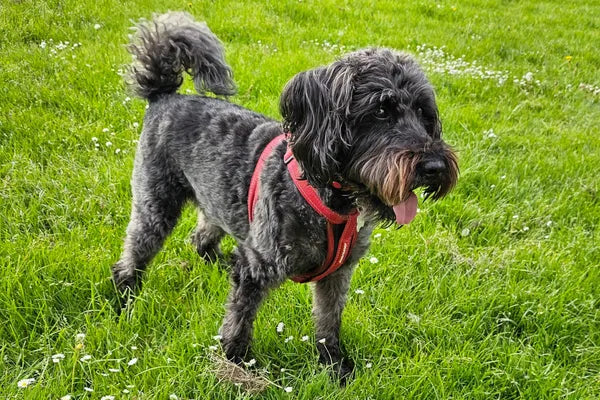
Wavy to curly coat, combining traits of both parents. Very low shedder. Considered hypoallergenic-friendly — both parent breeds are minimal shedders, making the Schnoodle one of the more consistent low-shedding doodle crosses. Some individuals may have a softer Poodle-type curl; others a slightly wiry texture from the Schnauzer side.

Energy Level

Medium. 30–60 minutes of daily exercise appropriate for most individuals.

is this the right breed for you?

Owner Suitability

Excellent for first-time owners, families, apartment dwellers and active singles. Adaptable to a wide range of living situations. The Schnoodle can inherit the Miniature Schnauzer's vocal, alert tendencies — assess this before purchasing if you live in close proximity to neighbours.

Where the breed comes from

Origin & History

The Schnoodle is a crossbreed between a Schnauzer and a Poodle. The most commonly kept variety in Australia is the Miniature Schnoodle — a cross between a Miniature Schnauzer and a Miniature or Toy Poodle. The cross emerged in the early 1990s doodle breeding movement, combining the Schnauzer's bold, alert and loyal character with the Poodle's intelligence and low-shedding coat. Larger varieties exist — Standard Schnoodle (Standard Schnauzer × Standard Poodle) and Giant Schnoodle (Giant Schnauzer × Standard Poodle) — but the Miniature version is the most widely available in Australia. Both parent breeds rank among the most intelligent dogs in canine cognitive research, making the Schnoodle an exceptionally trainable cross. As a crossbreed rather than a recognised purebred, individual dogs may vary in size, coat type and temperament depending on which parent breed they take after more strongly.

Get it right early

Tips for First-Time Owners

  1. 1 Feed a strictly low-fat diet for Miniature Schnoodles — the pancreatitis risk inherited from the Miniature Schnauzer parent is genuine. Avoid cheese, fatty meat, table scraps and high-fat treats.
  2. 2 Train a 'quiet' command from puppyhood — the Schnoodle's alert, vocal tendencies are manageable when addressed early but become entrenched if ignored.
  3. 3 Clean the beard area daily if present — food and moisture trapped in facial hair causes odour and skin irritation.
  4. 4 Source from a breeder who DNA-tests both parent breeds for PRA and health-screens for luxating patella and bladder stones (Schnauzer parent).
  5. 5 Invest in pet insurance from day one — pancreatitis management, dental care and potential eye or joint conditions can generate ongoing veterinary costs.
Daily Routine

Care & Exercise

The Schnoodle is a moderate-exercise breed — 30 to 60 minutes of daily activity is appropriate for the Miniature variety. They are highly intelligent and benefit significantly from training and mental stimulation. A bored Schnoodle can become vocal and destructive; consistent training and enrichment are important. Both parent breeds are alert and can be inclined to bark — manage this from puppyhood with training rather than waiting until it becomes a habit. For the Miniature Schnoodle, a strictly low-fat diet is strongly recommended — the Miniature Schnauzer parent's genetic predisposition to pancreatitis can be inherited. Annual vet checks, dental care and parasite prevention are essential.

Coat Care Routine

Grooming

The Schnoodle coat is low-maintenance compared to some doodle crosses but still requires consistent attention. Brush two to three times per week with a slicker brush and steel comb to prevent tangles and matting. Professional grooming every six to eight weeks is recommended for trimming. Some owners opt for a neat trim similar to the traditional Schnauzer clip; others prefer a longer, softer doodle cut. Bathe every four to six weeks. Clean and check ears weekly — the Poodle ear type predisposes some individuals to infections. The Schnauzer parent's characteristic beard, if present, requires daily cleaning to prevent food debris and odour accumulation. Brush teeth regularly — both parent breeds have dental disease predispositions. Trim nails every three to four weeks.

Did you know

Fun Facts

The Schnoodle combines two of the breeds most consistently ranked in the top tier of canine intelligence assessments — the Poodle (ranked second by Stanley Coren in The Intelligence of Dogs) and the Miniature Schnauzer (ranked twelfth) — creating a cross that is exceptionally responsive to training and capable of learning a very wide range of commands and tasks.

The Miniature Schnauzer parent's original working purpose was ratting on German farms — a task requiring intelligence, tenacity and an excellent nose. This heritage often surfaces in Schnoodles as a strong scenting drive and enthusiasm for search and scent games.

Both the Miniature Schnauzer and the Poodle have coats that shed minimally — making the Schnoodle one of the most consistently low-shedding of all doodle crosses, as both parent breeds contribute low-shedding genetics rather than just one.

Day-to-day interaction

Handling & Socialisation

Socialisation from puppyhood is important — the Schnauzer parent's tendency toward wariness of strangers and other dogs can emerge in Schnoodles without adequate early exposure. Puppy school is strongly recommended. Positive, consistent training works very well with this intelligent cross. The Schnoodle's alertness and vocal tendencies require proactive management from day one — establish a reliable 'quiet' command early. Reward calm, settled behaviour consistently.

Keep them stimulated

Enrichment

The Schnoodle's intelligence makes enrichment particularly effective and important. Puzzle feeders, trick training, scent games and short obedience sessions provide the cognitive engagement both parent breeds need. The Schnauzer's working ratting heritage means scent work and search games are often enthusiastically received. Vary the enrichment routine regularly to prevent boredom. Interactive play with the family is the most natural enrichment for this people-oriented breed.

What to watch for

Common Health Issues

Pancreatitis (Miniature Schnoodle): The Miniature Schnauzer parent's strong genetic predisposition to hyperlipidaemia and pancreatitis can be inherited. A strictly low-fat diet is strongly recommended for all Miniature Schnoodles. Avoid fatty treats, table scraps and high-fat foods entirely.

Progressive Retinal Atrophy (PRA): Hereditary eye condition from both parent breeds; source from DNA-tested parents.

Hip and Patella Luxation: Joint issues reported in both parent breeds; source from health-screened breeders.

Ear Infections: Poodle ear type and hair in ear canals predisposes some individuals; weekly ear checks and cleaning are important.

Dental Disease: Both parent breeds are prone to tartar accumulation; daily tooth brushing from puppyhood.

Bladder Stones: The Miniature Schnauzer parent's predisposition to bladder stones may be inherited; ensure adequate hydration.

Everything you need

Essentials Shopping List

Setup checklist

  • Quality small-breed dog food (low-fat for Miniature Schnoodle)
  • Stainless steel food and water bowls
  • Collar with ID tag
  • Harness
  • Standard lead and long training lead
  • Crate
  • Dog bed
  • Slicker brush and steel comb
  • Dog-safe shampoo
  • Ear cleaning solution
  • Dog toothbrush and dog-safe toothpaste
  • Nail clippers
  • Low-fat training treats
  • Fillable rubber chew toy
  • Puzzle feeders (multiple; varied difficulty)
  • Tug toy
  • Scent work equipment or nose game resources
  • Poo bags
  • Flea, tick and worming prevention (vet recommended)
  • Pet insurance (from day one)
FAQ

Commonly Asked Questions

  • Is the Schnoodle easy to train?

    Yes — among the most trainable of all doodle crosses. Both parent breeds are highly intelligent and eager to learn. Positive reinforcement works excellently.

  • Do Schnoodles bark a lot?

    They can be vocal, inheriting the Schnauzer's alert, watchdog tendencies. Early training of a 'quiet' command and reward of calm behaviour significantly reduces barking.

  • Does a Schnoodle need a low-fat diet?

    For Miniature Schnoodles, a low-fat diet is strongly recommended due to the Miniature Schnauzer parent's predisposition to pancreatitis. Avoid high-fat foods entirely.

  • Do Schnoodles shed?

    Minimally — both parent breeds are low-shedders, making the Schnoodle one of the most consistently hypoallergenic-friendly doodle crosses.

  • What size Schnoodle should I get?

    Most Australian pet Schnoodles are Miniature (5–9 kg). Standard and Giant varieties exist but are considerably larger and less common. Confirm parent sizes before purchasing.

Need help?Our specialists are in-store every day to help with sourcing, training and supplies.

Visit Kellyville Pets