Breed Guide6 min read

Spoodle

Cockapoo (international name) ⋅ Cockerpoo ⋅ Cocker Spaniel Poodle cross

  • Good with children
  • Suitable for first-time owners
  • Low-shedding
  • Easy to train
  • Good with other pets
  • Calm temperament
Spoodle Breed Guide
Temperament

Outgoing, affectionate and consistently merry — widely described as one of the most reliably good-natured of all doodle crosses. People-oriented and excellent with children, other dogs and strangers. Intelligent and eager to please. Playful well into adulthood. Prone to separation anxiety. Handles alone time somewhat better than some other doodle crosses.

Lifespan
12–16 years
Adult Size
Toy: 3–6 kg, 25–32 cm. Miniature: 6–11 kg, 30–38 cm. Standard: 11–20 kg, 38–46 cm.
Care Level
Medium
Coat Type

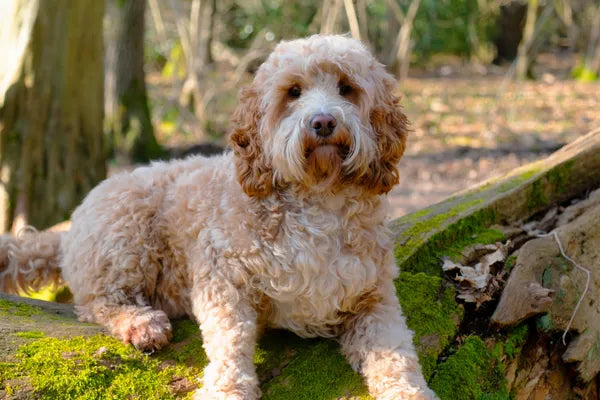
Soft, wavy to curly coat. Low to minimal shedder. Hypoallergenic-friendly for most coat types. Considered one of the most consistently low-shedding of the spaniel-cross doodles. Occasional straight-coated individuals (more Cocker-dominant) may shed slightly more.

Energy Level

Medium. 45–60 minutes of daily exercise; enjoys variety including swimming.

is this the right breed for you?

Owner Suitability

Excellent for first-time owners, families with children, active singles and retirees. Adaptable to apartments and houses. One of the most consistently people-friendly and trainable small-to-medium doodle crosses. Prone to separation anxiety; best suited to households with regular company.

Where the breed comes from

Origin & History

The Spoodle (known internationally as the Cockapoo or Cockerpoo) is a crossbreed between a Cocker Spaniel and a Poodle (Miniature or Toy). The Spoodle is one of Australia's longest-established designer crossbreeds, popular in Australia since the 1960s — well before the broader doodle movement brought Poodle crosses into mainstream popularity. The cross combines the Cocker Spaniel's gentle, affectionate and merry temperament with the Poodle's intelligence and low-shedding coat. The Spoodle is registered with the Recreational Pets Breeders Association (RPBA) and the Master Dog Breeders and Associates (MDBA) in Australia, reflecting its long-established domestic status. As a crossbreed rather than a recognised purebred, individual dogs may vary in size, coat type and temperament depending on which parent breed they take after more strongly.

Get it right early

Tips for First-Time Owners

  1. 1 Weekly ear cleaning is non-negotiable — ear infections are the most common and frequently recurring health concern in this breed. Establish the routine from puppyhood.
  2. 2 Source from a breeder who DNA-tests the Cocker Spaniel parent for both Progressive Retinal Atrophy (PRA) and Familial Nephropathy (FN) — both are hereditary and testable.
  3. 3 Commit to professional grooming every six to eight weeks — the Spoodle coat mats readily without regular trimming, particularly around the ears and armpits.
  4. 4 Build separation tolerance gradually from puppyhood — Spoodles are people-oriented and can develop separation anxiety without early independence training.
  5. 5 Invest in pet insurance from day one — ear infections, hereditary eye and kidney conditions, and skin allergy management can generate significant veterinary costs over a 12–16 year lifespan.
Daily Routine

Care & Exercise

The Spoodle is a moderate-exercise breed requiring 45 to 60 minutes of activity daily, including walks and play. They are intelligent, eager to please and highly trainable — among the most naturally biddable of all doodle crosses. Training should begin from puppyhood. Socialisation is generally straightforward given the breed's naturally outgoing nature. The most important ongoing care commitment after grooming is ear care — Spoodles are highly prone to ear infections and weekly cleaning is non-negotiable. Feed a quality, size-appropriate diet in measured portions twice daily. Annual vet checks, parasite prevention and dental care are essential.

Coat Care Routine

Grooming

The Spoodle coat requires consistent, regular grooming to prevent matting — particularly in the soft, wavy coat that most individuals carry. Brush two to three times per week with a slicker brush and comb; daily for curlier or longer coats. Professional grooming every six to eight weeks for trimming is essential. The long, pendulous ears are the primary health concern — they restrict airflow and create a warm, moist environment ideal for infection. Check and clean ears weekly with a veterinarian-recommended solution and dry thoroughly after bathing or swimming. Bathe every three to four weeks. Brush teeth regularly — small breed dental disease is a concern. Trim nails every three to four weeks. Check paws regularly for grass seed penetration.

Did you know

Fun Facts

The Spoodle has been popular in Australia since the 1960s — making it one of the oldest and most established of all crossbreeds in Australia, predating the 1990s global doodle boom by more than two decades and giving it a longer and more documented local history than almost any other doodle cross.

The Spoodle is registered with both the Recreational Pet Breeders Association (RPBA) and the Master Dog Breeders and Associates (MDBA) in Australia — an unusual distinction for a crossbreed that reflects its long and well-established domestic history as an Australian breed.

Of all the doodle crosses, the Spoodle is frequently described by photographers, trainers and behaviourists as the most consistently happy and social individual — the Cocker Spaniel's 'merry' temperament combined with the Poodle's enthusiasm produces a dog that reliably arrives happy, engages willingly and leaves happy in virtually every social context.

Day-to-day interaction

Handling & Socialisation

Socialisation is generally easy with this naturally friendly breed, though puppy school is still strongly recommended for foundational obedience. The Spoodle is among the most responsive of all doodle crosses to positive reinforcement training — eager to please, food-motivated and quick to learn. Adolescent Spoodles retain a puppy-like exuberance that requires consistent reinforcement. The breed is sensitive and does not respond well to harsh correction.

Keep them stimulated

Enrichment

The Spoodle is playful and curious and enjoys a wide range of enrichment. Fetch, swimming (many Spoodles are enthusiastic swimmers from both parent breeds), scent games, trick training and interactive play are all well-received. Puzzle feeders and treat-dispensing toys provide mental stimulation. The Cocker Spaniel's scenting heritage makes nose work and sniff walks particularly enriching. Vary the enrichment regularly to keep the breed engaged. Doggy daycare or a dog walker benefits Spoodles whose households are regularly absent.

What to watch for

Common Health Issues

Ear Infections: The single most common and recurring health concern in the Spoodle, inherited from the Cocker Spaniel parent's pendulous ears. Weekly cleaning and drying after bathing or swimming are non-negotiable. Signs include head shaking, scratching at ears and odour. Prevent rather than treat.

Progressive Retinal Atrophy (PRA): Hereditary eye condition from both parent breeds; source from DNA-tested parents — this is among the most important breeder health checks for this cross.

Familial Nephropathy (FN): Serious hereditary kidney disease from the Cocker Spaniel parent; DNA testing available. Source only from FN-tested Cocker Spaniel parents.

Hip and Patella Luxation: Joint conditions from both parent breeds; source from health-screened parents.

Skin Allergies: Both parent breeds have allergy predispositions; allergic skin disease and associated secondary infections are common in the Spoodle.

Dental Disease: Small-breed predisposition; brush teeth regularly.

Everything you need

Essentials Shopping List

Setup checklist

  • Quality small-to-medium breed dog food (age-appropriate)
  • Stainless steel food and water bowls
  • Collar with ID tag
  • Harness
  • Standard lead and long training lead
  • Crate
  • Dog bed
  • Slicker brush and wide-tooth comb
  • Dog-safe shampoo
  • Veterinarian-recommended ear cleaning solution
  • Dog toothbrush and dog-safe toothpaste
  • Nail clippers
  • Training treats
  • Fillable rubber chew toy
  • Puzzle feeder
  • Fetch toy (water-safe — many Spoodles love swimming)
  • Tug toy
  • Poo bags
  • Flea, tick and worming prevention (vet recommended)
  • Pet insurance (from day one)
FAQ

Commonly Asked Questions

  • Is a Spoodle easy to train?

    Yes — among the most naturally trainable and biddable of all doodle crosses. Eager to please, food-motivated and responsive to positive reinforcement.

  • How is a Spoodle different from a Cavoodle?

    Both are small Poodle crosses but use different spaniel parents. The Spoodle uses a Cocker Spaniel (slightly more energetic, stronger nose); the Cavoodle uses a Cavalier King Charles Spaniel (more laid-back, significant cardiac health considerations). Both are excellent companion dogs.

  • Why does my Spoodle keep getting ear infections?

    Floppy Cocker Spaniel ears create a warm, moist environment prone to infection. Weekly cleaning and thorough drying after any water contact are the most effective prevention.

  • Do Spoodles shed?

    Minimally in most individuals. The combination of two low-shedding or minimal-shedding parent breeds makes the Spoodle very consistent in its low-shedding quality across generations.

  • What health tests should I ask a breeder for?

    DNA test for PRA (both parents); DNA test for Familial Nephropathy — FN (Cocker Spaniel parent); hip scores; patella assessment.

Need help?Our specialists are in-store every day to help with sourcing, training and supplies.

Visit Kellyville Pets