Breed Guide6 min read

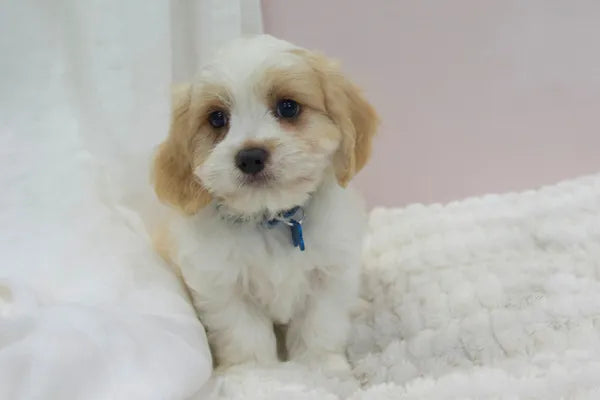
Maltalier

Cavamalt · Cav-A-Malt · Maltaleer

  • Apartment-friendly
  • Suitable for first-time owners
  • Low exercise needs
  • Good with children
  • Calm temperament
  • Easy to train
  • Good with other pets
Maltalier Breed Guide
Temperament

Happy, affectionate and adaptable — the Maltalier is widely described as having a similar temperament to the Cavalier King Charles Spaniel but with a little more of the Maltese's spirited independence. Friendly, gentle and sociable with people, children and other pets. Playful but also content to rest quietly. Generally an excellent temperament for a wide range of household types.

Lifespan
12-15 years
Adult Size
25-30cm at the shoulder; 4-8kg
Care Level
Low to Medium
Coat Type

Silky, flat to slightly wavy coat of varying length depending on which parent the individual takes after more strongly. Low to moderate shedder. Hypoallergenic-friendly in most individuals, though not allergen-free. The Maltese parent contributes minimal shedding; the Cavalier parent contributes moderate shedding.

Energy Level

Low to Medium. Two short daily walks and indoor play are sufficient.

is this the right breed for you?

Owner Suitability

Excellent for first-time owners, apartment dwellers, families, seniors and those seeking a gentle, low-maintenance companion. One of the most broadly suitable small crossbreeds available. Tends to be prone to separation anxiety given the people-dependent nature of both parent breeds.

Where the breed comes from

Origin & History

The Maltalier is a crossbreed between a Maltese and a Cavalier King Charles Spaniel, developed in Australia — specifically in Victoria and Western Australia — in the early 2000s. It is one of the few crossbreeds to have originated in Australia rather than the United States or United Kingdom, and is notably an Australian invention. The cross was developed in response to demand for a small, low-maintenance companion with a stable, gentle temperament — the Cavalier's famously placid, happy nature was used to soften the Maltese's occasionally feisty independence. The Maltalier is also known internationally as the Cavamalt or Cav-A-Malt. It is registered with several Australian breed registries and is one of the most popular small crossbreeds in Australia. As a crossbreed rather than a recognised purebred, individual dogs may vary in appearance and temperament depending on which parent breed they take after more strongly.

Get it right early

Tips for First-Time Owners

  1. 1 Understand Mitral Valve Disease before purchasing — it is inherited from the Cavalier parent and is the most important health consideration in this cross. Ask breeders for documentation that the Cavalier parent follows the MVD Breeding Protocol and is clear of murmur at the required age.
  2. 2 Annual cardiac auscultation from a young age is strongly recommended — MVD can be present before any clinical signs appear and early detection allows timely management.
  3. 3 Begin daily tooth brushing from puppyhood — dental disease is a primary long-term health concern from the Maltese parent.
  4. 4 Discourage any snapping or nipping from the first week — this Maltese-influenced tendency is entirely manageable when addressed consistently from puppyhood.
  5. 5 Take out pet insurance from day one — Mitral Valve Disease, Syringomyelia and dental management can all generate significant veterinary costs over the dog's lifetime.
Daily Routine

Care & Exercise

The Maltalier is a low-maintenance exercise breed well-suited to apartment living. Two short daily walks plus indoor play provide adequate activity. Training should begin from puppyhood using gentle, positive methods. Maltaliers are generally responsive and trainable, though may occasionally show the Maltese's stubborn streak. Snappiness discouraged from puppyhood — the Maltese influence can manifest as nipping if not redirected early and consistently. Build separation tolerance from puppyhood as both parent breeds are prone to separation anxiety. Feed a quality small-breed diet in measured portions twice daily. Dental care from puppyhood is important. Critically, health monitoring for Mitral Valve Disease (inherited from the Cavalier parent) with annual cardiac checks from an early age.

Coat Care Routine

Grooming

Grooming requirements depend on coat length and type. Short to medium coat: brush two to three times per week with a soft slicker brush. Longer, silkier coat: brush three to four times per week to prevent tangles. Professional grooming every six to eight weeks is recommended for trimming. Many owners maintain a shorter clip for easier management. Bathe every three to four weeks. Check and clean ears weekly — the Cavalier's pendant ears are prone to infections, and this trait is commonly inherited. Brush teeth regularly — both parent breeds have small-jaw dental concerns. Trim nails every three to four weeks. Clean the eye area regularly to prevent tear staining.

Did you know

Fun Facts

The Maltalier is one of the very few crossbreeds to have been developed in Australia rather than overseas — originating in Victoria and Western Australia in the early 2000s, making it an authentically Australian contribution to the global small companion dog market.

Because Maltaliers are often back-crossed with Cavaliers (producing a 3/4 Cavalier cross), some Maltaliers available in Australia have more Cavalier heritage than the name suggests. This increases the Cavalier's calm, gentle temperament contribution but also increases the relevance of Cavalier-specific health concerns — particularly MVD — and prospective owners should ask about the specific generation and breeding of any individual dog.

The name 'Maltalier' is the Australian name for this cross — internationally the same cross is known as the Cavamalt or Cav-A-Malt, with the Australian name reflecting the blend of Maltese and Cavalier rather than the reverse ordering used in international naming conventions.

Day-to-day interaction

Handling & Socialisation

Socialisation from puppyhood is straightforward with this naturally sociable breed. Puppy school is recommended for obedience foundations and confidence building. Positive, reward-based training works well. The Maltese's occasional stubbornness responds best to short, varied, engaging sessions rather than repetitive drills. Discourage any nipping or snappy behaviour firmly and consistently from puppyhood — this is the most common behavioural concern in the cross. Build independence gradually from day one to prevent separation anxiety.

Keep them stimulated

Enrichment

Maltaliers are playful and curious and enjoy a range of indoor enrichment. Gentle fetch, short trick-training sessions, puzzle feeders and interactive play with the family all provide cognitive and physical engagement. The breed enjoys being included in household activities. Rotate toys regularly to maintain novelty. Avoid reinforcing clingy or anxious behaviour — a confident, independent Maltalier is better enriched and less stressed than an over-dependent one.

What to watch for

Common Health Issues

Mitral Valve Disease (MVD): Inherited from the Cavalier King Charles Spaniel parent — the most significant and most critical health concern in this cross. MVD is a progressive degeneration of the heart's mitral valve, extremely common in Cavaliers and affecting offspring at higher than average rates. Annual cardiac auscultation (listening to the heart with a stethoscope) from an early age is strongly recommended. Source from breeders who follow the MVD Breeding Protocol — both Cavalier parents should be clear of murmurs at the required minimum ages.

Syringomyelia (SM) / Chiari-like Malformation: Another condition inherited from the Cavalier parent. MRI screening of breeding Cavalier dogs is recommended.

Dental Disease: Small jaw from the Maltese parent; daily tooth brushing from puppyhood essential.

Patella Luxation: Common in small breeds from both parent lines; source from health-screened breeders.

Ear Infections: Cavalier-influenced pendant ears; weekly cleaning essential.

Tear Staining: Common in lighter-coloured individuals; daily eye area cleaning recommended.

Everything you need

Essentials Shopping List

Setup checklist

  • Quality small-breed dog food (age-appropriate)
  • Stainless steel food and water bowls
  • Collar with ID tag
  • Small harness
  • Short lead
  • Crate
  • Small, comfortable dog bed
  • Soft slicker brush and comb
  • Dog-safe detangling spray
  • Dog-safe shampoo
  • Ear cleaning solution
  • Dog toothbrush and dog-safe toothpaste (daily use)
  • Dog-safe eye wipes (tear staining)
  • Nail clippers
  • Small training treats
  • Fillable rubber chew toy
  • Small puzzle feeder
  • Variety of small toys
  • Poo bags
  • Flea, tick and worming prevention (vet recommended)
  • Pet insurance (from day one — cardiac disease makes this essential)
FAQ

Commonly Asked Questions

  • What is a Maltalier?

    A crossbreed between a Maltese and a Cavalier King Charles Spaniel, developed in Australia in the early 2000s. Also known internationally as the Cavamalt.

  • How serious is Mitral Valve Disease in Maltaliers?

    MVD is the most important health concern. Inherited from the Cavalier parent, it is extremely prevalent in Cavaliers and their crosses. Annual cardiac checks are strongly recommended. Source from breeders following the MVD Breeding Protocol.

  • Are Maltaliers hypoallergenic?

    They are low to moderate shedders and hypoallergenic-friendly in most individuals, but not allergen-free. Those taking more after the Maltese parent typically shed less.

  • Is a Maltalier suitable for apartments?

    Yes — one of the most apartment-suitable small crossbreeds available. Low exercise needs, manageable size and a generally calm temperament make them ideal.

  • What health tests should I ask a breeder for?

    MVD Breeding Protocol compliance for the Cavalier parent (murmur-free at required age); SM/CM MRI screening for the Cavalier parent; dental and jaw health history; patella assessment.

Need help?Our specialists are in-store every day to help with sourcing, training and supplies.

Visit Kellyville Pets