


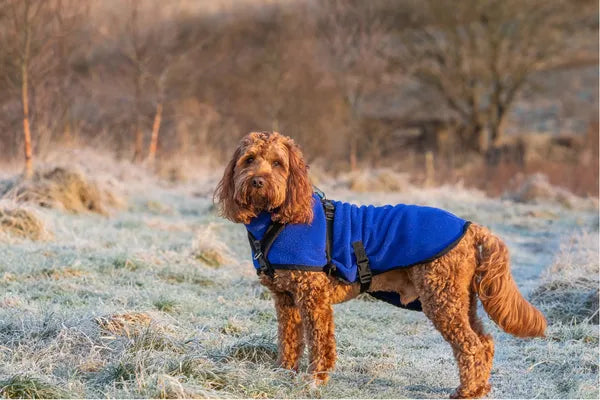
Winter in Australia might not bring snow to most parts of the country, but chilly mornings, cold nights and wet weather can still leave many dogs feeling uncomfortable. While some breeds are built for cooler temperatures, puppies, senior dogs, small breeds and short-haired dogs often need a little extra help staying warm.
Here are eight simple ways to keep your dog cosy, healthy and happy throughout winter.
1. Give Them a Warm, Comfortable Bed
A warm bed is one of the easiest ways to help your dog stay comfortable during winter. Position their bed away from cold tiles, draughts and open doors, and add an extra blanket for insulation.
Orthopaedic beds are an excellent choice for older dogs, providing extra support for ageing joints while helping them stay warm.
2. Consider a Dog Coat
Not every dog needs a jacket, but many benefit from one during colder weather.
Dogs that are most likely to appreciate an extra layer include:
- Small breeds
- Short-coated breeds
- Puppies
- Senior dogs
- Dogs recovering from illness
Choose a coat that fits properly without restricting movement and remove it once your dog comes indoors to avoid overheating.
3. Bring Your Dog Inside Overnight
Even in Sydney and many other parts of Australia, overnight temperatures can become surprisingly cold.
Whenever possible, allow your dog to sleep indoors. If they normally stay outside, make sure they have:
- A weatherproof kennel
- Plenty of warm bedding
- Protection from wind and rain
- A raised sleeping area to keep them off the cold ground
4. Keep Them Active
Cold weather often means shorter walks, but regular exercise remains important for your dog's physical and mental wellbeing.
Try to walk your dog during the warmest part of the day and adjust the length of the walk if conditions are particularly cold or wet. Indoor games, enrichment toys and training sessions are also great ways to keep them active when the weather isn't ideal.
5. Dry Them Thoroughly After Walks
Rain, damp grass and muddy parks can leave your dog cold long after the walk has finished.
After every outing:
- Towel dry their coat
- Wipe and dry their paws
- Check between their paw pads for mud or debris
Keeping your dog dry helps maintain body temperature and reduces skin irritation.
6. Support Their Nutrition
Dogs burn energy to maintain body heat during winter, although most family pets don't need significantly more food.
Continue feeding a high-quality, balanced diet and monitor your dog's body condition. If your dog is exercising less during winter, avoid overfeeding to prevent unwanted weight gain.
If you're unsure whether your dog's diet needs adjusting, speak with your veterinarian.
7. Look After Ageing Joints
Cold weather can make arthritis and joint stiffness more noticeable, particularly in senior dogs.
Signs your dog may be feeling the cold include:
- Moving more slowly
- Limping
- Reluctance to jump
- Difficulty getting up after resting
Warm bedding, gentle daily exercise and joint support products recommended by your vet can all help keep older dogs comfortable.
8. Watch for Signs They're Too Cold
Every dog has a different tolerance for cold weather.
Keep an eye out for signs such as:
- Shivering
- Curling up tightly
- Seeking warm places around the house
- Lifting paws off the ground during walks
- Reluctance to go outside
If your dog appears uncomfortable, it's time to head indoors and warm them up.
Final Thoughts
A few simple changes can make winter much more comfortable for your dog. Providing warm bedding, keeping them dry, maintaining regular exercise and giving extra attention to puppies and senior dogs will help them stay healthy throughout the colder months.
If you're unsure whether your dog needs a winter coat, warmer bedding or other seasonal essentials, visit Kellyville Pets or speak with our friendly team for personalised advice.


