


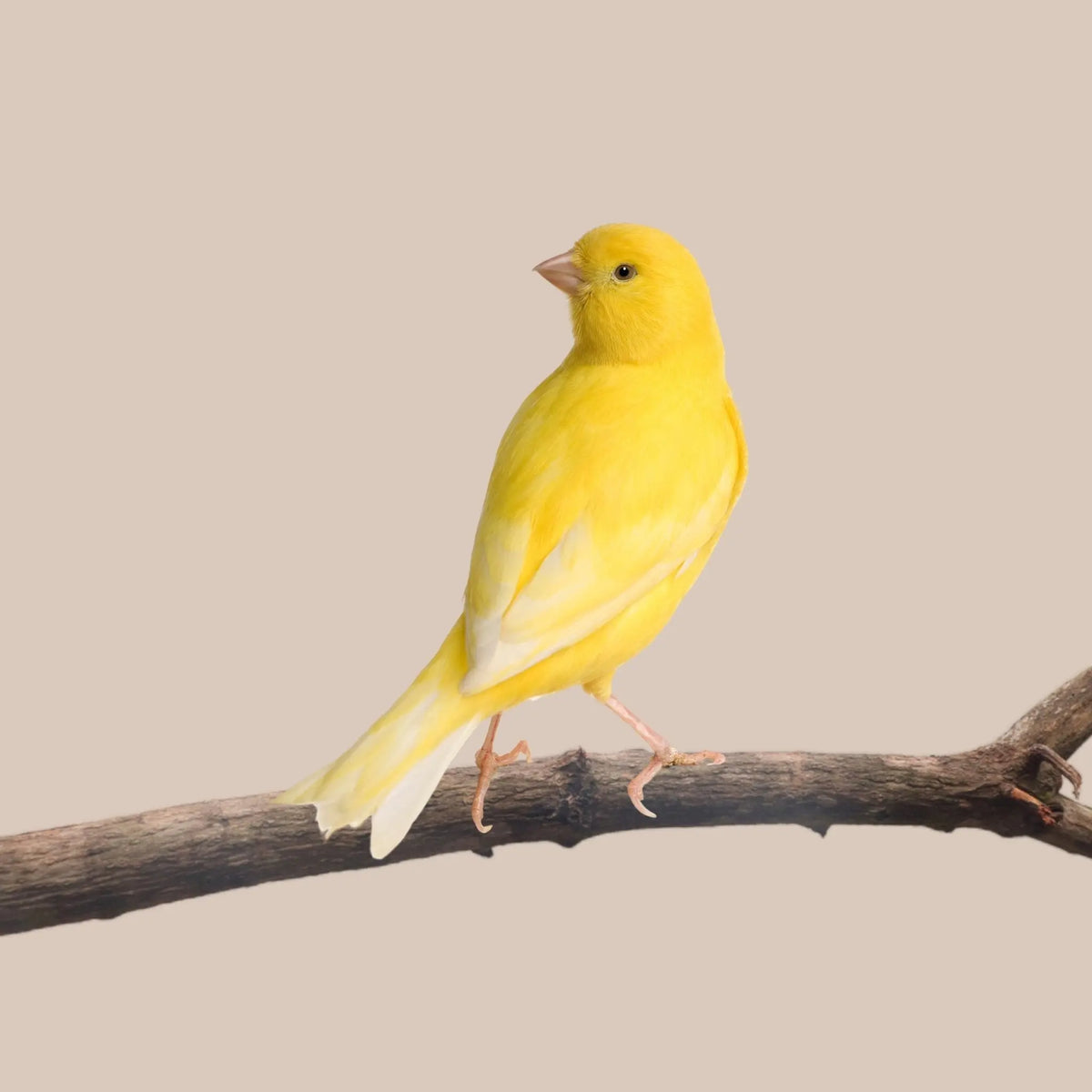
Canary
Serinus canaria domestica
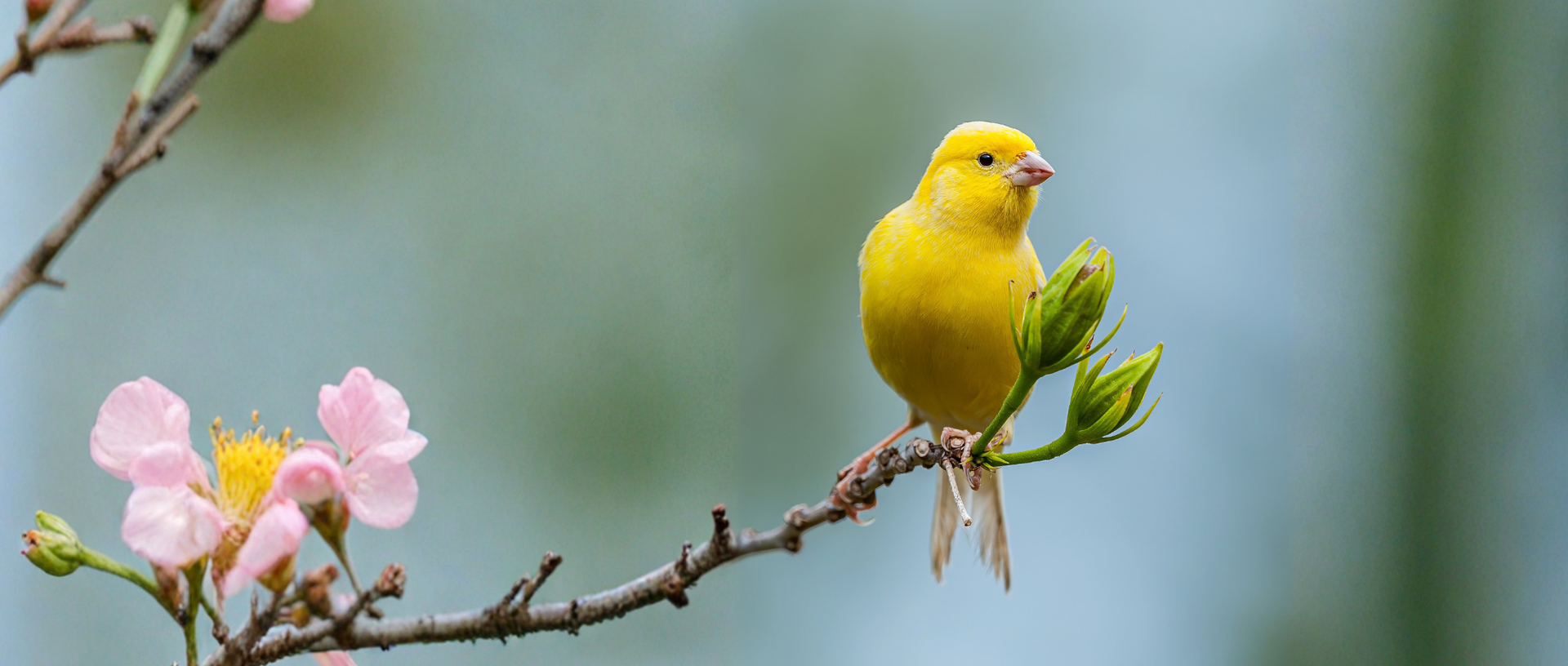

7-10+ years

12-20cm; 12-25g

Low


Where they come from
Natural History & Origin


Get it right early
Tips for First-Time Owners
- 1 A male canary that stops singing outside of the moulting season is often the earliest sign that something is wrong — a change in song frequency or quality warrants close observation and may indicate illness, environmental stress or insufficient light.
- 2 Canary seed mix should be refreshed by blowing off husks and replenishing daily, not by adding fresh seed on top of old — birds eat the seed inside the husk and a bowl that appears full of husks is actually empty.
- 3 Egg and biscuit food must be removed and replaced within a few hours of offering — it spoils rapidly and stale egg food is a source of bacterial illness.
- 4 Avoid placing the cage near the kitchen — non-stick cookware fumes (PTFE/Teflon) are lethal to all birds, including canaries.
- 5 A canary in a quiet, comfortable, well-lit environment with fresh food, bathing water and natural perches will generally sing freely and consistently — the quality of the environment directly reflects in the quality of the song.
Setting up the habitat
Enclosure & Husbandry
What to feed
Dietary Management
Day-to-day interaction
Handling & Socialisation
Find your next best friend
Browse all Aviary Birds
Our Available Aviary Birds


Did you know
Fun Facts
Canaries were systematically used in British and Australian coal mines from the 1890s through to the 1980s to detect carbon monoxide and methane — gases that are colourless and odourless to humans. Their greater physiological sensitivity to these gases meant they would show signs of distress or collapse before gas levels became dangerous to miners, providing critical early warning.
Male Canaries can produce a continuous, unbroken song lasting many seconds without an audible pause — achieved through extraordinarily rapid respiratory timing and precise control of the syrinx (the avian vocal organ), allowing them to inhale during micro-pauses between syllables too brief for the human ear to detect.
The Canary Islands — after which the birds are named — were not named for the birds; rather, the birds were named for the islands. The islands' original name, Canariae Insulae, meaning 'Island of Dogs' in Latin, referred to the large dogs reportedly found there by Roman explorers — not to the birds that were subsequently discovered there.
Keep them stimulated
Enrichment
What to watch for
Common Health Issues
Everything you need
Essentials Shopping List
Setup checklist
- Small-to-medium cage — minimum 60 x 40 x 45 cm for one bird; flight cage (90 x 45 x 60 cm or larger) strongly recommended
- Bar spacing no more than 1 cm
- Multiple natural timber perches of varying diameter
- Quality canary seed mix
- Canary crumble or pellet supplement
- Egg and biscuit food (particularly during moult and breeding)
- Fresh leafy greens and seeding grasses (daily)
- Bird grit (small amounts)
- Cuttlebone
- Vitamin supplement
- Shallow bathing dish
- Breathable cage cover
- Cage liner — paper or commercial liner
- Avian-safe cage disinfectant
- Annual avian vet check (recommended)
READY TO SET UP
Browse all
Shop the Essentials

Forage Pinecone Bird Treat
from$21.49
View →

SeedMate
from$34.95
View →

Save 10%
Vetafarm Finch & Budgie Crumbles

Avigrain Finch Blue 20kg
$52.99
View →

Passwell Avian Delight Bird Treat
$7.99
View →

Bird Feeder Plastic Rectangle
from$4.99
View →

Wooden Bird Perch with Screw
$11.49
View →

Birdzone Chunky Sprouts 250g
$12.99
View →
FAQ
Commonly Asked Questions
-
Do only male canaries sing?
-
Why has my male canary stopped singing?
-
Can I keep two male canaries together?
-
Do canaries need companions?
-
Do I need a licence to keep a canary in Australia?
Learn more
See more care guides Read about other species
No articles match that search. Try a different word.


Need help?Our specialists are in-store every day to help with set up, licensing and feeding.
Visit Kellyville Pets