


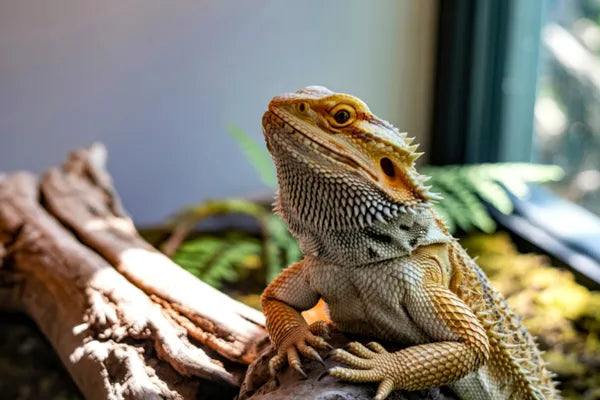
If your bearded dragon suddenly becomes less active, stops eating, or spends most of its time hiding, it can be worrying. In many cases, this behaviour is completely normal and linked to brumation - a natural, seasonal slowdown similar to hibernation.
In Australia, where seasonal changes can still influence indoor reptiles, understanding brumation is essential for keeping your dragon healthy and stress-free.
What Is Brumation?
Brumation is a natural dormancy period that reptiles enter during cooler months. Unlike mammals, bearded dragons don’t fully sleep the entire time. Instead, their metabolism slows right down.
During brumation, your dragon may:
- Sleep for long periods
- Eat very little or nothing at all
- Spend more time hiding
- Show reduced activity
This typically occurs during autumn and winter in Australia (April to August), although indoor conditions can influence timing.
Signs Your Bearded Dragon Is Brumating
It’s important to recognise normal brumation behaviours versus potential health issues.
Common signs include:
- Loss of appetite
- Increased sleeping or staying in their hide
- Less frequent bowel movements
- Reduced interest in interaction
If your dragon appears alert when handled and isn’t losing significant weight, brumation is likely the cause.
How to Prepare Your Bearded Dragon for Brumation
1. Schedule a Health Check
Before brumation begins, it’s best to:
- Visit a reptile-savvy vet
- Check for parasites or illness
- Ensure your dragon is at a healthy weight
A sick dragon should not go into brumation.
2. Adjust Lighting and Temperature
Even if your dragon initiates brumation naturally, maintaining proper enclosure conditions is still important.
- Keep UVB lighting consistent
- Maintain a basking spot (around 35-40°C)
- Allow cooler areas to drop slightly, but not too low
Avoid drastic changes - consistency is key.
3. Reduce Feeding Gradually
As your dragon slows down:
- Offer smaller meals
- Allow them to refuse food naturally
- Ensure their digestive system is empty before deep brumation
Undigested food can cause health issues during this period.
4. Provide Fresh Water
Even if they aren’t eating:
- Always provide access to clean water
- Offer occasional baths if needed to prevent dehydration
Should You Wake Your Bearded Dragon?
In most cases, no. Brumation is a natural process.
However, you should intervene if:
- There is rapid or excessive weight loss
- Signs of illness appear (e.g. lethargy outside normal brumation, discharge, weakness)
- The dragon hasn’t had a health check beforehand
When in doubt, consult a reptile vet.
How Long Does Brumation Last?
Brumation can last anywhere from:
- A few weeks
- Up to 3 months
Every dragon is different. Younger dragons may not brumate at all, while adults often do so yearly.
Waking Up: What to Expect
As temperatures warm (or indoor conditions shift), your dragon will gradually become more active.
When they wake:
- Appetite returns slowly
- Activity levels increase
- Normal behaviour resumes
Start with:
- Light feeding (easy-to-digest foods)
- Regular lighting schedule
- Monitoring weight and hydration
Common Mistakes to Avoid
- Forcing your dragon to eat
- Turning off heat or UVB completely
- Ignoring signs of illness
- Assuming all lethargy is brumation
Brumation should be calm and gradual - not sudden or extreme.
Conclusion
Brumation can feel concerning, especially for first-time reptile owners, but it’s a completely natural part of a bearded dragon’s life cycle.
By understanding the signs, preparing properly, and monitoring your pet’s health, you can ensure they come out of brumation healthy and thriving.
If you’re ever unsure, it’s always best to check in with a reptile vet - peace of mind is worth it.


