


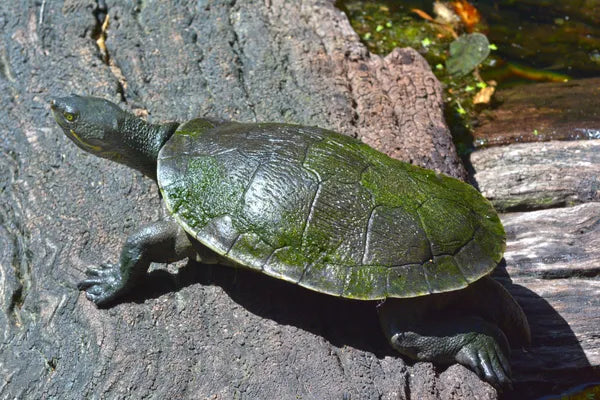
Turtles are one of the most fascinating reptiles you can keep. They're calm, intelligent, long-lived, and incredibly rewarding for owners who enjoy observing natural behaviours rather than constantly handling their pets.
If you're considering a pet turtle or want to improve your turtle care knowledge, our Turtle Masterclass provides expert guidance on housing, filtration, feeding, lighting, health, and long-term care. It's designed specifically for Australian turtle keepers and can help you avoid many of the common mistakes new owners make.
However, turtles are often misunderstood. Many people assume they're low-maintenance pets that can live in a small tank with minimal care. The reality is quite different.
Before bringing home a turtle, it's important to understand their legal requirements, housing needs, lifespan, and ongoing care commitments. A well-cared-for turtle can be part of your family for decades.
Are Turtles Legal to Keep in Australia?
Yes, but most Australian freshwater turtles require a reptile keeper licence.
In New South Wales, native reptiles are protected wildlife, which means you'll need the appropriate licence before purchasing a turtle. Licence requirements vary between states and territories, so always check with your local wildlife authority before acquiring one.
Obtaining a licence is generally straightforward and helps ensure turtles are sourced and kept responsibly.
Why Turtles Make Great Pets
Turtles appeal to reptile enthusiasts for several reasons:
-
Quiet and relatively unobtrusive
-
Fascinating to watch
-
Long lifespan
-
Unique personalities
-
Excellent educational pets
-
Suitable for owners with limited space compared to larger reptiles
Unlike dogs or cats, turtles don't demand constant attention. They spend much of their time swimming, basking, exploring their environment, and searching for food.
For many owners, creating and maintaining a thriving aquatic habitat becomes just as enjoyable as keeping the turtle itself.
Understanding the Commitment
One of the biggest surprises for first-time turtle owners is just how long turtles live.
Many Australian freshwater turtles can live for several decades when properly cared for. Some species regularly reach 30 years or more, making them one of the longest-term pet commitments available.
Before purchasing a turtle, ask yourself:
-
Can I provide care for the next 20-30 years?
-
Do I have space for a large enclosure?
-
Am I comfortable maintaining water quality?
-
Can I cover ongoing equipment and food costs?
A turtle should never be considered a temporary or "starter" pet.
Choosing the Right Turtle Species
Australian freshwater turtles are generally the best option for local reptile keepers.
Popular species include:
Murray River Short-Neck Turtle
One of Australia's most commonly kept turtles, known for its attractive appearance and relatively adaptable nature.
Eastern Long-Neck Turtle
Recognisable by its long neck and curious personality. These turtles are active swimmers and fascinating to observe.
Each species has slightly different requirements, so researching before purchasing is essential.
Setting Up the Perfect Turtle Habitat
A proper enclosure is the foundation of good turtle care.
Aquarium Size
Many baby turtles start small but grow significantly over time.
Adult turtles require:
-
Large aquariums or indoor ponds
-
Plenty of swimming space
-
Secure lids or barriers
-
Strong filtration systems
A common mistake is buying a tank that's too small and needing to upgrade repeatedly as the turtle grows.
Filtration
Turtles are messy animals.
A powerful filtration system helps:
-
Remove waste
-
Maintain water quality
-
Reduce cleaning frequency
-
Support overall turtle health
Investing in quality filtration from the beginning will save time, money, and frustration later.
Basking Area
Turtles need access to a dry basking platform where they can completely leave the water.
The basking area should include:
-
Easy access from the water
-
A heat source
-
Appropriate UVB lighting
-
Enough room for the turtle to fully dry out
Basking is essential for shell health, digestion, and overall wellbeing.
UVB Lighting
Like many reptiles, turtles require UVB exposure to properly metabolise calcium and maintain healthy bones and shells.
Without adequate UVB lighting, turtles can develop serious health problems over time.
What Do Pet Turtles Eat?
Most Australian freshwater turtles are omnivores.
A healthy diet typically includes:
-
Commercial turtle pellets
-
Live or frozen aquatic foods
-
Insects
-
Worms
-
Small amounts of plant material (species dependent)
Variety is important. Feeding the same food every day can lead to nutritional deficiencies.
If you're unsure about the ideal diet for your species, seek advice from an experienced reptile keeper or reptile veterinarian.
Do Turtles Like Being Handled?
Not particularly.
Unlike bearded dragons, turtles generally don't seek human interaction and can become stressed by excessive handling.
It's best to:
-
Handle only when necessary
-
Support the entire body
-
Wash hands before and after handling
-
Allow them to spend most of their time in their enclosure
Think of turtles as pets that are best enjoyed through observation rather than cuddles.
Can Turtles Live Together?
In most situations, turtles are best housed individually.
While some keepers successfully maintain multiple turtles, cohabitation can create:
-
Competition for food
-
Stress
-
Territorial behaviour
-
Injuries from biting or aggression
Providing each turtle with its own enclosure is often the safest option.
Common Mistakes New Turtle Owners Make
Avoid these common beginner errors:
Buying a Tank That's Too Small
Baby turtles grow quickly and require far more space than most people expect.
Underestimating Maintenance
Turtle enclosures require regular:
-
Water testing
-
Water changes
-
Filter maintenance
-
General cleaning
Skipping UVB Lighting
Proper UVB is not optional. It plays a critical role in long-term health.
Choosing a Turtle on Impulse
Research the species, setup requirements, and legal obligations before purchasing.
Are Turtles Good Pets for Children?
Turtles can be excellent family pets, but they are not ideal for young children to care for independently.
Adult supervision is essential because:
-
Water quality must be maintained correctly
-
Feeding must be appropriate
-
Equipment requires monitoring
-
Turtles are not naturally interactive pets
Families who enjoy learning about animals and ecosystems often find turtles incredibly rewarding.
Is a Turtle the Right Pet for You?
A turtle may be the perfect pet if you:
-
Enjoy reptiles and aquatic animals
-
Prefer observing rather than handling pets
-
Have space for a large enclosure
-
Are comfortable with ongoing maintenance
-
Can commit to long-term care
They may not be the best fit if you're looking for a highly interactive companion animal.
Want to Learn More About Turtle Care?
Whether you're preparing for your first turtle or looking to improve your current setup, investing in the right knowledge can make a huge difference to your turtle's health and wellbeing.
Our Turtle Masterclass covers:
- Choosing the right turtle species
- Aquarium and filtration setup
- Heating and UVB requirements
- Feeding and nutrition
- Water quality management
- Common health issues
- Long-term turtle care
The course is designed for Australian turtle keepers and provides practical advice to help your turtle thrive.
Final Thoughts
Turtles are fascinating, intelligent reptiles that can make outstanding pets for dedicated owners. However, they require more planning, space, and long-term commitment than many people realise.
With the right enclosure, quality filtration, proper lighting, a balanced diet, and a commitment to ongoing care, a pet turtle can thrive for decades and become one of the most rewarding reptiles you'll ever own.


