


Central Bearded Dragon
Pogona vitticeps

10-15 years

45-60cm

Low to Medium


Where they come from
Natural History & Origin


Get it right early
Tips for First-Time Owners
- 1 Invest in a high-output T5 HO 10–12% UVB lamp and replace it on the manufacturer's recommended schedule — correct UVB is the single most important factor in preventing metabolic bone disease, and no supplement fully compensates for inadequate lighting.
- 2 Establish the correct temperature gradient from the outset — a basking spot of 40–45 °C, a warm ambient of 30–35 °C and a cool end of 22–28 °C allows your dragon to self-regulate its body temperature naturally, which underpins digestion, immunity and overall health.
- 3 Vary the diet significantly and adjust insect-to-plant ratios as the animal matures — a bearded dragon fed on a narrow diet will develop nutritional deficiencies over time, regardless of supplementation.
- 4 Handle your dragon daily from a young age — consistent, calm interaction builds trust, maintains tameness and is one of the most meaningful contributions you can make to your animal's wellbeing.
- 5 Obtain a valid fauna keeper licence before purchasing and source animals only from a licensed, reputable captive breeder.
Setting up the habitat
Enclosure & Husbandry
What to feed
Dietary Management
Day-to-day interaction
Handling & Socialisation
Find your next best friend
Browse all Reptiles →
Our Available Reptiles
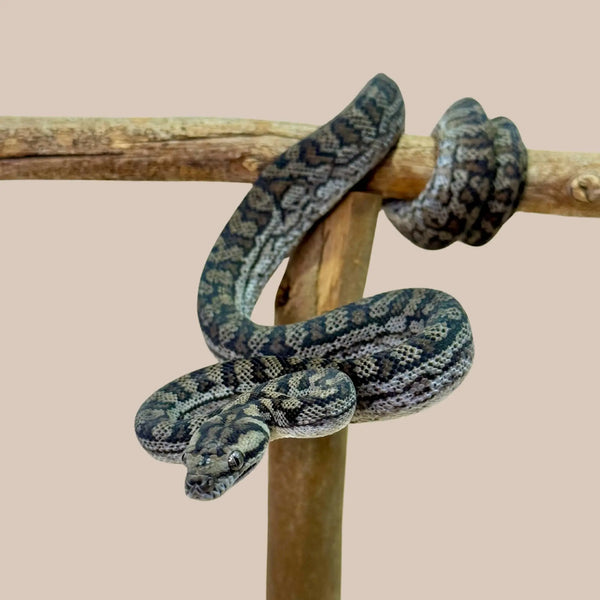
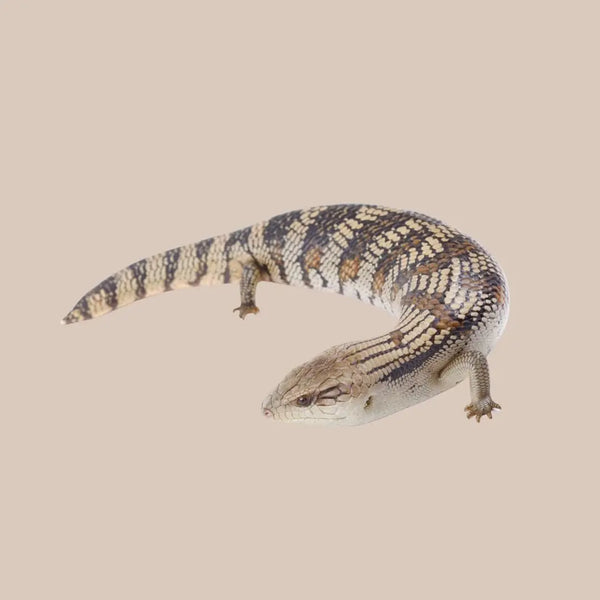
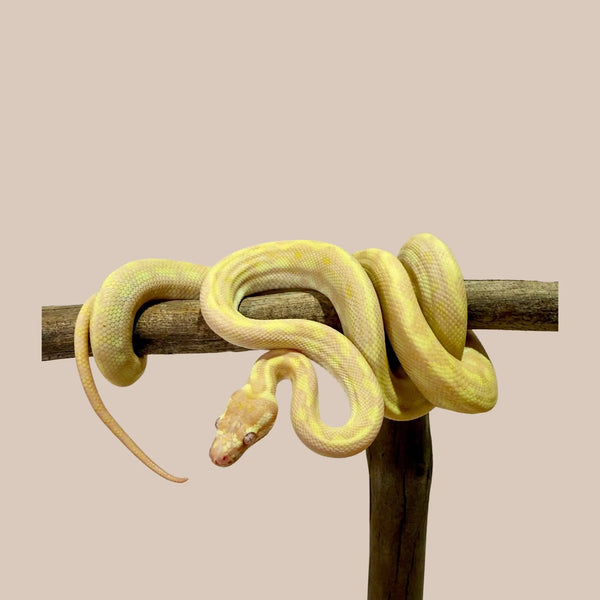
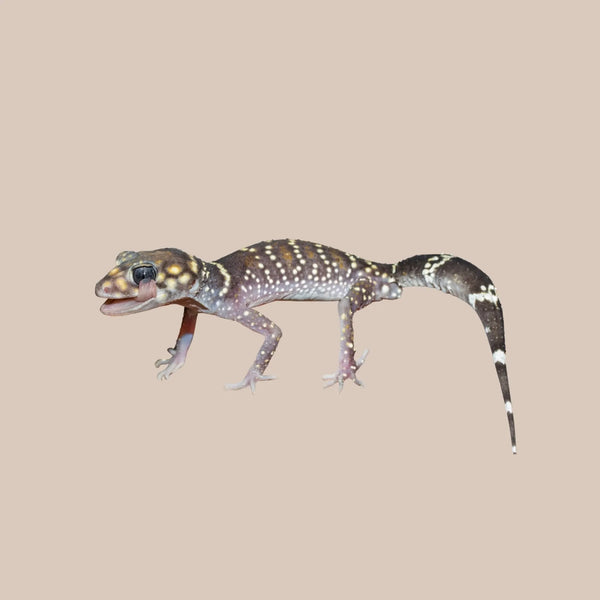
Did you know
Fun Facts
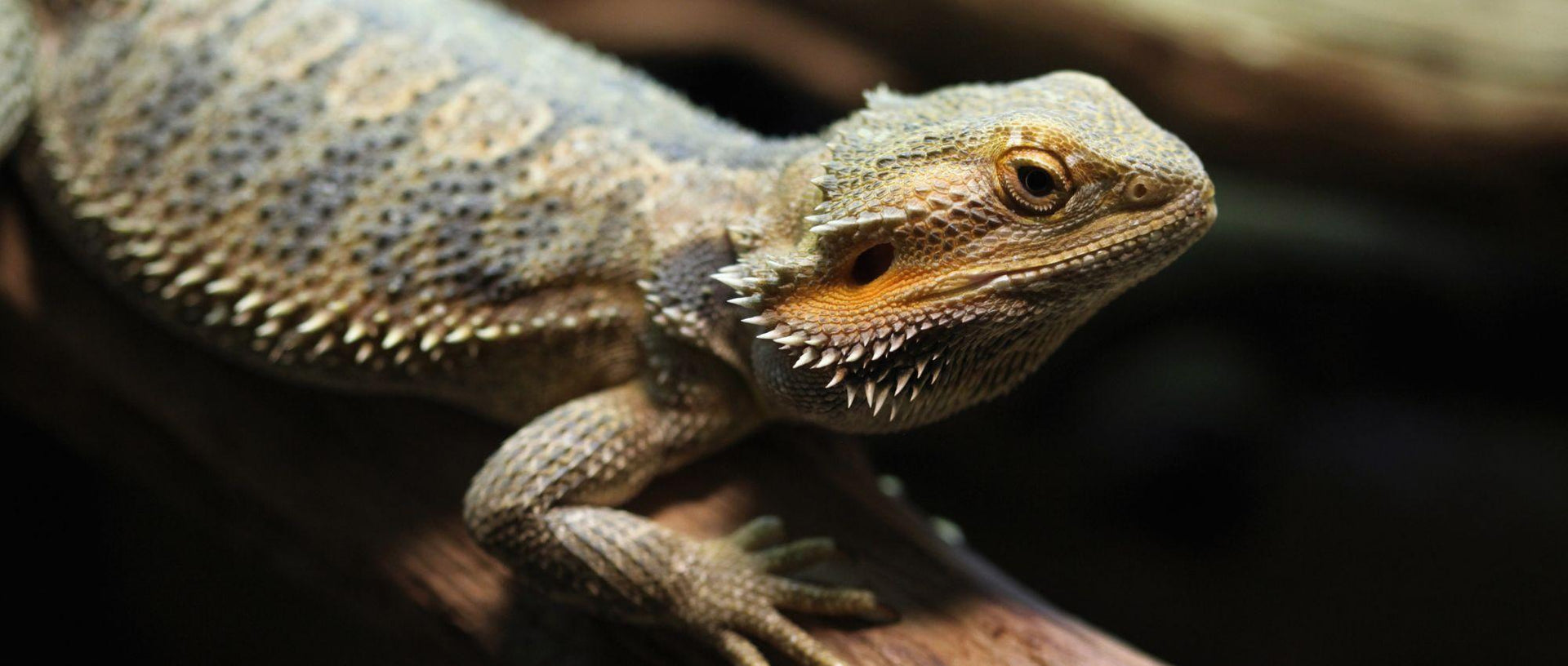
The iconic 'beard' is formed by a gular pouch that the dragon inflates with air, darkening it dramatically via chromatophore changes — used for territorial display, courtship and threat response without producing any sound.
Bearded dragons possess a parietal eye — a photosensitive structure on the crown of the head, sometimes called the 'third eye' — that cannot form images but plays a role in detecting changes in light intensity, regulating circadian rhythms and coordinating hormone production.
A female Bearded Dragon that has mated once can store viable sperm and produce a second or even third fertile clutch months later without further contact with a male — a phenomenon that has occasionally caught unsuspecting keepers by surprise.
Keep them stimulated
Enrichment
What to watch for
Common Health Issues
Everything you need
Essentials Shopping List
Setup checklist
- Timber or glass enclosure — minimum 120 × 60 × 60 cm; 150 × 60 × 60 cm or larger strongly recommended
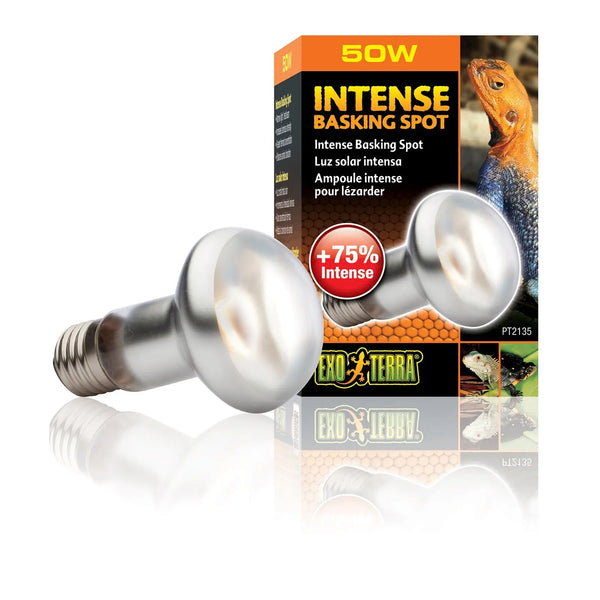
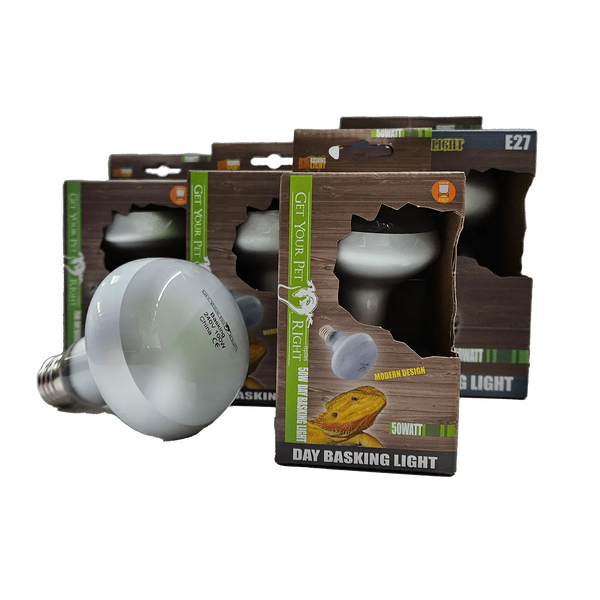
- Halogen or incandescent basking globe (50–100W)
- Quality thermostat
- High-output T5 HO 10–12% UVB tube and deep reflector fitting
- Lighting timer
- Digital dual-probe thermometer and infrared temperature gun
- Flat basking rock or slate tile
- Two hides (warm and cool end)
- Climbing branch or cork log
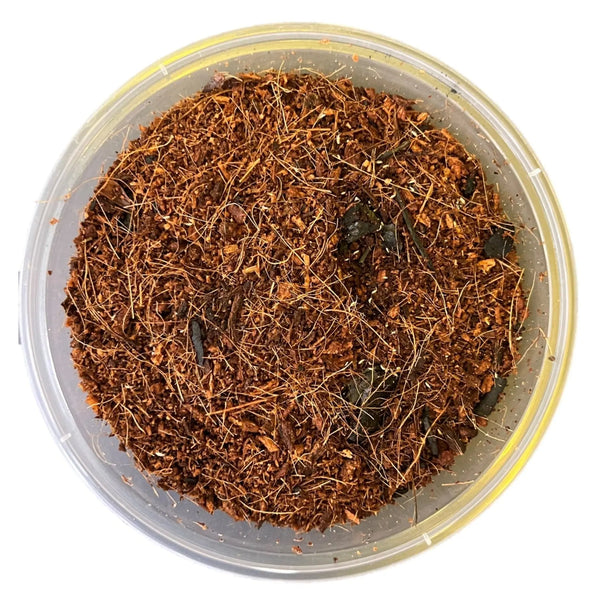
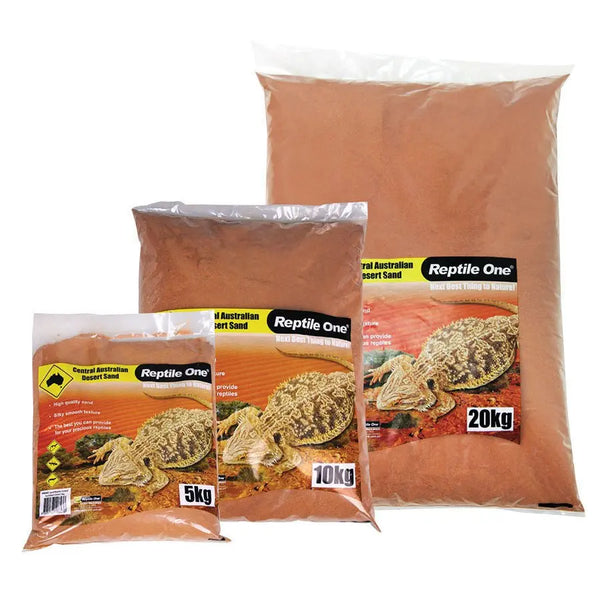
- Reptile-safe sand ubstrate
- Food dish and water dish
- Calcium supplement powder (without D₃ — for regular use)
- Combined calcium, D₃ and multivitamin supplement (2–3× per week)
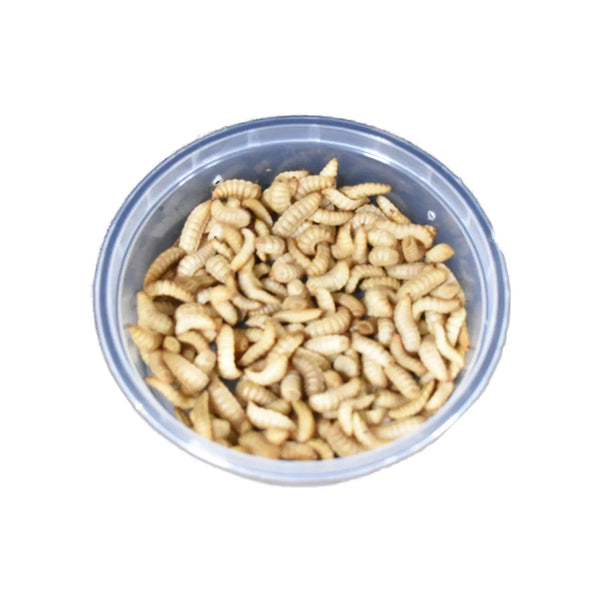
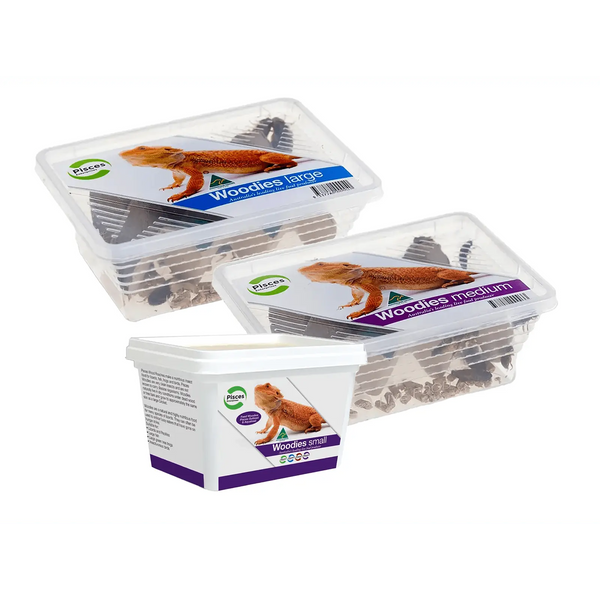
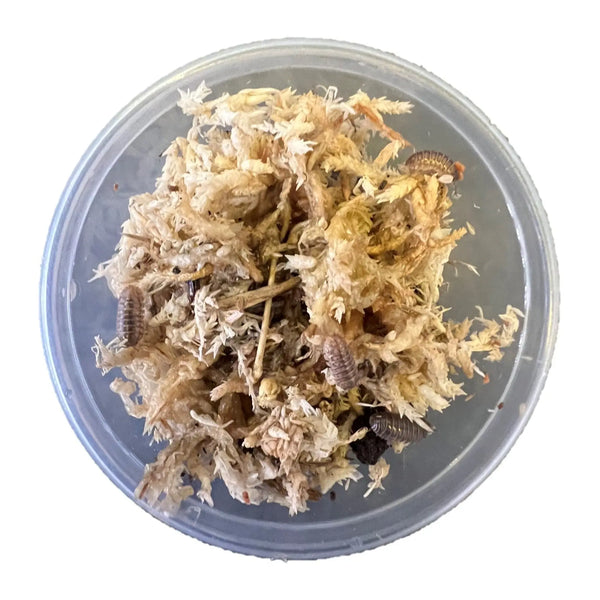
- Live feeder insects (crickets, woodies, black soldier fly larvae)
- Feeder insect gut-load food
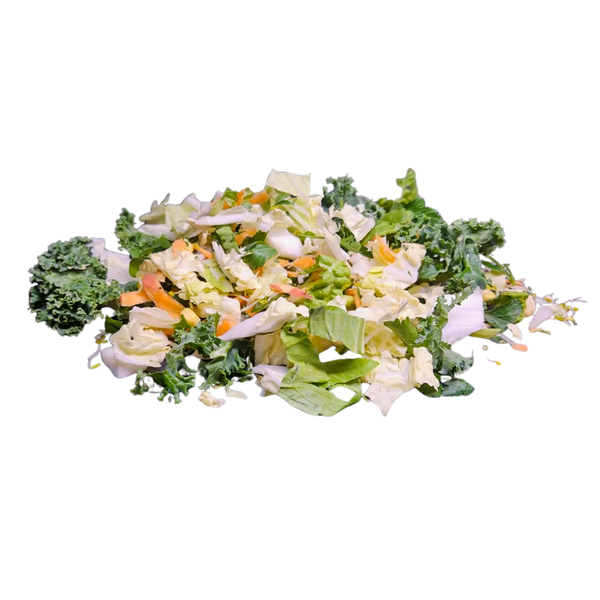
- Fresh leafy vegetables and appropriate salad vegetables (ongoing)
- Reptile-safe disinfectant
- Fauna keeper licence (state-specific)
FAQ
Commonly Asked Questions
-
How often should I feed my Central Bearded Dragon?
-
My bearded dragon is glass surfing and scratching at the walls — what does this mean?
-
My dragon has gone very dark and barely moved in several days — is it sick?
-
Do bearded dragons need a companion?
-
Is a licence required to keep a Central Bearded Dragon in NSW?
Need help?