Breed Guide6 min read

Pugalier

Pug x Cavalier King Charles Spaniel cross · Cavalier Pug · Pug Cavalier mix

  • Good with other pets
  • Easy to train
  • Good with children
  • Low exercise needs
  • Low grooming commitment
  • Suitable for first-time owners
  • Calm temperament
Pugalier Breed Guide
Temperament

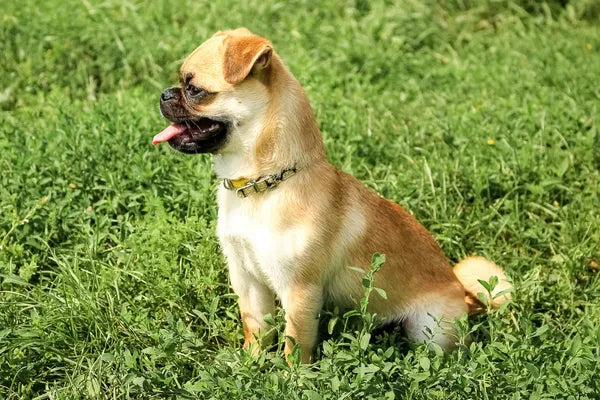
Affectionate, gentle and easygoing - the Pugalier is widely regarded as one of the most broadly loveable of all small crossbreeds. It combines the Pug's entertaining, bold, playful personality with the Cavalier's gentle, sweet and people-oriented nature. Generally good with children of all ages, other dogs and other pets. Adaptable across household types and energy levels. Prone to separation anxiety given the people-dependent nature of both parents.

Lifespan
10–14 years with good care
Adult Size
4–12 kg; 25–40 cm tall at the shoulder
Care Level
Low to Medium
Coat Type

Coat varies by inheritance. Most Pugaliers have a short to medium, smooth to slightly silky coat reflecting both parents. Beagle-type short coats are minimal-maintenance; Cavalier-influenced medium coats require more frequent brushing. Moderate to heavy shedder - more than either parent's coat length would suggest. Not hypoallergenic.

Energy Level

Low to Medium. Short daily walks and indoor play are sufficient; avoid exercise in heat.

is this the right breed for you?

Owner Suitability

Excellent for first-time owners, apartment dwellers, families with children, seniors and those seeking a calm, affectionate small companion. Highly adaptable. Not suited to households where it will be left alone for extended periods. Heat sensitivity must be managed in Australian conditions.

Where the breed comes from

Origin & History

The Pugalier is a crossbreed between a Pug and a Cavalier King Charles Spaniel, developed with a specific welfare motivation: to retain the Pug's charming, affectionate and entertaining personality while reducing the severe brachycephalic breathing problems of the pure Pug by introducing the Cavalier's longer muzzle. The cross has been popular in Australia and the United States since the 1980s and 1990s. The Pugalier is typically bred using a Cavalier mother and a Pug father - Cavaliers are more likely to whelp naturally and are less prone to caesarean delivery than pure Pugs. The cross is not recognised by the ANKC. It is a well-established and popular small companion cross in Australia. As a crossbreed rather than a recognised purebred, individual dogs may vary in appearance and temperament depending on which parent breed they take after more strongly.

Get it right early

Tips for First-Time Owners

  1. 1 Annual cardiac monitoring from a young age - MVD inherited from the Cavalier parent is the most important health concern in this cross. Ask the breeder specifically whether the Cavalier parent follows the MVD Breeding Protocol and is clear of murmur at the required minimum age.
  2. 2 Monitor breathing carefully - particularly in individuals with more pronounced flat-facial features. Never exercise in hot or humid weather. BOAS assessment by a veterinarian is recommended for any individual with noisy breathing or exercise intolerance.
  3. 3 Clean facial skin folds daily without exception if present - skin fold dermatitis is entirely preventable with a 2-minute daily routine and causes genuine pain if neglected.
  4. 4 Begin daily dental brushing from puppyhood - both parent breeds contribute to small-jaw dental crowding and dental disease is one of the most common and impactful long-term health concerns.
  5. 5 Build separation tolerance gradually from day one - both parent breeds are people-dependent and prone to separation anxiety. Early independence conditioning produces a far more confident and resilient adult.
Daily Routine

Care & Exercise

The Pugalier is a low-maintenance exercise breed - short daily walks and indoor play provide adequate activity. The most important ongoing care considerations are heat management and health monitoring. The Pugalier's brachycephalic inheritance means most individuals have some degree of airway compromise; BOAS assessment is recommended for any individual with pronounced flat-facial features, and exercise must be avoided in hot or humid conditions. Air conditioning during Australian summers is strongly recommended. Daily cleaning of any facial skin folds. Monitoring for the cardiac conditions inherited from the Cavalier parent is important - annual cardiac auscultation from an early age is recommended. Feed a quality small-breed diet in measured portions twice daily. Dental care from puppyhood is critical.

Coat Care Routine

Grooming

Coat type determines grooming needs. Short (Pug-dominant) coat: weekly brush with a rubber grooming glove or soft brush to manage shedding. Medium (Cavalier-influenced) coat: brush two to three times per week with a slicker brush and comb. Bathe every four to six weeks. The most critical grooming task for any Pugalier that inherits facial skin folds from the Pug parent is daily cleaning and drying of those folds - moisture, debris and bacteria accumulate in skin creases and cause painful skin fold dermatitis if neglected. Inspect daily; clean and dry with a soft cloth or unscented wipe. Clean ears weekly - both parent breeds have pendulous ears prone to infection. Brush teeth regularly. Trim nails every three to four weeks.

Did you know

Fun Facts

The Pugalier was specifically developed to reduce the Pug's severe brachycephalic breathing problems - a welfare-motivated cross that aimed to retain the Pug's beloved personality while introducing the Cavalier's longer muzzle. It is one of the clearest examples in the dog world of a cross created primarily to address a welfare concern in one of the parent breeds, rather than purely for aesthetic or size purposes.

The Pugalier is typically bred with a Cavalier mother and a Pug father - this is not arbitrary but reflects the practical welfare reality that Pug females frequently cannot whelp naturally and require caesarean delivery due to the large, round heads of Pug puppies relative to the birth canal. Using a Cavalier mother reduces this risk significantly and produces safer litters.

Both parent breeds of the Pugalier have extensive royal pedigrees: the Pug was the official dog of the House of Orange following the famous 1572 incident where a Pug reportedly saved William of Orange's life, and the Cavalier King Charles Spaniel takes its name from King Charles II of England, who was reportedly inseparable from his spaniels and may have issued a royal decree allowing them into any public space.

Day-to-day interaction

Handling & Socialisation

Socialisation from puppyhood is straightforward given the naturally friendly, sociable temperament of both parent breeds. Puppy school provides foundational obedience and confidence building. Positive, reward-based training works well - the Cavalier's sensitivity combined with the Pug's food motivation makes both methods effective. The Pug's occasional stubbornness may surface - short, varied, engaging sessions hold attention better than repetitive drills. Build independence from day one: both parent breeds are prone to separation anxiety and early alone-time conditioning produces a significantly more confident adult.

Keep them stimulated

Enrichment

Pugaliers are gentle and enjoy moderate enrichment appropriate to their size and energy level. Short interactive play sessions, puzzle feeders, sniff games and trick training provide cognitive engagement without requiring strenuous exercise. Avoid high-intensity activity and exercise in hot weather. A window perch or watching birds from a safe indoor vantage point provides gentle environmental enrichment. The Cavalier's gentle spaniel heritage means many Pugaliers enjoy sniff walks at a slow, exploratory pace. Involvement in daily household activities provides natural enrichment for this companion-oriented breed.

What to watch for

Common Health Issues

Mitral Valve Disease (MVD): The most critical hereditary health concern, inherited from the Cavalier King Charles Spaniel parent. MVD is a progressive heart valve degeneration extremely common in Cavaliers. It affects offspring at higher-than-average rates. Annual cardiac auscultation from an early age is strongly recommended. Source from breeders where the Cavalier parent follows the MVD Breeding Protocol (clear of murmur at the required minimum age).

Brachycephalic Concerns: The Pugalier typically has a longer muzzle than a pure Pug, which generally reduces BOAS severity - this is one of the welfare motivations of the cross. However, individuals inheriting more of the Pug's flat facial features may still show meaningful breathing difficulty. BOAS assessment is recommended for any flat-faced individual. Never exercise in hot or humid weather.

Syringomyelia / Chiari-like Malformation: Inherited from the Cavalier parent. MRI screening of Cavalier breeding dogs is recommended.

Skin Fold Dermatitis: In individuals inheriting Pug facial folds; prevent entirely with daily cleaning and drying.

Dental Disease: Small-jaw dental crowding and tartar accumulation from both parent breeds. Daily brushing from puppyhood.

Patella Luxation: Common in small breeds; source from health-screened breeders.

Ear Infections: Pendulous ears from both parents; weekly cleaning essential.

Everything you need

Essentials Shopping List

Setup checklist

  • Quality small-breed dog food (age-appropriate; weight-controlled)
  • Stainless steel food and water bowls (slow feeder recommended)
  • Small harness (recommended - reduces tracheal pressure vs collar)
  • Short lead
  • Crate
  • Orthopaedic dog bed
  • Rubber grooming glove or soft-bristle brush
  • Unscented dog-safe wipes or soft cloths (daily fold cleaning if present)
  • Veterinarian-recommended ear cleaning solution
  • Dog toothbrush and dog-safe toothpaste (daily use)
  • Nail clippers
  • Small training treats (low-calorie)
  • Fillable rubber chew toy
  • Small puzzle feeder
  • Small variety of toys
  • Cooling mat (essential for Australian summers)
  • Poo bags
  • Flea, tick and worming prevention (vet recommended)
  • Pet insurance (from day one - MVD monitoring makes this essential)
FAQ

Commonly Asked Questions

  • Is the Pugalier healthier than a pure Pug?

    Generally yes - the longer muzzle from the Cavalier parent typically reduces the severity of brachycephalic breathing problems. However, the cross introduces its own significant health concern (MVD from the Cavalier) that must be monitored. No crossbreed is automatically healthier than its purebred parents.

  • Do Pugaliers have breathing problems?

    Individuals inheriting more of the Pug's flat facial structure may still show some degree of breathing difficulty. Those inheriting more of the Cavalier's longer muzzle typically breathe more freely. BOAS assessment is recommended for any individual with noisy breathing or reduced exercise tolerance.

  • How serious is MVD in Pugaliers?

    It is the primary health concern. Inherited from the Cavalier parent, MVD is a progressive heart valve condition that is extremely common in Cavaliers and their crosses. Annual cardiac monitoring from a young age and sourcing from MVD Breeding Protocol-compliant Cavalier parents are the most important health actions.

  • Are Pugaliers good apartment dogs?

    Yes - low exercise needs, small size and calm temperament make them ideal. Air conditioning during Australian summers is not optional for any brachycephalic-influenced breed.

  • What health tests should I ask a breeder for?

    MVD Breeding Protocol compliance for the Cavalier parent; Syringomyelia MRI screening for the Cavalier parent; BOAS assessment of both parents; patella screening; dental health history.

Need help?Our specialists are in-store every day to help with sourcing, training and supplies.

Visit Kellyville Pets