


Excellent for first-time owners, families, apartment dwellers and active singles. Adaptable to a wide range of living situations. The Schnoodle can inherit the Miniature Schnauzer's vocal, alert tendencies — assess this before purchasing if you live in close proximity to neighbours.
Schnoodle
- Good with children
- Calm temperament
- Easy to train
- Low-shedding
- Apartment-friendly
- Suitable for first-time owners
- Good with other pets
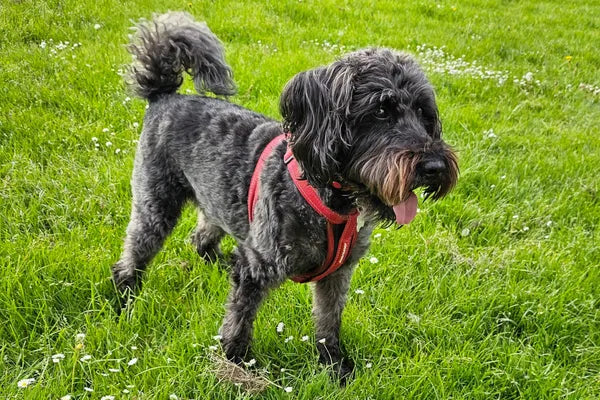


Miniature Schnoodle: 12–15 years. Standard and Giant: 10–13 years.

Miniature: 5–9 kg, 30–38 cm. Standard: 20–30 kg, 43–55 cm. Giant: 30–40 kg, 55–70 cm.

Low to Medium


Medium. 30–60 minutes of daily exercise appropriate for most individuals.
is this the right breed for you?
Owner Suitability
Where the breed comes from
Origin & History


Get it right early
Tips for First-Time Owners
- 1 Feed a strictly low-fat diet for Miniature Schnoodles — the pancreatitis risk inherited from the Miniature Schnauzer parent is genuine. Avoid cheese, fatty meat, table scraps and high-fat treats.
- 2 Train a 'quiet' command from puppyhood — the Schnoodle's alert, vocal tendencies are manageable when addressed early but become entrenched if ignored.
- 3 Clean the beard area daily if present — food and moisture trapped in facial hair causes odour and skin irritation.
- 4 Source from a breeder who DNA-tests both parent breeds for PRA and health-screens for luxating patella and bladder stones (Schnauzer parent).
- 5 Invest in pet insurance from day one — pancreatitis management, dental care and potential eye or joint conditions can generate ongoing veterinary costs.
Daily Routine
Care & Exercise
Coat Care Routine
Grooming
Did you know
Fun Facts
The Schnoodle combines two of the breeds most consistently ranked in the top tier of canine intelligence assessments — the Poodle (ranked second by Stanley Coren in The Intelligence of Dogs) and the Miniature Schnauzer (ranked twelfth) — creating a cross that is exceptionally responsive to training and capable of learning a very wide range of commands and tasks.
The Miniature Schnauzer parent's original working purpose was ratting on German farms — a task requiring intelligence, tenacity and an excellent nose. This heritage often surfaces in Schnoodles as a strong scenting drive and enthusiasm for search and scent games.
Both the Miniature Schnauzer and the Poodle have coats that shed minimally — making the Schnoodle one of the most consistently low-shedding of all doodle crosses, as both parent breeds contribute low-shedding genetics rather than just one.
Day-to-day interaction
Handling & Socialisation
Keep them stimulated
Enrichment
What to watch for
Common Health Issues
find your next best friend
Browse all Puppies
Our Available Puppies


Everything you need
Essentials Shopping List
Setup checklist
- Quality small-breed dog food (low-fat for Miniature Schnoodle)
- Stainless steel food and water bowls
- Collar with ID tag
- Harness
- Standard lead and long training lead
- Crate
- Dog bed
- Slicker brush and steel comb
- Dog-safe shampoo
- Ear cleaning solution
- Dog toothbrush and dog-safe toothpaste
- Nail clippers
- Low-fat training treats
- Fillable rubber chew toy
- Puzzle feeders (multiple; varied difficulty)
- Tug toy
- Scent work equipment or nose game resources
- Poo bags
- Flea, tick and worming prevention (vet recommended)
- Pet insurance (from day one)
READY TO SET UP
See all items
Shop the Essentials

Save 22%
Hill's Science Diet Dog Food Puppy Large Breed

Save 22%
Hill's Science Diet Dog Food Puppy

Save 22%
Black Hawk Dog Food Puppy Medium Breed Chicken & Rice

Save 22%
Black Hawk Dog Food Puppy Medium Breed Lamb & Rice

Save 15%
Drontal Allwormer Tablet for Small Dogs & Puppies 3kg Green - 4 Pack

Save 15%
Milbemax for Dogs Over 5kg - 2 Pack

Save 15%
Taste of the Wild Dog Food Puppy Pacific Stream Salmon

Save 15%
Simparica Trio for Small Dogs 5.1-10kg Orange
FAQ
Commonly Asked Questions
-
Is the Schnoodle easy to train?
-
Do Schnoodles bark a lot?
-
Does a Schnoodle need a low-fat diet?
-
Do Schnoodles shed?
-
What size Schnoodle should I get?
Learn more
See all breed guides Read about other breeds
No articles match that search. Try a different word.


Need help?Our specialists are in-store every day to help with sourcing, training and supplies.
Visit Kellyville Pets