


Every dental care guide starts the same way: brush your dog's teeth daily. Great advice, right up until your dog clamps their mouth shut, backs into the corner of the laundry, or turns the whole thing into a wrestling match. If you've given up on the toothbrush, you're in very good company - it's the single most common thing customers tell us at the counter during Dental Month.
The good news is that brushing isn't all or nothing. Plenty of dogs get genuinely good dental outcomes from a stack of easier habits, and some of those habits also make brushing possible again down the track. Here's what actually works, ranked honestly.
First, rule out pain
Before you write your dog off as stubborn, consider that a dog who suddenly won't let you near their mouth may be telling you it hurts. Broken carnassials, a resorptive lesion, or advanced gum disease all make handling genuinely painful. If the refusal is new, if there's blood in the water bowl, if they're chewing on one side or dropping food, book a vet check before you try any of the below. No home product fixes an infected tooth.
The alternatives, ranked by effort vs effectiveness
| Option | Effort | Effectiveness | Best for |
|---|---|---|---|
| Daily brushing | High | Highest | Dogs who tolerate handling |
| Dental gel (finger or applied to a chew) | Low-medium | High | Dogs who hate the brush but accept a finger |
| Daily dental chew | Low | Medium-high | Food-motivated dogs, easy to keep consistent |
| Water additive | Very low | Medium | Multi-dog homes, dogs who resist all handling |
| Dental wipes | Medium | Medium | Front teeth and canines, small dogs |
| Dental diet or kibble | Very low | Low-medium | Dogs already on dry food |
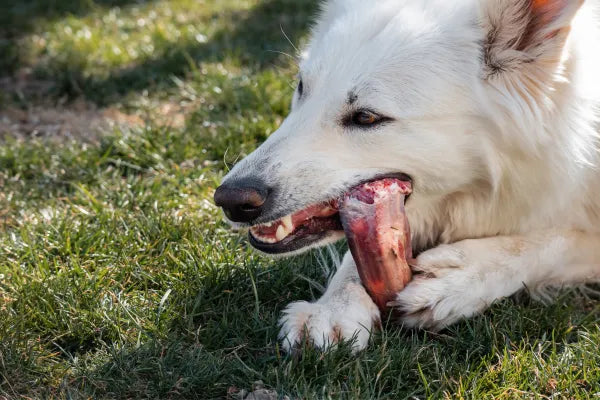
| Raw bones | Medium | Variable | Discuss with your vet - fracture and choking risk |
The pattern here is worth noting. Nothing beats mechanical disruption of plaque, so the closer an option gets to physically rubbing the tooth surface, the better it performs. Everything else is a useful supplement rather than a replacement.
Dental gel: the closest thing to brushing without a brush
TropiClean Fresh Breath Peanut Butter Gel is where we'd start most toothbrush refusers, and it's 25% off through Dental Month. It's designed to be applied straight to the gumline with a finger, or smeared onto a chew so the dog does the distribution work themselves. Most dogs who fight a brush will accept a finger with something peanut-buttery on it.
Two rules. Never substitute human toothpaste - xylitol is dangerously toxic to dogs and Australian labels don't always call it that, so also watch for birch sugar, wood sugar, birch bark extract, or E967. And apply the gel after their last meal or last drink of the evening so it has time to sit.
Water additives for dogs who won't be handled at all
A water additive is the lowest-friction option on this list: it goes in the bowl, and that's the whole job. It works on the bacterial side rather than the mechanical side, so treat it as a base layer rather than your entire plan - but a base layer you'll actually maintain every day beats a gold-standard routine you abandon by week two. It's also 25% off this month, and a one litre bottle lasts a long time in a single-dog household.
Introduce it gradually if your dog is fussy about water, and always leave a second bowl of plain water available.
Chews are the one your dog will actually cooperate with
The advantage of a Whimzees Toothbrush Star is that the dog thinks it's a treat, not a chore. The ridged shape is built to reach along the tooth surface as they work at it, and because chewing takes time, you get sustained contact rather than a two second swipe.
Size it correctly - a chew that's too small is a choking hazard, one that's too large gets abandoned - and count it in the day's calories. In the Hills District we see a lot of Cavoodles, Groodles and French Bulldogs, and a daily chew adds up fast on a 6kg dog. Supervise every chew, always.
Look for the VOHC seal where you can find it. It's the closest thing to independent verification that a product does what the packet says.
One thing to be careful with: anaesthesia-free dental cleaning
It gets marketed hard to exactly the owners reading this article, and it's worth understanding what you're buying. Scaling a conscious dog cleans the visible crown while leaving the subgingival plaque - the part that actually causes periodontal disease - untouched. The teeth look better afterwards, which is the problem: the cosmetic result masks disease that's still progressing, and nobody has probed below the gumline or taken radiographs. The Australian Veterinary Association does not support it. If your dog needs a scale and polish, that's a vet job under anaesthesia.
Working back to the brush
Once a gel or wipe routine is established, a lot of dogs will accept a finger brush a few months later. Go slowly, keep sessions under thirty seconds, and stop before your dog wants to. You're building a positive association, not finishing a task.
One last thing worth checking: many Australian pet insurance policies exclude dental disease entirely, or require an annual dental examination to keep any dental cover valid. Read your PDS before you assume you're covered - it's a common and expensive surprise.
If you're not sure which option suits your dog, bring them in during August and talk to our Dogs team. We'll happily size a chew properly and show you how to apply the gel without a fight.


