


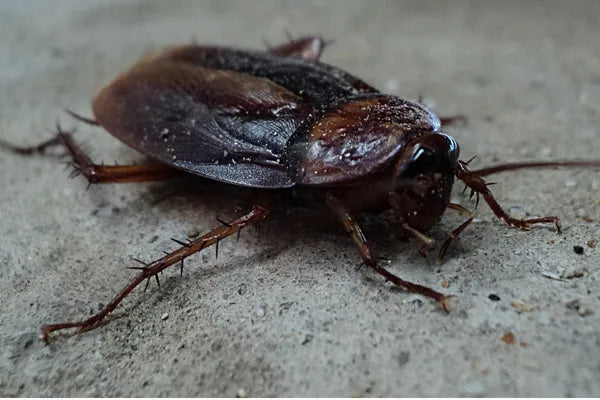
For many years, Dubia roaches were considered among the best feeder insects for reptiles due to their excellent balance of protein, fat, digestibility, and ease of breeding. However, with Dubia roaches no longer available in Australia, reptile keepers are often left wondering what the next best option is.
Fortunately, there are several excellent feeder insects that can provide similar nutritional benefits. Understanding the strengths and weaknesses of each feeder can help you create a varied, healthy diet for your reptile.
Nutritional Comparison of Common Feeder Insects
| Feeder Insect | Protein (%) | Fat (%) | Moisture (%) | Calcium:Phosphorus Ratio | Best Uses |
|---|---|---|---|---|---|
| Wood Roaches | 18–22 | 5–8 | 65–70 | ~1:3 | Excellent staple feeder |
| Crickets | 17–21 | 4–6 | 70–75 | ~1:9 | Lean staple and hunting enrichment |
| Black Soldier Fly Larvae | 15–18 | 8–12 | 60–65 | 1.5–2.5:1 | High-calcium staple feeder |
| Superworms | 17–20 | 15–18 | 58–62 | ~1:13 | Energy-rich treats and weight gain |
| Giant Mealworms | 17–19 | 13–16 | 60–62 | ~1:12 | Occasional feeder and variety item |
1. Wood Roaches - The Closest Alternative to Dubia Roaches
If you're looking for the feeder insect that most closely replaces Dubia roaches, wood roaches (commonly called Woodies) are the clear winner.
Wood roaches offer:
-
High protein levels
-
Moderate fat content
-
Good moisture content
-
Excellent gut-loading potential
-
Strong breeding rates
-
Active movement that encourages feeding responses
Nutritionally, wood roaches are extremely similar to Dubia roaches and have become the preferred staple feeder for many Australian reptile keepers.
Best For:
-
Bearded dragons
-
Blue-tongue skinks
-
Monitors
-
Water dragons
-
Larger geckos
2. Black Soldier Fly Larvae - The Calcium Champion
Black Soldier Fly Larvae (BSFL), often sold as CalciWorms or Vitaworms, stand out for one reason: their naturally high calcium content.
Unlike most feeder insects, BSFL have a calcium-to-phosphorus ratio that is actually favourable for reptiles, reducing the need for heavy calcium supplementation.
Benefits include:
-
Naturally high calcium
-
Soft-bodied and highly digestible
-
Suitable for young reptiles
-
Excellent dietary variety
While they don't quite match roaches for protein levels, they are one of the most valuable feeders for supporting healthy bone development.
Best For:
-
Juvenile reptiles
-
Growing bearded dragons
-
Geckos
-
Animals requiring extra calcium
3. Crickets - The Traditional Staple
Crickets remain one of the most widely used feeder insects in Australia.
They are:
-
Lean and high in protein
-
Readily available
-
Highly active, encouraging natural hunting behaviour
-
Suitable for reptiles of all sizes
The main downside is their poor calcium-to-phosphorus ratio, which means regular calcium dusting is essential.
Best For:
-
Bearded dragons
-
Geckos
-
Skinks
-
Amphibians
4. Superworms – Great for Extra Calories
Superworms are often a favourite among reptiles due to their movement and taste.
They provide:
-
High energy content
-
Moderate protein
-
Excellent feeding response
However, their high fat content means they should not be relied upon as a primary feeder insect.
Think of superworms as the reptile equivalent of a cheeseburger—great occasionally, but not something you'd want every day.
Best For:
-
Adult reptiles
-
Weight gain
-
Treat feeding
-
Variety in rotation
5. Giant Mealworms – Useful but Not Ideal as a Staple
Giant mealworms are easy to store and readily available, making them a convenient feeder option.
However, compared with other feeders they have:
-
Lower nutritional value
-
High fat levels
-
Poor calcium ratios
-
Tougher exoskeletons
For these reasons, giant mealworms are generally best used as an occasional feeder rather than a dietary staple.
Best For:
-
Treat feeding
-
Dietary variety
-
Larger insectivorous reptiles
Which Feeder Insect Is the Best Replacement for Dubia Roaches?
For Australian reptile keepers, the closest nutritional replacement for Dubia roaches is:
🥇 Wood Roaches
For calcium supplementation and bone health:
🥇 Black Soldier Fly Larvae
For feeding enrichment and hunting behaviour:
🥇 Crickets
For most reptiles, the healthiest approach is not to rely on a single feeder insect. A rotation of wood roaches, black soldier fly larvae, and crickets, with occasional superworms or giant mealworms, provides a broader range of nutrients and helps replicate the variety reptiles would encounter in the wild.
Recommended Staple Feeder Ranking
By combining these feeders and maintaining proper calcium supplementation, Australian reptile keepers can easily provide a diet that matches — and in some cases exceeds — the nutritional quality once offered by Dubia roaches.


