


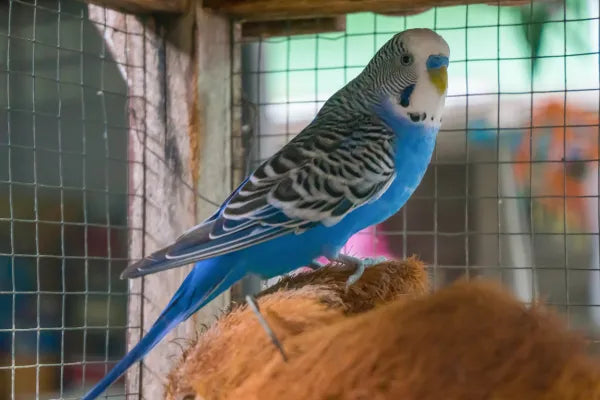
Spring is peak breeding time in a lot of Australian aviaries, and by October the online listings are full of baby cockatiels, budgies and conures. Some are too young to feed themselves, carrying disease, or not the age or sex the ad claims. Here's which birds need a licence in NSW, where to buy one, and how to spot a bird or seller to walk away from.
Check whether your bird needs a NSW licence
Exotic (non-native) birds such as conures, lovebirds, Indian ringnecks, canaries and African greys don't need a licence in NSW.
Native birds are different. NSW lets you keep 41 captive-bred native species without a licence, including budgies, cockatiels, galahs, rainbow lorikeets, sulphur-crested cockatoos, eastern rosellas, zebra finches and king quail. Any native bird that isn't on that list needs one of these:
- Companion Animal Keeper Licence - for one captive-bred bird
- B1 Basic Bird licence - for more than one bird from the companion or B1 lists
- B2 Advanced licence - for rarer, harder-to-keep species, which come from specialist breeders rather than pet shops
King parrots and crimson rosellas, for example, need a licence, so check the NSW Native Animal Keepers' Species List before you buy. Taking native birds from the wild is illegal, with fines of up to $220,000.
Where you can buy a pet bird in NSW
| Source | Good option? | What to know |
|---|---|---|
| Pet shop | Yes | Staff should know the bird's age, origin and diet, and sell weaned birds |
| Breeder | Yes | Ask to see the parents and the aviary. Licensed native species must come from a licensed breeder or pet shop |
| Bird club sales | Yes, with care | Good for finches and aviary birds, but check health closely as birds are stressed on the day |
| Online listings | Be careful | Age, sex and health are easy to misrepresent, so see the bird first |
| A native bird taken from the wild | No | Illegal. Injured wild birds should go to a wildlife rescue group such as WIRES |
Only take home a bird that can feed itself
Some sellers let hand-raised babies go before they're weaned, so the buyer finishes the hand-feeding. The NSW Code of Practice for keeping and trading birds says birds that can't feed themselves should only be sold to people who are competent at hand-rearing. The Australian Veterinary Association goes further and says unweaned birds shouldn't be sold at all.
Hand-feeding goes wrong easily. Formula that's too hot can burn the crop, food can be breathed into the lungs, and an underfed baby goes downhill fast. A weaned, well-handled bird will still bond with you. Ask to watch the bird eat seed, pellets or greens on its own before you agree to buy.
Red flags that mean you should keep looking
Be wary of a seller who:
- offers a baby that's still being hand-fed and doesn't ask about your experience
- promises a "guaranteed male talker" without DNA sexing results to back it up
- can't tell you the hatch date, who bred the bird, or what it eats
- sells a native species that needs a licence without asking to see yours
- won't let you see the bird before you pay
- keeps birds in crowded, dirty or sick-looking groups
Health checks to do before you commit
| What to check | Healthy sign | Warning sign |
|---|---|---|
| Feathers | Smooth, full and clean | Bald patches, or broken, pinched or oddly coloured feathers |
| Beak and nails | Smooth, even and a normal length | Overgrown, flaky, cracked or misshapen |
| Eyes and nostrils | Bright, clear and dry | Discharge, swelling or crusty nostrils |
| Vent | Clean | Droppings stuck to the feathers |
| Breathing | Quiet, tail held still | Tail bobbing, clicking or open-mouth breathing |
| Behaviour | Alert, active and interested in food | Fluffed up, sleepy or sitting on the cage floor |
Feather and beak changes in parrots can point to psittacine beak and feather disease (PBFD), a viral disease with no cure. Some birds carry infections without showing signs, so even a perfect-looking bird needs a vet check.
Questions to ask before you pay
- How old is the bird, and is it fully weaned?
- Was it hand-raised or parent-raised, and how much has it been handled?
- What exactly is it eating at the moment?
- Has it been DNA sexed or tested for diseases such as PBFD?
- What happens if it gets sick in the first few days?
Quarantine your new bird and book a vet check
If you already have birds, keep the new one in its own cage in a separate room for several weeks before they meet. Your avian vet can tell you how long, and which tests are worth doing.
Book a check-up with an avian vet in the first week or two. In summer, never leave the bird in a parked car, even for a few minutes. Keep it on the same food for the first while, then change its diet gradually.
If your bird is a licensed native species, record the purchase straight away. Companion licence holders keep the seller's details and the date, and B1 and B2 holders log it in their record book.
A good bird starts with an honest seller
A weaned, healthy bird that's been described accurately settles in faster and is less likely to need expensive vet care. Not sure which species suits your home, or whether you'll need a licence? Our bird team in Beaumont Hills can go through the options with you, including which birds we have in at the moment.


