


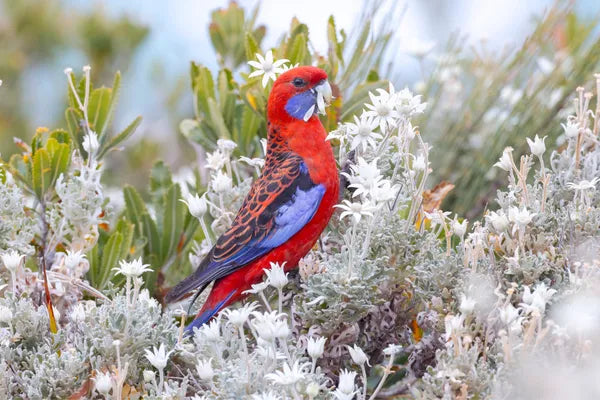
If you've ever sat on the back deck with a cuppa and watched a family of rainbow lorikeets work over a grevillea, you already know why a bird-friendly backyard is worth the effort. It's not just lovely to look at, it also gives local bird populations somewhere safe to drink, feed and shelter as more of their natural habitat disappears under new housing across Sydney's growth areas. The good news is you don't need acres of land to make a real difference. A few deliberate choices around water, planting and safety will have wrens, honeyeaters and rosellas treating your garden as a regular stop.
Water Is The First Thing To Get Right
A bird bath is the single easiest way to bring birds into your garden, and it works all year round, not just through our hot Sydney summers. Birds need reliable water for drinking and bathing, and in a suburb with plenty of paved yards and pools, a dedicated bird bath is often the only clean water source around.
A few placement basics make a big difference. Keep the bath elevated, at least 1.2 to 1.5 metres off the ground, and position it a metre or two clear of dense shrubs where a cat could hide and ambush a drinking bird. Shallow is better than deep, most native birds prefer water no more than 3 to 5cm at its deepest point. Top it up daily in warmer months since it evaporates fast, and give it a proper scrub at least once a week. A dirty bird bath can spread disease between birds, so this isn't a step to skip. Having two baths in different parts of the garden, one in full sun and one in shade, tends to attract a wider variety of species.
Native Plants Do The Heavy Lifting
Water gets birds visiting, but layered native planting is what gets them staying. Aim for structure at three heights, groundcovers and grasses, mid-storey shrubs, and taller trees, so different species can feed and shelter where they're comfortable. Lorikeets and honeyeaters love flowering natives for nectar, while smaller birds like fairy-wrens need dense, prickly shrubs to hide from predators.
Good options for the Hills District and greater Sydney include tea tree, acacia (wattle), grevillea, bottlebrush and correa for flowering colour, plus lomandra and tussock grass for ground-level cover and nesting material. Staggering species with different bloom times means there's something flowering in your garden most of the year, rather than one big flush in spring and nothing else.
| Plant | Height | Typical bloom | Attracts |
|---|---|---|---|
| Grevillea | Shrub | Most of the year | Lorikeets, honeyeaters |
| Bottlebrush (Callistemon) | Shrub to small tree | Spring-Summer | Honeyeaters, wattlebirds |
| Acacia (Wattle) | Shrub to tree | Winter-Spring | Small insectivorous birds |
| Tea Tree (Leptospermum) | Shrub | Spring | Wrens, thornbills |
| Correa | Low shrub | Autumn-Winter | Honeyeaters (great for winter gaps) |
| Lomandra / Tussock grass | Groundcover | N/A | Ground feeders, nesting material |
Should You Add A Seed Feeder?
It's tempting, but worth thinking through first. Bird feeders can concentrate large numbers of birds in one spot, which makes it easier for disease to spread between them, and an unsuitable seed mix can genuinely harm species like lorikeets that are better suited to nectar. If you'd like to feed birds directly, a purpose-made nectar feeder for lorikeets or a native seed blend, cleaned thoroughly every couple of days, is a safer approach than a general bargain seed mix. Our bird team in-store can point you towards feeders and seed blends suited to the species you're actually seeing in your garden, and can talk you through safe cleaning routines. For most backyards, though, water and planting alone will do more good than a feeder ever will.
Keep The Garden Safe, Not Just Pretty
A bird-friendly backyard also means managing the risks. Keep cats contained or supervised during peak bird activity in early morning and late afternoon. Avoid loose garden netting on fruit trees, it's one of the most common causes of bird injury we hear about, and wildlife-safe netting with a rigid weave is a much better option. If you're adding a nest box, position it away from direct afternoon sun and out of reach of cats possums.
Bringing It All Together
None of this needs to happen in one weekend. Start with a bird bath in a safe, elevated spot, add a couple of layered native plants over the following seasons, and keep an eye on which birds start showing up. Within a year or two you'll likely have a garden that's doing real good for local wildlife, and giving you a much better view from the back deck in the process.


