Care Guide6 min read

Cockatiel

Nymphicus hollandicus

Quarrion · Weiro

Cockatiel Care Guide
Lifespan
15-25 years
Adult Size
30-33cm; 80-100g
Care Level
Low
Diet

Quality cockatiel pellets as the dietary foundation, with a small parrot seed mix and daily fresh fruit and vegetables

Enclosure

Medium-gauge wire cage (minimum 90cm W × 50cm D × 90cm H) with multiple perches, a play top or gym and a rotating toy selection

Temperament

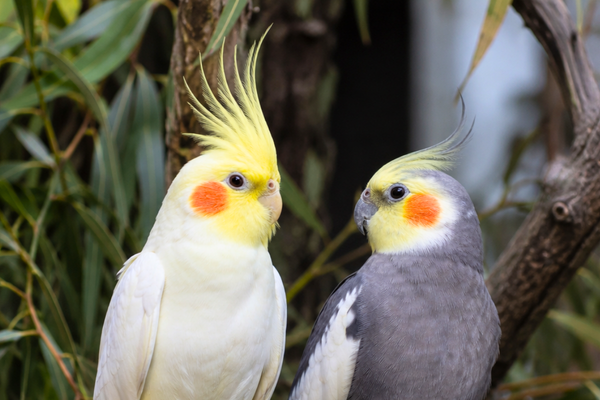
Gentle, affectionate and highly expressive. Cockatiels communicate extensively through their crest

Where they come from

Natural History & Origin

The Cockatiel is native to Australia and found across most of the arid and semi-arid interior of the continent, with a distribution very similar to the Budgerigar. They inhabit open scrublands, lightly timbered country, grasslands, and areas near water — particularly around farm dams and watercourses in the outback. Like budgerigars, they are nomadic in the wild, following rainfall and the food resources it produces, and form flocks of variable size.

Cockatiels are one of the most popular pet birds in the world and have been bred in captivity for over a century. They are widely regarded as the ideal intermediate step between a budgerigar and a larger parrot — affectionate, interactive, whistling and mimicking, and relatively easy to care for. Hand-raised birds raised from around three weeks of age are exceptionally tame and make outstanding family companions.

As a native Australian bird, the Cockatiel requires a fauna keeper licence in most states. In NSW and some other states, cockatiels are listed as an exempt species under the companion animal keeper or equivalent licence category — but this varies. Confirm current requirements with your state wildlife authority before purchasing.

Get it right early

Tips for First-Time Owners

  1. 1 Cover the cage at night with a breathable cover — cockatiels are particularly prone to night frights and a cover dramatically reduces this risk while also reducing draughts and improving sleep quality.
  2. 2 A pellet-supplemented diet combined with seed and daily fresh food is essential for long-term health — cockatiels on seed-only diets consistently develop nutritional deficiencies, particularly vitamin A deficiency.
  3. 3 Be aware of the fine feather dust cockatiels produce, especially during moulting — regular cage-area cleaning and ensuring good room ventilation are part of routine care.
  4. 4 Female cockatiels can become chronic egg layers, which is very demanding on the body — consult an avian vet if excessive egg laying occurs.
  5. 5 In NSW, no keeper licence is required for a Cockatiel — they are an exempt native species. Requirements vary in other states — confirm with your state wildlife authority and source from a reputable, licensed captive breeder.
Setting up the habitat

Enclosure & Husbandry

"Cockatiels need sufficient space to spread their wings fully and move between perches comfortably. A minimum cage size is 90cm W × 50cm D × 90cm H, with bar spacing of approximately 1.5–2 cm. Open-top cages with perching areas are ideal for hand-raised birds as they provide more freedom and facilitate interaction with the family.

Provide three to four perches of varying diameter and texture — natural timber perches from native species (eucalyptus, grevillea, bottlebrush, lilly pilly) are ideal for beak exercise and foot health. Include a play top or open-top perch area for supervised out-of-cage time. A cuttlebone, iodine bell and dedicated food and water dishes are essential. Cover partially at night with a breathable cage cover to prevent draughts and reduce visual stress — cockatiels are prone to night frights, particularly in new environments, and a cover significantly reduces this risk.

An aviary of at least 2.4m L × 0.9m W × 1.8m H is ideal for flight exercise and is strongly recommended for pairs or groups.

What to feed

Dietary Management

Cockatiels should be fed a quality cockatiel pellet as the primary dietary component. Supplement with a quality small parrot seed mix containing French white millet, plain canary, hulled oats, pannicum, Japanese millet, safflower and a small amount of sunflower. Sunflower seeds are high in fat and should not dominate the diet.

Supplement daily with small portions of fresh fruit and vegetables, including apple (seeds removed), carrot, peas, corn, broccoli, leafy greens, capsicum and sweet potato. Never feed lettuce, avocado, apple seeds, chocolate, caffeine, onion, garlic or processed human foods. Bird grit in small amounts assists digestion.

Vitamin supplements such as a quality bird vitamin supplement can be added to drinking water two to three times per week. Cuttlebone and iodine bells provide calcium and iodine and should be available at all times. Fresh water must be changed daily. Worming every three months with a broad-spectrum bird wormer.

Day-to-day interaction

Handling & Socialisation

Cockatiels communicate extensively through their crest — fully erect indicates excitement or alert; flat and slicked back indicates aggression or fear; held at a relaxed half-mast is their normal content posture. They are whistlers and mimics by nature, with most hand-raised birds developing a range of whistled tunes and many learning short words or phrases. They are often described as the perfect balance of interactive and manageable.

Hand-raised cockatiels generally step up readily and accept handling from day one. Begin handling gently and consistently from the time the bird arrives home, using step-up training with positive reinforcement — millet spray or a small piece of favourite food is effective. Handle daily to maintain tameness and build the bond. Cockatiels enjoy being stroked on the head and cheeks — many will lean into hand contact and become visibly relaxed.

Cockatiels can be prone to night frights — sudden loud noises or movements can cause them to crash around the cage in the dark, risking injury. A low night light or cage cover reduces this risk significantly. Out-of-cage supervised time of thirty minutes to one hour daily is important for physical wellbeing.

Did you know

Fun Facts

The Cockatiel is the only member of the genus Nymphicus — it is classified within a subfamily of its own (Nymphicinae) and represents an evolutionary lineage distinct from all other cockatoos despite its smaller size.

Cockatiels in the wild are known to use coordinated sentinel behaviour — while flocks feed on the ground, specific individuals remain elevated as lookouts, warning the flock with alarm calls if danger approaches.

The word 'quarrion' — one of the cockatiel's original Australian names — is believed to be derived from an Aboriginal word, making it one of the few pet bird species to carry an indigenous Australian name in common usage.

Keep them stimulated

Enrichment

Cockatiels benefit from a varied and engaging environment. Natural branches of varying lengths and species provide foraging, chewing and foot exercise. Rotate a range of toys — swings, bells, foraging baskets, puzzle feeders and chew items — every two weeks to maintain novelty. Foraging enrichment is highly effective: scatter seeds in different areas of the cage, thread vegetables onto skewers, or present food in foraging toys.

Whistling and vocal interaction daily encourages the bird to mimic and develop its own whistle repertoire — cockatiels are exceptionally responsive to musical stimulation and many learn entire tunes. Regular bathing in a shallow dish or with a gentle misting spray is enjoyed by most cockatiels and supports feather condition. Supervised out-of-cage time on a play stand or open-top cage provides physical exercise and social engagement.

What to watch for

Common Health Issues

Psittacine Beak and Feather Disease (PBFD): A serious and incurable viral disease causing progressive feather and beak abnormalities — source birds from tested, reputable breeders.

Psittacosis (Chlamydiosis): A bacterial infection transmissible to humans — annual vet checks and good hygiene are preventative.

Respiratory infections: Often linked to vitamin A deficiency; a varied diet with pellets reduces risk significantly.

Night frights: Cockatiels can injure themselves crashing in the cage during a sudden fright at night — a cage cover and avoiding sudden noise near the cage at night are preventative.

Feather Destructive Behaviour: Uncommon in well-managed cockatiels but can develop with insufficient enrichment or social interaction.

Egg binding: Female cockatiels can become chronic egg layers; consult an avian vet for management advice.

Liver disease: Can develop in birds on high-fat seed-heavy diets — a balanced, pellet-supplemented diet is the best prevention.

Everything you need

Essentials Shopping List

Setup checklist

  • Medium-gauge wire cage — minimum 90 × 50 × 90cm; open-top play area recommended
  • Multiple natural timber perches of varying diameter (eucalyptus, grevillea, bottlebrush)
  • Swing perch
  • Food and water dishes (minimum two sets)
  • Quality cockatiel pellets
  • Quality small parrot seed mix
  • Bird grit (small amounts)
  • Cuttlebone and iodine bell
  • Vitamin supplement (a quality bird vitamin supplement)
  • Broad-spectrum bird wormer (quarterly)
  • Foraging toys, swings, bells and rotating toy selection
  • Millet spray (taming and enrichment tool)
  • Bird bath or fine-mist spray bottle
  • Breathable cage cover (essential for night frights)
  • Avian-safe cage disinfectant
  • Annual avian vet check (ongoing)
  • Fauna keeper licence (confirm state requirements)
FAQ

Commonly Asked Questions

  • Do cockatiels talk?

    Some do, particularly males when socialised from a young age. Cockatiels are better known for their whistling ability — many develop impressive whistle repertoires — but some individuals also mimic short words or phrases clearly.

  • Why is my cockatiel hissing or flattening its crest?

    A flattened, slicked-back crest combined with hissing indicates the bird feels threatened or defensive. Give it space, approach more calmly and allow it to settle before attempting handling.

  • My cockatiel seems to be laying eggs even without a mate — is this normal?

    Yes — female cockatiels can lay unfertilised eggs. Chronic egg laying is taxing on the body; consult a vet if it becomes persistent, as management options are available.

  • Are cockatiels good pets for children?

    Yes, with supervision. Hand-raised cockatiels are gentle and tolerant, making them one of the best birds for family environments. Children should be taught calm, respectful handling.

  • Do I need a licence to keep a cockatiel in Australia?

    In NSW, cockatiels are one of 41 exempt native species — no keeper licence is required. Requirements vary in other states and territories — confirm with your state wildlife authority before purchasing.

Need help?

Our specialists are in-store every day to help with setup, licensing and feeding.

Visit Kellyville Pets →