If your reptile suddenly becomes less active, stops eating, or spends more time hiding as the weather cools, it can be worrying. But in many cases, this behaviour is completely natural.
Known as brumation, this seasonal slowdown is common in reptiles across Australia. Understanding what’s happening - and how to support your pet safely - can make all the difference.
What Is Brumation?
Brumation is a natural, hibernation-like state that reptiles enter during cooler months. As temperatures drop and daylight hours shorten, their metabolism slows right down.
Unlike mammals, reptiles are cold-blooded, so their body processes depend on their environment. During brumation, they:
- Become less active or sleep more
- Eat very little or stop eating altogether
- Hide away for extended periods
- Slow their metabolism significantly
This is a normal survival response that helps reptiles conserve energy when conditions aren’t ideal.
When Does Brumation Happen in Australia?
In Australia, brumation typically occurs during the cooler months:
- Late autumn through winter (roughly May to August)
- More common in southern states where temperatures drop further
Species like bearded dragons, blue-tongue lizards, and some snakes are especially known to brumate.
Not every reptile will brumate every year, and some may not brumate at all in captivity.
Signs Your Reptile May Be Brumating
It’s important to recognise the difference between brumation and illness. Common signs include:
- Sleeping for long periods
- Reduced appetite or refusing food
- Less frequent bowel movements
- Spending more time hiding
- Calm behaviour when handled
Your reptile should still appear generally healthy - clear eyes, stable weight, and no signs of distress.
How to Care for Your Reptile During Brumation
Brumation doesn’t require major intervention, but good husbandry is essential.
Maintain Proper Habitat Conditions
Even during brumation:
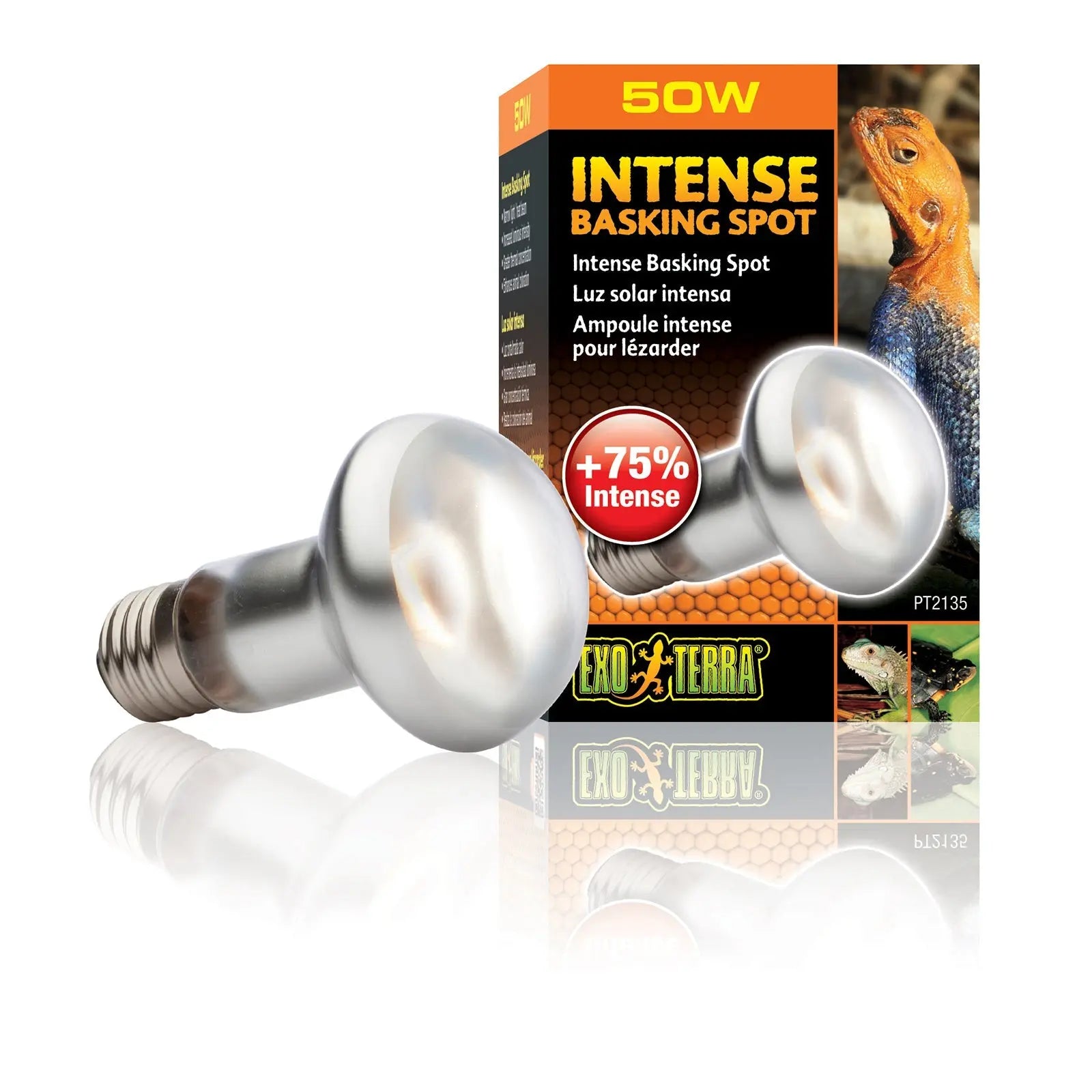
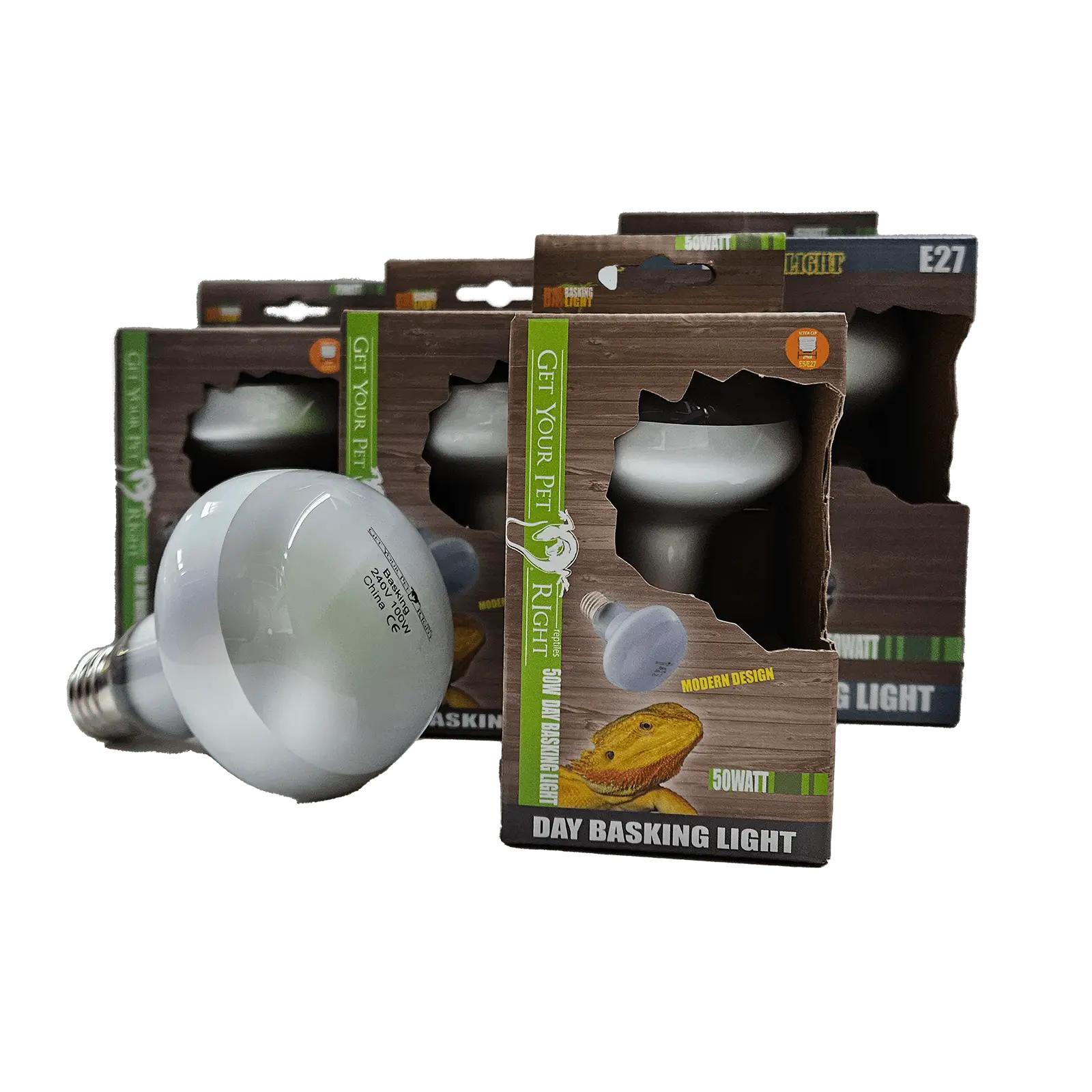
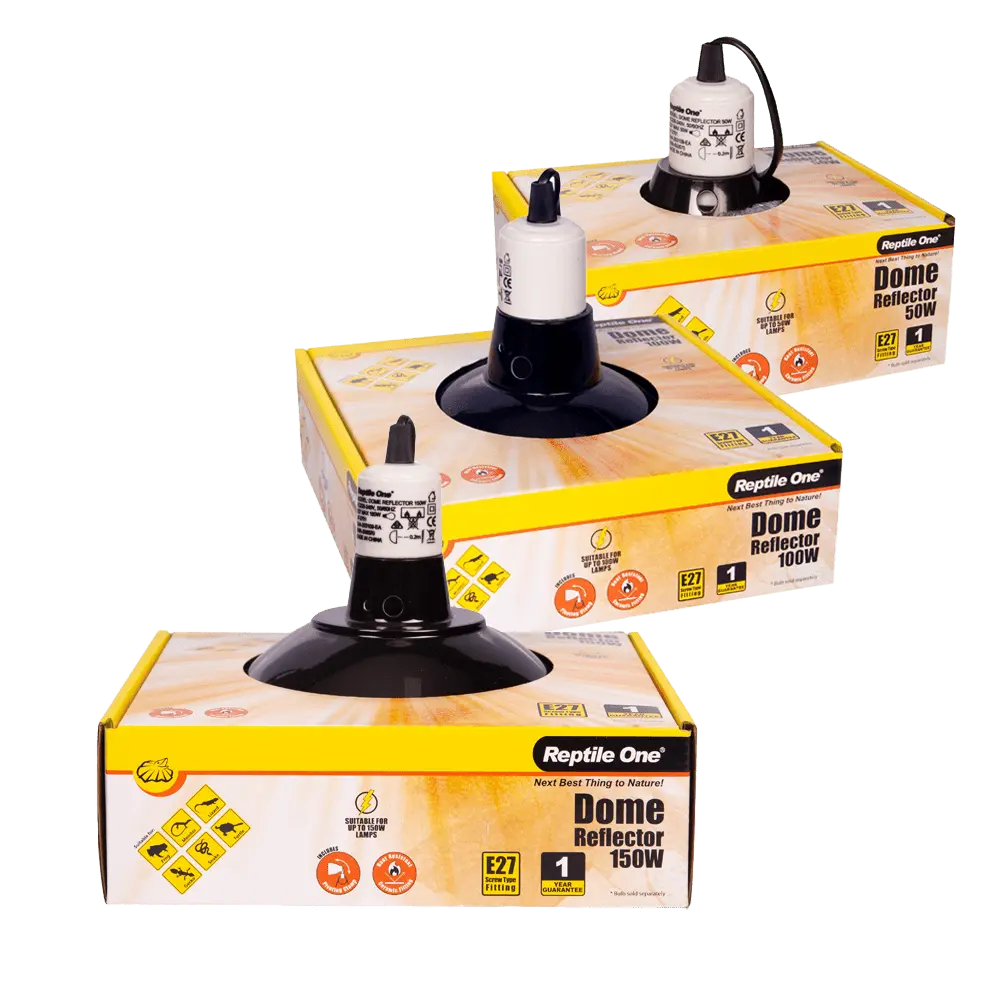
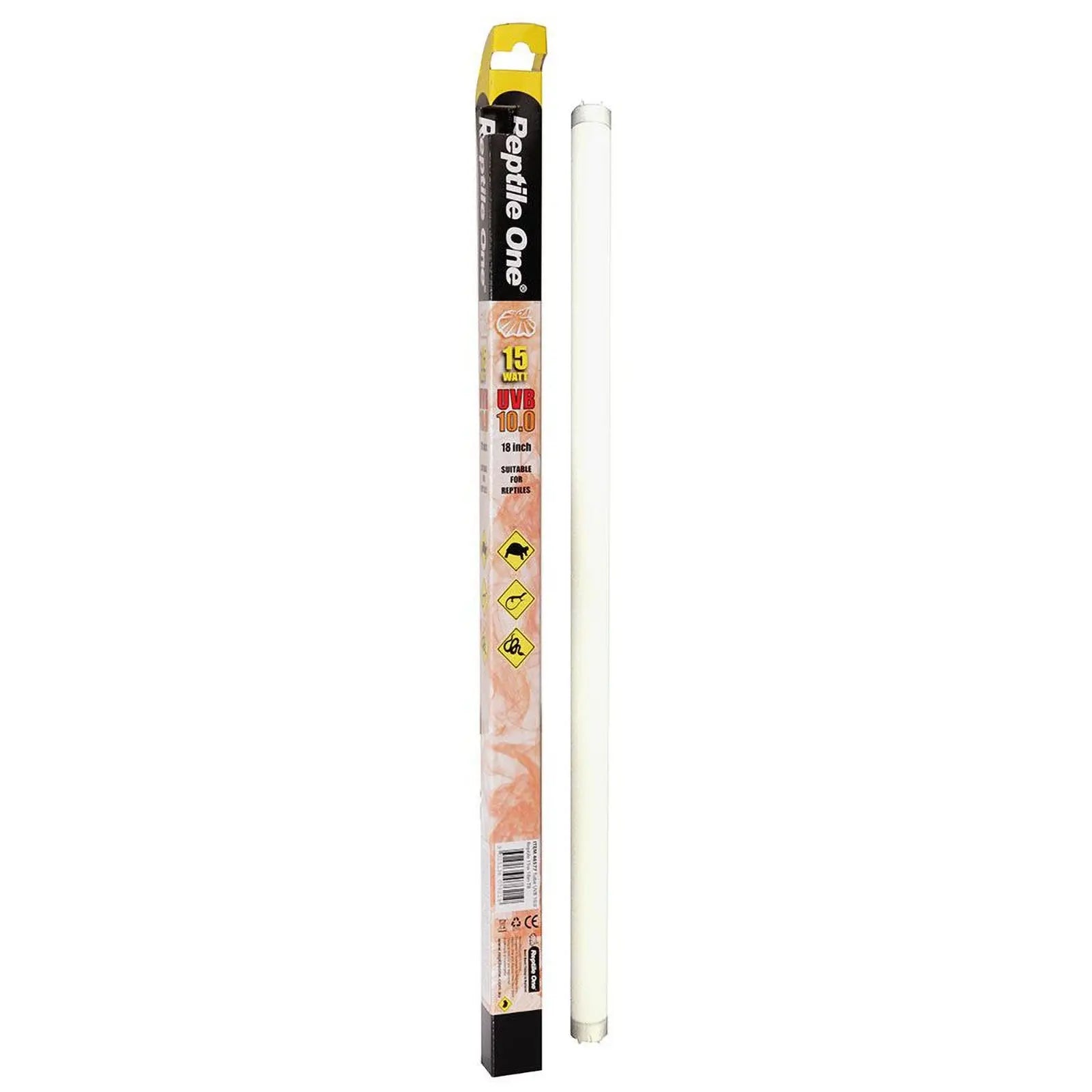
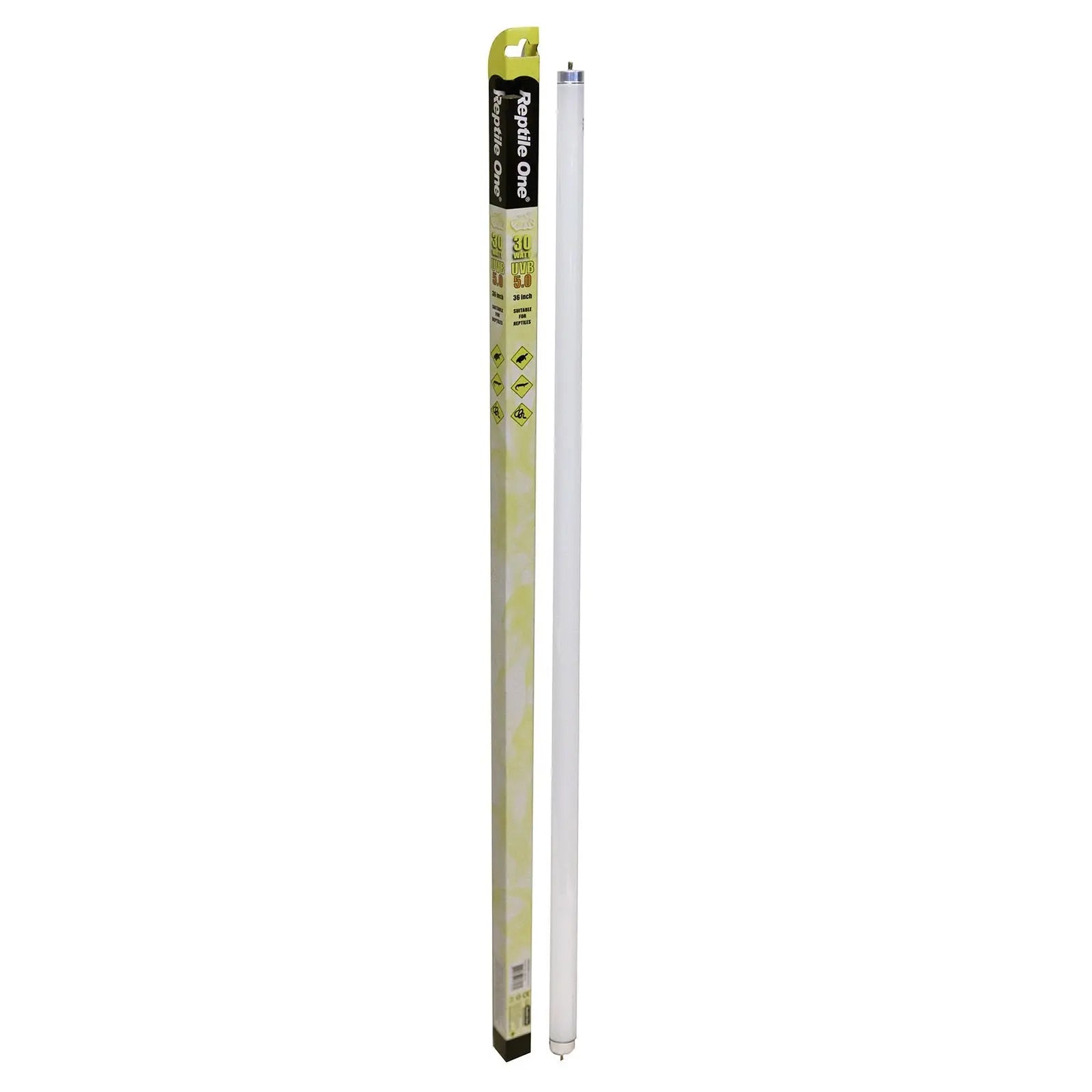
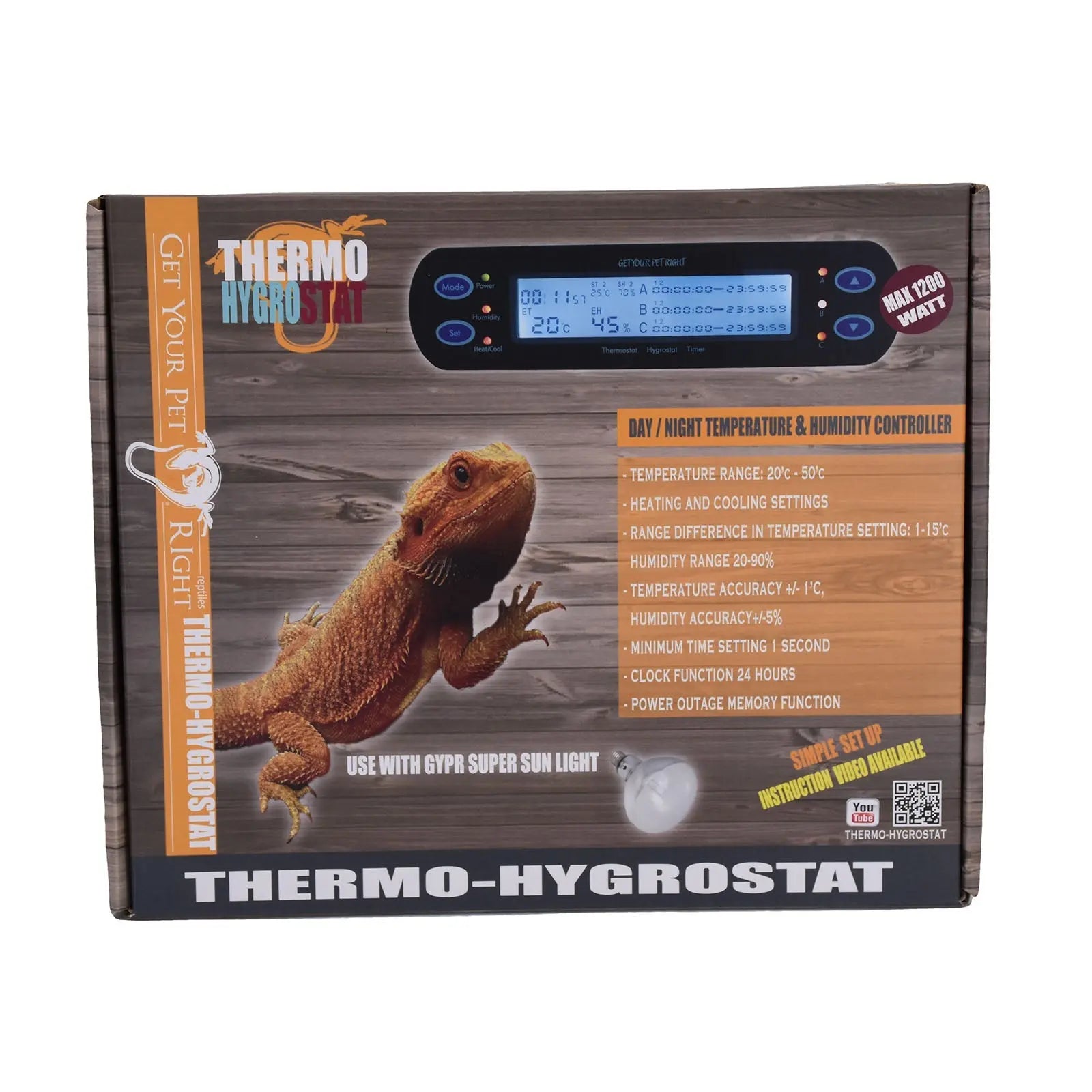
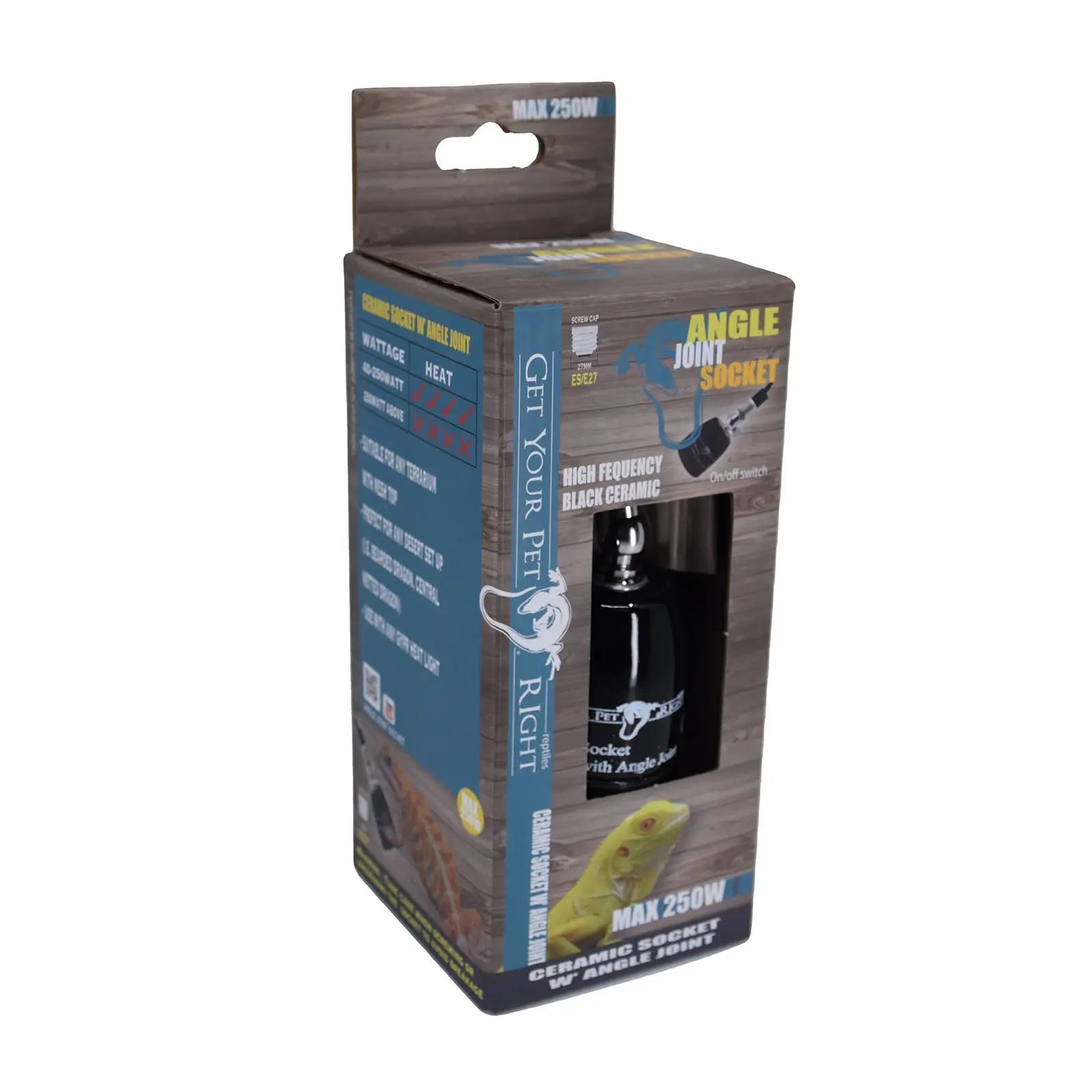
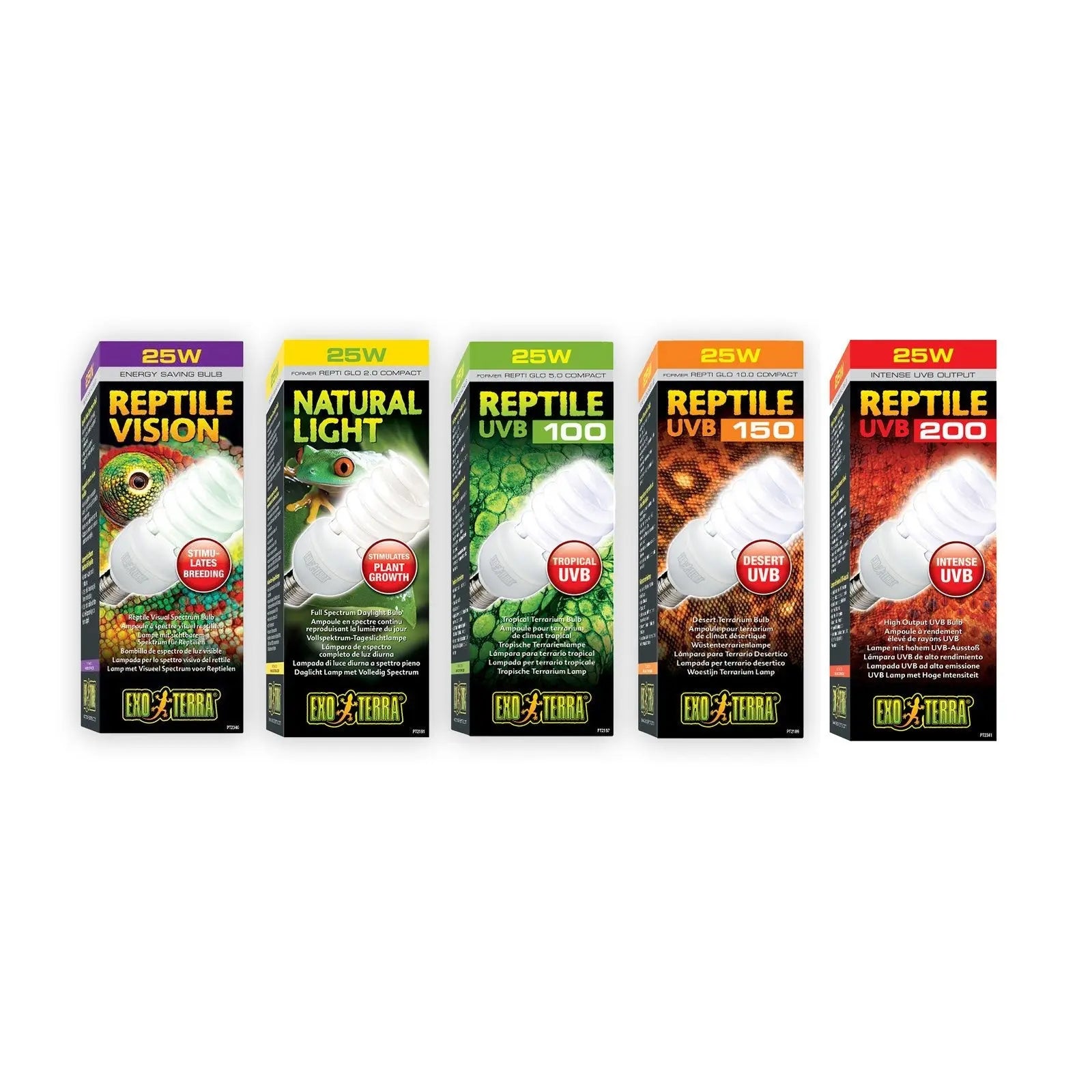
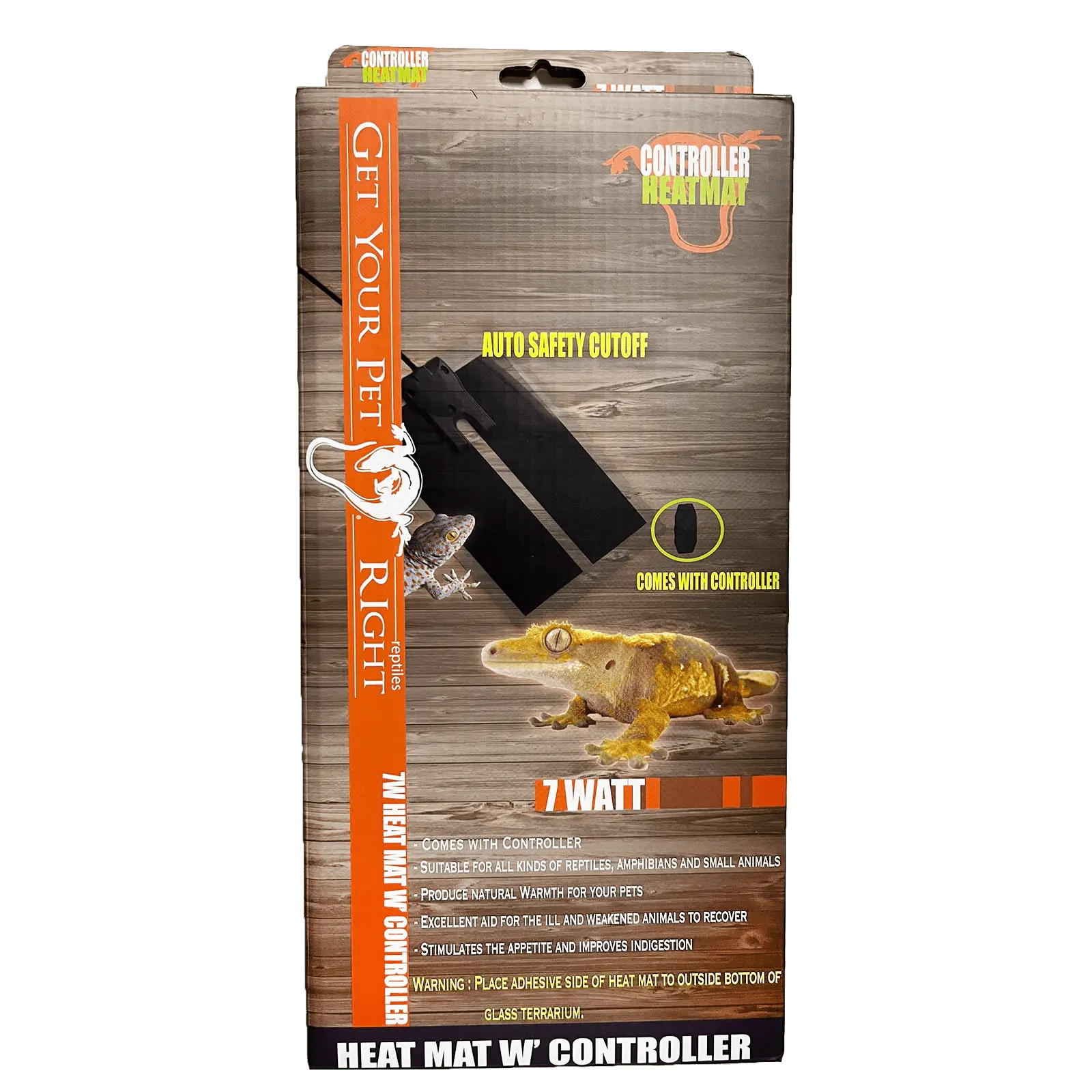
- Keep heating and UVB lighting consistent
- Ensure a proper temperature gradient
- Avoid sudden environmental changes
Provide Fresh Water
Your reptile may wake occasionally to drink, so always:
- Keep clean water available
- Check hydration regularly
Don’t Force Feeding
If your reptile refuses food:
- Don’t stress or force-feed
- Offer food occasionally, but accept if ignored
Minimise Handling
Let your reptile rest:
- Avoid unnecessary handling
- Keep their environment quiet and stable
When to Be Concerned
While brumation is natural, it’s not always appropriate for every reptile.
Seek veterinary advice if you notice:
- Significant or rapid weight loss
- Sunken eyes or dehydration
- Mucus, discharge, or breathing issues
- Lethargy outside of typical seasonal patterns
It’s especially important to be cautious with young reptiles, as they generally shouldn’t undergo full brumation.
Should You Allow Brumation?
Not all reptiles in captivity need to brumate. In fact, many owners choose to maintain stable temperatures year-round to avoid it.
Brumation may be appropriate if:
- Your reptile is healthy and at a good weight
- You’ve received guidance from a reptile-savvy vet
- You understand how to monitor their condition properly
If you’re unsure, it’s always best to seek professional advice before allowing brumation to proceed.
Final Thoughts
Brumation can seem alarming at first, but it’s a completely natural part of life for many reptiles in Australia.
By understanding the signs and providing the right care, you can support your pet safely through the cooler months. When in doubt, trust your instincts and reach out to a qualified reptile vet for guidance.