


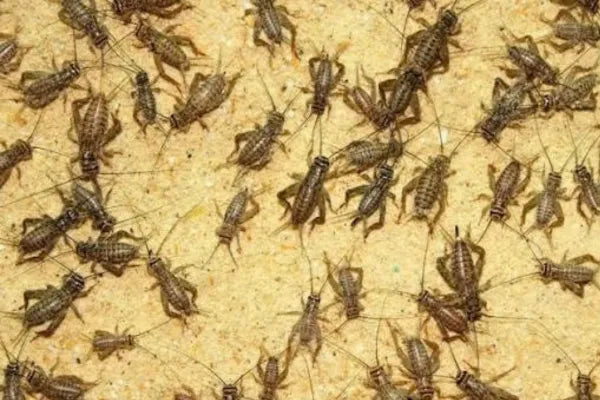
If you've ever bought a tub of crickets on the weekend and found half of them dead by Wednesday, you're in good company. The good news is that most cricket losses come down to a few fixable problems, and the same setup that keeps them alive also turns them into far better food for your reptile.
Here's how to house crickets at home, what to feed them, and how to gut-load them so your bearded dragon, gecko or skink gets real nutrition, not just a crunchy snack.
Why crickets die so quickly at home
Crickets aren't especially fragile, but they are unforgiving. The usual culprits are:
- Stale air and waste build-up. Droppings and dead crickets produce ammonia quickly in a poorly ventilated tub. If you open the lid and get a sharp, sour smell, that's your warning.
- Overcrowding. Too many crickets in too little space leads to stress and cannibalism.
- Drowning. An open dish of water is a trap. Crickets fall in and can't climb out.
- Hunger and thirst. A hungry cricket will happily eat its tub mates.
- Temperature swings. A hot car in January or a cold laundry floor in July can wipe out a tub overnight.
It's also worth knowing that adult crickets are already well into their natural lifespan. Even perfect care won't keep a tub going for months, so buy roughly a week's worth at a time rather than stocking up.
Setting up a cricket keeper that works
You don't need anything fancy. A smooth-sided plastic tub or a purpose-built cricket keeper does the job, as long as it ticks these boxes:
- Ventilation. Swap part of the lid for fine mesh or flyscreen, or drill plenty of small holes. Airflow is the single biggest factor in keeping crickets alive.
- Climbing space. Stack a few cardboard egg cartons inside. They give crickets surface area to spread out, which cuts down on crowding and provides reduces stress.
- A bare or dry floor. A bare floor is easiest to clean. Avoid damp bedding, which goes mouldy fast.
- Room to move. If crickets are piled on top of each other, use a bigger tub or split them between two.
Getting the temperature right
Crickets do best somewhere stable, out of direct sun and away from heaters, air conditioner vents and cold tiled floors.
| Temperature | What happens |
|---|---|
| Below 15°C | Crickets get sluggish, stop eating and start dying off |
| 20-26°C | Comfortable holding range for most households |
| Above 30°C | They burn through energy faster and die sooner, with big losses in heatwaves |
In a Sydney summer, keep the tub inside rather than in the garage or on a sunny windowsill. In winter, lift it off the floor and keep it in a warm room of the house.
Water without the drowning risk
Skip the water dish entirely. Crickets get their moisture far more safely from:
- Water crystals or a commercial cricket water gel
- Thick slices of carrot, sweet potato or zucchini
Swap fresh food out every day or two, before it starts to soften or grow mould. Mouldy food is one of the fastest ways to lose a whole tub.
A simple cleaning routine
- Daily: remove any dead crickets and check food and moisture.
- Every few days: shake the egg cartons over the bin and tip out droppings.
- Weekly: move the crickets to a spare container, wash the tub in hot water and dry it completely. Skip detergents and household cleaners, as residue can harm both crickets and your reptile.
What gut-loading actually means
Gut-loading is feeding crickets nutritious food for 24 to 48 hours before you offer them to your reptile. Whatever is in the cricket's gut becomes part of your pet's meal.
This matters because crickets on their own are low in calcium compared to phosphorus, and many reptiles rely on their insects for a big share of their nutrition. A cricket that has gone hungry in transit is mostly an empty shell. A well-fed one is a much better meal.
The best foods for gut-loading crickets
| Good choices | Use sparingly | Skip |
|---|---|---|
| Commercial gut-load diets | Fruit such as apple (seeds removed) | Iceberg lettuce (very little nutrition) |
| Endive, dandelion leaves and Asian greens | Kale and broccoli | Spinach and silverbeet |
| Carrot, sweet potato and pumpkin | Avocado, onion and citrus | |
| Rolled oats or wheat bran as a dry base | Anything sprayed with pesticides |
Wash all produce first, and don't collect weeds from roadsides or council verges, which may have been sprayed. Remove leftovers before they spoil.
Gut-loading versus dusting
These two jobs do different things, and most insect-eating reptiles need both.
| Gut-loading | Dusting | |
|---|---|---|
| What it is | Feeding crickets a nutritious diet | Coating crickets in a supplement powder |
| When | 24 to 48 hours before feeding | Right before offering them |
| What it fixes | Overall nutrition from the inside | Tops up the calcium crickets lack |
To dust, pop the crickets in a container or zip-lock bag with a small pinch of powder and give it a gentle shake. How often to use plain calcium, calcium with vitamin D3, or a multivitamin depends on your reptile's species, age and UVB setup, so ask our reptile team or your reptile vet for a schedule that suits your pet.
Feeding crickets to your reptile
- Offer only what gets eaten in 10 to 15 minutes, then remove the rest. Crickets left loose overnight can nibble on a sleeping reptile, and the supplement dust soon wears off anyway.
- Size them correctly. A common rule of thumb is no bigger than the space between your reptile's eyes.
- Mix it up. Crickets are a great staple, but rotating in other feeders like woodies adds variety.
Keep them fed, ventilated and uncrowded
Healthy crickets mean a healthier reptile. Give them airflow, a steady temperature, safe moisture and good food, and they'll last longer and deliver more nutrition at feeding time. If you're not sure your setup is right, bring your questions in store. Our reptile team is happy to show you a cricket keeper in action and help you choose the right gut-load and supplement products.


